
Pruning
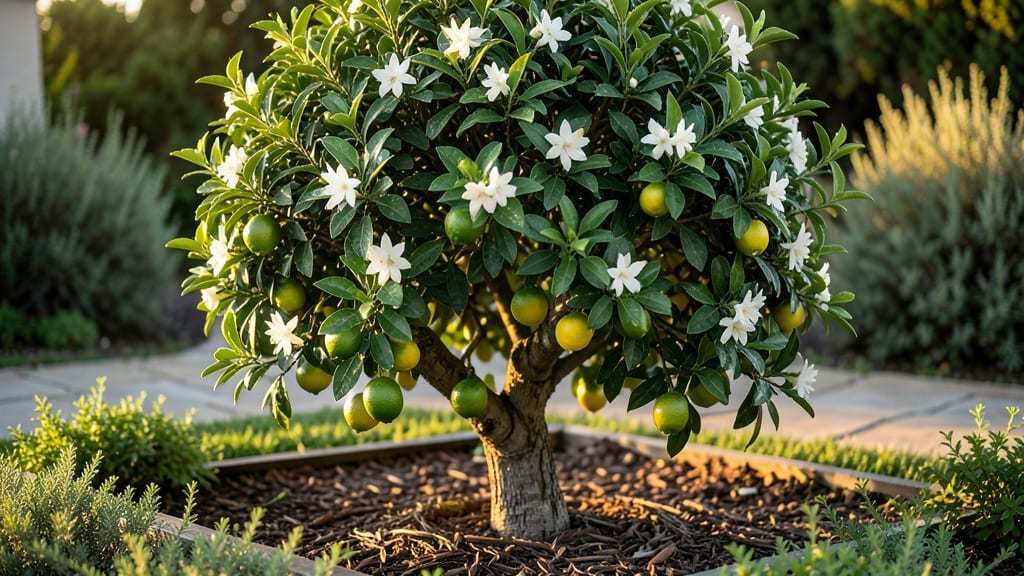
The secret to year-round lemon tree floral abundance starts with these three strategic cuts—trust me, I turned my sparse-limbed tree into a fragrant, flowering powerhouse. 🌸 Those delicate white flowers with their citrusy perfume aren't just pretty; they're the promise of fruit to come.
The key? Pruning at the right time, in the right way, and with the right confidence—because even a single misplaced cut can send your tree into a blooming slump.
Timing matters most: do your cuts right after harvest (late winter) when new growth begins, then again in early summer before the heat sets in. Each cut should target last year's growth—look for those thick, woody branches that aren't producing much anymore.
You're not just shaping the tree; you're telling it where to focus its energy. I've seen trees go from a handful of flowers to dozens of blossoms in just one season after making these adjustments.
What you'll end up with is a tree covered in those snow-white, four-petaled blooms that smell like sunshine and lemons. The flowers themselves are delicate but sturdy—each one a tiny factory for future fruit.
With proper care, you'll watch them transform into green lemons by mid-summer, and the cycle begins again. The best part? This method works for both dwarf and standard lemon trees, so your space doesn't limit your harvest.
Here's the thing about lemon trees—they bloom best when they feel safe. That means consistent watering (but not soggy soil), protection from strong winds, and a little extra phosphorus in the soil to encourage flowering.
Once you master these cuts and care adjustments, you'll be picking lemons straight from the tree for years to come. Let's get those pruners ready!
📚 In This Guide
- What you need
- Instructions
- Tips and common mistakes
- Wrapping up and next steps
What you need
- ● Pruning shears: Sharp, bypass-style shears (avoid anvil shears—they crush stems). 2-3 pairs (one for small branches, one for thicker limbs).
- ● Disinfectant: 70% isopropyl alcohol or a gardening disinfectant (1 bottle, 8 oz). Critical! Prevents disease spread.
- ● Garden gloves: Cut-resistant gloves (1 pair) to protect hands from thorns and sap.
- ● Rubbing alcohol (70%) or hydrogen peroxide (3%): For cleaning tools between cuts (small bottle, 4 oz).
- ○ Pruning sealant (optional but helpful): Tree wound paint (1 small jar) for large cuts (½”+ diameter).
- ● Bucket or trash bag: For collecting pruned branches (1 gallon-sized bag or small bucket).
- ● Ladder: Lightweight, foldable (4-6 ft) for taller trees.
- ● Extension pole pruners: For high branches (1 pair).
- ● Sharpie or marker: To label cuts (e.g., "Bloom Zone" or "Remove").
- ● Compost bin: For repurposing pruned branches.
- ● Safety glasses: If your tree has aggressive thorns.
How to prune a lemon tree for continuous blooms
Three strategic cuts keep your lemon tree flowering year-round—no complicated techniques required.
✂️ Step 1: Remove Dead or Crossing Branches First
Start by scanning the tree for any branches that are completely bare, broken, or rubbing against others. These compete with healthy growth and block airflow, which invites fungal diseases. Grab your sharp pruning shears and cut just outside the branch collar—the swollen area where the branch meets the trunk. This ensures clean wounds that heal faster.
I always work from the bottom up, making it easier to spot hidden branches in the canopy. If you're unsure whether a branch is dead, scratch the bark with your thumbnail—green underneath means it's still alive and should stay. You'll know you're on the right track when the tree's center opens up to sunlight after removing these obstructions.
🌿 Step 2: Prune Back Overgrown or Leggy Growth
Next, focus on branches that have grown too long or are stretching upward without leaves. These leggy stems rarely produce flowers and make the tree top-heavy. Cut back these branches to a point where they still have at least 3-4 leaves remaining—this ensures the plant retains enough foliage to photosynthesize. For thicker branches, use your loppers instead of shears.
Here's the thing—don't worry about making perfect cuts. What matters is reducing the branch length by about one-third. You'll see new growth emerge from the sides within 4-6 weeks, and these new shoots will be more likely to flower. If your tree has branches growing inward, trim those too—they'll create a denser, more productive canopy.
☀️ Step 3: Encourage Airflow With Strategic Thinning
Now it's time to thin out the canopy to let sunlight reach the inner branches. Look for clusters where branches are growing too close together and select the weakest one to remove. Aim to leave about 8-12 inches of space between branches—this prevents humidity buildup and reduces the risk of pests. Always cut back to a outward-facing bud or leaf to encourage new growth in the right direction.
This is the moment that matters: after thinning, your tree should look like an open umbrella rather than a dense ball. You'll notice more light filtering through the branches, which signals to the tree that it's time to produce flowers. For mature trees, I like to step back every few cuts to visualize the shape—I promise, it makes a difference in how the tree responds.
⏰ Step 4: Time Your Final Pruning for Spring Flush
The best time to finish pruning is in late winter or early spring, just as new growth begins. This timing gives the tree enough energy to recover before the main flowering season. Avoid heavy pruning in fall—it stimulates new growth that won't harden off before winter. If you missed the window, a light pruning in early spring still works, but you might see slightly delayed blooming.
After your final cuts, give the tree a good drink of water to help it recover. You'll see fresh green leaves emerge within 2-3 weeks, and these new shoots will be your first sign that the tree is ready to produce flowers. Real talk: if you've never pruned before, start small—just focus on removing dead branches first and build your confidence from there.
Tips & tricks for perfect lemon tree floral pruning
Here's what nobody tells you about keeping your lemon tree blooming like clockwork—these small details make all the difference.
Tool Prep: Always sterilize your pruning shears with rubbing alcohol before you start. This prevents spreading bacterial diseases between cuts. I keep a small spray bottle of 70% isopropyl alcohol handy—just spray and wipe between branches. Clean tools also help wounds heal faster, which is especially important for citrus trees that are prone to fungal infections.
Visual Cues for Better Cuts: In Step 3 when you're thinning, look for branches that grow in the same direction as the parent branch. These are called "water sprouts" and should be removed—they're weak and rarely produce fruit. For the branches you keep, cut just above an outward-facing bud or leaf. This simple trick ensures new growth will face outward, creating that open umbrella shape we want for maximum sunlight exposure.
Seasonal Timing Nuance: The late winter/early spring window mentioned in Step 4 is ideal, but if you're in a warmer climate (like zones 9-11), you can prune in late fall after harvest. Just avoid any frost dates—citrus trees are sensitive to cold shock after pruning. I've seen trees in Southern California bloom twice a year when pruned in both fall and spring!
Pro Tips for Lemon Tree Floral
- Here's what nobody tells you about keeping your lemon tree blooming like clockwork—these small details make all the difference.
- Tool Prep: Always sterilize your pruning shears with rubbing alcohol before you start.
- Visual Cues for Better Cuts: In Step 3 when you're thinning, look for branches that grow in the same direction as the parent branch.
Frequently asked questions
Got questions about keeping your lemon tree floral blooms vibrant year-round? Here’s what you need to know—from timing to troubleshooting—so you can prune like a pro!
When is the best time to prune for lemon tree floral blooms?
The ideal time is late winter to early spring (just before new growth starts) or right after harvest. Avoid pruning during heavy flowering—this can reduce fruit production. For tropical climates, prune in dry seasons to minimize stress. Pro tip: Light trims after blooms can encourage a second flush!
Can I prune my lemon tree lemon tree floral too much?
Yes! Over-pruning (removing more than 25% of foliage) stresses the tree, reducing blooms and fruit. Focus on selective cuts—remove only dead, crossing, or overcrowded branches. Thin out dense areas to improve airflow, which boosts floral health. Warning: Never cut into old wood—new growth is key for blooms!
What if my lemon tree isn’t flowering after pruning?
Lack of blooms often stems from nutrient deficits, light issues, or improper pruning. Check these fixes:
- Fertilize: Use a citrus-specific fertilizer high in nitrogen (for foliage) and phosphorus (for blooms) in early spring.
- Light: Lemon trees need 6+ hours of sunlight daily. Move indoors if indoors or trim nearby shade sources.
- Water: Over/under-watering stresses the tree. Keep soil consistently moist but well-drained.
If the issue persists, your tree may need a reset—prune harder next season to stimulate new growth.
Can I use lemon tree floral branches for propagation?
Softwood cuttings (4–6 inches long) from current year’s growth root best. Dip in rooting hormone, plant in moist perlite/sand mix, and cover with a plastic bag to retain humidity. Keep in bright, indirect light (60–70°F) until roots form (4–8 weeks). Bonus: Prune during propagation to encourage bushier growth!
How do I prune lemon tree floral in extreme heat or cold?
Timing matters! In hot climates, prune in early morning or late evening to avoid shock. For cold snaps, wait until after last frost—lemon trees are sensitive to temps below 20°F. If pruning isn’t possible, focus on protective measures like mulching or moving potted trees indoors. Remember: Stress = fewer blooms!
Wrapping up and next steps
Transforming your lemon tree floral into a year-round blooming beauty is simpler than you think! With just three strategic cuts—spring shaping, summer thinning, and fall cleanup—you’ll encourage vibrant flowers and bountiful fruit.
Remember, consistency is key: prune at the right time, use sharp tools, and always prioritize airflow and sunlight.
Ready to give your citrus tree the TLC it deserves? Grab your pruners and start today! 🌿🍋 Watch those blooms flourish and enjoy the rewards of your green thumb. Ready for more? Check out our guide on fertilizing lemon trees for extra growth!