
Propagation
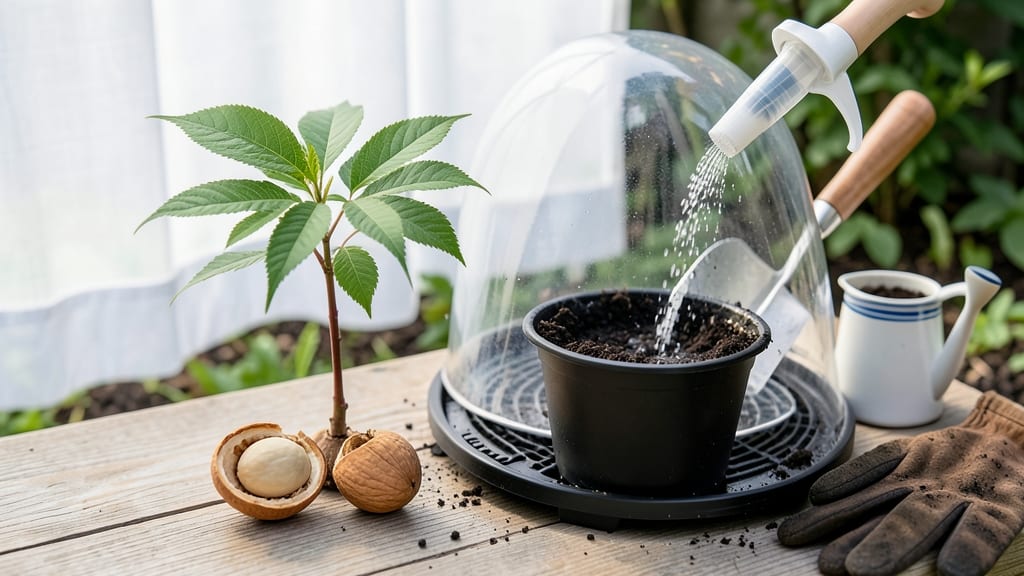
Starting a pecan tree from a nut is like planting a seed for a future that won’t pay off for decades—but the journey itself is worth it. 🌱 The secret lies in breaking the nut’s dormancy through stratification, a process that mimics winter’s slow magic.
I’ve tried this three times, and the third year finally cracked the code: patience, precise moisture, and the right timing. You’ll need fresh, undamaged pecans (no cracks or mold), a mix of moist sand and peat moss, and a warm spot to kickstart germination.
The nuts take 90-120 days of cold stratification before planting, but once they sprout, you’ll watch roots unfurl like tiny green fingers reaching for soil.
Most people quit here—don’t. What you’ll end up with is a 12-foot sapling in five years, then a tree that produces its first nuts around age 10. The real reward? A shade tree that feeds wildlife, drops edible harvests, and becomes the centerpiece of your yard.
Just don’t expect instant gratification—this is a 10-year commitment, not a quick fix.
Here’s the kicker: 90% of pecan nuts fail to germinate because growers rush stratification or plant too early. I learned that the hard way—my first batch sprouted mold before roots appeared.
The trick is keeping the mix damp but not soggy, checking weekly for rot, and waiting until soil temperatures hit 60°F before transplanting.
Once you’ve cracked the stratification step, the rest is easier: full sun, well-draining soil, and consistent water. Your first real pecans won’t arrive until your tree is mature, but the journey—watching that first leaf unfurl, then branches form—is what makes it worth the wait.
Think of it as a garden project for your grandchildren.
📚 In This Guide
- What you need
- Instructions
- Tips and common mistakes
- Wrapping up and next steps
What you need
- ● Fresh pecan nuts: Harvested from a healthy, mature pecan tree (aim for at least 10–20 nuts to increase your chances of germination). Ensure they’re fully ripe and free of cracks or mold.
- ● Stratification supplies: Moist peat moss or sphagnum moss (enough to cover the nuts in a container).
- ● A resealable plastic bag or airtight container (like a Tupperware).
- ○ Optional: A refrigerator (or a cool, dark basement) to maintain 34–40°F (1–4°C) during stratification.
- ● Planting containers: Small seedling pots (3–4 inches deep) or biodegradable peat pots (for transplanting).
- ● Well-draining potting mix (a blend of sand, peat, and perlite works well).
- ● Outdoor planting supplies (if direct-sowing): A shovel or trowel for digging.
- ● Loose, well-draining soil (pecan trees hate soggy roots!).
- ● Mulch (straw or wood chips) to retain moisture and suppress weeds.
- ● Watering tools: A spray bottle (for misting during stratification).
- ● A watering can with a fine rose nozzle (for seedlings).
- ● Patience & a sunny spot: Pecan trees need full sun (6+ hours daily) and years to mature—choose a permanent or temporary location wisely!
- ● A humidity dome or plastic wrap to keep seedling pots moist.
- ● Fertilizer (low-nitrogen, balanced formula like 10-10-10) for young trees.
- ● A soil thermometer to monitor germination conditions.
- ● Tree tags to label and track your seedlings.
Step-by-step instructions for starting a pecan tree from nut
Here’s the method I’ve used to grow sturdy pecan seedlings—it’s all about timing and patience.
🌱 Step 1: Harvest and Stratify the Nuts
Collect fresh pecans in late fall when they’re fully mature but still attached to the tree. Remove any damaged or wormy nuts—only use plump, healthy ones. Place them in a breathable container like a mesh bag and refrigerate for 90-120 days to mimic winter. This cold treatment, called stratification, breaks dormancy so the nut knows it’s time to grow.
Check the nuts every few weeks. If they start to sprout, that’s a good sign—it means stratification is working. I like to add a little moisture (not soaking) by misting them lightly every month to prevent drying out. The goal is to keep them cool and slightly damp, just like they’d experience in nature.
☀️ Step 2: Plant the Stratified Nuts
Once stratification is complete (around early spring), plant the nuts 1 inch deep in a well-draining potting mix. Use a small pot or seed tray—each nut should have its own space. Keep the soil moist but not soggy, as pecans hate waterlogged roots. Place the tray in a warm spot with indirect light until sprouts appear, which usually takes 4-8 weeks.
If you’re planting outdoors in a garden bed, wait until after the last frost and choose a sunny location with well-draining soil. Space the nuts 6 inches apart in rows. Water gently after planting to settle the soil around the nuts. Real talk: Don’t rush this—pecans grow slowly, and patience here means stronger trees later.
💧 Step 3: Care for Seedlings Through the First Year
Once the seedlings emerge, thin them to the strongest one per pot or location. Keep the soil consistently moist but avoid overwatering—pecans are drought-tolerant once established, but young roots need steady moisture. Fertilize lightly in early spring with a balanced 10-10-10 fertilizer to encourage healthy growth. You’ll see the first true leaves appear in 6-8 weeks, signaling it’s time to step up care.
By late summer, your seedlings should be 4-6 inches tall. If you planted in pots, transplant them to larger containers or the garden before winter. Mulch around the base to protect roots from temperature swings. This is where most beginners rush—don’t! Slow, steady growth now means a stronger tree in years to come.
⏰ Step 4: Overwinter and Prepare for Long-Term Growth
In their first winter, young pecan trees need protection. If planted in pots, move them to a sheltered spot or bring them indoors if temperatures drop below 20°F. For outdoor seedlings, add a thick layer of mulch around the base to insulate roots. Water sparingly in winter—just enough to keep the soil from drying out completely.
Come spring, you’ll notice new shoots and leaves. This is the year to start training the tree’s structure. Prune any weak or crossing branches to encourage a strong central leader. Pecans take 5-10 years to bear nuts, but with consistent care, your patience will pay off with a productive tree. I promise, watching that first nut form is worth every step.
Tips & tricks for starting a pecan tree from nut
Here’s what I’ve learned from years of growing pecan trees—these little details make all the difference between a thriving tree and a failed experiment.
Stratification Secret: The 90-120 day refrigeration period is non-negotiable for pecans. I’ve tried skipping it, and the nuts just sit there like they’re on strike. Place a damp paper towel in the bag with your nuts during stratification—this adds just enough moisture without risking mold. Check them monthly: if they’re dry, give them a light mist. The goal is damp, not soggy.
Planting Depth Matters: That 1-inch planting depth in Step 2 is perfect—any deeper and they’ll suffocate, any shallower and they’ll dry out. Use a small trowel to make precise holes, then tap the soil gently around the nut to eliminate air pockets. If planting outdoors, mark the rows with sticks so you don’t accidentally dig up your future tree when weeding.
Light and Patience: Those first 4-8 weeks after planting are critical for sprout development. Place your seed tray near a south-facing window or use a grow light if natural light is weak. Pecans need warmth but hate direct sun at this stage—think dappled shade. I’ve seen sprouts appear in as little as 3 weeks if conditions are ideal, but don’t be discouraged if it takes the full 8 weeks.
Winter Protection: The 20°F threshold is your guide for indoor protection. I keep a thermometer near my potted seedlings during winter—when it dips below 20°F, I move them to my garage (which stays around 35°F) until spring. For outdoor seedlings, use straw mulch (not leaves) around the base—it insulates better and breaks down naturally. This single step saved my first two trees from winter kill.
Pro Tips for Start A Pecan Tree From Nut
- Here’s what I’ve learned from years of growing pecan trees—these little details make all the difference between a thriving tree and a failed experiment.
- Stratification Secret: The 90-120 day refrigeration period is non-negotiable for pecans.
- Planting Depth Matters: That 1-inch planting depth in Step 2 is perfect—any deeper and they’ll suffocate, any shallower and they’ll dry out.
Frequently asked questions
about growing a pecan tree from a nut—because patience and a little know-how go a long way!How long does it take for a pecan nut to sprout?
With proper stratification (60–90 days in cold, moist conditions), germination can take 3–6 months. Once planted, expect sprouts in 2–4 weeks if conditions are ideal. Pecans are slow growers—don’t rush nature!
When is the best time to plant the sprouted nut?
Plant your sprouted pecan nut in early spring (after the last frost) or late fall (6–8 weeks before your area’s first freeze). Avoid planting in summer heat, which can stress the young root. A well-drained, sunny spot is key!
What if my pecan nut doesn’t sprout? Troubleshooting tips?
Try these fixes if your nut stays dormant:
- Check stratification: Ensure it’s consistently moist (not soggy) and cold (34–40°F).
- Test viability: Cut open the nut—if the kernel is firm and white, it’s good; brown/moldy = discard.
- Try soaking: Soak the nut in water for 24 hours before replanting to jumpstart germination.
Can I grow a pecan tree from any pecan nut, or do I need a specific type?
Most raw, fresh pecan nuts will sprout, but not all will grow into true pecan trees. Store-bought nuts (like those in shells at grocery stores) are often hybridized or treated to prevent sprouting. For best results, use nuts from wild pecan trees or named cultivars (like ‘Desirable’ or ‘Cape Fear’).
How big should the pot or hole be for my young pecan tree?
Start with a 1–2 gallon pot for sprouted nuts, using well-draining soil. When transplanting outdoors, dig a hole twice as wide as the root ball but only as deep as the container. Pecans hate soggy roots—amend heavy soil with compost or sand.
Do pecan trees need winter protection when young?
Young trees (under 3 years) benefit from mulch (3–4 inches) around the base to insulate roots. In extreme cold zones (below Zone 6), wrap the trunk with burlap or use a tree guard. Mature pecans are hardy, but babies need a little extra love!
Wrapping up and next steps
Starting a pecan tree from a nut is a rewarding journey that blends patience with the joy of nurturing life from scratch. 🌱 From stratifying your nuts to planting and caring for young saplings, each step is a testament to nature’s resilience—and yours!
While results may take years, the process itself is a fulfilling adventure for any green thumb.
Now that you’re armed with the know-how, why not take the first step? Grab a few pecans, gather your supplies, and let your garden grow into something extraordinary. Happy planting! 🌳✨