
Pruning
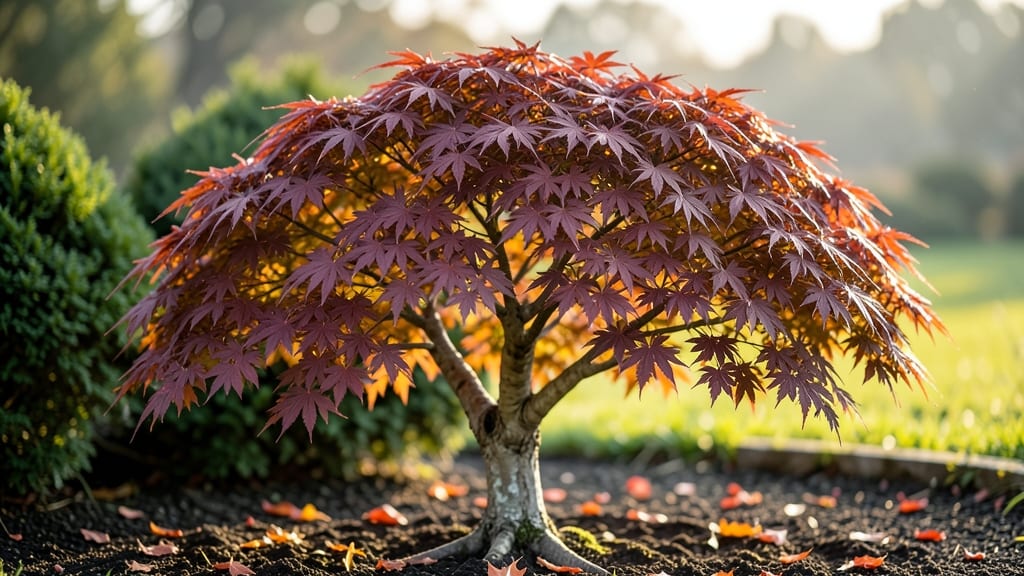
Japanese maple trees don’t just change colors—they paint your garden in bold strokes you’ll never forget. 🌿 From deep burgundy to chartreuse, their foliage shifts with the seasons, creating living art that transforms any landscape from ordinary to extraordinary.
The secret to unlocking their full color potential lies in understanding how pruning influences their seasonal palette, ensuring those vibrant hues appear exactly when you want them.
Imagine a front yard that bursts with crimson leaves in spring, transitions to sunny gold in fall, and even glows pale pink in winter. That’s the magic of Japanese maples—each variety has its own color story.
Pair a blood-red Acer palmatum with a golden Dissectum for a two-tone masterpiece, or contrast a purple Atropurpureum against a white fence for dramatic effect. The key is placement: dappled shade brings out deeper hues, while full sun enhances variegated patterns.
Pruning isn’t just about shaping—it’s about timing. A light trim in late winter removes dead branches and opens the canopy for better light penetration, which intensifies fall colors. Skip the heavy cuts, though; aggressive pruning can dull those jewel-toned leaves you’re after.
Instead, focus on selective thinning to let sunlight dance through the branches, revealing the full spectrum of colors hidden beneath.
Whether you’re designing a serene Zen garden or a vibrant patio display, Japanese maples deliver year-round drama. Their colors even work in containers—picture a variegated bonsai on your deck, shifting from cream to pink as the seasons change.
The best part? Their compact size means they fit everywhere, from tiny urban yards to sprawling estates. Let’s bring that color mastery to your outdoor space.
📚 In This Guide
- What you need
- Instructions
- Tips and common mistakes
- Wrapping up and next steps
What you need
- ● Pruning shears: Bypass pruners (for clean cuts on small branches; 5-8 inch blades, sharp and rust-resistant).
- ● Loppers: Bypass or anvil type (for thicker branches; 8-12 inch blades, with a comfortable grip).
- ● Pruning saw: Curved-tooth saw (for branches thicker than 1.5 inches; lightweight and durable).
- ● Hand pruners (for detail work): Small, sharp pruners (3-5 inch blades, ideal for shaping and fine cuts).
- ● Gloves: Heavy-duty gardening gloves (cut-resistant, with a snug fit for grip and protection).
- ● Disinfectant: Rubbing alcohol or garden disinfectant spray (70% isopropyl alcohol or a dedicated tool sanitizer).
- ○ Sealing wax or pruning sealant: Optional but recommended (for larger cuts to prevent disease; choose a natural, water-based option).
- ● Ladder or step stool: Stable, extendable ladder (if your tree is taller than 6 feet; ensure it’s rated for your weight).
- ● Heavy-duty trash bags: 2-3 large bags (for collecting pruned branches and debris).
- ● Notebook & pencil: Small, weatherproof notebook (to sketch pruning plans or track seasonal changes).
- ● Extension pole pruners: For high branches without a ladder (10-15 feet reach).
- ● Tree paint or tar: For sealing cuts on larger branches (if you prefer a traditional method).
- ● Pruning rope or zip ties: To secure branches during shaping.
- ● Camera or phone: To document your tree’s progress before and after pruning!
- ● First-aid kit: Just in case (bandages, antiseptic wipes, and tweezers for splinters).
How to enhance Japanese maple tree colors through strategic pruning
Mastering the art of pruning unlocks your Japanese maple's full seasonal color potential.
☀️ Step 1: Understand the Color Cycle and Prune at the Right Time
Japanese maples reveal their most vibrant colors during late summer to early fall, but the foundation is laid in late winter or early spring. This is when you should prune—before new growth begins. The key is removing 10-15% of the tree's total volume to encourage dense, colorful foliage. Avoid pruning in fall or winter, as this can stimulate late-season growth that won't harden off before frost.
Look for branches that cross or rub against each other—these compete for sunlight and nutrients, dulling the tree's natural hues. Also, remove any dead or diseased branches immediately, as they drain energy from the vibrant foliage you want to preserve. Use sharp, clean pruners to make cuts just outside the branch collar for the cleanest healing.
✂️ Step 2: Shape for Light Penetration and Airflow
Japanese maples thrive when light reaches all their branches evenly. Thin out the canopy by removing selective inner branches that block sunlight from penetrating to the lower foliage. Focus on branches growing toward the center of the tree—they create dense, shaded areas where leaves turn dull green instead of fiery red or orange.
Step back and visualize the tree's natural shape. Aim for an open, airy structure that allows light to filter through. This not only enhances color but also reduces the risk of fungal diseases, which thrive in stagnant, shaded conditions. Prune to maintain the tree's natural form while encouraging outward growth—this is where the most vibrant fall colors appear.
🌿 Step 3: Prune for Color Intensity by Balancing Growth
To maximize fall color, prioritize branches with the most vibrant leaves. If one side of the tree consistently shows richer hues, prune back the less colorful side slightly more to balance growth. This encourages the tree to invest energy where it counts—producing the most dramatic foliage.
Watch for "water sprouts"—fast-growing, upright shoots that often appear after pruning. These saplings steal nutrients from the main canopy, weakening color intensity. Remove them as soon as they appear, cutting them back to a lateral branch or bud. This redirection of energy leads to thicker, more colorful foliage on the remaining branches.
⏰ Step 4: Maintain Through the Seasons to Preserve Vibrancy
After the initial pruning, monitor your tree throughout the growing season. In late spring, lightly trim any branches that grow too long or lose their shape. This keeps the tree balanced and ensures even color distribution. Avoid heavy pruning at this stage—focus on subtle adjustments to maintain the structure you've established.
In early summer, give the tree a final check for any dead or crossing branches that may have developed. Remove them before the foliage thickens, making cuts easier to spot and execute. This ongoing maintenance ensures your Japanese maple stays healthy and ready to burst with color when fall arrives.
Tips & tricks for perfect Japanese maple tree colors
Transforming your Japanese maple into a fall color spectacle starts with these refined pruning secrets that go beyond the basics.
Timing is Everything: The late winter to early spring window is non-negotiable for vibrant fall colors. I've seen trees pruned in summer or fall produce duller foliage because the cuts stimulate weak growth that doesn't harden properly before winter. Mark your calendar for late February to early March when most Japanese maples are still dormant but buds haven't swollen yet. This timing ensures you're removing only the right branches while preserving energy for fall color development.
Branch Selection Strategy: Here's what nobody tells you—focus on removing branches that grow toward the center of the tree first. These are the real culprits behind dull foliage. I learned this the hard way after pruning outer branches only, which left dense inner branches creating shaded areas where leaves turned pale green instead of fiery red. Step back and visualize sunlight paths—your goal is to create an open lattice that lets light reach every leaf surface.
Water Sprout Rescue: Those fast-growing water sprouts might look harmless, but they're color thieves. I've watched trees produce vibrant foliage one year, only to see water sprouts steal nutrients the next season, resulting in washed-out colors. The fix? Remove them immediately when they appear—cut back to a lateral branch or bud where the sprouts emerge. This redirection of energy creates thicker, more colorful foliage on your main branches.
Seasonal Maintenance Calendar: Your late spring and early summer check-ins are just as important as the initial pruning. I schedule two light maintenance sessions: one in late May to trim any branches that have grown too long, and another in early July to remove any new crossing branches. These subtle adjustments prevent the tree from developing bad habits that would require heavy pruning later. Think of it as giving your tree a seasonal tune-up rather than a major overhaul.
Pro Tips for Japanese Maple Tree Colors
- Transforming your Japanese maple into a fall color spectacle starts with these refined pruning secrets that go beyond the basics.
- Timing is Everything: The late winter to early spring window is non-negotiable for vibrant fall colors.
- Branch Selection Strategy: Here's what nobody tells you—focus on removing branches that grow toward the center of the tree first.
Frequently asked questions
about Japanese maple tree colors—because even the most stunning foliage comes with questions! Here are answers to the most common ones to help you master seasonal beauty through pruning.When is the best time to prune for vibrant fall colors?
Prune Japanese maples after their spring flush (late May to early June) but before summer heat stress. This timing ensures healthy growth while preserving the energy needed for those breathtaking fall hues. Avoid heavy pruning in late summer—it can stunt color development!
Why are my Japanese maple leaves turning brown instead of red/orange?
Brown leaves often signal stress from over-pruning, drought, or fungal issues (like tar spot). Check for thin canopy spots or powdery residue. If it’s pruning-related, lighten up next season—focus on removing only dead/diseased branches. For pests, neem oil or horticultural soap can help!
Can I prune a Japanese maple in winter for spring color?
Winter pruning is risky—these trees are dormant, and cuts may not heal well. If you must, prune lightly in late winter (Feb) to shape, but avoid heavy cuts. Prioritize spring/early summer pruning for vibrant foliage. Pro tip: Use sharp, sterilized tools to prevent disease!
What’s the difference between pruning for spring blooms vs. fall colors?
Spring blooms (like Acer palmatum) need pruning after flowers fade to avoid cutting next year’s buds. For fall colors, focus on thinning dense areas to improve airflow and light penetration. Balance is key—aim for 20-30% reduction in one session to avoid shock.
Are there Japanese maple varieties that need less pruning for color?
Yes! Varieties like ‘Bloodgood’ or ‘Emperor I’ are low-maintenance and naturally vibrant. Others, like ‘Shishigashira’, thrive with minimal pruning—just remove crossing branches. Research your specific cultivar’s growth habits to tailor care!
Wrapping up and next steps
The Japanese maple tree’s breathtaking colors—from vibrant greens to fiery reds and delicate purples—are a testament to nature’s artistry. By mastering pruning techniques and seasonal care, you can enhance their beauty and ensure their health for years to come. 🌸
Ready to transform your garden into a seasonal masterpiece? Start small—pick one tree this season, gather your tools, and begin your pruning journey with confidence! For deeper insights, explore our pruning guides or connect with local arborists to refine your skills.