
Pruning
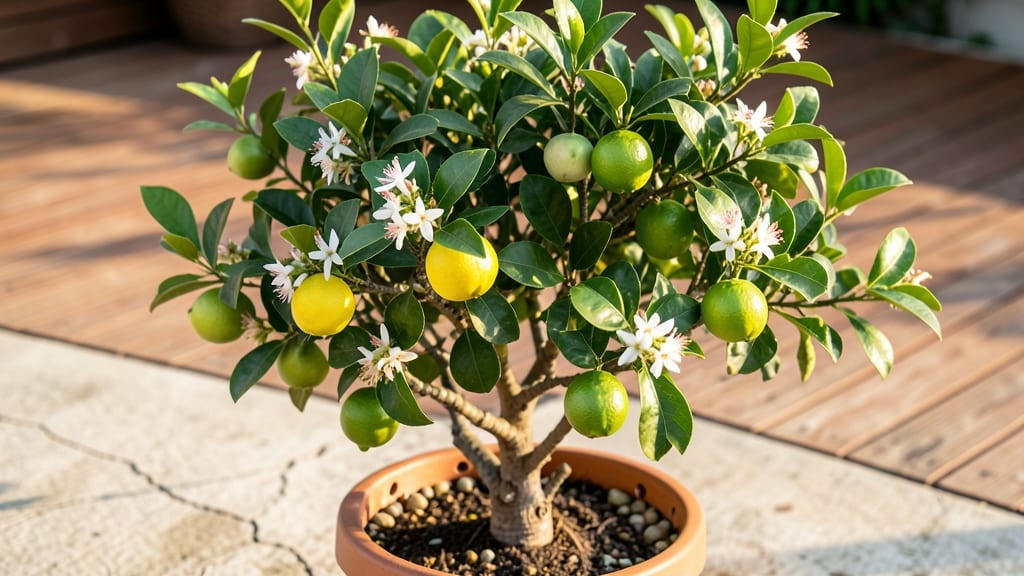
Growing a key lime tree in pot starts with the right container and soil—because this compact citrus thrives when its roots aren’t cramped. 🌱 I’ve watched mine grow from a 5-gallon pot to a fruit-bearing bush in just two years, and the secret isn’t complicated: good drainage, bright light, and a little winter coaxing.
The right setup means a 15-gallon pot (minimum) with drainage holes and a mix of potting soil, perlite, and compost. Too-small containers lead to root-bound stress, while proper drainage prevents the rot that kills potted citrus.
My tree gets 6+ hours of morning sun daily, and I water only when the top inch of soil feels dry—overwatering is the #1 killer of container-grown limes. By summer, you’ll see glossy new leaves and maybe even tiny green limes forming.
The real magic happens in winter, when I move the pot indoors near a sunny window and cut back watering. This trick keeps it alive until spring, when it explodes with growth again. Common mistakes? Yellow leaves usually mean overwatering, while no fruit often signals too little sun.
But with the right care, your potted key lime can produce dozens of limes per season—and that first tangy harvest makes every effort worth it.
📚 In This Guide
- What you need
- Instructions
- Tips and common mistakes
- Wrapping up and next steps
What you need
- ● Pot: A well-draining container (12–18 inches in diameter) with drainage holes. Opt for terracotta or ceramic for best airflow.
- ● Key lime sapling: A healthy, dwarf or semi-dwarf variety (e.g., 'Meyer' lime or true key lime grafted onto a dwarf rootstock).
- ● Potting mix: A citrus-specific blend (or a mix of 60% potting soil, 30% perlite, and 10% compost). Avoid garden soil—it compacts too easily! 🚫
- ● Fertilizer: A balanced citrus fertilizer (10-10-10 or 8-3-9 NPK ratio). Start with a slow-release granular or liquid feed.
- ● Pruning tools: Sharp bypass pruners (for clean cuts)
- ● Small hand pruners (for precision trimming)
- ● Disinfectant (rubbing alcohol or bleach solution) to sterilize tools between cuts.
- ○ Support: A small stake or trellis (optional but helpful for young trees to prevent toppling).
- ● Mulch: Organic mulch (e.g., pine bark nuggets) to retain moisture and regulate soil temp.
- ● Drip irrigation system or a watering can with a rose attachment for gentle, deep watering.
- ● Soil moisture meter to avoid over- or under-watering.
- ● Citrus-specific pest control: Neem oil or insecticidal soap (for aphids or scale).
- ● Grow lights (if indoors) to supplement 6–8 hours of sunlight daily.
- ● Epsom salt (occasional foliar spray for magnesium boost).
Step-by-step instructions for growing a key lime tree in a pot
Here’s how to keep your compact citrus tree thriving in a container with minimal fuss.
🪴 Step 1: Choose the Right Pot and Drainage
Start with a 5-gallon pot—this gives roots room to grow without becoming root-bound too quickly. Make sure it has multiple drainage holes at the bottom, or drill extra if needed. I like to place a 2-inch layer of gravel or broken pottery in the bottom first—this prevents soil from clogging the holes and keeps roots from sitting in water.
Key limes hate soggy feet, so drainage is non-negotiable. If your pot lacks holes, skip it—waterlogged roots will rot within weeks. Test your pot’s drainage by filling it with water and letting it drain completely. If water pools at the bottom after 10 minutes, your setup isn’t ready.
🌱 Step 2: Use Well-Draining Citrus Soil Mix
Fill the pot with a well-draining citrus potting mix—never regular garden soil. I blend 50% premium potting soil, 30% perlite, and 20% coarse sand to mimic the tree’s native sandy soil. This mix prevents compaction and keeps roots oxygenated.
Moisten the soil lightly before planting—it should feel like a damp sponge, not dripping. Pack it gently around the root ball of your young tree, leaving 1 inch of space between the soil surface and the pot’s rim. This prevents overflow when you water.
☀️ Step 3: Position for Bright, Indirect Light
Place your key lime tree where it gets 6-8 hours of bright, indirect sunlight daily. A south- or west-facing window works best, but avoid harsh midday sun, which can scorch tender leaves. If you’re using grow lights, keep them 12-18 inches away and on for 12-14 hours daily to mimic natural light cycles.
Watch for signs of light stress: yellowing leaves mean too much sun, while stretched, pale growth means it’s not getting enough. Rotate the pot a quarter turn weekly so the tree grows evenly. In winter, supplement with a grow light if natural light drops below 4 hours daily—citrus trees need consistency.
💧 Step 4: Water Deeply but Sparingly
Water your key lime tree only when the top 2 inches of soil feel dry—stick your finger in to check. When it’s time to water, soak the soil thoroughly until water runs out the drainage holes. Empty the saucer afterward to prevent root rot. Overwatering is the #1 killer of potted citrus.
In summer, you might water 2-3 times weekly, but in winter, reduce to once every 10-14 days. The tree’s growth slows in cooler months, so it needs less moisture. Always water at the base of the plant, not over the leaves, to avoid fungal issues.
✂️ Step 5: Prune and Fertilize for Compact Growth
Prune your tree once in early spring to encourage bushier growth. Cut back any leggy branches by one-third, and remove any dead or crossing growth with clean, sharp pruners. This keeps the tree compact and improves airflow, reducing disease risk.
Feed your key lime tree every 4-6 weeks during growing season (spring through fall) with a balanced citrus fertilizer (like 6-6-6 or 8-3-9). In winter, skip fertilizing—the tree is dormant and doesn’t need extra nutrients. Flush the soil with water once monthly to prevent salt buildup from fertilizer.
Tips & tricks for perfect key lime tree in pot
A few simple strategies will help your compact citrus tree thrive year after year in its container.
Pot Upgrade Strategy: If your tree outgrows its 5-gallon pot within 2-3 years, upgrade to a 7-10 gallon container with drainage. I've seen trees thrive in decorative ceramic pots as long as they have holes—just cover the bottom with landscape fabric first to prevent soil loss. The key is matching pot size to the tree's growth stage; a 5-gallon works for young trees, but mature trees need more space.
Light Troubleshooting: For those 6-8 hours of sunlight, I recommend placing your tree near an east-facing window first—it gets gentle morning light without harsh afternoon rays. If you notice yellowing leaves, move it farther from the window immediately. For indoor growers, LED grow lights (12-14 hours daily) work wonders—just keep them 12-18 inches away to avoid heat stress. The winter 4-hour minimum is critical; supplement with lights if your home gets dimmer months.
Watering Wisdom: That 2-inch soil dryness check is your best friend. I've ruined trees by overwatering, so I always use the "squeeze test"—if the soil feels like a wrung-out sponge, it's time to water. For summer watering (2-3 times weekly), I set a timer as a reminder since citrus trees can't tell you when they're thirsty. In winter, I reduce to every 10-14 days and check the soil before watering—cold weather slows everything down.
Fertilizer Timing: The 4-6 week feeding schedule during growing season is perfect, but I've found that splitting the dose into two lighter applications (every 8-12 weeks) prevents salt buildup. Always flush the soil monthly with plain water—this prevents fertilizer salts from accumulating in the root zone. In winter, I skip fertilizing entirely since the tree's dormant and won't use the nutrients anyway.
Pro Tips for Key Lime Tree In Pot
- A few simple strategies will help your compact citrus tree thrive year after year in its container.
- Pot Upgrade Strategy: If your tree outgrows its 5-gallon pot within 2-3 years, upgrade to a 7-10 gallon container with drainage.
- Light Troubleshooting: For those 6-8 hours of sunlight, I recommend placing your tree near an east-facing window first—it gets gentle morning light without harsh afternoon rays.
Frequently asked questions
Got questions about growing a key lime tree in a pot? You’re not alone! Here are answers to the most common concerns—from pruning to troubleshooting—to help your citrus thrives in containers.
How big does a key lime tree get in a pot?
A key lime tree in a pot typically stays between 6–10 feet tall with proper pruning. Dwarf varieties (like ‘Meyer’ or ‘Calamondin’ hybrids) max out around 4–6 feet, making them ideal for patios. Regular pruning keeps it compact and encourages fruit production.
How long does it take for a key lime tree in a pot to bear fruit?
Patience is key! A container-grown key lime tree may take 3–5 years to bear fruit, depending on sunlight, soil, and care. Dwarf varieties often fruit faster (sometimes in 2 years). Ensure it gets 6+ hours of sun daily and fertilize regularly to speed up the process.
Can a key lime tree in a pot survive winter indoors?
Yes, but it needs protection! Move potted key lime trees indoors when temps drop below 40°F (4°C). Place them near a sunny window or under grow lights. Reduce watering in winter (let soil dry slightly between waterings) to prevent root rot.
Why aren’t my key lime tree’s leaves turning yellow?
Yellow leaves usually signal overwatering, nutrient deficiency, or root issues. Check drainage—key lime trees hate soggy soil. If leaves are pale, fertilize with a citrus-specific feed. Brown edges? It might need more humidity or protection from cold drafts.
What’s the best alternative if I can’t grow a true key lime tree?
Try these easy container-friendly citrus alternatives:
- Calamondin orange: Dwarf, fragrant, and produces tiny, tart-orange limes (great for cocktails!).
- Meyer lemon: Sweeter than lemons, cold-hardy, and prolific fruiters.
- Kumquat: Tiny, edible skin, and thrives in pots—perfect for small spaces!
Wrapping up and next steps
Growing a key lime tree in a pot is a rewarding journey—whether you’re drawn to its fragrant blossoms, tangy fruit, or the joy of nurturing a citrus plant year-round.
With the right container, soil, and care, you’ll enjoy a thriving, compact tree that brightens any space. Now’s the perfect time to take that first step!
Ready to dive in? Start by gathering your supplies, then choose a sunny spot for your pot. Before you know it, you’ll be harvesting homegrown key limes—one leafy branch at a time. 🌱✨