
Pruning
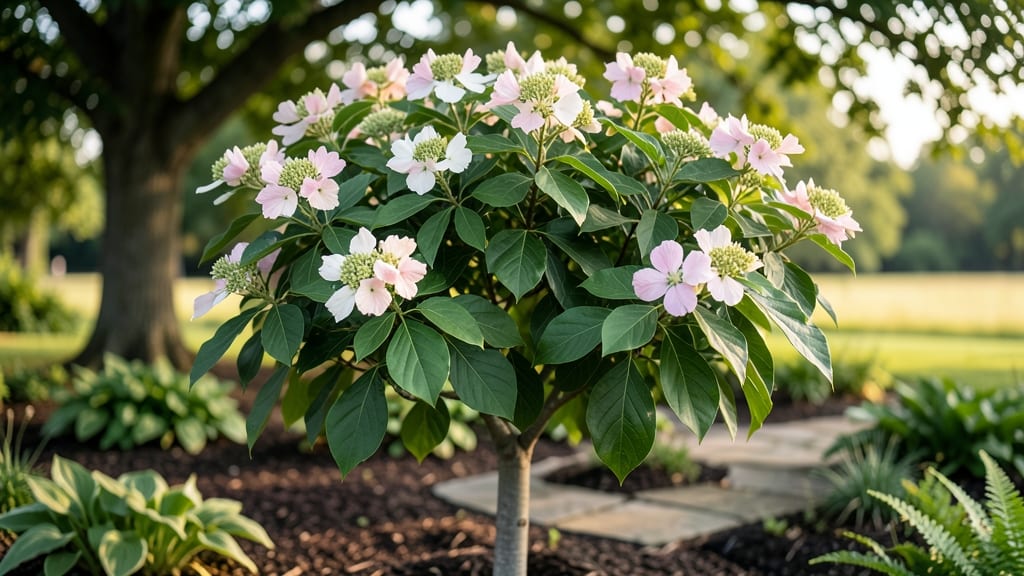
The kousa dogwood tree flower transforms your yard into a living watercolor painting—each bloom a delicate pink masterpiece that lasts for weeks. 🌸 I’ve pruned mine for years, and the secret to those showstopping branches isn’t complicated: it’s timing, precision cuts, and knowing where to look for hidden buds.
Most gardeners overlook the subtle clues that tell you when to trim, which is why their dogwoods end up leggy or sparse.
This tree rewards patience with year-round interest—spring blooms, summer foliage, and winter bark texture. The key is pruning in late winter or early spring before buds swell, removing only dead or crossing branches.
Avoid heavy pruning after flowering, or you’ll sacrifice next year’s blossoms. Even a single misplaced cut can set back your tree’s natural grace for seasons.
What you’ll get is a tree that looks like it belongs in a botanical garden, not just your backyard. Branches spread elegantly, flowers cluster densely, and the four-season beauty makes it the star of any landscape.
The best part? Kousa dogwoods handle pruning mistakes better than most—just don’t wait too long to correct them.
Works for urban yards, woodland edges, or as a standalone specimen. Whether you’re shaping a young tree or rejuvenating an older one, these techniques apply. Let’s get those branches looking like a professional landscaper designed them.
📚 In This Guide
- What you need
- Instructions
- Tips and common mistakes
- Wrapping up and next steps
What you need
- ● Pruning shears: Sharp, bypass pruners (for cuts up to ½ inch thick). (Pro tip: 💡 Sanitize blades with rubbing alcohol to prevent disease spread!)
- ● Loppers: Bypass or anvil type (for branches ½ to 2 inches thick). Look for ergonomic handles for comfort.
- ● Pruning saw: Curved-tooth saw for branches thicker than 2 inches. Carbon steel blades hold up best against sap and resin.
- ● Gloves: Heavy-duty, cut-resistant (e.g., mechanics’ gloves or gardening gloves with reinforced palms).
- ○ Disposable pruning bags: 10-gallon capacity (for collecting debris—optional but handy!).
- ● Rubbing alcohol (70% or higher): Small bottle (for sterilizing tools between cuts).
- ○ Pruning sealant: Optional but recommended for large cuts (e.g., Tanglefoot Tree Wound Pruning Seal).
- ● Weather check: Prune on a dry, cool day (avoid extreme heat or frost). Early morning is ideal! ⏰
- ● Safety gear: Safety glasses (to protect from debris) and closed-toe shoes.
- ● Tree knowledge: Identify your Kousa dogwood’s central leader (main vertical trunk) and scaffold branches (major horizontal limbs).
- ● Cleanup supplies: Trash bags or compost bin for disposing of pruned material.
- ● Step stool or ladder: Sturdy, non-slip (for reaching higher branches safely).
- ● Marking spray: White or pink (to mark branches for removal—great for planning!).
- ● Hand sanitizer: Travel-sized (for post-pruning clean-up).
- ○ Camera or sketchbook: Optional—document your tree’s shape before/after for reference!
Instructions for pruning Kousa dogwood trees
Here’s how I shape these stunning trees for vibrant blooms and strong structure—no guesswork involved.
✂️ Step 1: Time Your Pruning for Optimal Growth
Prune Kousa dogwoods late winter to early spring, just as buds swell but before new growth begins. This timing ensures you remove dead wood while leaving next season’s flower buds intact. I avoid pruning in fall because it risks exposing fresh cuts to winter diseases. If you must prune later, wait until after flowering to prevent cutting off potential blooms.
Watch for dormant buds along branches—these are your guide. Healthy buds appear plump and brownish-red, while shriveled or blackened buds signal winter damage. Prune only when you see at least 50% of buds in good condition, as this indicates the tree’s readiness to regrow.
✂️ Step 2: Remove Dead, Diseased, or Crossing Branches
Start by cutting out dead, broken, or diseased branches at their base using clean, sharp pruners. I disinfect my tools with rubbing alcohol between cuts to prevent spreading pathogens. Look for branches with no green tissue inside when split open or those covered in fungal growth—these must go immediately.
Next, remove crossing or rubbing branches that create wounds. These often appear as two branches growing toward each other, creating friction that weakens the tree. Cut the smaller of the two branches back to a healthy bud or lateral branch. Avoid leaving stubs—always prune back to a clean, outward-facing bud for proper regrowth.
✂️ Step 3: Thin the Canopy for Airflow and Light
Step back and assess the tree’s shape. Kousa dogwoods naturally form a rounded canopy, but over time, branches can become too dense. Selectively remove 10-20% of the oldest or thickest branches to improve airflow and sunlight penetration. Focus on branches that are thicker than a pencil—these are the primary culprits for poor air circulation.
Cut branches back to a strong lateral branch or bud, making the cut at a 45-degree angle just above the bud. Avoid leaving stubs, as they invite disease. You’ll notice the tree’s structure open up immediately—this isn’t just about looks, but also about preventing fungal issues like powdery mildew.
✂️ Step 4: Shape for Balance and Encourage New Growth
Now, refine the tree’s form by pruning to create an open-centered shape. This means removing branches that grow inward or downward to maintain an airy, balanced silhouette. Use hand pruners for branches up to ½ inch thick and loppers for thicker branches. Always cut just outside the branch collar—the swollen area where the branch meets the trunk—to promote faster healing.
For larger branches, make a two-step cut: First, undercut the branch about 6 inches out from the trunk, then cut through from the top. This prevents bark from tearing. After pruning, you’ll see new buds forming along the remaining branches—these will sprout into fresh growth. Water the tree deeply within 24 hours to support recovery.
🌿 Step 5: Clean Up and Monitor for Recovery
Rake up all pruned branches and debris to keep the area clean. I compost the healthy wood chips, but burn or dispose of diseased branches immediately. Apply a 2-3 inch layer of mulch around the base (but not touching the trunk) to retain moisture and suppress weeds. This step is crucial for young trees or those recovering from heavy pruning.
Over the next 4-6 weeks, watch for new growth from the buds you left behind. Healthy regrowth appears as bright green leaves and sturdy stems. If you notice yellowing leaves or slow growth, the tree may need additional nutrients—apply a balanced fertilizer in early spring. Avoid pruning again until next winter, as repeated cuts stress the tree.
Tips & tricks for pruning Kousa dogwood trees
A few strategic moves will help you transform your Kousa dogwood into a flowering masterpiece without stressing the tree.
Timing Secret: The late winter to early spring window is critical because it aligns with the tree's natural dormancy cycle. If you prune too early, you risk exposing fresh cuts to late frosts, while waiting too long means you might accidentally remove next year's flower buds. I always check for the first plump buds—when I see at least half of them in good condition, I know it's time. This visual cue is more reliable than just following a calendar date.
Tool Technique: Never skip disinfecting your pruners between cuts, especially when dealing with diseased branches. I keep rubbing alcohol in a small spray bottle by my work area and give it a quick spray after every 3-4 cuts. This simple step prevents cross-contamination that could spread fungal infections throughout your tree. For larger branches, I use a two-step cutting method—first undercutting about 6 inches from the trunk, then making the final cut from above. This prevents the bark from tearing and gives you better control over the cut.
Canopy Strategy: When thinning the canopy in Step 3, focus on removing branches that are thicker than a pencil—these are the main culprits for poor air circulation. I like to step back every few cuts to visualize the tree's shape. The goal is an open-centered silhouette that allows sunlight to reach all parts of the canopy. Remember, you're not just pruning for aesthetics; you're creating an environment where air can circulate freely, which dramatically reduces the risk of fungal diseases like powdery mildew.
Recovery Wisdom: The 24-hour watering window after pruning is non-negotiable for larger cuts. I always carry a watering can with me when I finish pruning and give the tree a thorough soaking right away. This helps the tree recover faster by replenishing moisture lost during the cutting process. For young trees or those that have undergone heavy pruning, I even add a 2-3 inch layer of mulch around the base (keeping it clear of the trunk) to help retain moisture and provide additional nutrients as it breaks down.
Pro Tips for Kousa Dogwood Tree Flower
- A few strategic moves will help you transform your Kousa dogwood into a flowering masterpiece without stressing the tree.
- Timing Secret: The late winter to early spring window is critical because it aligns with the tree's natural dormancy cycle.
- Tool Technique: Never skip disinfecting your pruners between cuts, especially when dealing with diseased branches.
Frequently asked questions
Got questions about nurturing your Kousa dogwood tree to keep those stunning flowers thriving? Here are some of the most common queries—plus straightforward answers to help you prune with confidence!
When is the best time to prune a Kousa dogwood tree?
The ideal window is late winter or early spring (before buds swell) or immediately after blooming (late spring). Avoid pruning in fall or winter, as cold stress can harm the tree. For heavy shaping, split pruning into two sessions: first in late winter (to remove dead/diseased branches) and second after flowering (to refine form).
How much can I trim back my Kousa dogwood without harming it?
These trees are resilient! You can safely remove up to 25% of the canopy per year without stressing the tree. For mature trees, avoid cutting back more than 1/3 of the branches in a single season. Focus on thinning (removing entire branches) rather than shearing—this encourages airflow and future blooms. Never top the tree; it disrupts the natural shape and flower production.
What should I do if my Kousa dogwood flowers poorly or not at all?
Poor blooming often stems from over-pruning, nutrient deficiencies, or stress. Check for:
- Pruning mistakes: Avoid cutting back old wood (flowers form on last year’s growth).
- Sunlight: Ensure it gets 6+ hours of sun daily—partial shade is okay, but too much shade reduces blooms.
- Soil health: Test for low phosphorus (critical for flowers) and amend with compost or a balanced fertilizer (10-10-10) in early spring.
- Watering: Drought stress can limit flowers—water deeply 1-2x weekly during dry spells.
Are there alternatives to Kousa dogwood for similar flowers?
If you love the Kousa’s pink blooms and glossy foliage but want options, consider:
- Cornus florida (Flowering Dogwood): Classic white/pink flowers, but more cold-sensitive.
- Cornus kousa ‘Milky Way’: A variegated cultivar with creamy edges and abundant blooms.
- Cornus officinalis (Asian Dogwood): Fragrant flowers and edible fruit (great for wildlife).
- Hydrangea macrophylla: Offers big, showy blooms in pink/purple (but prefers shade).
Why are my Kousa dogwood leaves turning yellow or brown?
Yellowing leaves often signal nutrient deficiencies (e.g., iron or nitrogen) or overwatering. Brown edges or crispy leaves usually mean underwatering or drought stress. Check the following:
Symptom
Likely Cause
Solution
Yellow leaves (lower first)
Nitrogen deficiency or overwatering
Apply balanced fertilizer in spring; improve drainage.
Brown, crispy edges
Underwatering or high salt buildup
Water deeply; flush soil with rainwater to reduce salts.
Yellow with green veins
Iron deficiency (chlorosis)
Apply chelated iron or adjust soil pH (aim for 5.0–6.5).
Wrapping up and next steps
The Kousa dogwood tree rewards your care with stunning blooms and elegant branching—proof that patience and precision pay off! 🌸 By mastering the right pruning techniques, you’ll encourage vibrant flowers, stronger growth, and a tree that steals the show year after year.
Ready to take the next step? Grab your tools, dust off your gardening gloves, and give your Kousa dogwood the TLC it deserves!
💡 Pro Tip: Mark your calendar to prune in late winter or early spring—just as new growth begins. A little consistency goes a long way in keeping your tree thriving!