
Flowers
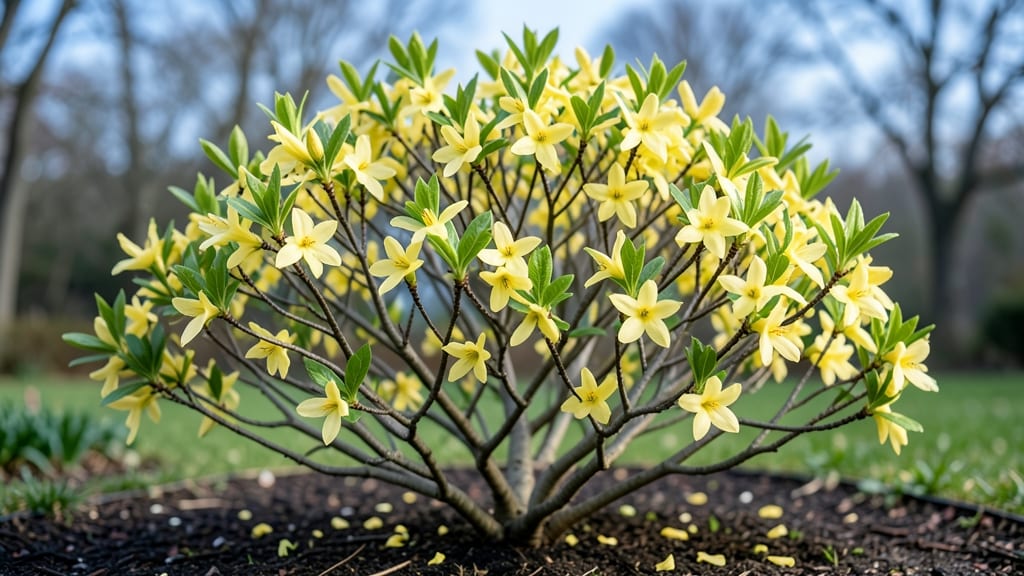
Those white-flowering trees with glossy green leaves—like hawthorn, dogwood, or magnolia—are the quiet stars of spring. 🌸 I’ve grown them from cold-stratified seeds, and the key to reliable blooms starts with matching their native habits: moist, well-drained soil, 6+ hours of sunlight, and winter chilling.
The first year is all about roots; the second brings clusters of white flowers that perfume the air. Most gardeners skip the cold-stratification step, but it’s what triggers germination. Toss seeds in damp sand, refrigerate for 6-8 weeks, then plant in spring.
Prune in late winter to shape the tree and encourage next year’s blooms—just avoid cutting into old wood. These trees handle pests better than most, but watch for scale or aphids on new growth.
By summer, you’ll have deep green foliage that stays vibrant until frost, with flowers returning every spring. They’re perfect for borders, specimen planting, or even small yards—they’re tougher than they look. Here’s how to keep them thriving year after year.
The real magic happens in late winter, when buds swell before blooming. If your tree skips flowers, it might need more sunlight or a deeper root system. Amend clay soil with compost, and mulch to retain moisture—these trees hate soggy roots.
For pests, a strong spray of water usually clears aphids, but neem oil works for stubborn infestations.
Design tip: Pair them with blue or purple perennials to make those white flowers pop. Dogwoods, especially, love dappled shade, while crabapples thrive in full sun. Plant them where you’ll see them from a window—they’re the kind of tree that makes neighbors stop and stare.
Understanding Leaf and Bloom Changes
When your tree sports lush green leaves but produces only white flowers—without the vibrant hues or expected fruit—it’s often a sign of underlying biological or environmental factors. Let’s break down the why behind this phenomenon, so you can diagnose and address it effectively.
White flowers on a tree with green leaves can signal a nutrient deficiency or excess, particularly nitrogen or phosphorus imbalances.
- Nitrogen Overload: Too much nitrogen promotes leafy growth (green foliage) but stunts flowering.
This happens when: - You over-fertilize with high-nitrogen fertilizers (e.g., lawn fertilizers). - The soil is naturally rich in organic matter (like compost or manure) without balancing it with phosphorus and potassium. - Fix: Conduct a soil test and switch to a balanced fertilizer (e.g., 10-10-10 or 5-10-5 NPK ratio).
Reduce nitrogen-heavy amendments like grass clippings or raw manure.
- Phosphorus Deficiency: Phosphorus is critical for flower and fruit development.
If the soil lacks it, the tree may produce leaves but few or no flowers. - Signs: Dark green leaves with purple stems or undersides. - Fix: Apply bone meal, rock phosphate, or a phosphorus-rich fertilizer (e.g., 5-10-5).
Work it into the soil 6–8 inches deep where roots are active.
- Micronutrient Deficiencies: Zinc, magnesium, or boron deficiencies can also disrupt flowering.
- Example: Zinc deficiency causes white or yellow spots on leaves and poor flower formation.
- Fix: Use chelated micronutrients or foliar sprays (e.g., Epsom salt for magnesium, zinc sulfate for zinc).
White flowers (or a lack of color) can also stem from environmental stressors like temperature extremes or insufficient light.
- Insufficient Light:
- Trees need 6–8 hours of direct sunlight daily to trigger flowering. Shady conditions lead to all-leaf, no-flower growth.
- Fix: Prune nearby trees/shrubs to improve light exposure. If potted, move the tree to a sunnier spot.
- Temperature Fluctuations:
- Some trees (like crabapples, dogwoods, or magnolias) require cold stratification—a period of cold temps—to bloom properly.
- Example: If winters are too mild, the tree may skip flowering or produce pale, underdeveloped blooms.
- Fix: If your region lacks cold winters, simulate stratification by placing seeds/roots in a fridge (32–40°F) for 4–8 weeks before planting.
- Heat Stress:
- Extreme heat (above 90°F for prolonged periods) can bleach petals or prevent flowering altogether.
- Fix: Provide afternoon shade with sheer curtains or mulch the root zone to keep soil cool.
Pests and pathogens can divert the tree’s energy from flowering to survival, leading to green leaves but weak or white blooms.
- Aphids, Spider Mites, or Scale Insects:
- These sap-suckers weaken the tree, reducing flower production.
- Signs: Sticky residue (honeydew), curled leaves, or white webbing.
- Fix: Spray with neem oil or insecticidal soap. Introduce ladybugs or lacewings for natural control.
- Fungal Infections (e.g., Powdery Mildew):
- Fungi like powdery mildew can cause white, powdery growth on leaves, confusing it with flowers.
- Signs: White fungal coating (especially on undersides of leaves).
- Fix: Apply baking soda spray (1 tsp baking soda + 1 quart water + a drop of soap) or copper fungicide.
- Root Rot or Soil-Borne Pathogens:
- Overwatering or poor drainage leads to root rot, starving the tree of nutrients needed for flowers.
- Fix: Improve drainage with gravel or sand, reduce watering, and treat with mycorrhizal fungi to boost root health.
Not all trees are created equal—some naturally produce white flowers or prioritize foliage over blooms.
- Species-Specific Traits:
- Trees like dogwood, pear, or some cherry varieties are known for white flowers as their natural color.
- Action: Research your tree’s cultivar—some are bred for foliage over flowers (e.g., ‘Emerald Gaiety’ pear tree).
- Age-Related Flowering:
- Young trees often focus on growth before flowering. It can take 3–10 years for a tree to mature enough to bloom reliably.
- Fix: Be patient! Provide optimal care (water, light, soil) to encourage faster maturation.
- Pollination Issues:
- Some trees (like apples or pears) need cross-pollination from another variety to set fruit/flowers.
- Fix: Plant a compatible pollinator variety within 50–100 feet of your tree.
Pro Tip 💡: Keep a gardening journal to track soil tests, weather patterns, and pest outbreaks. This helps pinpoint exact causes of white flowers or poor blooming year over year!
Revive And Prevent Leaf Troubles
When your tree sports vibrant green leaves but struggles with white flowers—or fails to bloom at all—it’s often a sign of underlying stress. The good news? Most issues have simple fixes, and a few proactive steps can keep your tree thriving for years.
Below, we break down the most common causes and pair them with practical solutions, including prevention tips to avoid future headaches.
1. Insufficient sunlight ➡️ relocate or prune
Problem: Many flowering trees (like dogwoods, magnolias, or crabapples) need full sun to partial shade (6+ hours of direct light) to trigger blooming. Too little sunlight = fewer (or no) flowers.
Solution:
- Move potted trees to a sunnier spot immediately. If planted in the ground, consider transplanting to a brighter area during dormancy (late fall or early spring).
- Thin out dense foliage with pruning shears to improve airflow and light penetration. Focus on removing crossing branches or those shading the center.
- Use reflective surfaces (like white walls or mirrors) to bounce extra light onto shaded areas.
💡 Pro Tip: If your tree is young, avoid heavy pruning—it can stress the plant further. Instead, lightly shape it to encourage sunlight exposure.
2. Overwatering or poor drainage ➡️ adjust watering habits
Problem: Soggy roots from overwatering or compacted soil can suffocate roots, starving the tree of nutrients needed for flowering. White flowers may appear weak or drop prematurely.
Solution:
- Check soil moisture before watering: Stick your finger 2–3 inches deep—if it’s damp, wait. If dry, water deeply until it drains from the bottom of the pot (for container trees).
- Improve drainage by:
- Adding perlite or sand to heavy clay soil.
- Planting in raised beds if your yard has poor drainage.
- Using well-draining pots with drainage holes.
- Water at the base, not the leaves, to prevent fungal diseases that can stress the tree.
🌡️ Watch Out: Yellowing leaves + mushy stems = root rot. If severe, repot in fresh, dry soil or consult a local nursery for fungal treatments.
3. Nutrient deficiencies ➡️ fertilize smartly
Problem: Trees need phosphorus and potassium (key for flowering) but often lack them due to poor soil. White flowers may appear small, sparse, or fail to open.
Solution:
- Test your soil (kits are cheap and available at garden centers). Aim for a balanced fertilizer (e.g., 10-10-10 or 5-10-5 ratio) in early spring before new growth starts.
- Use organic options like:
- Bone meal (high in phosphorus for roots/flowers).
- Compost or worm castings (slow-release nutrients).
- Banana peels (bury chopped peels near roots for potassium).
- Avoid over-fertilizing—too much nitrogen = lush leaves but no flowers.
✨ Bonus Hack: For container trees, flush the soil with water every 2–3 months to prevent salt buildup from fertilizers.
4. Wrong pruning time ➡️ trim strategically
Problem: Pruning at the wrong time (e.g., mid-summer) can remove next year’s flower buds. Many trees (like lilacs or cherry blossoms) set buds in late summer/fall.
Solution:
- Prune immediately after flowering (for spring bloomers) or late winter/early spring (for summer bloomers).
- Avoid heavy cuts—remove only dead, diseased, or crossing branches (no more than 25% of the canopy).
- Shape gradually over 2–3 years to avoid shocking the tree.
🔪 Tool Tip: Use clean, sharp pruners to prevent tearing bark, which invites pests.
5. Pest or disease stress ➡️ inspect and treat
Problem: Aphids, spider mites, or fungal infections (like powdery mildew) sap energy from your tree, leading to weak or absent flowers.
Solution:
- Spot-check leaves for:
- Sticky residue (aphids).
- White webbing (spider mites).
- Powdery white coating (mildew).
- Treat gently:
- Neem oil spray (organic, kills pests without harming the tree).
- Horticultural oil (for mites; apply in early spring).
- Remove heavily infested leaves and dispose of them.
- Improve airflow by spacing plants properly to deter fungal growth.
🐞 Early Action: Act at the first sign of pests—waiting lets them spread.
Keep your tree blooming reliably with these easy maintenance habits:
| Task | When to Do It | How to Do It |
|---|---|---|
| Soil Test | Every 2–3 years | Use a DIY kit or send to a lab. |
| Mulch Refresh | Spring & fall | Add 2–3 inches of wood chips (keep 6" away from the trunk). |
| Deep Watering | Once a week (drought) | Water slowly until soil is moist 6" deep. |
| Fertilizer Boost | Early spring | Use a slow-release granular fertilizer. |
| Pruning Audit | Late winter/early spring | Remove deadwood and suckers only. |
| Pest Patrol | Weekly in growing season | Shake leaves over a bucket of soapy water. |
Final Thought: Most flowering trees are forgiving—with the right care, they’ll bounce back. Start with one fix (like sunlight or water), monitor for 2–3 weeks, then adjust. Before you know it, you’ll have a tree bursting with white blooms against those lush green leaves! 🌸💚
Frequently asked questions
What are the most common trees with green leaves and white flowers?
Popular options include dogwood (with its iconic four-petaled blooms), magnolia (large, fragrant flowers), hawthorn (clustered white blossoms), and crabapple (smaller flowers with vibrant fall color). Each has distinct leaf shapes—dogwoods have oval leaves, while magnolias feature glossy, leathery foliage.
How do I know if my tree needs more sunlight?
Check for pale or sparse foliage and fewer flowers—signs it’s not getting enough light. Most white-flowering trees need 6+ hours of sun daily. Try moving potted trees or pruning nearby shade sources. If the tree is young, gradual exposure helps prevent stress.
Why do some white flowers look weak or fail to open?
This often signals nutrient deficiencies (like phosphorus) or overwatering. Test your soil and adjust with a balanced fertilizer (e.g., 10-10-10). Avoid soggy roots—ensure pots have drainage holes or amend clay soil with sand. Weak blooms can also mean the tree is too young (3–5 years for reliable flowering).
Can I grow these trees in containers?
Yes! Dwarf varieties like ‘Emerald Gaiety’ pear or ‘Royal Purple’ smokebush thrive in containers. Use a well-draining potting mix and a pot 2–3 times wider than the root ball. Move containers to bright, sheltered spots in winter if temps drop below 20°F.
How do I prevent pests like aphids from ruining my flowers?
Start with regular inspections—check undersides of leaves for sticky residue (aphid honeydew). Spray with neem oil or insecticidal soap at the first sign. Introduce ladybugs or lacewings for natural control. Keep the area clean by removing fallen leaves where pests hide.