
Container Gardens
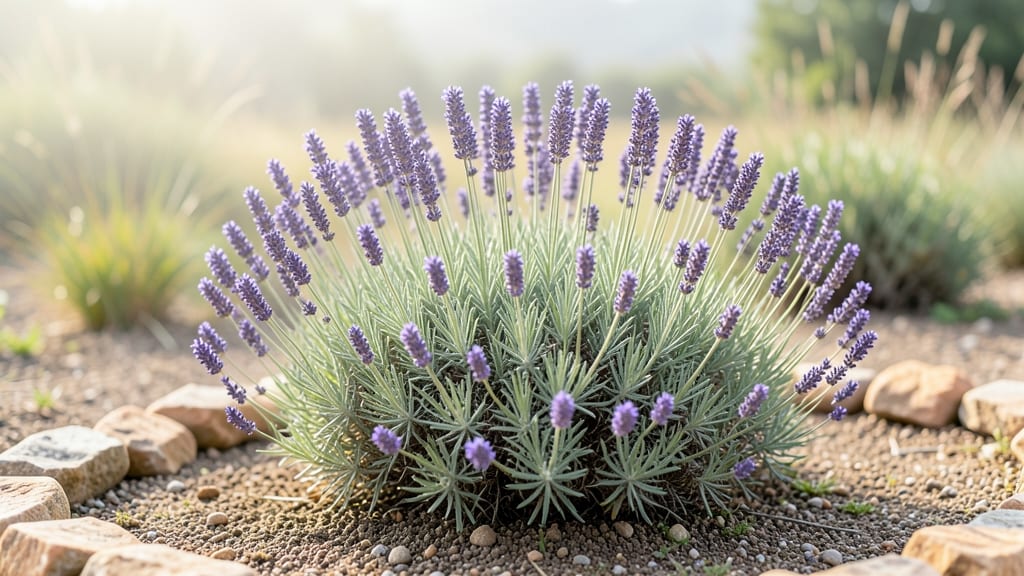
A lavender tree potted in your garden isn’t just possible—it’s a game-changer for fragrance and structure. 🌿 I’ve grown these woody lavenders for years, and they’ve never failed to deliver that signature scent while staying compact enough for containers. The key?
Matching their Mediterranean roots with the right soil, sunlight, and watering routine. Most people overwater or use the wrong soil, which leads to leggy, sparse growth. You’ll need well-draining potting mix (think cactus/succulent blend) and a pot with drainage holes—terracotta works best.
Place it in full sun (at least 6 hours daily) and water only when the top inch of soil feels dry. Prune lightly after flowering to encourage bushiness, and avoid heavy trims in late summer.
By late summer, your potted lavender will be bursting with silvery foliage and fragrant blooms, smelling like a Provençal garden. The best part? It thrives in containers for years, making it perfect for patios, balconies, or even as a fragrant hedge.
Just avoid overcrowding—give it room to grow. For long-term success, repot every 2-3 years to refresh the soil, and watch for pests like spider mites. With the right care, your potted lavender tree will reward you with years of fragrance and beauty—no green thumb required. Let’s get yours growing!
📚 In This Guide
- What you need
- Instructions
- Tips and common mistakes
- Wrapping up and next steps
What you need
- ● Potted Lavender Tree: 1 young Lavandula tree (preferably Lavandula angustifolia or Lavandula x intermedia for potted growth)
- ● Size: 1–3 gallons container (for small varieties) or 5+ gallons (for larger, mature trees)
- ● Container: 1 durable pot with drainage holes (terracotta, ceramic, or fabric grow bags)
- ● Size: At least 12–18 inches deep and wide (bigger pots = longer lifespan)
- ● Well-Draining Soil: 1 bag of cactus/succulent mix or potting soil amended with perlite/sand (50/50 ratio)
- ○ Optional: Compost (10% max to avoid moisture retention)
- ● Drainage Layer: 1–2 inches of gravel, pebbles, or broken pottery (for extra drainage)
- ● Gardening Gloves (to protect hands from sharp stems)
- ● Trowel or Small Shovel (for planting and soil adjustments)
- ● Watering Can or Hose with Gentle Nozzle (lavender hates soggy roots!)
- ● Pruning Shears (sharp, clean pair for shaping and maintenance)
- ● Sunlight Spot: Full sun (6+ hours daily) or bright indirect light (for indoor pots)
- ○ Optional Extras: Slow-release granular fertilizer (low-nitrogen, high-phosphorus for blooms)
- ● Mulch (gravel or decorative stones to retain heat and deter weeds)
- ● Pest control spray (neem oil or insecticidal soap, if needed)
Step-by-Step guide to growing a lavender tree in containers
Here's how to cultivate a fragrant, manageable lavender tree that thrives in pots while keeping its height in check.
🪴 Step 1: Select the Right Container and Drainage System
Choose a wide, shallow pot with multiple drainage holes—lavender roots hate soggy conditions. I prefer unglazed terra cotta because it breathes and prevents root rot. For a 4-foot-tall lavender tree, a 16-inch diameter pot with 6-8 inches depth works perfectly. If using a decorative pot without drainage, nestle it inside a saucer with gravel to catch excess water.
Lavender thrives in well-draining soil, so add a 2-inch layer of gravel or perlite at the bottom before filling with cactus/succulent mix. This ensures water flows freely and prevents compacted roots. Tap the pot gently after filling to settle the soil without compacting it—you want a light, airy texture that mimics its Mediterranean native environment.
🌱 Step 2: Plant and Prune for Height Control
Plant your bare-root lavender tree or container-grown specimen in early spring when new growth begins. Dig a hole twice as wide as the root ball but only as deep—lavender roots shouldn’t be buried too deeply. Gently loosen the roots if they’re circling, then place the plant in the center of the pot. Fill around the base with additional cactus mix, pressing lightly to eliminate air pockets.
Here’s the key to height control: prune immediately after planting. Cut back one-third of the current year’s growth to encourage bushier, denser growth. Use clean, sharp pruners and make cuts just above a leaf node (the bump where leaves grow). This ensures new branches sprout from the base, creating a fuller, more compact tree. Avoid heavy pruning in fall—it stimulates tender new growth that won’t survive winter.
☀️ Step 3: Position for Sun and Water Sparingly
Lavender demands full sun—at least 6-8 hours daily—to thrive. Place your pot in a south-facing spot or under bright artificial grow lights if indoors. Without enough light, stems stretch and flowers become sparse. You’ll know it’s getting enough sun when leaves stay silvery-green and new growth is vibrant. If leaves turn yellow or drop, it’s a sign of overwatering or insufficient light.
Water only when the top 2 inches of soil feel completely dry. Lavender is drought-tolerant—underwatering is better than overwatering. In summer, this might mean watering every 7-10 days, while winter care may require only monthly watering. Always water at the base, avoiding wetting the foliage to prevent fungal diseases. After watering, let excess drain completely—never let the pot sit in saucer water for more than an hour.
✂️ Step 4: Prune Seasonally for Shape and Fragrance
Prune twice a year to maintain height and encourage blooms: once right after flowering (late summer) and again in early spring before new growth starts. In late summer, cut back spent flower stalks to just above the next set of leaves. This prevents the plant from seeding and redirects energy into next year’s buds. In spring, trim any leggy or woody stems to shape the tree and promote denser foliage. Always prune just above a leaf node to stimulate branching.
Here’s a pro tip: harvest lavender stems for bouquets or sachets by cutting just above a leaf node in the morning when oils are most potent. This encourages more blooms and keeps the tree compact. After each pruning, rinse your tools with rubbing alcohol to prevent the spread of disease between cuts. If your lavender starts looking woody or bare at the base, it’s time for a rejuvenation prune—cut back one-third of the oldest stems to stimulate new growth from the bottom.
Tips & tricks for perfect potted lavender trees
Here's what nobody tells you about keeping your lavender lush and contained—these are the secrets to a thriving, fragrant container plant.
Container Selection Wisdom: While the instructions recommend a 16-inch diameter pot for a 4-foot lavender tree, I've found that adding 2-3 inches of extra width (like an 18-inch pot) gives roots more room to spread without becoming root-bound too quickly. This extra space prevents the plant from becoming pot-bound, which can stunt growth and reduce flowering. For smaller varieties, a 12-inch pot works perfectly—just reduce the gravel layer to 1.5 inches to maintain proper drainage proportions.
The Pruning Precision: When pruning that one-third of current growth after planting (Step 2), focus on removing the longest, leggiest stems first. These are the ones that would grow tallest and make your tree top-heavy. Make your cuts at a 45-degree angle just above a leaf node—this creates a larger surface area for new growth to emerge. I've seen lavender trees grow back with three new branches from a single well-placed cut, completely transforming the shape in just one season.
Sunlight Strategy: The 6-8 hours of daily sun requirement is non-negotiable, but here's how to maximize it: Position your pot on a rolling plant stand if needed to rotate it toward the sun as it moves across the sky. In urban areas with limited sunlight, supplement with LED grow lights (not incandescent) for 4-6 hours daily. Watch for pale or elongated stems—this is your plant's way of saying "I need more light!"—and adjust immediately to prevent woody growth that's difficult to prune later.
Watering Watch: The "top 2 inches dry" rule is perfect, but here's how to check it like a pro: Stick your finger 1.5 inches deep—if it feels cool and dry, it's time to water. In summer, I water in the morning to prevent evaporation, and I never water after sunset—this helps prevent fungal issues. For winter care, I reduce watering to every 3-4 weeks unless the pot is in a heated space, as lavender goes semi-dormant in cooler months.
Pro Tips for Lavender Tree Potted
- Here's what nobody tells you about keeping your lavender lush and contained—these are the secrets to a thriving, fragrant container plant.
- This extra space prevents the plant from becoming pot-bound, which can stunt growth and reduce flowering.
- The Pruning Precision: When pruning that one-third of current growth after planting (Step 2), focus on removing the longest, leggiest stems first.
Frequently asked questions
about potted lavender trees—because growing fragrant height in containers comes with its own set of curious moments! Here’s what you need to know:Can I grow a lavender tree in a small pot, or does it need a large container?
A lavender tree thrives in well-draining pots with at least 12–18 inches of depth and width. Smaller pots work for dwarf varieties (like Lavandula angustifolia ‘Hidcote’), but larger containers (18+ inches) support bigger types (e.g., Lavandula x intermedia ‘Grosso’) and prevent root-bound stress. Pro tip: Add perlite or pumice to the soil mix to mimic rocky Mediterranean conditions!
How often should I water my potted lavender tree?
Overwatering is the #1 killer of potted lavender! Let the top 1–2 inches of soil dry out completely between waterings—usually every 7–10 days in summer (daily checks in heatwaves). In winter, reduce watering to once every 3–4 weeks. Test the soil: Stick your finger in—if it’s damp, wait!
Will my potted lavender tree survive winter outdoors?
Most lavender trees are hardy to USDA Zones 5–9, but potted plants need extra protection. Move them to a sheltered spot (like a garage or under eaves) before temps drop below 20°F (-7°C). If you can’t relocate, wrap the pot in burlap and mulch the soil with straw. Bonus: Prune lightly in early spring to encourage bushier growth!
How and when should I prune my potted lavender tree?
Prune after flowering (late summer/early fall) to shape the plant and encourage dense growth. Use clean shears to trim back 1/3 of the current year’s growth, avoiding woody stems. Skip spring pruning! New growth emerges in spring—cutting then delays blooms. For container-grown lavender, never prune into old wood (it won’t regrow).
What can I do if my lavender tree looks leggy or sparse?
Leggy lavender often signals too much shade or overcrowded roots. Move your pot to full sun (6+ hours daily) and check for root-bound conditions—gently loosen roots if pot-bound. Feed with a low-nitrogen fertilizer (like 5-10-10) in early spring. Revitalize tip: Pinch back tips in early summer to promote branching!
Are potted lavender trees prone to pests or diseases?
Lavender is generally pest-resistant, but watch for aphids, spider mites, or whitefly in dry conditions. Treat with neem oil or insecticidal soap. Root rot from overwatering is the main disease risk—ensure pots have drainage holes and avoid soggy soil. Preventative care: Space plants for airflow and avoid wetting foliage when watering!
Wrapping up and next steps
Growing a lavender tree in a potted container is a rewarding way to enjoy its fragrant beauty while keeping its height in check—perfect for small spaces, patios, or even sunny balconies! 🌿 With the right soil mix, pruning techniques, and care routine, you’ll create a thriving, aromatic centerpiece that’s as easy to manage as it is stunning.
Whether you’re a beginner or a seasoned gardener, this fragrant journey is well worth the effort.
Ready to transform your space? Start small—pick your pot, gather supplies, and plant your lavender today! Then, watch your little tree grow into a scented masterpiece that brings joy (and relaxation) with every sniff. Happy gardening! 🌸