
Trees
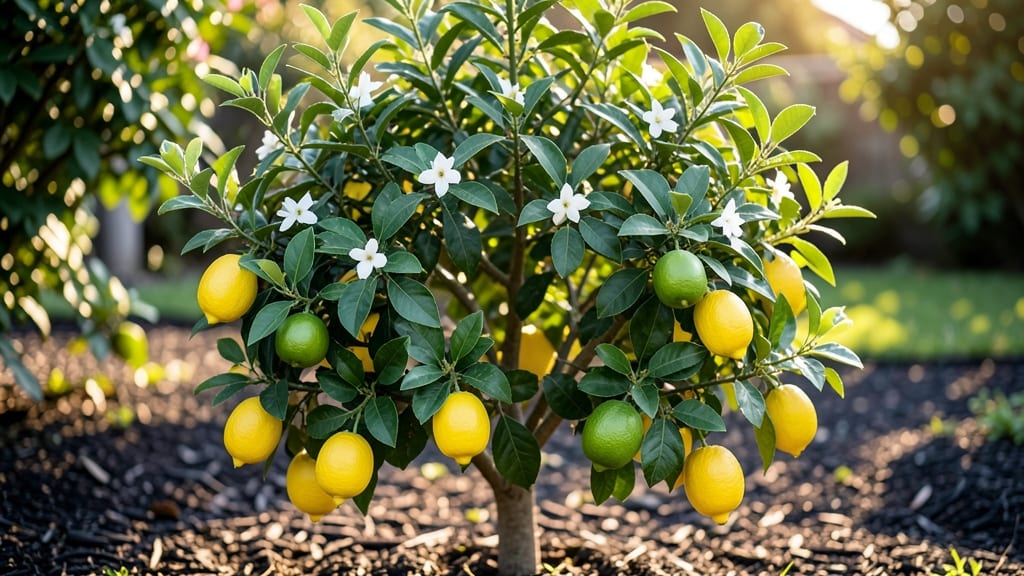
Those leaves can identify your citrus tree with thorns—whether it’s a lemon, lime, or a rare hybrid—and the details are hiding in plain sight. 🌿 I’ve spent years studying citrus varieties, and the tiny serrations or glossy surfaces can tell you exactly what you’re dealing with before you even see the fruit.
Start with leaf shape: lemon leaves are oval with a slight point, while lime leaves are narrower and more elongated. Orange trees often have broader, slightly rounded leaves, and kumquats pack a punch with thick, leathery foliage.
Don’t forget the thorns—long, sharp ones often mean a true citrus hybrid, while shorter ones might signal a more common variety like Meyer lemon.
Once you’ve matched the leaf shape, check the color and texture: glossy, dark green leaves usually mean mature trees, while lighter, softer leaves could signal a young plant or a different cultivar. The arrangement matters too—alternate leaves are classic citrus, while clustered leaves might hint at a grafted tree.
This quick guide cuts through the guesswork so you can identify your tree in minutes—no botanist degree required. Grab a magnifying glass and let’s decode your citrus mystery!
Root Causes Behind Thorny Citrus Leaves
Citrus trees with thorns aren’t just a quirky oddity—they’re often a response to environmental stress, genetic traits, or even human intervention. Understanding why these thorns appear helps gardeners take corrective action before the tree’s health declines.
Below, we break down the key triggers behind this puzzling trait, backed by science and actionable insights.
Some citrus varieties are hardwired to produce thorns as a natural defense mechanism. Thorns evolved to deter herbivores—think deer, rabbits, or even pesky insects—from feasting on tender leaves and bark.
While most common citrus trees like lemon, lime, and orange are thorn-free, certain hybrids or wild relatives (such as Citrus halimii or Poncirus trifoliata, aka trifoliate orange) are notorious for their spiky armor.
Why it matters: If your citrus tree has thorns, it might be a grafted hybrid where the rootstock (often thorny trifoliate orange) dominates the scion (the edible citrus top). This is common in commercial groves for disease resistance but can confuse home gardeners.
💡 Pro Tip: Check your tree’s label or consult a local nursery to confirm the rootstock. If thorns are genetic, they’re not reversible—but you can still manage them (more on that later!).
Thorns aren’t just genetic; they’re also a stress response. When citrus trees face harsh conditions, they ramp up production of prickles (small, sharp outgrowths) or true thorns as a last-ditch survival tactic. Common triggers include:
- 🔥 Extreme Heat or Drought: Water scarcity forces trees to allocate energy to protective structures over fruit or leaf production. Thorns act like tiny sentinels, conserving moisture while warning off thirsty pests.
- ❄️ Cold Stress: Frost or sudden temperature drops can damage cell walls, prompting the tree to grow thorns as a protective barrier against future cold snaps.
- 🌪️ Wind or Physical Damage: High winds or hail can tear leaves and bark, signaling the tree to fortify itself with thorns to prevent further injury.
- 🌿 Poor Soil or Nutrient Deficiencies: Lack of nitrogen, phosphorus, or micronutrients (like zinc or iron) weakens the tree, making it more vulnerable. Thorns become a low-energy way to "arm" itself.
📊 Scientific Deep Dive: Thorns are a form of pleisiomorphic trait—an ancestral characteristic that resurfaces under stress. In citrus, this is linked to elevated levels of ethylene and jasmonic acid, hormones that trigger defensive growth when the tree senses danger.
✨ Actionable Fix: Mitigate stress by:
- Improving soil with compost or organic matter.
- Mulching to retain moisture and regulate temperature.
- Avoiding over-pruning, which can expose the tree to more stress.
When pests like aphids, scale insects, or citrus leaf miners attack, your tree might respond by growing thorns as a physical deterrent. Similarly, fungal infections (e.g., citrus greening or root rot) weaken the tree, prompting it to redirect energy toward defensive structures.
Key Signs Your Tree Is Under Siege:
- Sticky residue (honeydew) on leaves or fruit.
- Yellowing or curling leaves.
- Black sooty mold growing on sap.
- Wilting or stunted growth.
🔥 Why This Happens: Pests trigger the tree’s systemic acquired resistance (SAR), a plant immune response that includes thorn production. The tree essentially says, “If I can’t fight them off, I’ll make my branches too spiky to climb!”
👨🍳 What to Do:
- Inspect leaves weekly for pests (use a magnifying glass if needed).
- Apply neem oil or insecticidal soap for mild infestations.
- Introduce beneficial insects like ladybugs or lacewings.
- Prune and destroy heavily infested branches outside your yard.
Sometimes, we accidentally trigger thorny growth. Here’s how:
- 🔪 Over-Pruning or Poor Technique: Aggressive pruning—especially cutting into older wood—can stimulate thorn production. Trees interpret deep cuts as “damage” and respond by growing protective spines.
- 🌱 Grafting Mismatches: If your citrus tree was grafted onto a thorny rootstock (common for cold-hardy varieties), the rootstock’s genes may dominate, causing thorns to sprout even on the scion (the top part you eat).
- 💧 Overwatering or Poor Drainage: While drought triggers thorns, excess water can also stress roots, leading to compensatory thorn growth as the tree “hardens” its structure.
💡 Pro Tip: If thorns appeared after you pruned or repotted, revisit your technique. Use clean, sharp shears and always cut at a 45-degree angle just above a leaf node to minimize stress.
By pinpointing the cause—whether genetic, environmental, pest-related, or human-induced—you can target the real issue and help your citrus tree thrive without the unwanted armor. Next up: How to Manage Thorny Citrus Trees.
Fixing Thorny Citrus Trees Naturally
Citrus trees with thorns can be a nuisance, especially if you’re aiming for a thorn-free harvest or a safer garden space. The good news? Most thorny issues are manageable with the right approach.
Below, we’ll break down practical solutions for common causes—whether it’s genetics, stress, or poor care—along with prevention tips to keep your citrus tree healthy and (relatively) thorn-free.
If your citrus tree has thorns due to its variety (like trifoliate orange or citrange hybrids), you can’t eliminate them entirely—but you can reduce their impact.
How to Fix It:
- Prune aggressively during dormancy (late winter/early spring) to remove thorny branches. Use sharp, clean pruners to avoid damaging the tree.
- Target water sprouts (fast-growing, thorny shoots) as they appear—these are prime thorn producers.
- Train young trees by pruning early to encourage a stronger, less thorny structure.
Prevention Tip: 💡 If you’re planting new citrus, opt for thornless varieties like Meyer lemon or Calamondin orange—though no citrus is completely thorn-free!
Environmental stress (drought, poor soil, or extreme temps) can trigger thorny growth. A healthier tree = fewer thorns.
How to Fix It:
- Water deeply but infrequently—citrus trees hate soggy roots but need consistent moisture. Aim for 1–1.5 inches per week (more in extreme heat).
- Improve drainage by amending heavy soil with compost or perlite to prevent root rot.
- Fertilize properly—use a balanced citrus fertilizer (like 6-6-6) in early spring and again in mid-summer. Avoid over-fertilizing with nitrogen, which can weaken the tree.
Prevention Tip: 🌡️ Mulch around the base (2–3 inches of wood chips) to retain moisture and regulate soil temp—this reduces stress-related thorn growth.
Pests like aphids, scale, or citrus leaf miners can stress your tree, leading to thorny regrowth. Act fast to protect your tree.
How to Fix It:
- Inspect leaves regularly—look for sticky residue (aphids), white fluffy spots (scale), or chewed foliage (leaf miners).
- Spray with neem oil (a natural pesticide) or insecticidal soap for mild infestations. For severe cases, use systemic pesticides (like imidacloprid) as a last resort.
- Encourage beneficial insects (ladybugs, lacewings) by planting marigolds or dill nearby.
Prevention Tip: ✨ Keep your garden clean—remove fallen leaves/debris where pests hide, and quarantine new plants for a few weeks before introducing them.
If your citrus tree is fighting for space (or nutrients) with other plants, it may produce thorns as a defense mechanism.
How to Fix It:
- Remove competing plants within 6–8 feet of your citrus tree—citrus needs full sun (6+ hours/day) and space to thrive.
- Prune neighboring branches that shade your tree, as low light can weaken it.
- Avoid planting citrus near deep-rooted trees (like oaks or pines), which steal water and nutrients.
Prevention Tip: 🎯 Space new citrus trees 15–20 feet apart if planting multiple—this gives them room to grow without stress.
Older citrus trees often develop thicker, thornier branches as they mature. While you can’t reverse aging, you can slow it down.
How to Fix It:
- Renewal pruning: Cut back 1/3 of the oldest branches in stages over 2–3 years to encourage new, less thorny growth.
- Apply a rejuvenation fertilizer (high in potassium and phosphorus) to support root and branch health.
- Consider grafting—if your tree is severely thorny, you can graft a thornless scion onto it (best done by a professional).
Prevention Tip: 🔥 Start pruning young—regular light pruning (every 6–12 months) keeps branches manageable and reduces thorn density over time.
Final Thought: While you can’t eliminate thorns entirely in most citrus varieties, consistent care, proper pruning, and stress reduction will keep them under control. Happy gardening! 🍊🌿
Frequently asked questions
Why do some citrus trees have thorns while others don’t?
Thorns appear in citrus trees due to genetics or stress responses. Varieties like trifoliate orange or citrange hybrids are naturally thorny, while common types (lemon, lime) usually stay thorn-free. Environmental stressors like drought, poor soil, or pests can also trigger thorn production as a defensive mechanism.
Can I safely eat fruit from a thorny citrus tree?
Thorns don’t affect fruit safety—they’re a branch characteristic. The fruit’s edibility depends on the tree’s variety (e.g., sweet or sour oranges). Just avoid thorny branches when harvesting to prevent scratches.
How can I tell if my thorny citrus tree is healthy?
Healthy citrus trees show glossy, vibrant green leaves (not yellowing or spotted) and produce fruit regularly. Check for pests (aphids, scale) and ensure the bark isn’t cracked or peeling. Thorns alone don’t indicate poor health—they’re often a normal trait.
Will pruning remove thorns permanently?
No, but regular pruning reduces thorn density. Focus on removing thorny branches during dormancy (winter) and target water sprouts (fast-growing, thorny shoots). For genetic thorniness, pruning helps manage growth but won’t eliminate thorns entirely.
Are thorns a sign of disease in citrus trees?
Not usually—thorns are rarely a disease symptom. However, if thorns appear suddenly with other issues (yellow leaves, wilting, or fruit drop), check for pests (like citrus greening) or root rot. Thorns alone typically mean genetics or stress, not disease.