
Trees
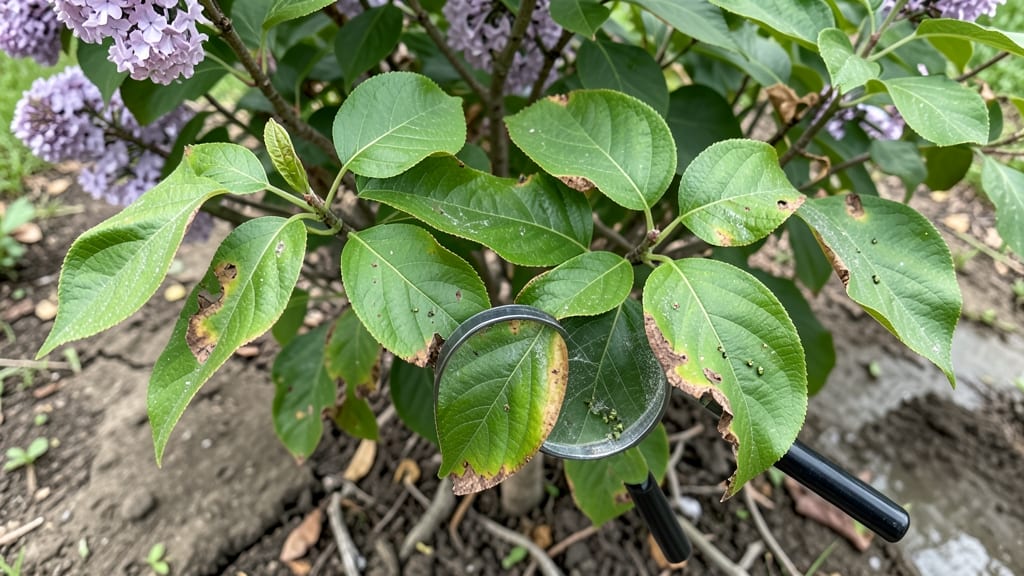
When your lilac tree leaves turn brown, it’s not just an eyesore—it’s a cry for help from your plant. 🌿 I’ve seen this happen after a brutal summer drought and after winter’s icy grip, and the fixes are simpler than you’d think.
The key is spotting the right clues: Are the edges crispy, or is the brown spreading from the center? That tells you exactly what your lilac needs.
Most of the time, brown leaves mean one of three things: too much sun, not enough water, or a fungal infection hiding in plain sight.
My lilacs turned crispy last summer because I forgot to water them during a heatwave—until I adjusted to deep watering twice a week, the new growth stayed lush and green. The fix isn’t always dramatic; sometimes it’s just paying closer attention to what your tree’s telling you.
You’ll diagnose the problem by checking the leaf pattern: yellowing between veins? That’s likely iron deficiency. Black spots with yellow halos? Fungal leaf spot, and it spreads fast.
The good news is that once you know the cause, the solution is straightforward—whether it’s adjusting your watering, pruning for better airflow, or applying the right fungicide at the right time.
Prevention starts with healthy soil and smart pruning. I’ve kept my lilacs thriving for years by mulching in spring, watering deeply but infrequently, and cutting back dead branches before they become a breeding ground for pests.
With these small adjustments, your lilac will bounce back—and next season, you’ll recognize the early warning signs before they become a problem.
Root Causes Behind Browning Leaves
When your lilac tree’s leaves start turning brown, it’s often a cry for help from the plant itself. Understanding the why behind this discoloration is the first step to reviving your tree’s health. Below, we break down the most common—and sometimes surprising—reasons lilac leaves lose their vibrant green hue.
Lilacs are hardy but not drought-proof or waterlogged-tolerant. Browning leaves often signal watering issues, whether from overzealous or neglectful care.
- Underwatering:
When soil dries out, leaves curl, crisp, and turn brown at the edges—a classic sign of marginal scorch. Lilacs have shallow roots, so they rely on consistent moisture. Fix: Water deeply 1–2 times per week (more in extreme heat) and mulch to retain moisture.
- Overwatering:
Soggy roots can’t absorb oxygen, leading to root rot and yellow-brown leaves. Check for mushy stems or a foul smell at the base. Fix: Ensure well-draining soil and avoid watering unless the top 2–3 inches are dry.
💡 Pro Tip: Stick your finger in the soil—if it’s dry up to your knuckle, it’s time to water. If it’s damp, wait.
Lilacs thrive in full sun but can suffer from intense afternoon heat, especially in hot climates. Leaves may develop brown, papery patches or scorch along the edges—a condition called solar injury.
- Signs:
- Brown, crispy patches on upper leaves (sun-facing side).
- Leaves may appear bleached or white in severe cases.
- Fix:
Provide afternoon shade (e.g., a sheer curtain or nearby trees) during peak heat (12–4 PM). Water deeply in the morning to cool the roots.
✨ Quick Fix: A light layer of mulch (2–3 inches) acts like a sunblock for roots, keeping them cooler.
Brown, spotted, or speckled leaves often mean pests or fungal infections are at work. Lilacs are prone to:
| Pest/Disease | Symptoms | Solution |
|---|---|---|
| Japanese Beetles | Skeletonized leaves (chewed holes), brown frass (poop) on foliage. | Handpick beetles early morning or use neem oil spray. |
| Spider Mites | Fine webbing, stippled brown leaves (tiny dots). | Spray leaves with water to dislodge mites; use insecticidal soap. |
| Powdery Mildew | White, powdery coating on leaves that turns brown and crispy. | Prune for airflow; spray with baking soda mix (1 tsp baking soda + 1 quart water + a drop of soap). |
| Verticillium Wilt | Yellowing leaves that turn brown and wilt, often starting at the bottom. | No cure—remove infected plants to prevent spread; improve drainage. |
🔥 Early Action: Catch pests/diseases before they spread by inspecting leaves weekly during growing season.
Brown leaves can also signal poor soil health. Lilacs need balanced nutrients, and deficiencies show up in specific ways:
- Nitrogen Deficiency:
Leaves turn pale green to yellow before browning, often starting at the older leaves. Fix: Apply a balanced fertilizer (10-10-10) in early spring.
- Potassium Deficiency:
Brown edges or tips on leaves (like a "burned" look). Fix: Use a potassium-rich fertilizer or wood ash.
- Poor Drainage/Compacted Soil:
Roots suffocate, leading to brown, wilted leaves. Fix: Amend soil with compost or sand; consider raised beds if drainage is chronically poor.
📊 Soil Test Tip: Send a soil sample to your local extension office for a free or low-cost analysis—it’ll tell you exactly what’s missing!
Now that you know the why, the next step is to diagnose which cause fits your lilac’s symptoms. Stay tuned for our solutions section to learn how to nurse your tree back to health!
Revive Your Lilac Tree Leaves
Now that you’ve pinpointed the cause of your lilac tree’s brown leaves, it’s time to take action! Below are practical, step-by-step solutions tailored to each issue, along with prevention tips to keep your tree thriving.
Whether it’s disease, pests, or environmental stress, these fixes will help restore your lilac’s lush green foliage.
🔥 Remove Infected Foliage
- Prune affected branches using sterilized shears (wipe with rubbing alcohol between cuts).
- Bag and discard the brown or spotted leaves in the trash—do not compost to prevent spreading spores.
- Focus on airflow: Thin out dense branches to improve air circulation, reducing humidity pockets where fungi love to grow.
🍳 Apply Fungicide
- For powdery mildew or leaf spot:
- Spray with a copper-based fungicide (like Copper Soap) or a neem oil solution (1 tbsp neem oil + 1 tsp mild soap per quart of water).
- Apply early morning or late evening to avoid burning leaves in direct sunlight.
- Reapply every 7–10 days until new growth appears.
- For root rot:
- Dig around the base to inspect roots. Trim mushy, black roots with clean pruners.
- Replace soggy soil with a mix of compost and perlite to improve drainage.
- Water deeply but less frequently (see tips below).
🌡️ Adjust Watering Habits
- Water at the base (avoid wetting leaves) to reduce fungal spores.
- Water early in the day so foliage dries quickly.
- Mulch with 2–3 inches of organic mulch (like shredded bark) to retain moisture without suffocating roots.
💡 Prevention Tips
✅ Space plants 3–5 feet apart for airflow. ✅ Clean up fallen leaves regularly. ✅ Avoid overhead irrigation—use drip systems if possible.
👨🍳 Blast Off Pests with Natural Sprays
- For aphids or spider mites: - Mix 1 tsp dish soap + 1 quart water in a spray bottle.
Test on a small leaf first. - Spray directly on pests (focus on undersides of leaves where they hide). - Repeat every 3–5 days until gone.
- For Japanese beetles: - Handpick adults into soapy water (wear gloves—they bite!). - Neem oil spray (1 tbsp neem oil + 1 tsp soap per gallon of water) disrupts their life cycle.
🥘 Introduce Beneficial Insects
- Ladybugs eat aphids; praying mantises devour Japanese beetles.
- Buy them online or attract them with native plants like dill or marigolds.
🔪 Prune Damaged Areas
- Cut back heavily infested branches to remove pest colonies.
- Dispose of pruned material in a sealed bag.
⏰ Monitor & Act Fast
- Check leaves weekly for new pests, especially after rain (which washes away natural predators).
🎯 Prevention Tips
✅ Install fine mesh netting over young lilacs to block beetles. ✅ Plant pest-repelling companions like garlic, chives, or catnip nearby. ✅ Avoid broad-spectrum pesticides—they kill beneficial insects too.
💧 Fix Watering Woes
| Issue | Solution |
|---|---|
| Drought stress | Water deeply 1–2 times per week (soak 6–12 inches down). Use a soaker hose for even moisture. |
| Overwatering | Let soil dry 2–3 inches deep between waterings. Test with a finger! |
| Sunburn | Provide afternoon shade (use shade cloth or plant near taller trees). |
🌡️ Adjust Soil & Mulch
- For compacted or poor soil:
- Amend with compost or aged manure to improve drainage and nutrients.
- Test soil pH—lilacs prefer 6.0–7.0.
Adjust with lime (to raise pH) or sulfur (to lower pH) if needed. - Mulch properly: - Keep mulch 2–3 inches deep but 3–4 inches away from the trunk to prevent rot.
🌿 Fertilize Smartly
- Avoid high-nitrogen fertilizers (they encourage leafy growth but weaken roots).
- Use a balanced 10-10-10 or slow-release fertilizer in early spring (before buds swell).
- Organic options: Fish emulsion or bone meal for a gentle nutrient boost.
💡 Prevention Tips
✅ Group lilacs with other drought-tolerant plants to reduce water competition. ✅ Water deeply but infrequently—encourages deep root growth. ✅ Avoid pruning in late summer—it stresses the tree before winter.
- Trim dead branches to redirect energy to healthy growth.
- Give it a foliar feed with seaweed extract (rich in growth hormones).
- Check for hidden issues like girdling roots or buried mulch suffocating the base.
With these targeted fixes, your lilac should bounce back in 2–4 weeks—just keep an eye on it and adjust as needed. Healthy leaves = happy blooms next spring! 🌸
Frequently asked questions
Why do lilac leaves turn brown in patches rather than all at once?
Patchy browning usually signals a localized issue like fungal infections (e.g., powdery mildew) or pest damage (e.g., spider mites). These problems often start on specific branches where humidity is higher or airflow is poor. Check for white powdery coatings or tiny webs—these confirm fungal or pest activity.
Can I save my lilac if the brown leaves are already falling off?
Yes! Even if leaves are dropping, the tree can recover if you address the root cause. Focus on pruning dead branches (sterilize shears with rubbing alcohol) and improving care—like adjusting watering or applying fungicide. New growth often emerges within 4–6 weeks if the underlying issue is fixed.
Is it safe to use household items like vinegar or baking soda to treat brown leaves?
Yes, but use them correctly! For fungal issues, mix 1 teaspoon baking soda + 1 quart water + a drop of soap and spray affected leaves. Vinegar (1 tbsp per gallon) can help with pests, but avoid overusing it—it can harm soil pH over time. Always test on a small area first.
How do I know if my lilac has a nutrient deficiency versus a disease?
Deficiencies show specific patterns: yellowing between veins = iron deficiency; brown edges = potassium deficiency. Diseases (like powdery mildew) cause powdery coatings or spots, while pests (like Japanese beetles) create chewed holes or webbing. Check the leaf pattern—deficiencies affect entire leaves, while diseases/pests target spots.
Will pruning brown leaves help my lilac recover faster?
Pruning removes diseased or dead foliage, which stops the spread of infections and lets the tree focus energy on new growth. Use clean shears and dispose of pruned leaves in the trash (not compost). Thin out dense branches too—better airflow prevents future issues.