
Pruning
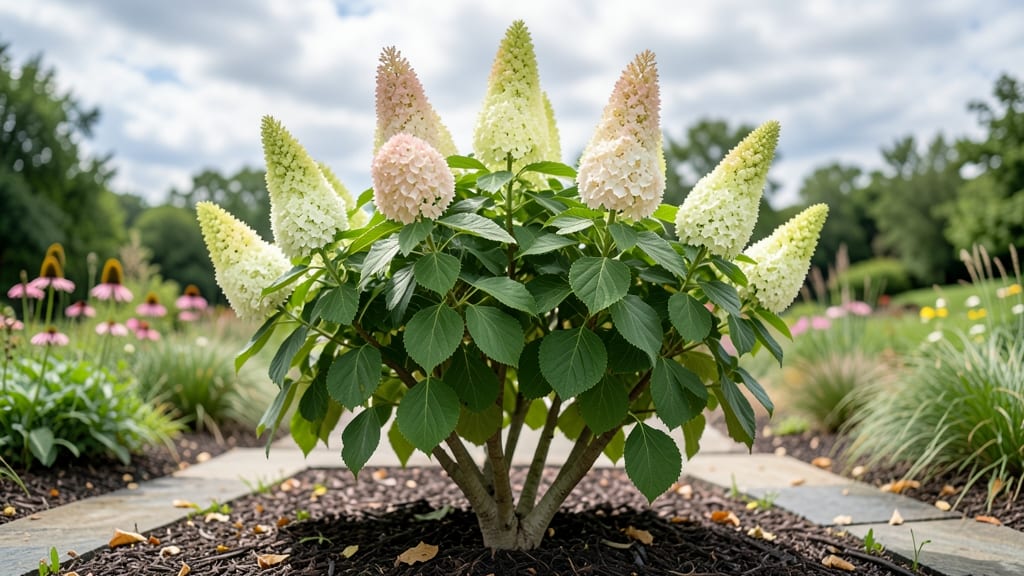
A Limelight Hydrangea Tree can grow to a full size of 6–12 feet—but without the right pruning, it might outgrow your space or lose its showy blooms.
Picture this: a 🌸 Limelight Hydrangea Tree towering over your patio, its branches sprawling in every direction, and its once-lush blooms now sparse and uneven. That’s what happens when pruning is an afterthought. The good news?
With a few strategic cuts at the right time, you can keep it at your ideal height—whether that’s 6 feet for a neat border or 12 feet for a bold statement—while ensuring it stays full and vibrant.
This guide breaks down the exact pruning schedule, tools, and techniques to control its height without sacrificing those stunning panicles. Whether you’re a beginner or a seasoned gardener, you’ll learn how to shape your tree for maximum impact—year after year.
Ready to transform your Limelight Hydrangea Tree into a well-behaved, blooming powerhouse? Let’s get started with the timing, cuts, and secrets that make all the difference.

When and how to prune a Limelight hydrangea tree for optimal height
The Limelight Hydrangea Tree (Hydrangea paniculata 'Limelight') grows into a stunning 12-foot specimen, but its height requires strategic pruning to maintain structure without sacrificing those iconic cream-to-green blooms.
Unlike other hydrangeas, this variety blooms on new wood, meaning you can prune more aggressively in late winter or early spring. The key is balancing height control with bloom production—cut too much, and you risk fewer flowers; cut too little, and the tree becomes top-heavy.
Timing is everything. Spring pruning (just as new growth begins) is ideal for shaping and reducing height, while fall pruning (after blooms fade) helps remove dead or weak stems.
For a 12-foot tree, I recommend a two-step approach: light pruning in spring to encourage bushiness and moderate pruning in fall to control vertical growth. This method keeps the tree balanced while maximizing those showy summer blooms.
Before you grab your shears, know this: never prune more than 1/3 of the tree's height in a single season. The Limelight Hydrangea Tree responds well to structured cuts, but over-pruning can stress the plant and reduce next year's flowers.
Start with 1-2 feet of reduction in your first year, then adjust based on how the tree grows. Patience is key—this isn’t a fast-growing shrub, but with the right cuts, you’ll guide it to perfection over time.
Here’s your step-by-step pruning plan for maintaining a 12-foot Limelight Hydrangea Tree while keeping it lush and blooming:
When pruning for height, always cut just above a bud that faces outward—this encourages bushier growth and prevents the tree from becoming too leggy.
For a 12-foot tree, I aim to keep the lowest branches around 3-4 feet off the ground to maintain a grand, tree-like appearance.
If your tree exceeds 12 feet, focus on topping the tallest branches rather than hacking back the entire structure—this prevents shock and promotes even regrowth.
One common mistake is pruning too late in spring, which can delay blooming. The Limelight Hydrangea Tree blooms on new wood, so cuts made after mid-spring may reduce the number of flowers.
If you miss the ideal window, don’t panic—just adjust your approach for the next season. Fall pruning is safer for height control because the tree is dormant, and you won’t risk damaging next year’s blooms.
After pruning, sanitize your tools with rubbing alcohol to prevent the spread of bacterial diseases. Apply a layer of mulch around the base to retain moisture and protect roots, especially if you’ve made deep cuts.
Water deeply to help the tree recover, and avoid fertilizing immediately—wait 4-6 weeks to let the pruning wounds heal before adding nutrients. This post-pruning care ensures your Limelight Hydrangea Tree bounces back stronger and stays healthy for years.
For long-term height management, I recommend annual pruning in both late winter and fall, with light touch-ups in summer. This consistent approach keeps the tree structured, blooming, and within your desired height.
Over time, you’ll develop a rhythm that works for your specific climate and tree’s growth habits. With patience and precision, your 12-foot Limelight Hydrangea Tree will become the showstopper of your garden—full, vibrant, and perfectly proportioned. 🌸
Best tools and techniques to avoid common pruning mistakes
Pruning your Limelight Hydrangea Tree correctly is key to maintaining its 12-foot height while keeping it lush and blooming. The wrong tools or techniques can lead to overgrowth, dead branches, or even disease.
I’ve learned that using the right equipment and knowing what to look for makes all the difference. Start with sharp, high-quality pruners to avoid tearing bark, which can invite pests and disease.
Before you begin, inspect your tree for dead or diseased wood. Dead branches are usually brittle, snap easily, and have no green beneath the bark. Overgrown branches can block sunlight from reaching the center, so removing them improves airflow and light penetration.
Always prune at a 45-degree angle just above a bud or side branch to encourage healthy regrowth.
⚠️ callout-warning
Pruning at the wrong time can harm your Limelight Hydrangea Tree. Never prune in late fall or winter—this removes next year’s flower buds. Avoid cutting more than 1/3 of the tree’s height in a single session, as this stresses the plant. Always sterilize your tools with rubbing alcohol to prevent spreading disease between cuts.
🌱 Pro Tip: Wear gardening gloves to protect your hands from thorns and sap.
Investing in the right tools is a game-changer. A bypass pruner is ideal for clean cuts on smaller branches, while a loppers handles thicker stems up to 2 inches in diameter.
For larger limbs, a pruning saw with a fine-tooth blade ensures smooth cuts without splintering. Pair these with thick, cut-resistant gloves to protect your hands from thorns and sap.
When shaping your tree, focus on creating an open center to allow sunlight and air to circulate. Remove branches that rub against each other, as constant friction weakens the wood.
Always step back occasionally to assess the tree’s balanced shape. If one side looks heavier, prune slightly more on that side to maintain symmetry.
Timing is everything. The best time to prune your Limelight Hydrangea Tree is late winter or early spring, just before new growth begins. This encourages vigorous blooming during the growing season. Avoid heavy pruning in fall, as it can stimulate tender new growth that won’t survive winter frosts.
Light shaping in summer is fine, but keep it minimal to avoid stressing the plant.
Finally, never skip the cleanup. Remove all pruned branches and debris from the area to reduce the risk of fungal diseases and pests. Dispose of diseased wood immediately in a sealed bag.
With the right tools, techniques, and timing, your Limelight Hydrangea Tree will thrive at its full 12-foot height while producing stunning blooms year after year. ✂️🌿