
Pruning
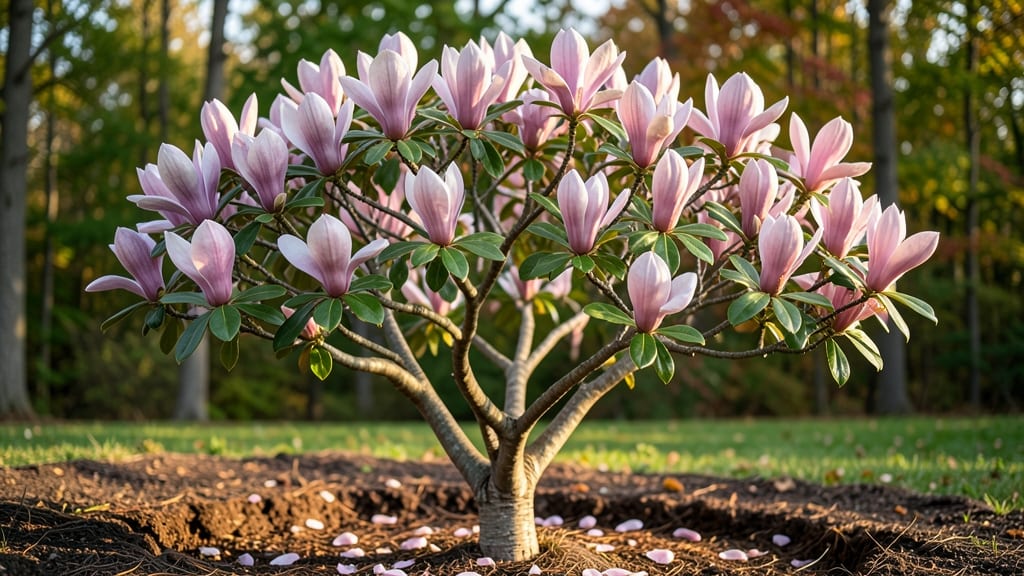
Magnolia trees thrive in Seattle’s mild, wet climate, making them excellent choices for local gardens with varieties like the Jane or Saucer magnolia that adapt well to the region’s conditions.
Seattle’s unique blend of cool summers and mild winters creates ideal conditions for magnolias, which naturally prefer humid environments. 🌿 The city’s acidic, well-draining soil—common in the Pacific Northwest—mirrors their native habitats, while consistent rainfall reduces stress on these moisture-loving trees.
What sets Seattle apart is its microclimates, where urban heat islands or Puget Sound breezes can create microenvironments perfect for specific magnolia varieties.
Beyond climate, Seattle’s moderate temperatures prevent extreme stress that can plague magnolias in hotter regions. The Jane magnolia, for example, blooms earlier than many varieties, taking advantage of Seattle’s long, mild springs.
Meanwhile, the Saucer magnolia handles the region’s occasional frost better than tropical species, making it a standout for local gardeners.
💡 In This Article
- Why Magnolia Trees Flourish in Seattle’s Climate
- Top Seattle-Friendly Magnolia Varieties and Planting Tips
Why magnolia trees flourish in Seattle’s climate
Seattle’s climate mirrors the natural habitats of magnolias in stunning ways. These trees thrive in humid, temperate zones with mild winters (rarely dropping below 20°F) and cool summers (peak temps around 75-80°F), which prevents the heat stress that can stunt growth in drier regions.
The Pacific Northwest’s acidic, loamy soil (pH 5.0-6.5) is nearly identical to the native soil of many magnolia species, providing the perfect nutrient balance without needing heavy amendments.
The region’s consistent rainfall—about 37 inches annually—keeps magnolia roots hydrated without waterlogging, a critical factor since these trees despise soggy conditions. 🌧️ Unlike drought-tolerant species like oak trees, magnolias rely on steady moisture, and Seattle’s climate delivers this naturally.
Even during summer droughts, the city’s high humidity levels (often 70-80%) reduce transpiration stress, allowing magnolias to maintain lush foliage year-round.
Microclimates play a surprising role in Seattle’s magnolia success. Areas near Puget Sound experience warmer winters (thanks to marine influence), while inland neighborhoods may see slightly cooler temperatures.
This variation lets gardeners choose between frost-sensitive varieties (like Magnolia grandiflora) for coastal zones or hardier types (like Magnolia stellata) for inland spots. The urban heat island effect in downtown Seattle also creates pockets where tropical magnolias can thrive that wouldn’t survive in rural areas.
Seattle’s climate also minimizes the bloom timing challenges that plague magnolias in other regions.
While southern magnolias often bloom too late for spring enjoyment, Seattle’s extended growing season (average last frost: March 15) allows early bloomers like the Jane magnolia to showcase their flowers by late April, aligning perfectly with local gardening seasons.
This timing difference is why Seattle gardeners report 2-3 weeks earlier blooms compared to similar climates in the Midwest.
One often-overlooked advantage is Seattle’s low UV index during winter months. Magnolias are sensitive to intense sunlight, and Seattle’s overcast skies (150+ cloudy days/year) provide natural shade protection. This reduces leaf scorch—a common issue in sunnier climates—while still allowing sufficient light for photosynthesis.
The result? Healthier foliage and more vibrant blooms with less maintenance than in sunnier regions.
For comparison, consider Douglas firs—the Pacific Northwest’s iconic evergreens—which also prefer acidic soil but struggle with magnolia’s moisture needs. While firs dominate local forests, magnolias excel in urban gardens where their adaptability to Seattle’s specific climate conditions shines.
The combination of mild winters, high humidity, and acidic soil creates a near-perfect ecosystem for these ornamental giants.