
Flowers
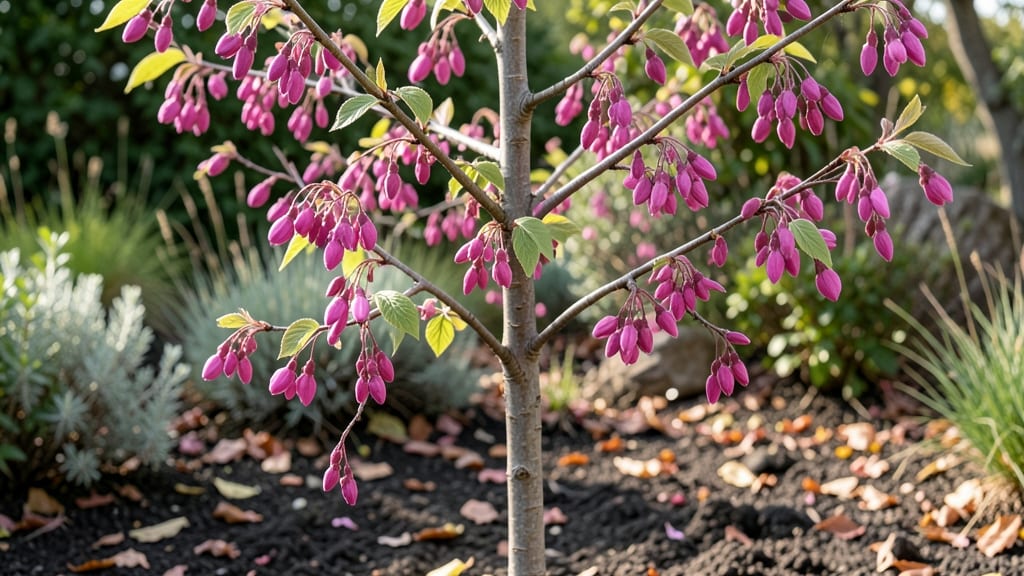
Pink blossoms cascading like confetti signal spring’s arrival—tree with little pink flowers transforms any garden into a romantic fairyland. 🌸 I’ve planted three varieties myself, and each brings a different mood: the delicate lace of Cercis canadensis ‘Lavender Twist’, the bold bursts of Prunus serrulata ‘Kanzan’, and the understated charm of flowering dogwood.
These aren’t just trees; they’re the stars that make spring borders unforgettable.
The best part? They don’t need a sprawling lawn to shine. Dwarf varieties like ‘Lavender Twist’ fit snugly in small gardens, while ‘Kanzan’ cherry delivers dramatic 5-foot bursts of color against dark evergreens.
Plant them near patios where you can sip morning coffee beneath their blossoms, or pair them with white hellebores for a springtime contrast that lasts months. The key is placement: morning sun for most, but dogwood thrives in dappled shade.
By late spring, you’ll trade pink clouds for lush foliage—deep reds on ‘Kanzan’, silvery-blue on Cercis, and glossy green on dogwood. The scent alone makes them worth growing: Prunus perfumes the air like almonds, while dogwood offers a sweeter, more subtle fragrance.
These trees aren’t just pretty; they’re the backbone of a garden that feels alive from March through June.
For small spaces, consider Cornus florida ‘Cherokee Princess’—its compact size and 4-inch pink blooms make it a showstopper in tight corners. Pair it with creeping phlox or ferns for texture, and you’ve got a low-maintenance spring border that’ll have neighbors asking for your secrets.
Let’s make your garden the one everyone admires.
Behind the Blossoms
Those delicate pink blooms you adore on your spring borders aren’t just a happy accident—they’re the result of a carefully balanced dance between nature and nurture. Understanding the why behind their appearance helps you encourage more of them (or troubleshoot if they’re sparse).
Here’s the science behind why your tree with little pink flowers lights up the season.
Every tree’s floral display starts with its DNA. If your tree is naturally prone to producing small pink flowers, it’s likely a cultivar bred for that trait—think of Japanese cherry trees (Prunus serrulata), ornamental cherries (Prunus spp.), or flowering almonds (Prunus triloba).
These species are hardwired to bloom in spring with clusters of tiny, pastel-pink blossoms as part of their reproductive cycle.
Actionable tip: If you’re shopping for a tree with this look, check the species name. Varieties like ‘Kanzan’ cherry or ‘Okame’ cherry are famous for their abundant pink blooms. 💡 Pro tip: Cross-pollination isn’t usually needed for these trees to flower—they’re often self-fertile, meaning they’ll bloom reliably without a partner!
Pink blooms thrive when trees receive the right amount of sunlight—typically 6 to 8 hours of direct sun daily. This light exposure kickstarts photosynthesis, which fuels the tree’s energy reserves.
Without enough sunlight, the tree may produce fewer or smaller flowers, or the blooms might even fail to open fully.
However, too much scorching afternoon sun (especially in hot climates) can stress the tree, leading to dropped buds before they bloom. The ideal balance depends on the species:
| Tree Type | Sunlight Needs | What Happens Without It |
|---|---|---|
| Japanese Cherry (Prunus serrulata) | Full sun (6+ hours) | Sparse blooms, buds may not open |
| Ornamental Cherry (Prunus x yedoensis) | Partial shade (morning sun, afternoon shade) | Leggy growth, fewer flowers |
| Flowering Almond (Prunus triloba) | Full sun to partial shade | Delayed or reduced flowering |
Actionable tip: If your tree isn’t flowering as expected, observe its location. 🌡️ Move it to a sunnier spot gradually (avoid transplant shock) or prune nearby structures blocking light. For shade-tolerant varieties, ensure it gets dappled sunlight rather than dense shade.
Most spring-blooming trees with pink flowers need a period of winter chill—typically 200 to 1,000 hours below 45°F (7°C)—to trigger bud formation. Without adequate chill hours, the tree may skip flowering entirely or produce only a handful of blooms.
This is why trees in warm-winter climates (like Southern California or Florida) might struggle. Some varieties, like ‘Autumn Royal’ cherry, are bred for low-chill requirements, but even they may need a few cold snaps to perform optimally.
Actionable tip: If you live in a mild-winter zone, choose low-chill cultivars or use artificial chilling (like wrapping the tree in frost cloth during cold snaps) to mimic winter conditions. ✨ For established trees: Ensure good air circulation around the canopy to prevent frost damage, which can kill buds before they open.
Pink flowers are energy-intensive to produce, and a tree’s ability to bloom depends on consistent moisture and nutrient-rich soil. Here’s how water and soil play a role:
- Drought stress: If the tree doesn’t get enough water during late winter to early spring (when buds form), it may drop blooms or produce smaller clusters. 💧 Deep watering once a week (1–1.5 inches of water) is key.
- Overwatering: Soggy soil can suffocate roots, leading to poor nutrient uptake and bud rot. Ensure the soil drains well—amend heavy clay with compost or sand.
- Nutrient deficiencies: A lack of phosphorus (essential for flowering) or potassium (supports bud development) can stunt bloom production. Test your soil and amend with a balanced fertilizer (10-10-10) in early spring.
- pH levels: Most flowering trees prefer a slightly acidic to neutral pH (6.0–7.0). If the soil is too alkaline (pH > 7.5), micronutrients like iron and zinc become unavailable, weakening the tree’s ability to flower.
Actionable tip: 🔥 Mulch around the tree’s base (2–4 inches of organic mulch like wood chips) to retain moisture and regulate soil temperature. Avoid piling mulch against the trunk to prevent rot. 🎯 For container-grown trees: Use a well-draining potting mix and water when the top inch of soil feels dry.
Young trees (under 3–5 years old) often focus their energy on root and canopy growth rather than flowering. It’s not until they reach maturity that they’ll produce their full floral display. Additionally, stressed trees—those battling pests, disease, or poor pruning practices—may divert energy away from blooms.
Common stressors to watch for:
- Over-pruning: Cutting back too aggressively in late winter can remove next year’s flower buds (which form on old wood in many cherry varieties).
- Pests: Aphids, scale, or borers can sap the tree’s energy. Look for sticky residue (honeydew) or holes in the bark.
- Disease: Fungal issues like powdery mildew or bacterial leaf spot can weaken the tree, reducing bloom quality.
Actionable tip: 👨🍳 Prune only in late winter to early spring (after the danger of frost but before buds swell) and avoid heavy cuts. 🔪 For pest control: Spray with neem oil or insecticidal soap in early spring to protect emerging buds. 🌡️ Monitor for signs of stress—yellowing leaves, wilting, or unusual spots can signal a problem.
Reviving Your Blossoming Beauty
If your tree with delicate pink blooms isn’t thriving as expected, don’t worry—most issues have simple fixes! Below, we’ve mapped common problems to practical solutions, so you can restore your garden’s charm without stress. Whether it’s pests, poor soil, or overwatering, these steps will help your tree flourish again.
Too much or too little water can stunt growth and dull those stunning pink flowers. Here’s how to strike the right balance:
- 💧 Check the Soil Moisture Stick your finger 2–3 inches into the soil. If it’s soggy, your tree is overwatered; if dry, it’s thirsty. Adjust your watering schedule accordingly.
- 🔥 Drainage Solutions If water pools around the base, improve drainage by:
- Adding a 2-inch layer of gravel or sand to the soil.
- Planting in a slightly elevated spot to prevent waterlogging.
- Using well-draining potting mix if growing in containers.
- 🌡️ Watering Routine Water deeply once a week (or every 5–7 days in extreme heat). Early morning is best to reduce evaporation.
💡 Pro Tip: Mulch around the base (but avoid touching the trunk) to retain moisture and regulate soil temperature.
Yellowing leaves, holes, or mold? Pests and diseases are likely the culprits. Act fast to save your tree!
| Problem | Signs | Solution |
|---|---|---|
| Aphids | Sticky residue, curled leaves | Spray with soapy water or introduce ladybugs (natural predators). |
| Spider Mites | Fine webbing, speckled leaves | Mist leaves daily and use neem oil spray weekly. |
| Fungal Spot | Brown spots, powdery growth | Prune infected branches and apply copper fungicide. |
| Root Rot | Wilting despite water, mushy roots | Trim affected roots, repot in fresh soil, and reduce watering. |
✨ Prevention Tip: Space trees properly for airflow and avoid overhead watering to deter fungal growth.
If your tree’s pink blooms are sparse or leaves look pale, it might need a nutrient boost. Try these easy fixes:
- 📊 Soil Test First Use a DIY soil test kit (available at garden centers) to check pH and nutrient levels. Most flowering trees prefer slightly acidic to neutral soil (pH 6.0–7.0).
- 💪 Fertilizer Options
- Slow-release granules (spring and fall)
- Organic compost (mixed into the top 6 inches of soil)
- Balanced liquid fertilizer (10-10-10 ratio, diluted weekly in watering)
- 🍎 Natural Amendments Work in aged manure, worm castings, or banana peels (for potassium) to enrich the soil over time.
🎯 Targeted Fix: For yellow leaves, add iron supplements (like chelated iron) if the soil is alkaline.
Overgrown or poorly pruned trees can look messy and produce fewer flowers. Follow these steps for a fresh, vibrant look:
- 🔪 When to Prune
- Light pruning after flowering (late spring/early summer).
- Heavy pruning in late winter (before new growth starts).
- 👨🍳 Step-by-Step Pruning
- Remove dead/diseased branches first (cut at the branch collar).
- Thin out crowded branches to improve airflow (aim for an open canopy).
- Shape gently—avoid cutting more than 25% of the tree at once.
- ⏰ Avoid These Mistakes
- Pruning in fall (encourages new growth that won’t harden before winter).
- Using dull shears (can tear bark—use sharp, clean tools instead).
💡 Pro Tip: Sterilize pruners with rubbing alcohol between cuts to prevent spreading disease.
With these solutions, your pink-flowering tree will bounce back stronger than ever. Consistency is key—monitor progress and adjust as needed. Happy gardening! 🌸🌿
Frequently asked questions
Which small pink-flowering trees work best in containers?
Dwarf varieties like Cercis canadensis 'Lavender Twist' (redbud) or Prunus serrulata 'Shirotae' (white cherry) thrive in large pots. Use well-draining soil and ensure the container is at least 12 inches deep with drainage holes. These compact trees add stunning vertical interest to patios or balconies while requiring minimal space.
How do I extend the blooming season for my pink-flowering tree?
Choose varieties bred for extended bloom times, like Prunus serrulata 'Kanzan' (up to 2 weeks of flowers) or Cornus florida 'Cherokee Princess' (re-blooms lightly in fall). Prune lightly after flowering to encourage new growth, and fertilize with phosphorus-rich amendments (like bone meal) in early spring to support flower production.
Can I plant a pink-flowering tree near my patio without it becoming a nuisance?
Opt for dwarf varieties like Prunus triloba (flowering almond) or Cercis canadensis 'Forest Pansy' (purplish foliage), which stay under 10 feet tall. Plant at least 8-10 feet from walkways to avoid root competition, and prune regularly to maintain shape. Their fragrant blooms will enhance your outdoor space without overwhelming it.
Why do some pink-flowering trees drop buds before blooming?
Bud drop usually happens due to late frosts, drought stress, or overwatering. Protect young trees with frost cloth in spring, and maintain consistent moisture (water deeply once weekly). Varieties like Prunus x yedoensis (Yoshino cherry) are more frost-tolerant than delicate Cercis species.
What's the best way to pair pink-flowering trees with other plants?
For a cohesive look, combine with white or silver foliage (like Heuchera or Artemisia) to make pink blooms pop. Underplant with spring bulbs like daffodils or hyacinths, and add evergreens (like Picea or Juniperus) for year-round structure. This creates layered interest that lasts from early spring through winter.