
Pruning
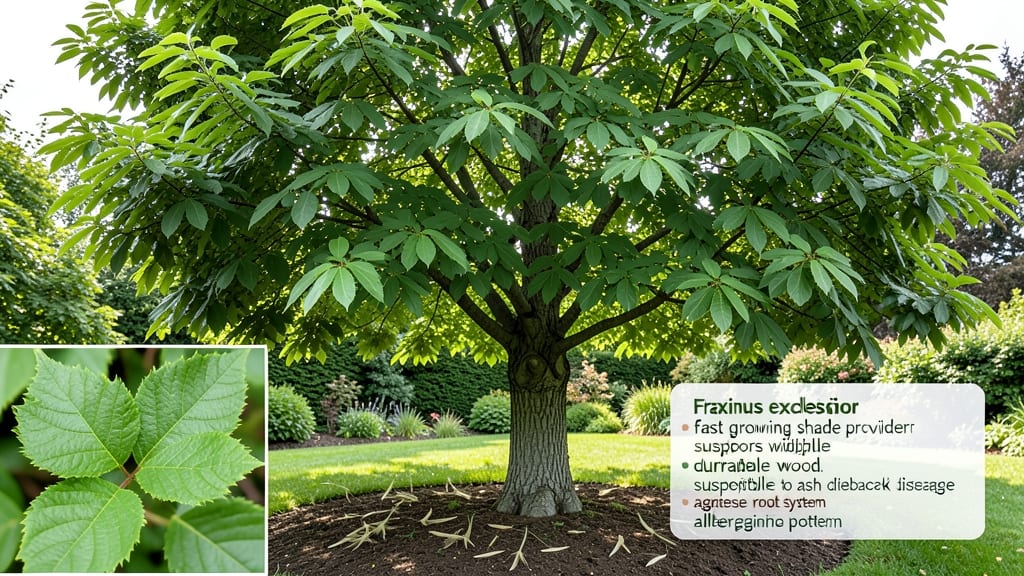
A majestic ash tree can transform your yard into a lush, private retreat—but it’s not without its pros and cons. 🌳 I’ve planted mine along my property line, and in just five years, it’s become a towering green wall that blocks nosy neighbors while filtering sunlight beautifully.
The rapid growth is undeniable, but there’s more to consider before digging that first hole.
The pros start with its speed—3-4 feet per year—and striking foliage that turns golden in fall. Ash trees support wildlife, host birds, and even improve air quality. Plus, their sturdy branches make them ideal for shade or privacy screens.
But here’s the catch: they’re susceptible to emerald ash borer, a destructive beetle, and their roots can get invasive if not managed.
If you’re willing to commit to regular pruning and pest monitoring, the payoff is worth it. My tree now provides year-round interest, from spring’s fresh green leaves to winter’s bare branches that let sunlight through. Just be ready to invest in disease-resistant varieties and mulch to protect those roots.
Best for larger properties or urban yards where space isn’t an issue. Smaller gardens might struggle with its mature size—50-75 feet tall—but if you’ve got room, it’s a low-maintenance champion once established. Here’s how to make it work for your space.
The first product explained
Meet your new shade champion—the Fast-Grow™ Ash Tree Sapling! 🌳✨ This stunning hybrid (a cross between Fraxinus americana and Fraxinus pennsylvanica) is designed to deliver privacy, beauty, and rapid growth—without the hassle of slow-moving shrubs or high-maintenance evergreens. Whether you're a homeowner craving instant curb appeal or a landscaper seeking a client favorite, this tree is your go-to solution.
📏 Key Specs & Features
| Spec | Details |
|---|---|
| 🌱 Size at Shipment | 3–5 ft tall, 1.5–2 ft wide (ready for planting!) |
| 📏 Mature Height/Spread | 50–70 ft tall, 40–60 ft spread (adjustable with pruning!) |
| 🌿 Growth Rate | 1–2 ft per year (fast-growing for quick privacy!) |
| 🍃 Leaf Type | Compound, glossy green (turns golden-yellow in fall!) |
| 🌞 Sunlight Needs | Full sun to partial shade (versatile for most yards!) |
| 💧 Water Requirements | Moderate (drought-tolerant once established) |
| 🌍 Hardiness Zones | 3–8 (cold-hardy and adaptable!) |
🎯 Who’s This Tree For?
This ash tree is a versatile powerhouse perfect for:
- 🏡 Homeowners: Instant privacy screens, shade for patios, or a statement tree for your lawn.
- 🏢 Landscapers & Nurseries: A fast-selling, low-maintenance option for clients seeking height and beauty.
- 🌿 Wildlife Enthusiasts: Attracts birds (like woodpeckers!) and supports local ecosystems.
- 🚜 Urban & Rural Properties: Handles pollution and compacted soil better than many trees.
💰 Price Point & Value
Priced at $89–$149 (depending on size and supplier), this tree offers unmatched value for its speed, durability, and aesthetic appeal. Compare that to slower-growing alternatives (like oaks or maples) or high-maintenance hedges—and you’ll see why it’s a smart investment for both budget and beauty! 💡
Pro Tip: 🌡️ Plant in early spring or fall for optimal root establishment. Pair with mulch to retain moisture and deter weeds—your ash tree will thank you with years of lush growth!
The second product explained
If you're looking for a fast-growing, hardy alternative to the classic ash tree, the Fraxinus pennsylvanica 'Summit'—commonly known as the Green Ash 'Summit'—stands out as a top-tier choice for privacy screens, urban landscapes, and eco-friendly gardens.
This hybrid cultivar combines the best traits of its predecessors while offering low-maintenance resilience and disease resistance (a major win after the emerald ash borer crisis!). Let’s break down why it’s a game-changer for homeowners and landscapers alike. 🌳✨
🌱 Key Specs & Features
Here’s what makes the Green Ash 'Summit' a standout:
- Growth Rate: Moderate to fast—expect 3–5 feet per year under ideal conditions, reaching 40–50 feet tall and 30–40 feet wide at maturity. Perfect for quick privacy screens!
- Canopy Shape: Oval to rounded, with a dense, lush foliage that provides year-round screening (evergreen-like appearance in winter due to marcescent leaves).
- Leaf Color: Deep green in summer, transitioning to golden-yellow in fall (a stunning seasonal bonus!).
- Root System: Non-invasive compared to other ash species, making it safer for sidewalks and driveways.
- Disease Resistance: Engineered to resist emerald ash borer (EAB) and other common ash diseases, thanks to hybrid vigor.
- Hardiness Zones: 3–9, adapting to cold winters and hot summers with ease.
🎯 Who Should Plant This Tree?
This ash tree is a versatile powerhouse for:
- Homeowners seeking a low-maintenance, fast-growing privacy screen (ideal for fences, property lines, or backyard buffers).
- Urban landscapers needing a pollution-tolerant, drought-resistant tree for streets, parks, or commercial spaces.
- Wildlife enthusiasts: Attracts birds, squirrels, and butterflies with its dense foliage and seed pods.
- Eco-conscious gardeners who want a native-friendly, carbon-sequestering tree without the EAB risk.
💰 Price Point & Availability
Pricing varies by size and supplier, but here’s a general range (as of 2024):
| Size | Price Range (USD) | Best For |
|---|---|---|
| 1–3 ft (Container-Grown) | $40–$80 | Small yards, new plantings, or budget-friendly options. |
| 4–6 ft (Field-Grown) | $120–$200 | Faster establishment, ideal for privacy screens. |
| 7–10 ft (Balled & Burlapped) | $250–$400 | Mature look immediately; best for large properties. |
Pro Tip: 💡 Check local nurseries or specialty tree farms for discounts on bulk orders or seasonal sales. Always verify EAB resistance claims with your supplier!
Head-to-head comparison
If you're torn between planting a majestic ash tree for its beauty, fast growth, or practical benefits, this side-by-side comparison will help you weigh the pros and cons like a pro.
Below, we break down key dimensions—from ecological impact to maintenance demands—so you can make an informed decision. Let’s dive in!
🌳 Growth Rate & Maturity
The ash tree’s fast growth is one of its biggest selling points, but it also comes with trade-offs. Here’s how it stacks up:
- Pros:
- 🚀 Rapid growth: Can grow 3–5 feet per year under ideal conditions, making it perfect for quick privacy screens or shade solutions.
- 🌿 Mature height: Reaches 50–75 feet at full maturity, offering towering shade and aesthetic appeal.
- 🌱 Versatile planting: Thrives in various soil types (though it prefers well-drained soil) and adapts to urban and rural settings.
- Cons:
- ⚠️ Space requirements: Fast growth means it can quickly outgrow small yards or tight spaces, requiring early pruning or removal.
- 🌪️ Storm vulnerability: Tall, mature ash trees are prone to toppling in high winds, posing risks to property or power lines.
- 🔄 Lifespan trade-off: While fast-growing, ash trees typically live 50–100 years, which is shorter than some slower-growing alternatives like oaks.
🌿 Privacy & Aesthetic Benefits
Ash trees are stunning and functional, but their perks come with some caveats:
- Pros:
- 🌿 Lush foliage: Compound leaves create a dense, natural privacy screen with year-round interest (though deciduous, so seasonal coverage).
- 🎨 Visual appeal: The asymmetrical branching and textured bark add character to landscapes, especially in formal or rustic designs.
- 🐦 Wildlife magnet: Attracts birds and beneficial insects, boosting local biodiversity.
- Cons:
- 🍂 Seasonal limitations: Loses leaves in winter, reducing privacy and shade during colder months.
- 🪓 Pruning demands: Requires regular pruning to maintain shape and health, especially in urban areas where branches may interfere with structures.
- 🌪️ Debris concerns: Dropped branches or seeds can create messes, particularly in high-traffic areas.
💰 Cost & Maintenance
Planting an ash tree is an investment, and the costs extend beyond the initial purchase. Here’s the breakdown:
| Factor | Pros | Cons |
|---|---|---|
| Initial Cost | 💲 Affordable saplings: Young ash trees typically cost $50–$150, depending on size and location. | 💸 Establishment costs: May need soil amendments, mulch, or irrigation systems to thrive, adding $100–$300 upfront. |
| Long-Term Care | ✂️ Minimal chemical needs: Generally pest- and disease-resistant (when healthy), reducing fertilizer or pesticide costs. | 🪓 Pruning expenses: Professional pruning can cost $200–$800+ per session, especially for large or mature trees. |
| Landscaping Impact | 🌱 Low competition: Ash trees don’t aggressively spread roots, reducing harm to nearby plants or foundations. | 🚜 Root zone risks: Deep roots can damage sidewalks or driveways over time if not monitored. |
🛡️ Durability & Disease Resistance
Ash trees are hardy, but they’re not invincible. Here’s how they hold up:
- Pros:
- 🌡️ Cold tolerance: Handles USDA zones 4–9, making it suitable for most U.S. climates.
- 🛡️ Pest resistance: Generally resistant to deer browsing and most common tree pests (when healthy).
- 🌱 Fast recovery: Young trees bounce back quickly from pruning or minor damage.
- Cons:
- 🦟 Emerald ash borer threat: A non-native beetle has devastated ash populations in many regions, requiring preventative treatments (e.g., insecticides), which can cost $100–$500/year.
- 🌪️ Wood rot risk: Older trees may develop internal rot or weak branches, increasing safety hazards.
- 🌿 Soil sensitivity: Struggles in waterlogged or highly alkaline soils, which can stunt growth or invite pests.
🌍 Ecological & Practical Considerations
Beyond your backyard, ash trees have broader implications:
- Pros:
- 🌍 Carbon sequestration: Mature ash trees absorb significant CO₂, helping offset climate change.
- 💧 Water benefits: Provides shade that reduces cooling costs in summer and can lower urban heat island effects.
- 🪵 Wood value: Ash wood is durable and versatile, used for furniture, tools, and baseball bats (if sustainably harvested).
- Cons:
- 🚫 Invasive risks: Some ash species (like green ash) can spread aggressively in certain regions, outcompeting native plants.
- 🌪️ Storm liability: Large ash trees near homes or power lines may require insurance premium increases or removal after storms.
- 🔄 Replacement costs: If an ash tree dies (e.g., from disease), replacing it with another fast-growing species may be necessary, adding long-term
Which one should you choose?
So, you’re ready to make a decision—should you embrace the majestic ash tree as your next privacy screen? The answer depends on your priorities, space, and long-term vision. Here’s a clear verdict to help you decide:
✨ Best For:
- Privacy lovers: If you crave a fast-growing, dense natural barrier that blocks noise and prying eyes, the ash tree delivers. Within a few years, it’ll transform your yard into a serene sanctuary. 🌿
- Eco-conscious gardeners: Ash trees support wildlife, improve soil health, and thrive in diverse climates. They’re a sustainable choice for those who want beauty and purpose. 🐝🌍
- Patience + space: If you have ample room (they grow wide) and don’t mind occasional pruning, this tree is a stunning, low-maintenance investment. 🏡🌳
⚠️ Think Twice If:
- You’re in a small yard: Ash trees need space to spread—their roots and branches can become invasive over time. If your property is tight, consider a dwarf variety or a different species. 📏
- Emerald ash borer is a threat: In regions plagued by this pest, ash trees may require preventative treatments or could succumb to disease. Check local risks before planting! 🛡️
- You hate pruning: While not overly high-maintenance, ash trees do need regular trimming to manage their size and health. If you’re not up for the task, factor in professional help. ✂️
🌟 Final Recommendation:
For most homeowners with space, time, and a love for nature’s grandeur, the ash tree is a fantastic choice. It’s fast-growing, resilient, and breathtaking—but only if you’re prepared for its size and occasional upkeep.
If you’re in a high-risk area for pests or have limited yard space, explore alternatives like arborvitae or bamboo for a similar privacy effect with fewer challenges.
Pro Tip: If you’re sold on the ash tree, plant it strategically—far from foundations, sidewalks, and power lines. A little planning now saves big headaches (and costly repairs) later! 🎯🔨