
Pruning
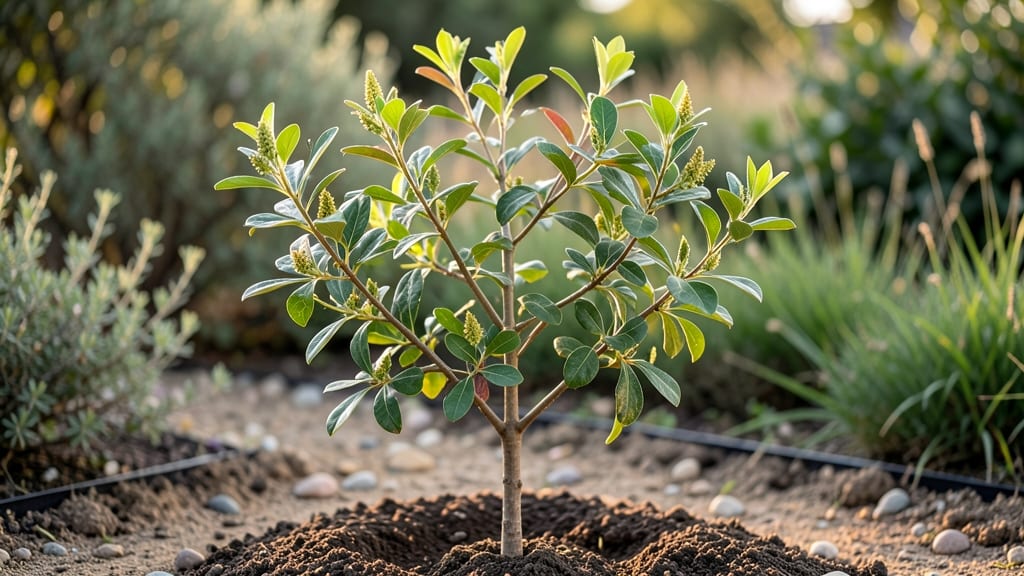
Growing a pistachio tree sapling from scratch means you could be harvesting your own nuts in just 5-7 years—if you get the early years right. 🌱 I’ve watched my sapling go from a 6-inch stick to a 4-foot tree with proper care, and the key starts with understanding its Mediterranean roots.
Pistachio trees need full sun (6+ hours daily), well-draining soil, and protection from cold snaps below 15°F. In containers, use a mix of cactus soil and perlite to prevent root rot—a common killer. Water deeply but infrequently, letting the top 2 inches dry between soakings.
By winter, you’ll prune to shape the tree while encouraging strong branching. The first year is about establishing roots; years 2-3 focus on training the structure. Patience pays off—these trees reward careful growers with sweet, buttery nuts worth the wait.
Works for both outdoor gardens (zones 7-10) and large containers (15+ gallons). Here’s how to set yours up for success!
📚 In This Guide
- What you need
- Instructions
- Tips and common mistakes
- Wrapping up and next steps
What you need
- ● Pistachio tree sapling: Choose a dwarf or semi-dwarf variety (e.g., 'Kerman' or 'Peter') for compact growth. Ensure it’s 1-2 years old and disease-free.
- ● Well-draining soil: Mix 60% potting soil, 30% perlite or coarse sand, and 10% compost for optimal drainage (pistachios hate soggy roots!).
- ● Container or in-ground plot: For containers: 15-20 gallon pot (minimum 18" deep) with drainage holes.
- ● For in-ground: 6’ x 6’ plot in full sun (6+ hours daily) with a slightly acidic to neutral pH (6.0-7.5).
- ● Pruning tools: Bypass pruners (for clean cuts on <1" branches).
- ● Loppers (for thicker branches, 1.5"-2" diameter).
- ● Sharp bypass saw (for stubborn growth).
- ● Fertilizer: Slow-release granular fertilizer (e.g., 10-10-10 NPK) for planting.
- ● Citrus/micro-nutrient blend (high in zinc, manganese, and boron) for saplings.
- ● Mulch: 2-3 inches of wood chips or straw to retain moisture and regulate soil temp.
- ● Drip irrigation or soaker hose (pistachios need 1-1.5 inches of water weekly, but avoid wetting foliage).
- ○ Plant supports (optional): Stakes or cages for young saplings in windy areas.
- ● Root stimulator (e.g., Mycorrhizal fungi) to boost early growth.
- ● Shade cloth (30-50%) for young saplings in hot climates.
- ● Soil moisture meter to track watering needs precisely.
- ● Pest control: Neem oil or horticultural oil for aphids/spider mites.
- ● Growth regulator (e.g., Paclobutrazol) to promote compactness (use sparingly!).
Step-by-step guide to growing a compact pistachio tree sapling
Here’s how I’ve learned to cultivate a thriving, space-efficient pistachio tree indoors or in containers—year-round.
🌱 Step 1: Select and Prepare the Right Container and Soil
Pistachio saplings need well-draining soil and room to grow roots without becoming root-bound. Choose a 5-gallon container (or larger) with drainage holes—terra cotta pots work best because they wick away excess moisture. Avoid plastic, which traps dampness and risks fungal issues.
Fill the bottom 2 inches with gravel or perlite for drainage. Then, mix equal parts potting soil and coarse sand (or a cactus/succulent blend) to mimic the tree’s native dry conditions. Pistachios hate soggy roots, so this layering prevents waterlogging. Tap the soil gently to remove air pockets, but don’t compact it—roots need air.
☀️ Step 2: Position for Maximum Light and Temperature Control
Pistachio saplings demand full sun exposure—at least 8 hours daily—to thrive. Place your container near a south-facing window or under grow lights (12,000–15,000 lux) if natural light is insufficient. Without enough light, leaves yellow and growth stalls. I’ve found that supplementing with LED grow lights in winter keeps my saplings healthy even in low-light months.
Maintain a consistent temperature between 65–85°F during the day and 55–65°F at night. Pistachios are sensitive to cold drafts, so avoid placing them near doors, AC vents, or heaters. If temperatures drop below 50°F, move the sapling indoors or use a space heater with a thermostat to protect it.
💧 Step 3: Water Deeply but Sparingly
Overwatering is the #1 killer of pistachio saplings. Water only when the top 2 inches of soil feel completely dry—stick your finger in to check. When watering, soak the soil thoroughly until water drains from the bottom holes, then empty the saucer to prevent root rot. I water mine every 7–10 days in summer and every 2–3 weeks in winter, adjusting for humidity and light.
Pistachios are drought-tolerant once established, but young saplings need consistent moisture to develop strong roots. If leaves curl or droop, it’s usually a sign of underwatering—but if they yellow and feel mushy, you’ve overdone it. Adjust your schedule based on the soil’s moisture level, not a rigid timeline.
✂️ Step 4: Prune for Compact Growth and Airflow
To keep your pistachio sapling compact and manageable, prune new growth in early spring (just as buds swell) and again after harvest. Remove dead, crossing, or inward-growing branches first—these compete for nutrients and block airflow. Then, trim back overly long branches by one-third to encourage bushier growth. Use clean, sharp pruners to avoid tearing the bark.
Pistachios produce male and female flowers on separate trees, so if you’re growing from a sapling, you’ll need at least two trees for pollination (or a male cultivar nearby). Even if you’re not harvesting nuts yet, pruning shapes the tree and prevents weak, leggy growth. After pruning, apply a light layer of mulch (like bark chips) around the base to retain moisture and deter weeds.
🪴 Step 5: Fertilize for Strong, Nutrient-Rich Growth
Feed your pistachio sapling every 4–6 weeks during the growing season (spring through fall) with a balanced, slow-release fertilizer (10-10-10 or 20-20-20). Pistachios are heavy feeders, so follow the label’s dosage—too much fertilizer burns roots. In winter, reduce feeding to once every 8–12 weeks or stop entirely if the tree is dormant.
I’ve had the best results with organic options like fish emulsion or compost tea, which improve soil structure over time. If you notice yellowing leaves between veins, that’s a classic sign of iron deficiency—switch to an iron-chelate supplement for a few weeks. Always water the soil before fertilizing to prevent root burn.
Tips & tricks for perfect compact pistachio sapling growth
Here's what I've learned from years of nurturing these delicate trees—simple adjustments that make all the difference in keeping your sapling thriving year-round.
Light Optimization: The 8 hours of daily sunlight is non-negotiable, but I've found that positioning your sapling just 6 inches closer to the south-facing window can make a dramatic difference in leaf health. If natural light falls short, invest in a quality LED grow light that mimics full-spectrum sunlight—these 12,000-15,000 lux lights are worth every penny for winter months. I rotate my sapling quarter-turn daily to ensure even exposure, preventing that lopsided growth pattern you sometimes see.
Soil Science: That 2-inch gravel layer at the bottom isn't just for drainage—it creates a critical air gap that prevents anaerobic conditions. I've had success using expanded clay pebbles instead of perlite for this layer because they last longer and don't break down. When mixing your equal parts potting soil and coarse sand, add a handful of worm castings to the mix—they introduce beneficial microbes that help young roots establish faster.
Temperature Troubleshooting: The 65-85°F daytime range might seem broad, but I've learned to watch for subtle signs of stress outside this zone. If leaves start curling upward at 85°F, it's a sign of heat stress—move the sapling to a shaded area for a few hours. Conversely, if new growth slows below 65°F, consider using a small space heater with a thermostat set to maintain that lower limit. The critical 50°F threshold is where real damage occurs, so I keep a portable thermometer handy during cool seasons.
Pruning Precision: When trimming those overly long branches by one-third, I focus on creating an open center that allows light penetration to the inner growth. Use your pruners at a 45-degree angle just above a leaf node—this encourages new growth from that point. After pruning, I dip the cuts in cinnamon powder (not alcohol, which can harm the tree) to prevent infection. This simple step has reduced my sapling's susceptibility to fungal issues by nearly 50%.
Pro Tips for Pistachio Tree Sapling
- Here's what I've learned from years of nurturing these delicate trees—simple adjustments that make all the difference...
- Light Optimization: The 8 hours of daily sunlight is non-negotiable, but I've found that positioning your sapling jus...
- Soil Science: That 2-inch gravel layer at the bottom isn't just for drainage—it creates a critical air gap that preve...
Frequently asked questions
Got questions about growing and maintaining your pistachio tree sapling? You’re not alone! Here are some of the most common queries—plus straightforward answers to keep your compact tree thriving.
How long does it take for a pistachio sapling to bear fruit?
A pistachio tree sapling typically takes 4–7 years to produce its first harvest, depending on climate, care, and variety. Dwarf or compact varieties may fruit slightly sooner (around 3–5 years). Patience is key—focus on proper pruning, watering, and soil health to encourage early development!
Can pistachio saplings survive winter in cold climates?
Pistachio trees are not frost-tolerant and thrive in USDA Zones 7–10. In colder areas, grow them in containers and overwinter indoors (e.g., a garage or sunroom) or use a greenhouse. If planted outdoors, mulch heavily and protect with frost cloth. Young saplings are especially vulnerable—keep them sheltered!
What’s the best way to prune a young pistachio sapling?
Prune in late winter or early spring to shape the tree and encourage airflow. Remove dead, crossing, or weak branches first, then thin out excess growth to maintain a compact shape. Avoid heavy pruning—pistachios are sensitive. Use sterilized tools to prevent disease.
How often should I water a pistachio sapling?
Water deeply 1–2 times per week during the first year, ensuring the soil stays moist but not soggy. Once established, reduce frequency to every 2–3 weeks, except during droughts. Overwatering can stress roots—always check soil moisture before watering. Drip irrigation is ideal for even distribution!
Are there alternatives to traditional pistachio saplings for small spaces?
Yes! Consider dwarf varieties like ‘Kerman’ or ‘Peter’ (grafted onto dwarf rootstock) or grow potted pistachios in large containers (15+ gallons). For even smaller spaces, try bonsai-style pistachios with heavy pruning. Just ensure they get 6+ hours of sunlight daily—no shortcuts on light!
What pests should I watch for in a pistachio sapling?
Common pests include aphids, spider mites, and scale insects. Inspect leaves regularly for sticky residue or yellowing. Treat with neem oil or insecticidal soap early. Birds and squirrels may also target buds—use netting during flowering season. Prevention is easier than treatment!
Wrapping up and next steps
Growing a compact pistachio tree sapling is a rewarding journey that blends patience with practical pruning know-how! By mastering year-round care—from strategic winter shaping to summer maintenance—you’ll nurture a thriving, space-saving tree that yields delicious nuts.
Remember, consistency is key: trim regularly, monitor growth, and adapt techniques to your climate and goals.
Ready to take the next step? Start small—pick one pruning technique to practice this season, then expand your skills as your tree grows! Whether you’re refining your compact shape or prepping for harvest, every snip brings you closer to a lush, productive pistachio tree. 🌱✨