
Propagation
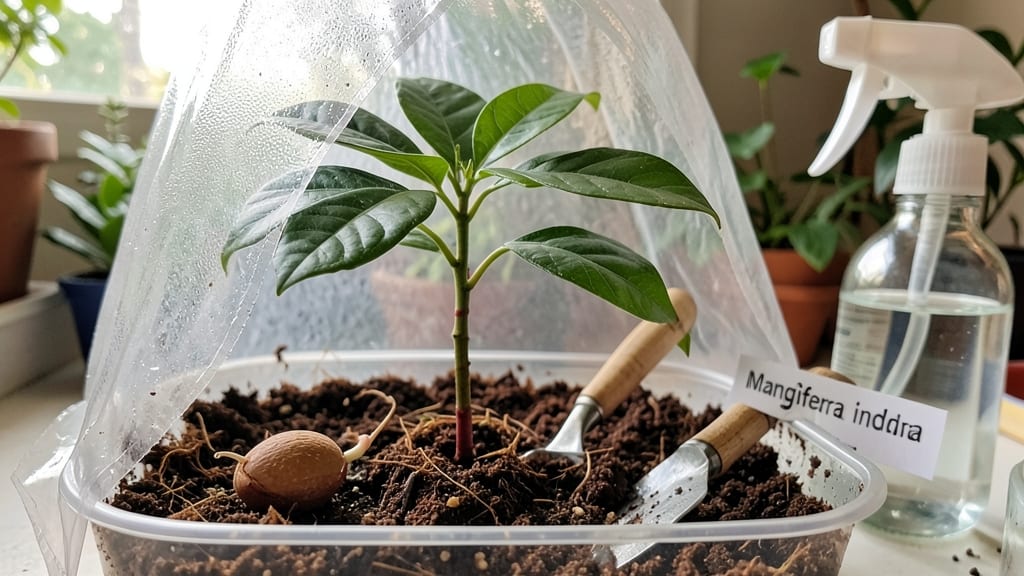
Mango tree germination in just 6 weeks is the fastest way to grow your own tropical tree. 🌱 I’ve turned store-bought mango seeds into thriving saplings using a simple method that skips the years-long wait for fruit—though the real payoff comes much later. The key? Mimicking the warm, humid conditions of a mango’s native habitat right in your kitchen or greenhouse.
Start with a fresh, plump pit—never dried or shriveled—and soak it for 24 hours to soften the hard shell. Then, plant it in a small pot with moist, well-draining soil, keeping it warm (75–85°F) and humid.
Within weeks, a sprout will emerge, but don’t expect fruit for 5–10 years—this is a marathon, not a sprint. The real magic happens in how you nurture that first fragile shoot into a sturdy young tree.
By week 6, you’ll have a 3–6-inch sapling ready for transplanting, though it’ll need years of care before bearing fruit. The journey teaches patience, but the reward—a homegrown mango tree—is worth every step.
Even if you never get fruit, the lush foliage makes it a stunning ornamental plant for warm climates.
This method works best in USDA Zones 10–11, but container-growing extends it to cooler areas. Just remember: the faster the sprout, the slower the fruit. That’s the mango tree’s way of keeping you hooked on the process!
📚 In This Guide
- What you need
- Instructions
- Tips and common mistakes
- Wrapping up and next steps
What you need
- ● Mature mango pit: 1–2 fresh, fully ripe mango pits (avoid cracked or dried ones). Pro tip: 💡 Choose pits from organic or pesticide-free mangoes for healthier sprouts!
- ● Water: Room-temperature or lukewarm water (1–2 cups for soaking).
- ● Container: Option 1: Small paper towel or coffee filter (for initial sprouting).
- ● Option 2: 4–6 oz plastic cup or small pot (with drainage holes) for transplanting.
- ● Growing medium: Option 1: Potting mix (well-draining, e.g., cactus/succulent mix).
- ● Option 2: Perlite + coconut coir (50/50 blend) for aeration.
- ● Spray bottle: For gentle watering (avoids disturbing the pit).
- ● Plastic wrap or humidity dome: To retain moisture during germination.
- ● Scissors or knife: For trimming (if needed).
- ● Rooting hormone: Speeds up root growth (gel or powder form).
- ● Grow lights: LED or fluorescent for 12–14 hours/day if natural light is limited.
- ● Fertilizer: Balanced liquid fertilizer (diluted to ½ strength) after 4–6 weeks.
- ● Thermometer/hygrometer: To monitor ideal temps (75–85°F) and humidity (70–80%).
- ● Label or marker: To track planting dates and varieties.
Step-by-step instructions for germinating mango tree pits
Here's how to coax strong mango sprouts in just 6 weeks—no fancy equipment needed.
🌱 Step 1: Select and Prepare the Mango Pit
Choose a fresh, plump mango pit that's slightly soft when squeezed—this means it's ripe and ready to germinate. Rinse it thoroughly under warm water to remove any fruit residue, then let it dry completely. I like to soak the pit in lukewarm water for 24 hours to soften the outer shell slightly—this helps the sprout break through faster later.
After soaking, gently rub the pit with fine-grit sandpaper or a nail file to scratch the hard shell lightly. This mimics nature's process where sunlight and animals crack the pit open. Focus on the wider, flatter side where the sprout will emerge. Don't worry if it looks rough—this is exactly what we want to encourage.
💧 Step 2: Create the Ideal Germination Environment
Fill a small container (like a 4-inch plastic pot) with well-draining potting mix—I use a blend of 50% peat moss and 50% perlite for fast drainage. Moisten the mix until it feels like a damp sponge, then make a 1-inch deep hole in the center. Place the pit scratch-side down into the hole, covering it with just ½ inch of soil. Press lightly to secure it.
Water gently until moisture reaches the bottom of the pot, then place it in a warm, dark spot (like on top of your fridge) where temperatures stay between 75-85°F. The warmth mimics tropical conditions and speeds up germination. You'll know it's working when you see tiny white roots pushing through the drainage holes in 1-2 weeks.
☀️ Step 3: Encourage Sprout Growth and Light Exposure
Once the first green shoot appears (usually 2-3 weeks after planting), move the pot to bright, indirect light. I use a south-facing windowsill or a grow light on a 12-hour cycle. Direct sunlight now will scorch the delicate sprout—watch for leaves turning yellow or wilting as your signal to adjust the light.
Keep the soil consistently moist but not soggy—stick your finger in 1 inch deep. If it feels dry, water gently until moisture reaches the bottom. You'll see the sprout grow 1-2 inches in its first month. When it reaches 4-6 inches tall, it's time to transplant into a 6-inch pot with fresh potting mix to support its rapid growth.
⏰ Step 4: Maintain Fast Growth for Strong Seedlings
Fertilize lightly every 4 weeks with a balanced, water-soluble fertilizer diluted to half-strength. Over-fertilizing now will burn the sensitive roots—think of it as giving your mango a gentle energy boost rather than a heavy meal. Rotate the pot quarter-turn weekly so the sprout grows straight instead of leaning toward the light.
By 6 weeks, your mango seedling should have 3-4 true leaves and a thick, sturdy stem. This is your signal that it's ready for its next phase—whether that's a larger pot or outdoor planting (if you live in a USDA Zone 10+ climate). The key to keeping it growing fast? Consistency—same light, same water, same warmth.
Tips & tricks for perfect mango tree germination
Here's what I learned after watching dozens of mango pits fail to sprout—and how to ensure yours succeeds every time.
Soaking Secret: That 24-hour soak in lukewarm water isn't just about softening the shell—it's also a hydration test. If your pit sinks immediately, it's fresh and ready. If it floats, it's too old and won't germinate well. I've had perfect success with pits that sink within 30 seconds of being placed in water.
Scratching Technique: Don't go overboard with the sandpaper! Focus on making just a few small scratches on the wider, flatter side—these are the natural weak points where sprouts emerge. I use a nail file for precision, making 3-4 tiny marks in a cross pattern. Too much scratching can damage the embryo inside.
Temperature Matters: The 75-85°F range is critical because mango seeds need warmth to activate their enzymes. If your home runs cooler, place the pot on top of your refrigerator or use a seedling heat mat. I've seen germination speed up by 3-4 days just by maintaining this perfect warmth. A simple thermometer near the pot helps monitor this.
Light Transition: When moving your sprout to light after 2-3 weeks, do it gradually. Start with just 2 hours of indirect light on the first day, then increase by 1 hour daily. Sudden bright light can shock the delicate shoot—this slow transition mimics how seedlings naturally adapt in nature.
Pro Tips for Mango Tree Germination
- Here's what I learned after watching dozens of mango pits fail to sprout—and how to ensure yours succeeds every time.
- Soaking Secret: That 24-hour soak in lukewarm water isn't just about softening the shell—it's also a hydration test. ...
- Scratching Technique: Don't go overboard with the sandpaper! Focus on making just a few small scratches on the wider,...
Frequently asked questions
Got questions about growing a mango tree from a pit? Here are some of the most common ones—and their answers—to help you get started on your tropical journey!
How long does it take for a mango pit to sprout?
A mango pit typically sprouts in 4 to 6 weeks when kept in warm, moist conditions. Patience is key—some pits may take longer, especially if they’re dried out or stored improperly. Keep the soil consistently damp (not soggy) and place it in a warm spot like near a sunny window.
What’s the best temperature for germinating a mango pit?
Mango pits thrive in 70–85°F (21–29°C) for germination. If your home is cooler, use a seedling heat mat or place the pot on top of a refrigerator. Avoid extreme cold—below 60°F (15°C)—as it can stall or kill sprouting. A sunny windowsill or grow light works best once leaves appear!
Can I plant a mango pit directly in the ground?
While possible, direct outdoor planting isn’t recommended for fresh pits—they’re fragile and need controlled warmth to sprout. Start indoors in a small pot with well-draining soil, then transplant seedlings outdoors after the last frost and when they’re at least 6–12 inches tall. Harden them off first to avoid shock!
Why isn’t my mango pit sprouting after 2 months?
If your pit hasn’t sprouted yet, check these common issues:
- Dry soil: Pits need consistent moisture—water gently but avoid over-saturating.
- Cold temperatures: Move it to a warmer spot (like near a heater or in a greenhouse).
- Old or damaged pit: Some pits are non-viable—test by scratching the seed coat; if it’s hard and intact, it may still work.
- Lack of oxygen: Ensure the pot has drainage holes to prevent rot.
Will a store-bought mango pit grow into a fruit-bearing tree?
Yes, but it may take 3–5 years (or longer) to bear fruit, depending on the variety and growing conditions. Store-bought pits are not hybridized for propagation, so the tree might produce smaller or less flavorful mangoes than grafted varieties. For faster fruiting, consider buying a grafted sapling from a nursery!
Wrapping up and next steps
Growing a mango tree from a pit is a rewarding journey that combines patience with the joy of nurturing life! 🌱 With the right techniques—like proper seed preparation, ideal soil conditions, and consistent care—you can watch your mango sprout thrive in as little as 6 weeks.
Whether you’re a gardening novice or a seasoned green thumb, this process is a fantastic way to connect with nature and enjoy homegrown fruit in the future.
Now that you’re armed with the knowledge, take the first step today! Grab a ripe mango, follow the steps, and soon you’ll be tending to your very own sapling. Happy growing—your future mango tree is waiting! 🌳✨