
Container Gardens
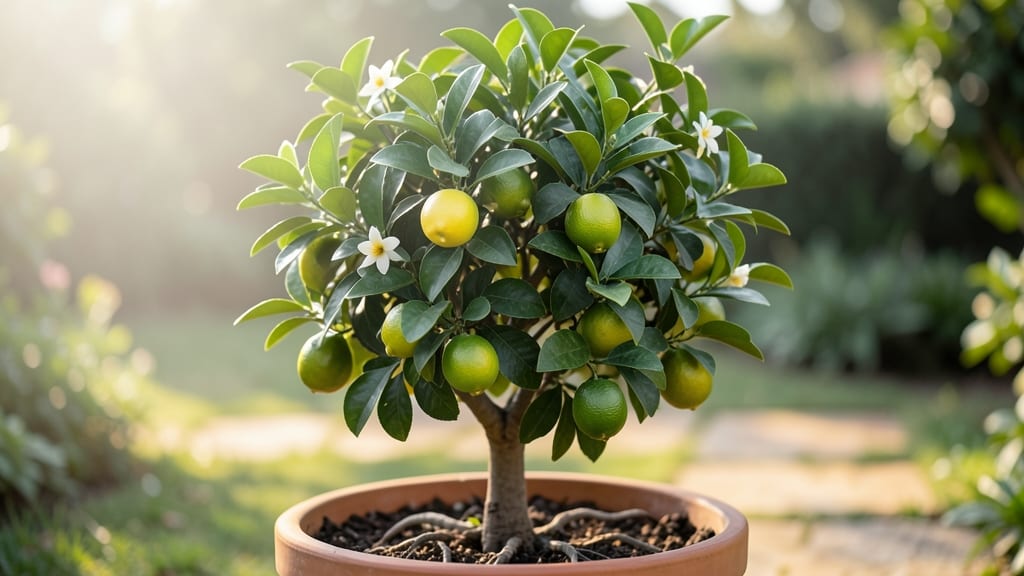
A Meyer lemon tree 🍋 thrives in a pot size that matches its growth stage, and skipping the minimum 5-gallon rule can stunt its roots—or worse, kill it before it bears fruit.
Picture this: your carefully nurtured Meyer lemon tree suddenly drops leaves, its growth stalls, and despite your best efforts, it refuses to produce those sweet, juicy lemons you’ve been dreaming of.
The issue? A pot that’s too small, crowding its roots and starving the tree of the space it needs to flourish.
Root health is the backbone of a productive Meyer lemon tree, and the right pot size—whether it’s a 7-gallon container for young plants or a 15-gallon vessel for mature trees—makes all the difference.
Below, I’ll break down the exact pot sizes you need at every stage, the materials that work best, and how to avoid common mistakes that lead to root rot or poor fruit production.
You’ll also discover how to repot without shocking your tree, the best times to upgrade its home, and why terracotta might be the game-changer for your citrus garden—no matter where you live in Zone 9b.

Why Meyer lemon trees need minimum 5-Gallon pots (root health secrets)
Your Meyer lemon tree’s roots aren’t just hidden underground—they’re the powerhouse behind every sweet lemon you’ll ever harvest. A 5-gallon pot isn’t arbitrary; it’s the minimum volume needed for roots to breathe, access nutrients, and support fruit production.
Without it, you’re setting your tree up for stunted growth, yellowing leaves, and—worst of all—no lemons. Let’s dig into the science behind this critical rule.
Meyer lemon roots thrive in well-aerated soil with room to expand. In a container, roots grow in a circular pattern, circling the pot’s edges in search of moisture and nutrients.
A 5-gallon pot provides enough space for roots to spread without becoming root-bound, a condition where roots strangle each other, choking the tree’s growth. When roots outgrow their pot, they’ll start circling the drainage holes, cutting off water flow and oxygen—both essential for root health.
Here’s the hard truth: Smaller pots = smaller harvests. Research shows that Meyer lemon trees in under-sized containers produce 30-50% fewer lemons due to stress. The root-to-pot-volume ratio directly impacts nutrient uptake, water absorption, and even the tree’s ability to withstand temperature fluctuations.
A 5-gallon pot is your baseline for breaking even on fruit production.
Drainage is another non-negotiable. Meyer lemons hate soggy feet—waterlogged roots lead to fungal diseases like root rot, which can kill your tree in weeks. A 5-gallon pot with drainage holes allows excess water to escape while retaining enough moisture for deep root growth.
Without proper drainage, even the best soil mix becomes a death trap.
Now, let’s talk about oxygenation. Roots need air as much as they need water. In a cramped pot, soil compacts, reducing oxygen levels and forcing roots to compete for survival. This stress triggers defoliation (leaf drop) and weakens the tree’s immune system, making it susceptible to pests.
A 5-gallon pot strikes the balance, offering enough space for roots to access oxygen while maintaining structural support.
🌱 Common mistake alert: Many gardeners assume bigger pots are always better, but oversized containers retain too much moisture, leading to root rot. The key is matching pot size to the tree’s current root system, not its future potential.
A 5-gallon pot is ideal for a 1-2 year-old Meyer lemon tree; mature trees need 15-20 gallons.
Think of your pot as a root ecosystem. The right size ensures roots have space to explore, access nutrients, and avoid competition. Without it, your tree will signal distress through yellow leaves, dropped fruit, or slow growth.
These aren’t just cosmetic issues—they’re survival instincts. A 5-gallon pot is your first line of defense against these problems.
Pro tip: Terracotta pots are ideal for Meyer lemons because they wick away excess moisture, reducing root rot risk. However, they dry out faster, so monitor soil moisture closely. Plastic pots retain moisture longer but lack breathability—choose ones with air pruning holes to encourage root health.
🌿 Actionable takeaway: If your Meyer lemon tree is in anything smaller than a 5-gallon pot, it’s time to upgrade. Do it in spring when the tree is actively growing, and use a pot 2-3 inches wider than the current one to minimize stress.
Your future lemon harvests will thank you.
Remember, your Meyer lemon tree isn’t just a plant—it’s an investment in years of harvests. Skimp on pot size, and you’ll reap the consequences in smaller fruit, fewer lemons, and a tree that struggles to survive.
Give it the 5-gallon minimum, and you’re giving it a fighting chance to thrive—and reward you with abundant, sweet lemons for seasons to come.
Best pot sizes for Meyer lemon trees by growth stage (from seedling to mature tree)
Choosing the right pot size for your Meyer lemon tree at each growth stage is crucial for healthy roots and abundant fruit production. A 5-gallon minimum isn’t just a suggestion—it’s a survival rule for this citrus powerhouse.
Too small, and your tree will struggle to access nutrients and water, while too large can lead to soggy soil and root rot. Let’s break down the ideal pot sizes for each stage, from seedling to mature tree.
The right pot material also plays a role in your tree’s health. Terracotta pots, for example, offer excellent breathability but dry out faster, while ceramic pots retain moisture longer. Fabric grow bags are lightweight but require more frequent watering.
Each material has its pros and cons, and your choice should align with your climate and care routine. Let’s dive into the specifics for each growth stage.
Pot Size Comparison for Meyer Lemon Trees
| Growth Stage | Recommended Pot Size | Pot Diameter (inches) | Material Recommendation | Key Notes |
|---|---|---|---|---|
| Seedling (0-6 months) | 1-3 gallons | 6-8 inches | Plastic or terracotta | Ensure drainage holes; upgrade when roots fill the pot. |
| Juvenile (6-24 months) | 5-10 gallons | 10-12 inches | Ceramic or fabric grow bag | Critical stage for root expansion; avoid oversizing. |
| Mature (2+ years) | 15-25 gallons | 18-24 inches | Heavy-duty ceramic or fabric | Prioritize stability; larger pots need wheelbarrows for moving. |
| Dwarf Varieties (All stages) | 5-15 gallons | 10-18 inches | Lightweight terracotta or plastic | Smaller size but still needs proper drainage. |
⚠️ Pro Tip: Always use pots with drainage holes to prevent root rot.
For seedlings (0-6 months), start with a 1-3 gallon pot—just enough to support early root development. Terracotta pots are ideal here because they dry out quickly, reducing the risk of overwatering.
Look for pots with drainage holes and upgrade when you see roots circling the bottom. This usually happens within 3-4 months if you’re using the right soil mix.
When your tree reaches the juvenile stage (6-24 months), it’s time to move up to a 5-10 gallon pot. This is a critical phase for root expansion, and a pot that’s too large can lead to compacted soil and poor nutrient uptake.
Ceramic pots are a great choice here because they retain moisture longer, which is beneficial as your tree’s root system grows. If you live in a hot climate, consider a fabric grow bag to improve airflow.
Once your Meyer lemon tree matures (2+ years), it will need a 15-25 gallon pot to support its size and fruit production. At this stage, stability becomes a priority. Heavy ceramic pots can crack under the weight, so opt for durable fabric grow bags or reinforced plastic pots.
Remember, larger pots require more water and fertilizer, so adjust your care routine accordingly. Place your pot on casters or a dolly for easy moving, as mature trees can weigh 100+ pounds.
If you’re growing a dwarf variety, you can scale down slightly but never below the 5-gallon minimum. Dwarf trees still need room for root growth, and smaller pots can stunt their development. Use lightweight materials like plastic or terracotta to make moving your tree easier.
Regardless of size, always prioritize well-draining soil and proper drainage holes to keep your Meyer lemon tree thriving for years to come.