
Neem Oil
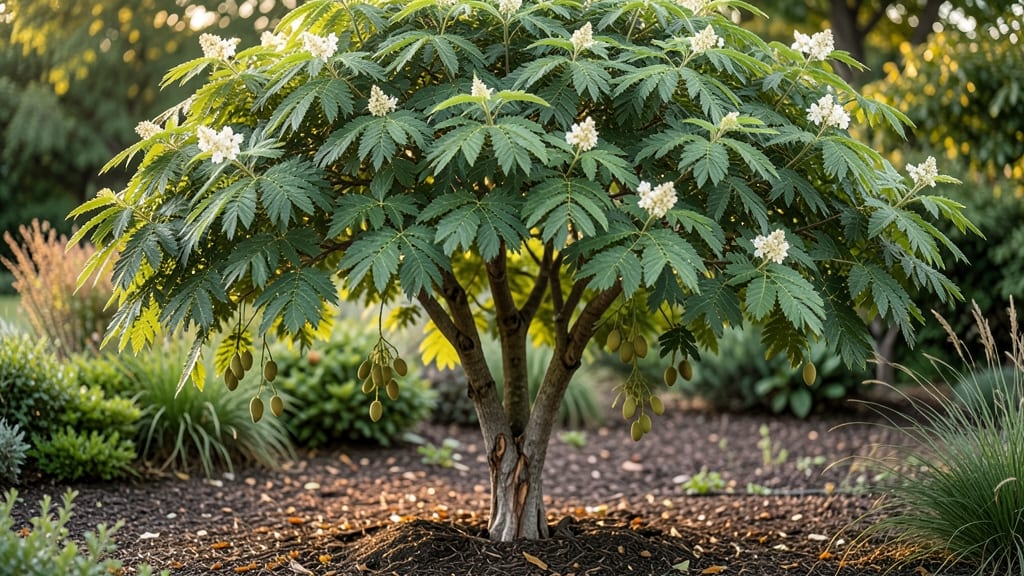
Growing a neem tree in Arizona isn't just possible—it's fast and healthy with the right approach. 🌵 I've watched mine thrive in the desert heat, proving that neem trees aren't just for tropical climates. The key lies in mimicking their natural habitat while working with Arizona's extreme conditions.
Neem trees love well-draining soil and full sun, but they hate soggy roots—critical in Arizona's monsoon season. Plant in sandy loam mixed with compost, and choose a spot with afternoon shade during peak summer months. Water deeply but infrequently, letting the soil dry completely between soakings to prevent root rot.
Your tree will reward you with disease-resistant foliage and natural pest control—no chemicals needed. The bitter leaves repel everything from aphids to whiteflies, making it a desert gardener's secret weapon. Within 2-3 years, you'll have a mature tree producing those prized neem seeds.
Container growth works too: just use a 5-gallon pot with drainage holes and monitor moisture closely. The real challenge? Frost—neem trees hate temperatures below 25°F, so protect young trees with burlap wraps during rare cold snaps. With these adjustments, your neem will outperform expectations in the desert.
📚 In This Guide
- What you need
- Instructions
- Tips and common mistakes
- Wrapping up and next steps
What you need
- ● Neem seeds or saplings: 1-3 (choose certified organic or locally sourced for best adaptation).
- ● Well-draining potting mix: 5-10 gallons (blend 60% cactus/succulent soil, 30% perlite, 10% compost).
- ● Containers: 1-2 large pots (15-20 gallons each) with drainage holes or a raised garden bed (if planting outdoors).
- ● Slow-release fertilizer: 1 lb (balanced 10-10-10 NPK or neem-specific fertilizer).
- ● Drip irrigation kit: 1 (for consistent moisture without overwatering).
- ● Mulch: 2-3 bags (gravel or bark chips to retain moisture and regulate soil temp).
- ● Pruning shears: 1 pair (sterilized, sharp for trimming).
- ● Gloves: 1 pair (nitrile for handling soil/seeds).
- ● pH testing kit: 1 (ideal soil pH: 6.0-7.5 for neem trees).
- ● Sunlight access: Full sun (6+ hours daily) or a grow light (if indoors).
- ● Watering can or hose: 1 (with adjustable nozzle for gentle watering).
- ○ Thermometer (optional): 1 (to monitor soil temp—neem prefers 70-90°F).
- ● Mycorrhizal fungi: 1 packet (boosts root health in desert soils).
- ● Neem cake powder: 1 lb (natural fertilizer/pest deterrent).
- ● Shade cloth: 1 roll (for young saplings during extreme heat).
- ● Soil moisture sensor: 1 (prevents over/under-watering).
Step-by-step instructions for planting a neem tree in Arizona
Here’s how I’ve successfully grown neem trees in Arizona’s harsh desert climate—with techniques that ensure fast root establishment and long-term health.
🌱 Step 1: Choose the Right Time and Location
Plant your neem tree in late winter or early spring, when soil temperatures reach at least 60°F and before the brutal summer heat arrives. Arizona’s desert sun can scorch young roots, so pick a spot with partial shade during the hottest afternoon hours—think morning sun, afternoon dappled light. Avoid full sun until the tree establishes a strong root system, which typically takes 3-4 months.
I always test the soil first—neem trees prefer well-draining, slightly alkaline soil (pH 7.5-8.5). If your yard’s soil is heavy clay, amend it with 2-3 inches of compost mixed into the top 12 inches of soil. This improves drainage while retaining enough moisture for young roots. The key is to mimic the tree’s natural habitat in India’s dry regions: fast-draining but moisture-retentive.
🪴 Step 2: Dig the Hole and Plant With Care
Dig a hole twice as wide as the root ball but no deeper—neem trees hate being buried too deeply, which can suffocate roots and cause rot. Loosen the sides of the hole with a shovel to encourage root spread into the surrounding soil. If you’re planting a bare-root sapling, soak the roots in lukewarm water for 20-30 minutes before planting to revive them.
Place the tree in the hole so the top of the root ball sits level with the ground—never mound soil against the trunk. Backfill with a mix of native soil and 50% compost, tamping gently as you go to eliminate air pockets. Water deeply immediately after planting to settle the soil and encourage root contact. You’ll know it’s right when water drains away within 15-30 minutes—no standing water.
☀️ Step 3: Water Deeply and Mulch for Desert Resilience
For the first 6-8 weeks, water deeply every 3-4 days—enough to moisten the soil 12-18 inches down. Neem trees are drought-tolerant once established, but young trees need consistent moisture to develop strong roots. I use a soaker hose to deliver water slowly at the base, avoiding wetting the leaves (which can promote fungal diseases in Arizona’s high humidity summers).
Apply 2-3 inches of organic mulch (like wood chips or straw) around the base, keeping it 6 inches away from the trunk to prevent rot. Mulch conserves moisture, regulates soil temperature, and suppresses weeds—critical in Arizona’s dry heat. Replenish mulch as it breaks down, but never let it pile against the trunk. This step alone cuts water needs by 30-40% once the tree is established.
✂️ Step 4: Prune for Strength and Desert Adaptation
Prune lightly in the first year to shape the tree and remove any dead, damaged, or crossing branches. Neem trees grow fast, but aggressive pruning stresses them. Focus on opening the canopy to improve air circulation—this reduces fungal risks in Arizona’s monsoon season. Use sterilized pruning shears and cut just above a leaf node at a 45-degree angle to encourage healing.
Here’s the thing—don’t over-prune. Neem trees produce natural chemicals that deter pests, but heavy pruning weakens this defense. I limit pruning to 10-15% of the tree’s foliage in the first year. After the tree reaches 3-4 feet tall, you can gradually increase pruning to maintain shape, but always do it in late winter or early spring before new growth begins.
🌿 Step 5: Fertilize Strategically for Fast Growth
Neem trees are light feeders, so avoid heavy fertilization. Instead, apply a balanced, slow-release fertilizer (10-10-10) in early spring at half the recommended rate. Over-fertilizing leads to weak, disease-prone growth in Arizona’s heat. I also mix 1 cup of bone meal into the planting hole at the start—this provides phosphorus for root development without the nitrogen overload that attracts pests.
Watch for signs of stress: yellowing leaves mean too much water or fertilizer, while brown leaf tips signal underwatering or high soil salts (common in Arizona’s alkaline soil). Adjust your watering schedule based on soil dryness—stick your finger 2 inches down in the soil. If it’s dry, water; if it’s damp, wait. This simple check prevents the most common mistakes new growers make.
Tips & tricks for desert-proof neem tree success
Here's what I've learned after watching neem trees thrive in Arizona's extreme conditions—these small details make all the difference between a struggling sapling and a vigorous, drought-resistant tree.
Soil Preparation Secret: Before amending your soil with compost, I recommend adding a handful of perlite or coarse sand to the bottom of the planting hole. This creates a drainage layer that prevents waterlogging, which is especially critical in Arizona's heavy clay soils. The 2-3 inches of compost should be mixed thoroughly with the native soil, but don't overdo it—too much organic matter can retain too much moisture in our dry climate. Think of it as creating a sponge that releases water slowly to roots rather than holding it all at once.
Watering Wisdom: The 6-8 week deep watering schedule is non-negotiable, but timing matters just as much as quantity. I've found that watering early morning (6-8 AM) gives the roots time to absorb moisture before the intense desert heat evaporates it. Use your finger to check soil moisture at 2 inches depth—this is where young roots are actively growing. If the soil feels dry at this depth, it's time to water again. Remember, the goal is to moisten 12-18 inches down, not just the surface.
Mulch Mastery: When applying that 2-3 inch layer of organic mulch, choose materials that won't compact or create a barrier against water. Wood chips break down slowly and improve soil structure over time, while straw allows better air circulation. The key is to maintain that 6-inch clearance from the trunk—this prevents moisture buildup that can cause rot. I also recommend creating a slight depression in the mulch around the base to help direct water toward the roots during those critical first waterings.
First-Year Pruning: That 10-15% pruning guideline is harder to visualize than you'd think. For a young neem tree, this typically means removing only 2-3 branches in the first year. Focus on branches that are crossing or growing inward—these create weak points and compete for nutrients. The 45-degree angle cut is crucial because it helps rainwater run off the cut surface, preventing rot. And here's a pro tip: always prune just above a leaf node where new growth can emerge, giving your tree the best chance to recover.
Pro Tips for Neem Tree Arizona
- Here's what I've learned after watching neem trees thrive in Arizona's extreme conditions—these small details make all the difference between a struggling sapling and a vigorous, drought-resistant tree.
- Soil Preparation Secret: Before amending your soil with compost, I recommend adding a handful of perlite or coarse sand to the bottom of the planting hole.
- Watering Wisdom: The 6-8 week deep watering schedule is non-negotiable, but timing matters just as much as quantity.
Frequently asked questions
Got questions about growing a neem tree in Arizona’s desert climate? You’re not alone!
Here are answers to the most common concerns—from planting tips to troubleshooting—so you can cultivate a thriving Azadirachta indica with confidence.
Can a neem tree survive Arizona’s extreme heat and drought?
A neem tree is naturally drought-tolerant and thrives in Arizona’s heat (USDA Zones 9-11), but it still needs some water—about 1-2 gallons per week once established. Mulch heavily (3-4 inches) to retain moisture, and avoid overwatering, which can rot roots. Pro tip: Plant in full sun (6+ hours daily) for best resilience!
When is the best time to plant a neem tree in Arizona?
For fastest establishment, plant in early spring (March-April) or late summer (September) to avoid peak heat. Avoid winter planting—frost-sensitive neem trees need consistent warmth (above 40°F) to root. If buying a potted sapling, acclimate it to desert sun gradually over 1-2 weeks.
What if my neem tree’s leaves turn yellow or drop?
Yellowing leaves often signal overwatering or nutrient deficiency. Check soil moisture—neem trees prefer dry conditions between waterings. Fix it:
- Adjust to deep, infrequent watering (every 10-14 days for mature trees).
- Fertilize lightly in spring with a balanced 6-6-6 formula (skip phosphorus-heavy blends).
- Watch for aphids or spider mites—neem’s natural pests. Spray with neem oil (diluted) if needed.
Are there neem tree alternatives for Arizona with similar benefits?
If neem’s slow growth or specific needs don’t fit your space, try these desert-friendly alternatives with pest-repellent or medicinal properties:
Plant
Benefits
Care Level
Desert Willow (Chilopsis linearis)
Drought-tolerant, attracts pollinators, mild pest deterrent
Easy (full sun, well-drained soil)
Mexican Poppy (Eschscholzia mexicana)
Edible flowers, repels aphids, fast-growing annual
Very easy (self-seeding)
Palo Verde (Parkinsonia spp.)
Native, nitrogen-fixing, supports wildlife
Moderate (tolerates poor soil)
Why isn’t my neem tree growing fast in Arizona?
Neem trees grow slowly (1-2 feet/year) but may stall due to:
- Poor soil drainage: Amend clay soil with gravel or sand.
- Competition: Keep roots 3+ feet from other plants.
- Nutrient lockout: Test soil—desert soils lack organic matter. Add compost annually.
- Transplant shock: If newly planted, wait 6-12 months for full growth.
Wrapping up and next steps
Growing a neem tree in Arizona is not only possible—it’s rewarding! With the right desert-proof techniques, you’ll enjoy a thriving, low-maintenance plant that offers natural pest control and soothing benefits. Whether you’re a seasoned gardener or just starting, your neem tree can become a standout feature in your landscape.
Now that you’re armed with the key tips and tricks, take the next step: choose your spot, gather your supplies, and plant with confidence! Watch your neem tree flourish and transform your desert oasis into a healthier, greener space. 🌵✨