
Pruning
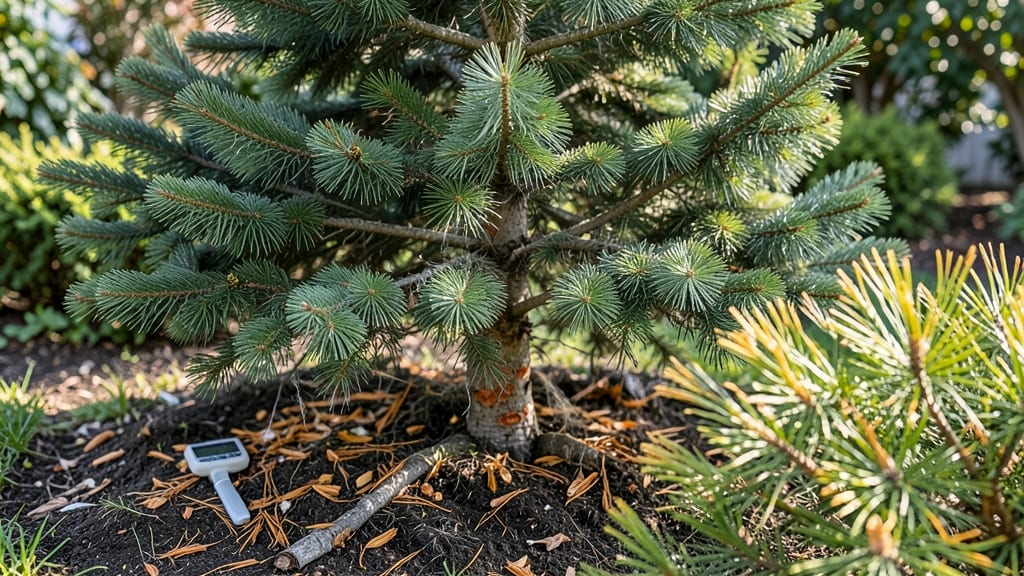
Nordmann fir tree problems dropping needles faster than a winter storm? 🌲 I’ve nursed back more than my share of these evergreens, and the fixes aren’t as mysterious as they seem—just overlooked basics most guides skip.
Needle browning usually means one of three things: drought stress, spider mites, or winter burn. My trees turn from lush green to sad brown when I forget to water during dry spells or when those tiny red pests hitch a ride on new growth.
The good news? A sharp spray of water or neem oil fixes both problems before they spiral.
What you’ll end up with is a fir that stays vibrant year-round, with fewer brown patches and no pest invasions. The key is checking for pests every two weeks and watering deeply but infrequently—think 1-2 inches per week in summer, less in winter.
Works for both container and in-ground Nordmann firs, and the same principles apply whether you’re dealing with a 5-foot sapling or a 15-foot mature tree. Let’s bring yours back to life.
Root Causes Behind Nordmann Fir Struggles
Your Nordmann fir may look majestic, but behind its lush green needles lie common culprits that trigger stress, disease, or pest infestations. Understanding these root causes helps you address the problem before it escalates. Let’s break down the science behind why your fir tree might be struggling.
Nordmann firs thrive in specific conditions, and when these are disrupted, the tree reacts with needle loss, stunted growth, or even death. Here’s what’s likely causing the stress:
- Extreme Temperature Swings: Nordmann firs prefer cooler climates (USDA Zones 4–7) and struggle with sudden heatwaves or frost. When temperatures drop below 10°F (-12°C) or spike above 90°F (32°C), the tree’s stomata (pores on needles) close to conserve moisture—but this also blocks gas exchange, leading to needle browning or desiccation. ✨ Pro Tip: Mulch heavily in winter to insulate roots, and provide afternoon shade in scorching summers.
- Poor Soil Drainage or Drought: These trees hate "wet feet" but also can’t tolerate dry spells. Waterlogged soil cuts off oxygen to roots, causing root rot (often from Phytophthora fungi), while prolonged drought forces the tree to shed needles to survive. Test your soil’s moisture retention—ideal drainage should feel like a wrung-out sponge, not mud or dust.
- Windburn and Sun Scorch: Needles on the southwest side of the tree often turn yellow or brown due to UV exposure. Wind exacerbates this by stripping the cuticle layer (the tree’s natural sunscreen). If your fir is in an open area, prune to improve airflow and consider a windbreak or temporary shade cloth during peak sun (10 AM–4 PM).
Nordmann firs are resilient, but pests and pathogens exploit weaknesses—often introduced by stress from the factors above. Here’s how they attack:
| Problem | Why It Happens | Tell-Tale Signs |
|---|---|---|
| Spider Mites | These microscopic pests thrive in hot, dry conditions and pierce needles to suck sap, triggering stippling (white/yellow dots). They multiply rapidly when the tree is already stressed (e.g., drought). | Fine webbing on needles, bronzing (needles turn coppery), and a soapy residue when wiped. |
| Bagworms | Caterpillars spin silk "bags" to hide and feed on needles. They’re drawn to young, tender growth and can defoliate a tree in weeks. Overwatering or nitrogen-heavy fertilizer makes them worse. | Brown, football-sized bags hanging from branches; skeletal branches by late summer. |
| Root Rot (Phytophthora) | Fungal pathogens like Phytophthora cinnamomi spread in waterlogged or compacted soil. They block water uptake, causing wilting even when soil is moist. Poor drainage + high humidity = perfect breeding ground. | Mushroom-like growth at the base, yellowing needles starting at the bottom, and a sour, rotting smell. |
| Needle Cast Fungi | Fungi like Rhizosphere or Lophodermium infect needles in wet springs, causing them to drop prematurely. Spores spread via wind or splashing water. | Small, black fruiting bodies on needles, followed by banding (brown bands around needles). |
💡 Key Insight: Many of these issues are interconnected. For example, drought-stressed trees attract spider mites, which then weaken the tree further—making it susceptible to root rot. Break the cycle by addressing the primary stressor first.
Even with perfect conditions, human habits can sabotage your Nordmann fir. Here’s how:
- Over-Fertilizing: Fir trees are not heavy feeders. Excess nitrogen promotes soft, tender growth that attracts pests (like bagworms) and burns roots. 🚫 Avoid: Fast-release fertilizers or applying fertilizer in late summer/fall.
- Improper Pruning: Cutting into old wood (branches >3 years old) creates wounds that never fully heal, inviting fungal infections. Also, topping (severing the top) stresses the tree and leads to sunscald on exposed branches.
- Transplant Shock: Moving a mature fir disrupts its mycorrhizal fungi (beneficial root partners). If roots dry out during transport or are planted too deep, the tree struggles to establish new growth. ⏰ Rule of Thumb: Water deeply for 2 weeks before transplanting and keep soil moist for 6 weeks after.
- Soil pH Imbalances: Nordmann firs prefer acidic soil (pH 5.0–6.5). Alkaline soil (pH >7.0) locks out essential nutrients like iron and manganese, causing chlorosis (yellowing between needle veins). Test your soil—if pH is high, amend with sulfur or peat moss.
🎯 Bottom Line: Most Nordmann fir problems stem from environmental mismatches, pest opportunism, or human error. By identifying the root cause—whether it’s a drought, a fungus, or over-zealous pruning—you can target fixes and restore your tree’s health. Next up: Actionable solutions to reverse the damage.
How to solve it
H2: Practical Fixes for Nordmann Fir Tree Woes
Your Nordmann fir tree is a stunning addition to your landscape, but when pests, diseases, or environmental stress take hold, it’s time to roll up your sleeves and get to work. 🌲✨ The good news?
Most issues have straightforward solutions—whether you’re dealing with browning needles, pesky bugs, or fungal infections. Below, we’ve mapped out cause-specific fixes to restore your tree’s health, plus prevention tips to keep it thriving year-round.
---
Cause: Overwatering, underwatering, extreme temperatures, or transplant shock. How to Fix It: - 💧 Adjust Watering Routine: Nordmann firs prefer consistently moist (not soggy) soil. Water deeply 1-2 times per week during dry spells, but avoid waterlogging. Test soil moisture by sticking your finger 2 inches deep—if it’s dry, it’s time to water. Pro Tip: Use a soaker hose or drip irrigation to deliver water slowly at the root zone, reducing runoff.
- 🌡️ Shield from Harsh Conditions: If your tree is in a windy or sunny spot, consider winter wraps (burlap) or shade cloth in summer. Young trees are especially vulnerable to sunburn or freeze damage.
- 🌱 Improve Soil Drainage: Amend heavy clay soil with organic matter (compost or peat moss) to prevent root rot. A 5-inch layer of mulch (wood chips or pine straw) helps retain moisture and regulate temperature.
Prevention: ✅ Water deeply but infrequently—better to go slightly dry than drowned. ✅ Avoid transplant shock by watering thoroughly before and after moving the tree. ✅ Monitor humidity—mist young trees in dry indoor settings (like garlands) to prevent needle drop.
---
Cause: Chewing insects (sawfly larvae, bagworms) or sucking pests (spider mites) weaken your tree by stripping needles or injecting toxins. How to Fix It: - 🔪 Manual Removal (Early Stage): Bagworms: Handpick greenish bags (larvae cocoons) and drop them into soapy water. Check the undersides of branches—they blend in! Sawfly Larvae: Look for tent-like webs or skeletonized needles (bare midribs). Clip off heavily infested branches and dispose of them in sealed bags.
- 💦 Chemical Controls (Severe Cases): For spider mites, spray with neem oil (mix 1 tbsp per gallon of water) or insecticidal soap.
For bagworms, use Bt (Bacillus thuringiensis)—a natural bacteria that targets caterpillars. Pro Tip: Timing is key! Apply treatments before eggs hatch (late spring/early summer for bagworms).
- 🌿 Encourage Natural Predators: Birds, lacewings, and parasitic wasps love eating pest larvae. Install a birdhouse or native plant buffer to attract them.
Prevention: ✅ Inspect trees weekly in May-July (peak pest season). ✅ Prune thick foliage to improve airflow and reduce hiding spots. ✅ Avoid over-fertilizing—weak trees attract more pests.
---
Cause: Overwatered soil, poor airflow, or wounds from pruning tools. How to Fix It: - 🌧️ Improve Air Circulation & Drainage: Prune out crossing or dead branches to reduce humidity pockets. Thin the canopy by 20-30% to let sunlight and air reach the center. For root rot: Dig a drainage trench around the base if soil stays soggy.
- 🧼 Fungicidal Treatments: Needle cast (brown spots): Spray with copper fungicide (like Copper Sulfate) in early spring before new growth. Cankers (sunken, oozing wounds): Clean wounds with 70% isopropyl alcohol, then apply pruning sealant (optional—some experts say it’s unnecessary if tools are sharp/sterile).
- 🌱 Soil Remediation: If root rot is suspected, reduce watering immediately and mix sand or perlite into the soil to improve drainage.
Prevention: ✅ Water at the base (not overhead) to keep needles dry. ✅ Sterilize pruning tools with rubbing alcohol between cuts. ✅ Avoid wounding bark—prune only in late winter/early spring when the tree is dormant.
---
Cause: Lack of nitrogen, iron, or magnesium, or compacted soil. How to Fix It: - 📊 Soil Test First! Grab a DIY soil test kit (or send a sample to a local extension office) to identify deficiencies. Common fixes: - Yellow needles (nitrogen): Apply slow-release fertilizer (like 10-10-10) in early spring. - Yellowing between veins (iron/chlorosis): Sprinkle iron chelate or sulfur around the root zone. - Purple stems (phosphorus): Use bone meal or compost tea.
- 🌿 Organic Boost: Top-dress with compost or worm castings annually to improve soil structure and microbial activity.
Prevention: ✅ Mulch annually with 2-3 inches of organic mulch (avoid piling against the trunk). ✅ Avoid synthetic fertilizers—they can burn roots; opt for slow-release organic options.
--- 💡 Prune strategically: Remove only dead/diseased branches—Nordmann firs are self-pruning, so minimal trimming is best. 🌡️ Monitor year-round: Pests and diseases don’t take vacations—check your tree every season. 🚫 Skip the holiday stress: If using your Nordmann as a Christmas tree, cut it down properly (leave 2-3 inches of stem) and recycle it—don’t leave it to dry out in the yard!
--- With these targeted fixes, your Nordmann fir should bounce back stronger than ever. 🌿💪 Most problems are preventable with consistent care, so stay vigilant—and your tree will reward you with lush, vibrant needles for years to come.
Frequently asked questions about Nordmann fir tree problems
Why are my Nordmann fir needles turning brown in winter?
This is likely winter burn from dry air or cold winds. Nordmann firs lose moisture through their needles, so mulch heavily around the base and consider wrapping the trunk with burlap in extreme cold (10°F or below). Avoid overhead watering before freezing temps—it can damage needles.
How do I know if my fir tree has spider mites vs. drought stress?
Check for fine webbing between needles and bronzing (coppery color) on the undersides—these are spider mite signs. Drought stress causes uniform browning starting at the tips. Hold a white sheet under the tree and shake branches: mites will drop as tiny red dots.
Can I save a Nordmann fir with root rot?
Early-stage root rot may be reversible. Stop watering immediately and improve drainage by mixing sand or perlite into the soil. Prune 1/3 of the canopy to reduce water needs, then monitor closely. If mushrooms appear at the base or the tree wilts despite moist soil, it’s likely too far gone.
What’s the best time to prune a Nordmann fir to prevent problems?
Prune only in late winter or early spring (before new growth starts) when the tree is dormant. Avoid summer pruning—it stresses the tree and invites fungal infections. Use sterilized tools and make clean cuts just outside the branch collar. Never "top" the tree—this creates weak growth prone to pests.