
Trees
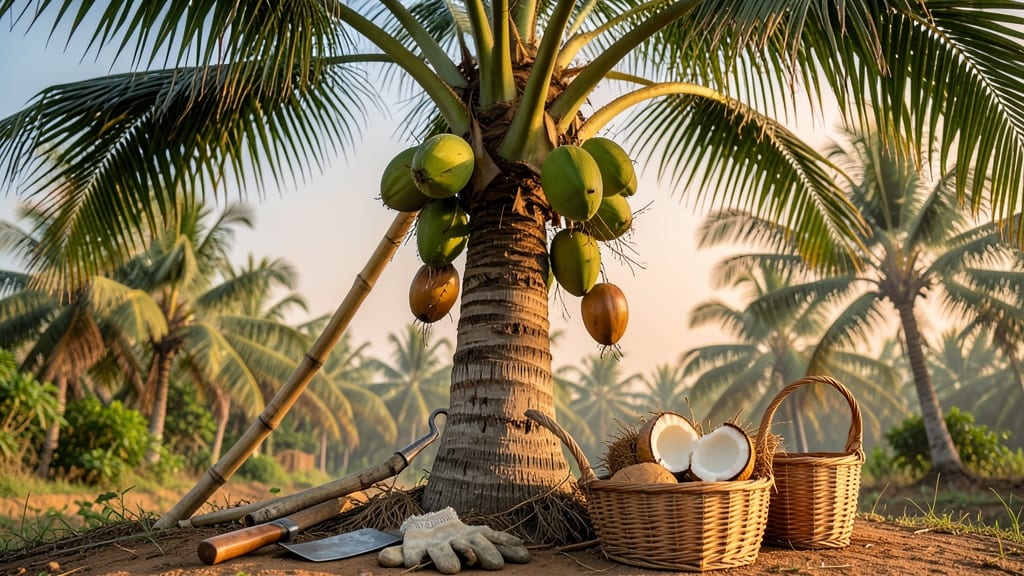
Your palm tree fruit stays stubbornly inside because of one of three hidden problems—rot, pests, or poor pollination—and I’ll show you how to fix each one before it’s too late. 🌿 The first time I saw my date palm flowers drop without fruit, I thought it was just the season.
Turns out, it was a silent battle between scale insects and dry air. Most palm varieties need specific conditions to set fruit: dates require cross-pollination by wind or insects, while coconuts need consistent moisture and warmth. A single missed step—like not shaking flowers during peak bloom—can mean no harvest.
The good news? Organic fixes like neem oil or introducing pollinator-friendly plants work just as well as chemicals. By the end of this, you’ll spot early signs of trouble—yellowing flowers, sticky sap, or hollow stems—and take action before fruit even tries to form.
Your tree won’t just produce fruit; it’ll thrive enough to keep doing it year after year. This works for indoor palms, container-grown trees, and full-size groves—no fancy tools required. Let’s get those fruits out of hiding.
Natural Growth Cycles Explained
Understanding why palm tree fruit develops inside the tree—often hidden within thick, fibrous husks—starts with recognizing the plant’s natural reproductive strategy. Unlike many fruits that ripen on the outside, palm fruits mature in a protected environment, safeguarded against pests, harsh weather, and physical damage.
Here’s why this happens and what drives it:
---
Palm trees evolved in tropical and subtropical regions where environmental threats like heavy rains, strong winds, and hungry animals are constant.
The fibrous husk surrounding the fruit serves as a natural shield, protecting the developing fruit from: - Physical trauma (e.g., falling debris or animal scratches). - Moisture damage (excess rain can rot unprotected fruit). - Pest infestations (insects and rodents are less likely to penetrate dense fibers).
This protective layer also regulates moisture loss, ensuring the fruit stays hydrated until it’s ready for harvest. Without this adaptation, many palm species would struggle to survive in their native habitats.
---
The "inside" growth of palm fruit isn’t just about protection—it’s tied to how the fruit matures. Most palm fruits, like dates, coconuts, and acai, follow a three-phase development: 1. Floral Stage: Flowers bloom inside the tree’s crown, pollinated by wind, insects, or even bats.
2. Early Fruit Formation: A small, watery fruit begins developing, encased in a tough, fibrous layer. 3. Ripening Phase: The fruit expands internally, pushing against the husk.
In some species (like coconuts), the husk hardens into a shell, while in others (like dates), it softens as sugars develop.
Key Insight: The fruit grows inward because the husk is already formed before significant expansion occurs. This is why you often find the edible portion fully developed inside—it’s the tree’s way of ensuring the fruit reaches maturity without external interference.
---
Not all palm fruits develop the same way—temperature, humidity, and sunlight play critical roles in when and how the fruit ripens inside the husk: - High Heat & Low Rainfall: Accelerates sugar concentration in fruits like dates, causing the husk to dry and split open naturally. - Consistent Moisture: Helps fruits like coconuts develop a thick, protective shell to prevent dehydration. - Seasonal Changes: Many palms (e.g., oil palms) produce fruit in response to specific monsoon patterns, ensuring the husk matures at the optimal time for harvest.
Pro Tip: 🌡️ If you’re growing palms for fruit, monitor local climate shifts—unusual droughts or floods can stunt internal fruit development or cause premature husk splitting.
--- Some palm fruits only develop inside the husk because of how they’re pollinated: - Wind-Pollinated Palms (e.g., coconut palms): Flowers are clustered, and pollen must travel short distances, leading to compact, enclosed fruit growth. - Animal-Pollinated Palms (e.g., some acai species): Brightly colored, fleshy fruits inside tough husks attract pollinators after the fruit has already formed internally.
Fun Fact: 🐝 In some wild palm species, the husk’s texture changes post-pollination—softening slightly to signal ripeness to animals (or humans!) that the fruit is ready to eat.
--- You might wonder: Why doesn’t the fruit just grow on the outside like apples or oranges? The answer lies in evolutionary trade-offs: - Energy Efficiency: Building a protective husk uses less energy than constantly repairing damaged fruit. - Dispersal Strategy: Many palm fruits rely on animals (or humans!) to crack open the husk and spread seeds—making the "inside" growth a smart survival tactic.
Myth Buster: ❌ "All palm fruit is hard to access." Not true! Some species (like the peach palm) have softer husks that split easily when ripe, revealing sweet, edible fruit with minimal effort.
--- While internal growth is natural, abnormal conditions can disrupt it: - Poor Pollination: Leads to small, underdeveloped fruit stuck inside the husk. - Nutrient Deficiencies: Weakens husk formation, making fruit vulnerable to rot. - Pest Damage: Insects like palm weevils can burrow into the husk, spoiling the fruit before it ripens.
Actionable Tip: 💡 If your palm tree isn’t producing quality fruit inside the husk, check for: - Yellowing fronds (sign of nutrient issues). - Holes in the trunk (pest activity). - Uneven flowering (pollination problems).
Fixing Common Palm Fruit Issues
Got a palm tree bearing fruit but running into snags? Whether it’s pests, overripe drops, or stubborn husks, these practical fixes will help you harvest—and enjoy—those tropical treats with ease.
Below, we’ve mapped out the most common problems and their solutions, plus tips to keep your palm tree thriving for future harvests.
---
If you spot holes, chewed fruit, or sticky residue on your palm fruit, pests are likely the culprit. Here’s how to tackle them:
#### 🔥 Identify the Pest First, determine what’s munching on your fruit. Common culprits include: - Palm weevils (tunnel into the fruit, leaving sawdust-like frass) - Fruit flies (tiny, attracted to overripe or damaged fruit) - Scale insects (leave a waxy, sticky residue)
#### 🍳 Natural Remedies for Light Infestations For minor issues, try these non-toxic solutions: - Neem oil spray: Mix 1 tbsp neem oil with 1 quart of water and a drop of dish soap.
Spray the fruit and tree weekly. (Pro tip: 🌡️ Apply early in the morning to avoid burning leaves.) - Diatomaceous earth: Sprinkle food-grade DE around the base of the tree (avoid direct contact with fruit).
Reapply after rain. - Yellow sticky traps: Hang these near the tree to catch fruit flies and other flying pests.
#### 👨🍳 Chemical Controls (Last Resort) If pests persist, opt for targeted pesticides: - Permethrin-based sprays for weevils (follow label instructions carefully). - Spinosad for fruit flies (organic and effective for small-scale issues).
#### 🎯 Prevention Tips - Monitor regularly: Check fruit weekly for early signs of damage. - Remove fallen fruit: Overripe or infested fruit attracts more pests—clean up promptly. - Encourage natural predators: Birds and ladybugs love to snack on pests.
Plant companion flowers like marigolds to attract them.
---
If your palm fruit is dropping prematurely or turning mushy, it’s likely overripe. Here’s how to salvage what you can and prevent future waste:
#### 🔪 Harvesting Ripe (But Not Rotten) Fruit - Test for ripeness: Gently press the fruit—it should yield slightly but not feel mushy. A sweet aroma near the stem is a good sign. - Cut carefully: Use a sharp, sterilized knife to slice open the husk.
Avoid tearing the flesh. - Use immediately or preserve: Overripe fruit is best for smoothies, jams, or fermenting (like palm wine). Freeze extras in portions.
#### 🥘 Preventing Premature Dropping - Water wisely: Overwatering or drought stress can cause fruit to drop. Aim for deep, infrequent watering (1–2 times per week, depending on climate). - Fertilize properly: Use a balanced palm fertilizer (high in potassium) during fruiting season.
Avoid nitrogen-heavy fertilizers, which promote leaf growth over fruit. - Prune strategically: Remove dead or diseased fronds to redirect the tree’s energy to fruit production.
#### ✨ Turning "Waste" into Gold - Compost fallen fruit: If the fruit is too far gone to eat, chop it up and compost it to enrich your soil. - Make palm sugar or vinegar: Ferment the fruit’s sap or flesh for homemade palm sugar or vinegar (a traditional practice in many tropical regions).
---
Some palm fruits, like those from date palms or coconuts, have tough husks that resist opening. Here’s how to crack them open safely:
#### 🔥 Tools You’ll Need - Heavy-duty knife or machete (for thick husks) - Hammer or rock (for cracking open coconuts) - Gloves (to protect your hands from sharp edges)
#### 🍳 Step-by-Step Opening Guide 1. Cut the base: Slice through the stem end of the fruit to release any trapped liquid or pests. 2. Score the husk: For fibrous husks (like in coconuts), use a knife to score a cross shape on the top.
Tap gently with a hammer to crack open. 3. Peel or pry: For softer husks (like in some palm fruits), peel back the outer layer with your hands or a knife. For stubborn fibers, soak the fruit in warm water for 10–15 minutes to soften them.
#### 💡 Pro Tips for Easier Opening - Use a coconut scraper: If dealing with coconuts, a specialized scraper makes removing the husk faster. - Boil for coconut water: For young coconuts, boil them for 10–15 minutes to soften the husk and extract fresh water. - Freeze first: For very hard husks, freeze the fruit overnight—this makes cracking easier.
--- Keep your palm tree healthy and productive with these maintenance habits: - Mulch the base: Use organic mulch (like wood chips) to retain moisture and deter weeds. - Avoid over-pruning: Only remove dead fronds—too much pruning stresses the tree. - Watch for disease: Yellowing leaves or black spots could signal fungal issues.
Treat with copper fungicide if needed.
--- By addressing these common issues head-on, you’ll turn your palm tree’s bounty into a delicious, pest-free harvest. Happy harvesting! 🌴🍍
Frequently asked questions
Why does my palm fruit stay inside the husk instead of ripening?
Palm fruits grow inside because their tough husks protect them during development. If fruit isn’t emerging, check for poor pollination (common in date palms) or nutrient deficiencies (like potassium). Some varieties, like coconuts, naturally develop hard shells that only open when fully mature.
How do I tell if palm fruit is ripe when it’s still inside the husk?
Gently tap the husk—ripe fruit will sound hollow or slightly soft. For coconuts, wait until the husk turns brown and cracks open naturally. For dates, the husk should darken and split open on its own when ready. If unsure, check the tree’s fruiting season for your specific palm variety.
What should I do if my palm fruit is rotting inside the husk?
Remove the affected fruit immediately to prevent spread. Check for overwatering (common cause) or pest damage (like palm weevils). Improve airflow around the tree and reduce watering. For future prevention, apply a copper fungicide during the fruiting season.
Can I eat palm fruit that never opens naturally?
Yes! Many edible palms (like peach palms) have soft husks you can peel by hand. For tougher husks (coconuts), score with a knife and tap gently. If the fruit inside is firm and smells sweet, it’s safe to eat—just remove any fibrous material first. Always wash thoroughly before consuming.
How can I encourage my palm tree to produce more fruit?
Focus on three key factors: proper pollination (hand-pollinate if needed), balanced fertilization (high potassium), and consistent moisture. For wind-pollinated palms, gently shake branches during peak bloom. Prune dead fronds to redirect energy to fruit production, and avoid nitrogen-heavy fertilizers that promote leaf growth.