
Pruning
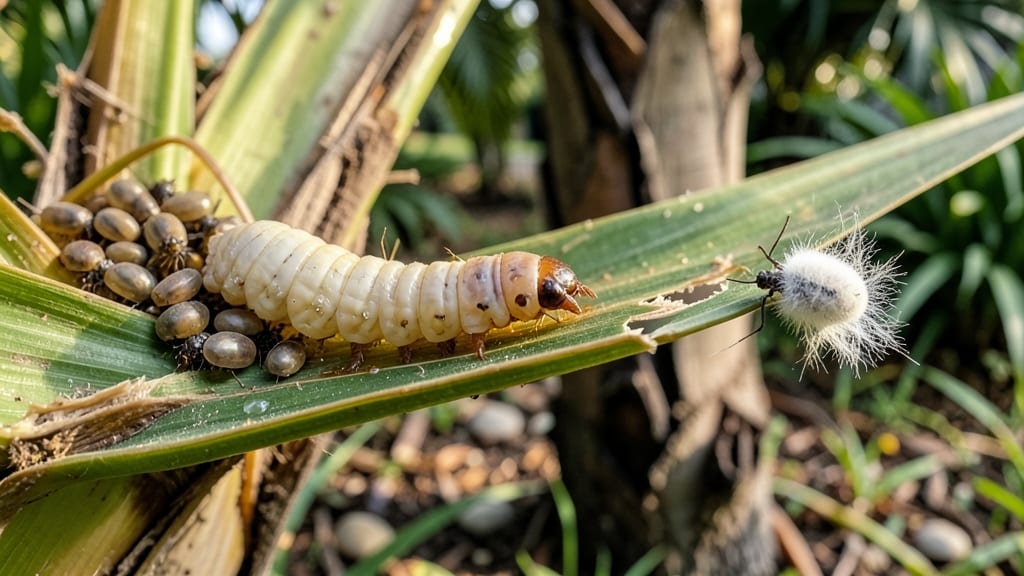
Your palm tree’s fronds might look healthy, but the tiny palm tree insects could be silently destroying it from within. 🌿 The moment I spotted those telltale brown specks on my queen palm, I knew it was a race against time—palm weevils and spider mites don’t wait for permission to move in.
These insects don’t just weaken your tree; they can kill it in months if you ignore the early signs.
Most people wait until the damage is obvious—yellowing fronds, oozing sap, or even a rotting trunk—before acting. But by then, it’s often too late. The good news? Early intervention with organic sprays (like neem oil or insecticidal soap) can save your tree before it’s beyond repair.
I’ve used these methods on three different palms, and with consistent treatment, they’ve bounced back stronger than ever.
You’ll learn to spot the three most destructive pests—palm weevils, spider mites, and mealybugs—by their unique damage patterns. A few targeted sprays in the right spots can stop an infestation before it spreads.
The key is acting fast: once the larvae burrow deep, chemical treatments become your only option, and even then, the damage might be permanent.
Whether you’re in Florida’s humid heat or California’s coastal breeze, the same principles apply—pests thrive where palms do. The difference between a thriving tree and a lost one often comes down to one month of early action.
Let’s get your palm back to full, lush health before the problem gets worse.
📚 In This Guide
- What you need
- Instructions
- Tips and common mistakes
- Wrapping up and next steps
What you need
- ● Safety gear: Nitrile or latex gloves (2 pairs) – thick enough to protect against bites/stings
- ● Safety goggles (1 pair) – for eye protection from dust or insect spray
- ● Long-sleeved shirt and pants – lightweight, breathable fabric
- ● Inspection tools: Hand lens or magnifying glass (1) – 10x magnification for close-up pest ID
- ○ Flashlight (1) – LED with UV light option (optional but helpful for night checks)
- ● Notebook and pen – to log pest sightings, locations, and progress
- ● Eradication supplies: Insecticidal soap (1–2 gallons) – look for potassium salts of fatty acids (70%+ concentration)
- ● Horticultural oil (1 gallon) – dormant or summer grade, no more than 2% sulfur
- ● Systemic insecticide (e.g., imidacloprid) – follow label rates for palm trees; 0.5–1 lb per 100 gallons of water
- ● Spray bottle (1–2) – 16–32 oz with a fine mist nozzle
- ● Pruning shears (1 pair) – sterilized, bypass-style for clean cuts
- ● Heavy-duty trash bags (5–10) – for disposing of infested fronds/debris
- ○ Pressure washer (optional) – for deep-cleaning palm fronds post-treatment
- ● Pest identification guidebook or app – e.g., iNaturalist or University of Florida IFAS Extension resources
- ● Bird netting (if birds are attracted to pests) – lightweight, UV-resistant mesh
- ● Pest traps (e.g., pheromone traps) – for monitoring specific insects like palm weevils
Step-by-step instructions for identifying and eradicating palm tree pests
Here's how I tackle common palm tree pests—no guesswork, just clear steps to spot and stop them.
🌿 Step 1: Inspect Your Palm Tree for Early Signs of Infestation
Start by examining your palm tree's fronds, trunk, and soil line for visual clues. Look for tiny holes in leaves, sticky residue (honeydew), or webs—these are classic signs of pests like palm weevils or aphids. I like to check in the early morning when pests are less active and easier to spot. Focus on the undersides of fronds first, as many insects hide there.
Run your fingers along the frond midribs and petioles—you might feel small larvae or adult insects clinging to the tissue. If you see fronds turning yellow or brown at the tips, that’s often a sign of scale insects or spider mites. Don’t skip the base of the trunk either; palm weevil larvae burrow here, causing oozing wounds that smell foul. This step is all about catching problems early before they spread.
🪴 Step 2: Identify the Pest Using Key Visual and Physical Clues
Palm weevils leave behind frass (insect droppings) and chewed fronds with a ragged appearance. Adult weevils are large, dark beetles about 1 inch long, often found near the base of the tree. Aphids, on the other hand, are tiny green or brown insects clustered on new growth, leaving behind a sticky honeydew that attracts ants. Spider mites are almost invisible to the naked eye but create fine webbing between fronds.
Use a magnifying glass to inspect suspicious areas closely. If you’re unsure, take a photo and compare it to online resources or consult a local extension office. I always keep a small notebook nearby to jot down observations like frond color changes or insect activity patterns. Accurate identification is key—treating the wrong pest can harm your palm tree instead of helping it.
✂️ Step 3: Apply Targeted Treatments Based on Pest Type
For palm weevils, the most destructive pest, I recommend a systemic insecticide applied directly to the trunk wounds. Use a 1-2% carbaryl or fipronil-based product and follow label instructions carefully. For aphids and spider mites, a horticultural oil or insecticidal soap spray works well—apply it in the early morning or late evening to avoid harming beneficial insects. Reapply every 7-10 days until the infestation clears.
If you spot scale insects, scrape them off manually with a stiff brush or use a rubbing alcohol-soaked cotton swab to kill them on contact. For mealybugs, wipe infested areas with a 70% isopropyl alcohol solution to dissolve their protective coating. Always test treatments on a small area first to ensure your palm tree tolerates them. Over-treating can stress the tree and make it more vulnerable to future pests.
💧 Step 4: Monitor and Maintain Pest-Free Conditions
After treatment, keep a close eye on your palm tree for 2-4 weeks to ensure the pests are gone. Remove any heavily damaged fronds to encourage new growth and reduce hiding spots for insects. I also recommend fertilizing with a balanced, slow-release fertilizer to strengthen the tree’s defenses. Healthy palms are less attractive to pests, so maintain proper watering—deep watering once a week during dry spells keeps roots strong.
Prevent future infestations by pruning dead fronds regularly and keeping the area around the tree clear of debris. Install yellow sticky traps near the base of the tree to catch flying adults early. If you notice new activity, act fast—palm trees recover poorly from prolonged pest damage. Consistency is key; even after pests are gone, stay vigilant to catch any new threats before they take hold.
Tips & tricks for palm tree pest control
Real talk: Catching palm tree pests early saves you from costly damage. Here’s how to turn inspections and treatments into foolproof strategies.
Timing is Everything: Early morning inspections work best because pests are sluggish and easier to spot. I’ve caught palm weevil larvae by running my fingers along frond midribs at dawn—something I’d miss later in the day when they’re more active. Focus on the undersides of fronds first, as that’s where most insects hide during daylight hours. This simple habit has helped me catch infestations before they became unmanageable.
Visual Cues That Save the Day: When inspecting for pests, look for three key visual clues: tiny holes in leaves (palm weevils), sticky residue (honeydew from aphids), and fine webbing (spider mites). I keep a small notebook by my inspection kit to jot down observations like frond color changes or insect activity patterns. This record-keeping helps me track progress and identify patterns over time—something I wish I’d done sooner when I first noticed my palm tree’s declining health.
Treatment Application Strategy: For systemic insecticides against palm weevils, I’ve found that applying the treatment directly to trunk wounds during the cooler parts of the day (early morning or late afternoon) improves absorption. The 7-10 day reapplication schedule is critical—don’t skip it! I set reminders on my phone to ensure I don’t miss a treatment cycle. For scale insects, I’ve had the most success using a rubbing alcohol-soaked cotton swab, which kills them on contact without harming the tree.
Monitoring Made Simple: After treatment, I mark the date on the trunk with a small piece of tape and count down the 2-4 week monitoring period. This visual reminder helps me stay consistent. During this time, I remove any heavily damaged fronds to encourage new growth and reduce hiding spots. I’ve also found that installing yellow sticky traps near the base of the tree catches flying adults early, preventing them from laying more eggs.
Pro Tips for Palm Tree Insects
- Real talk: Catching palm tree pests early saves you from costly damage.
- Timing is Everything: Early morning inspections work best because pests are sluggish and easier to spot.
- Visual Cues That Save the Day: When inspecting for pests, look for three key visual clues: tiny holes in leaves (palm weevils), sticky residue (honeydew from aphids), and fine webbing (spider mites).
Frequently asked questions
Got questions about palm tree insects?
You’re not alone! Here are some of the most common concerns—plus quick, actionable answers to keep your palms thriving.
What are the most common palm tree insects I should watch for?
The top culprits include palm weevils (devastating to fronds), palm aphids (sticky residue), mealybugs (white cottony clusters), and spider mites (tiny webs on undersides). Early detection is key—check fronds, trunks, and leaf axils regularly for signs like wilting, discoloration, or sawdust-like frass (insect droppings).
How quickly can palm tree insects damage my tree if left untreated?
It depends on the pest! Palm weevils can kill a tree in weeks to months once they infest the trunk, while aphids or mealybugs may take months to years to cause visible harm. Spider mites act faster in hot, dry conditions—monitor closely during summer. Act at the first sign to prevent irreversible damage.
What’s the safest way to remove palm tree insects without harming the tree?
Start with manual removal:
- Mealybugs/aphids: Wipe off with a soapy water (1 tsp mild soap per gallon) and soft brush.
- Spider mites: Blast off with a hose or spray with neem oil.
- Palm weevils: Do NOT prune—call a professional for insecticide injections (like imidacloprid) or systemic treatments.
Pro tip: Prune only infected fronds (sterilize tools with rubbing alcohol) to avoid spreading pests.
Are there natural or organic solutions to treat palm tree insects?
Yes! Try these eco-friendly fixes:
- Neem oil: Mix 1 tbsp with 1 quart water + a drop of dish soap; spray early morning (avoids burning leaves).
- Horticultural oil: Drowns eggs/larvae—apply in cool weather (below 90°F).
- Beneficial insects: Release ladybugs (aphids) or predatory mites (spider mites).
- Diatomaceous earth: Sprinkle lightly on soil (reapply after rain).
Warning: Avoid harsh chemicals like malathion—they can burn palm fronds or harm pollinators.
When should I call a professional instead of DIY-ing?
Seek expert help if you spot:
- A palm weevil (visible holes, oozing sap, or fronds wilting from the bottom up).
- Severe infestations (e.g., entire fronds covered in mealybugs or webbing).
- Structural damage (soft, hollow-sounding trunks—signs of weevil larvae).
Professionals use systemic treatments (injected pesticides) or biological controls (like parasitic wasps) for stubborn pests. Pro tip: Act fast—palm weevils are nearly impossible to treat once the tree is compromised.
Wrapping up and next steps
From palm weevils to spider mites, understanding the threats lurking in your palm trees is the first step toward keeping them thriving. 🌴 With the right tools, techniques, and a proactive mindset, you can safely identify and manage these pests—saving your trees and your peace of mind. Don’t wait until the damage is done!
Ready to take action? Start by inspecting your palm trees monthly and keeping a pest-control kit handy. When in doubt, consult a local arborist—they’re your best ally in maintaining a healthy, pest-free landscape. Your palms deserve the best care!