
Pests and Diseases
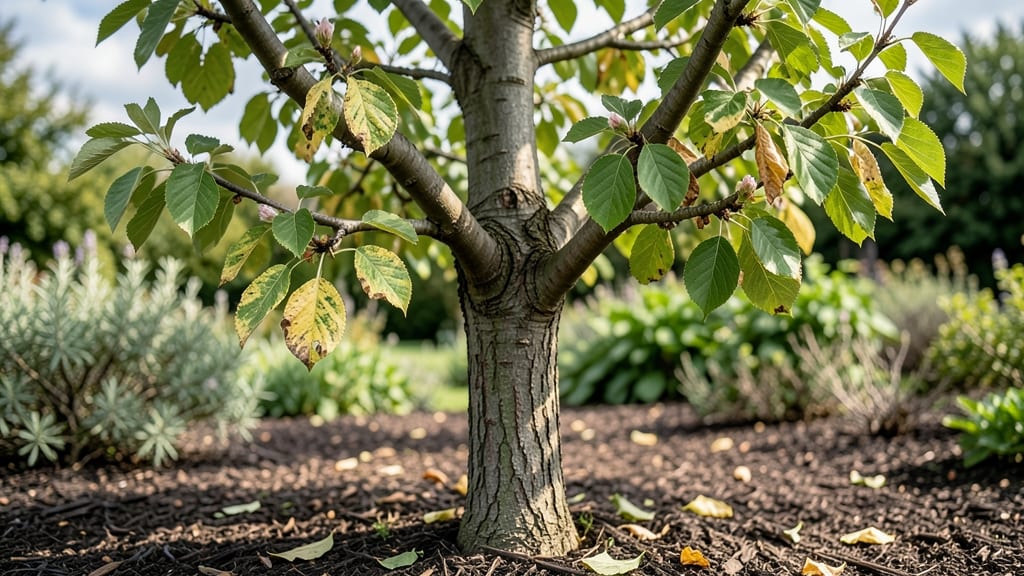
Your cherry tree’s leaves turning yellow and falling off isn’t just a seasonal nuisance—it’s a cry for help. 🌳 I’ve seen this happen after just one wrong move (like overwatering or ignoring a fungus), and the good news is most causes have fast fixes once you know what to look for.
The most common culprits are nutrient deficiencies (especially iron or nitrogen), fungal diseases like leaf spot, or environmental stress from inconsistent watering. Pests like spider mites can also drain your tree’s energy, leaving leaves yellow and crispy at the edges.
Within 2-4 weeks of addressing the root cause—whether that’s adjusting your watering schedule, applying a balanced fertilizer, or treating with fungicide—you’ll see fresh green leaves pushing out. The key is acting before the problem spreads to the branches.
Prevention is easier than cleanup: test your soil annually, prune for airflow, and water deeply but infrequently. Here’s how to diagnose your tree’s specific issue and get it back to thriving.
Why it happens
When your cherry tree’s leaves start turning yellow and dropping prematurely, it’s usually a sign that something’s gone awry beneath the surface. Understanding the why behind this stress is the first step to saving your tree.
Below, we break down the most common culprits—from environmental factors to hidden pests—so you can pinpoint the issue and take action fast.
Too much love (in the form of water) can actually drown your cherry tree’s roots. When soil stays soggy for too long, oxygen can’t reach the roots, leading to anaerobic conditions—a suffocating environment that triggers leaf yellowing (chlorosis) and premature leaf drop.
Cherry trees, especially dwarf varieties, are particularly sensitive to waterlogged soil.
How to spot it:
- Yellowing leaves starting at the bottom of the tree
- Mushy, foul-smelling soil when touched
- Leaves that feel limp or wilted even when soil is wet
💡 Pro Tip: Stick your finger 2–3 inches into the soil—if it’s damp after a few days, you’re overwatering. Cherry trees prefer well-draining soil; amend heavy clay with compost or sand to improve aeration.
Yellowing leaves can be a cry for help from your tree’s nutritional needs. Cherry trees thrive in slightly acidic soil (pH 6.0–7.0), and deficiencies in micronutrients like iron, zinc, or manganese often cause interveinal chlorosis (yellowing between leaf veins).
This is common in alkaline soils or when trees are planted in new soil without amendments.
How to spot it:
- Bright yellow leaves with green veins (classic iron deficiency)
- Stunted new growth or small, distorted leaves
- Yellowing on younger leaves first (unlike overwatering, which starts at the bottom)
🌱 Fix It:
- Test your soil’s pH—aim for 6.0–6.5 for optimal nutrient uptake.
- Apply chelated iron or iron sulfate for quick relief.
- Use a balanced fertilizer (like 10-10-10) in early spring to replenish micronutrients.
⚠️ Warning: Avoid over-fertilizing—too much nitrogen can worsen the problem by promoting leafy growth at the expense of roots.
Tiny invaders like spider mites, aphids, and scale insects suck the sap from your cherry tree’s leaves, causing them to yellow, curl, and drop. These pests thrive in hot, dry conditions and often go unnoticed until the damage is visible. Look for:
- Spider mites: Fine webbing on undersides of leaves + stippled yellowing
- Aphids: Sticky residue (honeydew) on leaves and new growth
- Scale insects: Brown, shell-like bumps on branches and stems
🔥 How to Fight Back:
- Blast pests off with a strong stream of water (especially for aphids).
- Use neem oil or insecticidal soap for mild infestations.
- Introduce beneficial insects like ladybugs or lacewings for natural control.
- For severe cases, apply horticultural oil in dormant season (late winter).
💡 Pro Tip: Early detection is key—check the undersides of leaves weekly during growing season.
Cherry trees are resilient, but extreme environmental stressors can push them over the edge. Sudden heatwaves, drought conditions, or scorching winds cause leaves to lose moisture faster than roots can replenish it, leading to yellowing and drop.
How to spot it:
- Leaves turn brown and crispy at the edges (scorch)
- Premature leaf drop during hot, dry spells
- Wilting even after watering (indicates root stress)
🌿 Relief Strategies:
- Mulch around the base with 2–4 inches of organic mulch to retain moisture.
- Water deeply but infrequently—aim for 1–1.5 inches per week (including rainfall).
- Provide afternoon shade during heatwaves with shade cloth or temporary covers.
- Avoid pruning during drought—it adds stress to an already struggling tree.
🎯 Long-Term Fix: Plant cherry trees in protected locations (away from prevailing winds) and choose drought-tolerant varieties if your climate is arid.
Fungal infections like leaf spot and powdery mildew thrive in humid, poorly ventilated conditions and can turn cherry leaves yellow before they fall. These diseases weaken the tree’s ability to photosynthesize, leading to premature leaf drop.
How to spot it:
- Leaf spot: Yellow rings or spots with dark centers, often on older leaves
- Powdery mildew: White, powdery coating on leaves (especially undersides)
- Leaves may yellow and drop early, even if some spots remain
🧼 Treatment Plan:
- Remove and dispose of infected leaves (do not compost).
- Apply copper fungicide or neem oil at the first sign of infection.
- Improve air circulation by pruning dense branches.
- Avoid overhead watering—use drip irrigation to keep foliage dry.
💡 Prevention: Space trees properly (15–20 feet apart) and avoid planting in low-lying areas where moisture lingers.
Quick Fixes for Yellowing Cherry Tree Leaves
If your cherry tree’s leaves are turning yellow and dropping prematurely, don’t panic—most issues have straightforward solutions. The key is identifying the root cause (like nutrient deficiencies, pests, or disease) and taking targeted action.
Below, we break down practical fixes for each common problem, plus prevention tips to keep your tree thriving.
Yellowing leaves often signal a lack of essential nutrients. Here’s how to diagnose and fix them:
🍃 Iron Chlorosis (Yellow Leaves with Green Veins)
Cause: Poor iron uptake, often due to alkaline soil or compacted roots. Fix:
- Apply iron supplements: Use a chelated iron product (like Ironite or ferrous sulfate) and follow label instructions for soil or foliar spray.
- Lower soil pH: Test your soil (pH 6.0–7.0 is ideal for cherries).
Add sulfur or peat moss to acidic soil. - Improve drainage: Aerate the root zone with organic matter (compost or aged manure) to help roots absorb nutrients.
💧 Nitrogen Deficiency (Pale Yellow Leaves)
Cause: Overwatering, poor soil, or lack of organic matter. Fix:
- Fertilize with nitrogen: Use a balanced fertilizer (10-10-10) or blood meal in early spring.
- Mulch properly: Spread 2–4 inches of organic mulch (wood chips, straw) around the base (keep it 6 inches from the trunk).
- Water deeply but less often: Cherry trees hate soggy roots—aim for 1–1.5 inches of water per week.
🌿 Magnesium or Potassium Deficiency (Yellow Edges or Spots)
Cause: Over-fertilizing with nitrogen or poor soil health. Fix:
- Add Epsom salt (magnesium): Mix 1 tablespoon per gallon of water and spray leaves every 2 weeks.
- Use potassium-rich fertilizer: Try greensand or wood ash (sprinkle lightly around the base).
- Test soil annually: A simple home soil test kit ($10–$20) helps adjust nutrients precisely.
Insects like aphids, spider mites, and borers suck sap, causing yellowing and leaf drop.
🐜 Aphids & Spider Mites (Sticky Leaves, Curling) Fix:
- Blast them off: Spray leaves with a strong stream of water to dislodge pests.
- Neem oil spray: Mix 1 tbsp neem oil + 1 tsp mild soap per gallon of water.
Spray every 5–7 days until gone. - Attract predators: Plant marigolds or ladybug-friendly flowers nearby to lure natural enemies.
🪰 Cherry Leaf Spot or Anthracnose (Fungal Spots, Premature Drop)
Fix:
- Prune infected branches: Remove yellow/brown leaves and sterilize pruners with rubbing alcohol.
- Fungicide treatment: Use copper fungicide (like Bonide Copper Fungicide) before buds swell in spring.
- Improve airflow: Thin out dense branches to reduce humidity (fungi love damp leaves).
🪲 Borers (Holes, Sawdust-Like Frass)
Fix:
- Handpick larvae: Look for small holes or chewed bark—poke out larvae with a screwdriver.
- Apply systemic insecticide: Use imidacloprid granules (follow label rates) in early spring.
- Wrap trunk: Cover the base with tree wrap or aluminum foil to deter adult beetles.
Sometimes, the issue isn’t pests or disease—it’s weather, water, or transplant shock.
💦 Overwatering or Underwatering
Fix:
- Check soil moisture: Stick your finger 2 inches deep—if dry, water deeply; if soggy, hold off.
- Drainage fix: Amend soil with perlite or sand if water pools around roots.
- Mulch properly: 3–4 inches of mulch retains moisture but prevents root rot.
☀️ Sunburn or Heat Stress (Scorched Edges)
Fix:
- Provide afternoon shade: Use shade cloth (30–50%) if your tree gets hot afternoon sun.
- Water deeply in heatwaves: Morning watering reduces evaporation.
- Avoid high-nitrogen fertilizers: In summer, switch to low-nitrogen, potassium-rich feed.
🌪️ Transplant Shock (Yellowing After Moving)
Fix:
- Deep watering: Soak roots once a week for 4–6 weeks post-planting.
- Stake if needed: Use soft ties to support weak stems until established.
- Delay heavy pruning: Wait 6–12 months before major trimming.
- 🌡️ Monitor soil health: Test soil every 2–3 years and adjust pH/nutrients as needed.
- 🍂 Clean up fallen leaves: Remove disease-infected debris in autumn to stop fungal spread.
- 🐞 Encourage beneficial insects: Plant dill, fennel, or yarrow near your tree to attract pest-eating bugs.
- ⏰ Prune at the right time: Late winter/early spring (before buds swell) is best for cherry trees.
- 🚫 Avoid over-fertilizing: More isn’t better—follow package rates to prevent nutrient burn.
If your tree shows sudden wilting, oozing sap, or large dead patches, it may need professional diagnosis (e.g., bacterial canker or advanced borer damage). Don’t wait—act fast to save mature trees!
Remember: Most yellowing issues are fixable with the right care. Start with one solution (like soil testing or neem oil), monitor for 2–3 weeks, and adjust as needed. Your cherry tree will be back to its lush, leafy self in no time! 🌿🍒
Frequently asked questions
Why do my cherry tree leaves turn yellow in patches instead of all at once?
Patchy yellowing often signals a nutrient deficiency (like iron or magnesium) or a fungal disease such as leaf spot. Check for yellow areas between leaf veins (iron deficiency) or dark spots with yellow halos (fungus). Test your soil pH—cherry trees thrive at 6.0-7.0—and apply chelated iron or a copper fungicide if needed.
Can I save my cherry tree if half the leaves have already fallen?
Yes! Act fast by addressing the root cause. If it's overwatering, let the soil dry out completely between waterings. For nutrient issues, apply a balanced fertilizer (10-10-10) and mulch with 2-4 inches of organic material. New leaves should appear within 2-4 weeks if the problem was caught early. Severe cases may need professional help.
How do I tell if my cherry tree's yellow leaves are from pests or disease?
Look closely: Pests (like aphids or spider mites) often leave sticky residue (honeydew) or fine webbing, while diseases (like powdery mildew) create powdery coatings or dark spots. Check leaf undersides for tiny insects or eggs. For pests, use neem oil; for diseases, prune infected branches and apply copper fungicide. Pro tip: Early morning inspections work best!
Is it normal for cherry tree leaves to turn yellow in autumn?
No—cherry trees shouldn't drop leaves prematurely in fall. Normal autumn leaf color changes happen gradually (reds/oranges) and only after 6-8 weeks of cooling temps. If leaves are yellowing and falling before September, there's likely an underlying issue like overwatering, nutrient deficiency, or disease. Address it immediately to protect next year's growth.
Will pruning help stop my cherry tree's leaves from yellowing?
Pruning alone won't fix the problem, but it can help! Remove only dead/diseased branches (sterilize tools with rubbing alcohol) to improve airflow. Avoid heavy pruning during stress—focus on correcting watering, soil health, or pest control first. The best time to prune is late winter/early spring before new growth begins.