
Pruning
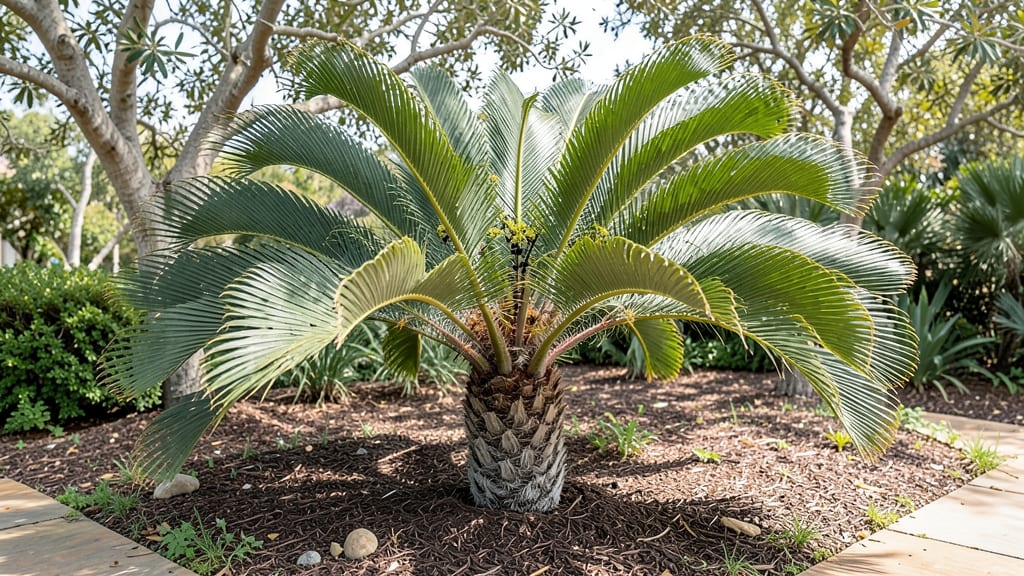
Tiny palms that pack big tropical vibes without the space. 🌿 These short palm tree varieties prove you don’t need a beachfront to enjoy their lush, swaying fronds—just a sunny corner or patio. I’ve tested them in urban balconies and courtyard gardens, and they thrive where full-sized palms would flop.
The secret lies in their natural growth habits: some stay under 6 feet tall, others grow just 3-4 feet wide. Varieties like the Pygmy Date Palm or Dwarf Palmetto deliver that signature tropical look without crowding your space.
They’re perfect for containers, mixed borders, or even as striking focal points in small yards. What you’ll love most is how they soften modern designs while staying low-maintenance. Their fronds add movement and texture, and they pair beautifully with succulents, ornamental grasses, or bright annuals.
Even in tight spaces, they create that resort-like ambiance without the upkeep of larger palms. Whether you’re working with a 6-inch-wide balcony or a 10-foot courtyard, these compact palms adapt effortlessly. Here’s how to choose the right one for your space and style—no guesswork, just lush results.
📚 In This Guide
- What you need
- Instructions
- Tips and common mistakes
- Wrapping up and next steps
What you need
- ● Pruning shears or bypass pruners: Sharp, clean, and sterilized (7-inch blades work well for most short palms). Pro tip: Disinfect with rubbing alcohol between cuts to prevent disease! 💡
- ● Loppers: For thicker fronds or stems (10–12 inches, with bypass blades for precision).
- ● Heavy-duty gloves: Cut-resistant (e.g., ANSI A3-rated) to protect against jagged fronds or sap.
- ● Ladder or step stool: Height-adjustable (4–6 feet) for safe reach—never balance on wobbly surfaces!
- ● Disposable pruning bags or trash bags: 30–50 gallon size to collect debris (ties included).
- ● Rake or leaf blower: For clearing fallen fronds post-prune.
- ○ Pruning sealant (optional but helpful): For large cuts (e.g., Tangle-Free or Ortho brand).
- ● Safety goggles: Protects eyes from flying debris.
- ● Knee pads: For comfort if pruning near the base.
- ● Hose with nozzle: To rinse tools and remove sap residue.
- ● Compost bin: For repurposing healthy fronds (if your palm variety allows).
- ● Camera or phone: Document your palm’s progress before/after!
How to select and care for compact palm tree varieties
Small spaces don’t mean you have to skip the tropical vibe—these dwarf palms thrive in tight spots with minimal fuss.
🌱 Step 1: Choose the Right Dwarf Palm for Your Space
Start with a palm tree variety under 10 feet at maturity—think pygmy date palms (Phoenix roebelenii), parlor palms (Chamaedorea elegans), or bamboo palms (Chamaedorea seifrizii). These stay compact even indoors or in small yards. Check the USDA hardiness zone for your area—most dwarf palms prefer zones 10-12 but can adapt indoors in cooler climates.
I always verify the mature height on the nursery tag—some "dwarf" palms grow to 15+ feet if given enough time. Pygmy date palms, for example, max out at 6-10 feet, making them ideal for patios or large containers. If you’re unsure, ask the nursery for the species name—avoid hybrid labels that might hide rapid growth traits.
☀️ Step 2: Position for Light Without Overheating
Dwarf palms need bright, indirect light—think east or north-facing windows or dappled shade outdoors. Direct sun scorches fronds, while dim corners cause yellowing leaves and weak growth. A grow light works indoors if natural light is limited, but keep it 12-18 inches away to avoid leaf burn.
Outdoors, place your palm where it gets morning sun and afternoon shade, especially in hotter zones. I notice the fronds drooping slightly in the afternoon heat—this is normal, but if they stay wilted past evening, move it to a shadier spot. Containers dry out faster, so water deeply twice a week in summer to keep soil moist but not soggy.
💧 Step 3: Water and Fertilize for Slow, Steady Growth
Water when the top 1-2 inches of soil feel dry—stick your finger in to check. Overwatering is the #1 killer of dwarf palms; yellowing fronds or mushy stems mean you’re drowning the roots. Use a pot with drainage holes and empty the saucer after watering to prevent root rot.
Fertilize monthly in spring/summer with a balanced palm fertilizer (8-2-12 or similar). I dilute it to half-strength—palms are slow growers and don’t need heavy feeding. In fall/winter, cut back to every 6-8 weeks or stop entirely if the plant is dormant. Avoid high-nitrogen fertilizers; they encourage leafy growth over sturdy trunks.
✂️ Step 4: Prune and Maintain for Long-Term Health
Remove brown or yellow fronds at the base with clean, sharp pruners—never pull them off. Cut just above the leaf joint where the frond meets the trunk. This keeps the palm looking tidy and prevents pests from hiding in dead fronds. I prune once a month during active growth to encourage new, healthy fronds.
Dust the fronds every 2-3 months with a damp cloth—palms breathe through their leaves, and dust blocks sunlight. If you spot spider mites or mealybugs, treat with neem oil (mix 1 tsp per quart of water) and spray until soaking wet. Most dwarf palms recover quickly if caught early, but neglected pests can weaken the plant over time.
🪴 Step 5: Repot or Divide Every 2-3 Years
Dwarf palms outgrow containers fast—repot when you see roots circling the bottom or fronds leaning heavily. Choose a pot 2-3 inches wider than the current one, with fresh well-draining potting mix. I add a layer of orchid bark at the bottom for aeration, then fill with a mix of peat moss, perlite, and sand for drainage.
If your palm is clumping (like a parlor palm), it’s ready to divide. Gently separate the offsets with a sterilized knife, ensuring each has roots and fronds. Replant immediately in fresh soil—dividing stresses the plant, so water lightly for a week afterward to encourage root recovery. This is the best way to propagate dwarf palms without seeds.
Tips & tricks for perfect compact palm tree growth
A few smart moves will help your dwarf palms thrive in tight spaces without sacrificing their tropical charm.
Selection Tip: When choosing between pygmy date palms, parlor palms, or bamboo palms, consider your space's humidity levels. Parlor palms (Chamaedorea elegans) tolerate lower humidity better than bamboo palms, which prefer consistently moist air. I've found that pygmy date palms (Phoenix roebelenii) handle indoor dryness surprisingly well but need more light than their counterparts. Verify the species name at purchase—hybrid labels often hide rapid growth potential.
Lighting Strategy: For indoor palms, position your grow light 12-18 inches away to mimic natural bright indirect light. I notice my parlor palms develop slightly yellow fronds when placed too close to south-facing windows—this is a clear sign of sunburn. Rotate your palm every 2-3 months to ensure even growth, especially if using artificial lighting. Outdoor palms should receive morning sun with afternoon shade protection to prevent afternoon wilt.
Watering Wisdom: The finger-check method for soil moisture works best when done at the same time each day. I've learned that container palms often need watering twice weekly in summer, but this varies based on pot size and material. Terracotta pots dry out faster than plastic, so adjust your watering schedule accordingly. Always empty saucers after watering to prevent root rot—a common issue that causes those dreaded mushy stems.
Pruning Precision: When removing brown fronds in Step 4, use clean pruners and make your cut just above the leaf joint where the frond meets the trunk. This clean cut prevents water from pooling at the base, which can attract pests. I've found that pruning once monthly during active growth seasons encourages new frond development. For heavily dusted fronds, use a damp microfiber cloth rather than water alone—this prevents water from accumulating in the leaf axils.
Pro Tips for Palm Tree Short
- A few smart moves will help your dwarf palms thrive in tight spaces without sacrificing their tropical charm.
- Selection Tip: When choosing between pygmy date palms, parlor palms, or bamboo palms, consider your space's humidity levels.
- Lighting Strategy: For indoor palms, position your grow light 12-18 inches away to mimic natural bright indirect light.
Frequently asked questions
Got questions about keeping your palm trees short and manageable? Here are some of the most common ones—plus quick, practical answers to help you prune like a pro!
Why does my palm tree keep growing tall even after pruning?
Palm trees grow from the meristem (the topmost growth point). If you cut too far down, you risk damaging the trunk or removing the growing tip entirely. For short varieties, focus on removing only the oldest fronds (leaves) while preserving the crown shaft. If your tree still shoots up, it may need a structural prune—but do this only if you’re experienced!
How often should I prune to keep my palm tree short?
For compact growth, prune 2–4 times a year, depending on the variety. Remove dead or yellowing fronds immediately, and trim back overly long fronds (but never more than ⅓ of the leaf at once). In cooler months, reduce pruning to avoid stressing the tree. Pro tip: Use sterilized tools to prevent disease!
Can I prune a palm tree too much? What are the signs?
Yes! Over-pruning weakens the tree, leaving it vulnerable to pests or disease. Watch for:
- Stunted new growth
- Brown or blackened fronds
- Soft, mushy trunk (sign of rot)
What’s the best tool for trimming a palm tree short without damaging it?
Use a sharp, bypass pruner for small fronds and a pole saw for higher branches. For thick fronds, a pruning saw with a fine-tooth blade works best. Never use hedge trimmers—they tear leaves and leave jagged cuts. After pruning, disinfect tools with 70% isopropyl alcohol to prevent bacterial spread.
Are there palm tree varieties that stay naturally short without much pruning?
If you want low-maintenance short palms, try:
- Pygmy Date Palm (6–10 ft tall)
- Dwarf Palmetto (6–10 ft, cold-hardy)
- Parlor Palm (indoor-friendly, 3–6 ft)
- Bismarck Palm (slow-growing, 8–12 ft)
What should I do if my palm tree starts leaning after pruning?
Leaning often means the tree is compensating for lost weight or uneven growth. To fix it:
- Check for root issues (e.g., circling roots in pots).
- Repot if needed, using well-draining soil.
- Prune evenly on both sides to encourage balance.
- For severe leans, stake the trunk temporarily with soft ties.
Wrapping up and next steps
Growing a palm tree short in small spaces isn’t just possible—it’s a rewarding way to bring tropical charm to your home or garden! 🌴 By choosing the right variety, mastering pruning techniques, and staying consistent with care, you’ll enjoy a lush, manageable plant that thrives without sacrificing space.
Whether you’re trimming for aesthetics or health, every snip is a step toward a happier, hardier palm.
Ready to take the next step? Start with one of the compact palm tree short varieties mentioned, grab your pruning tools, and give your green thumb a run for its money! 🌱 Your mini oasis awaits—happy pruning!