
Pruning
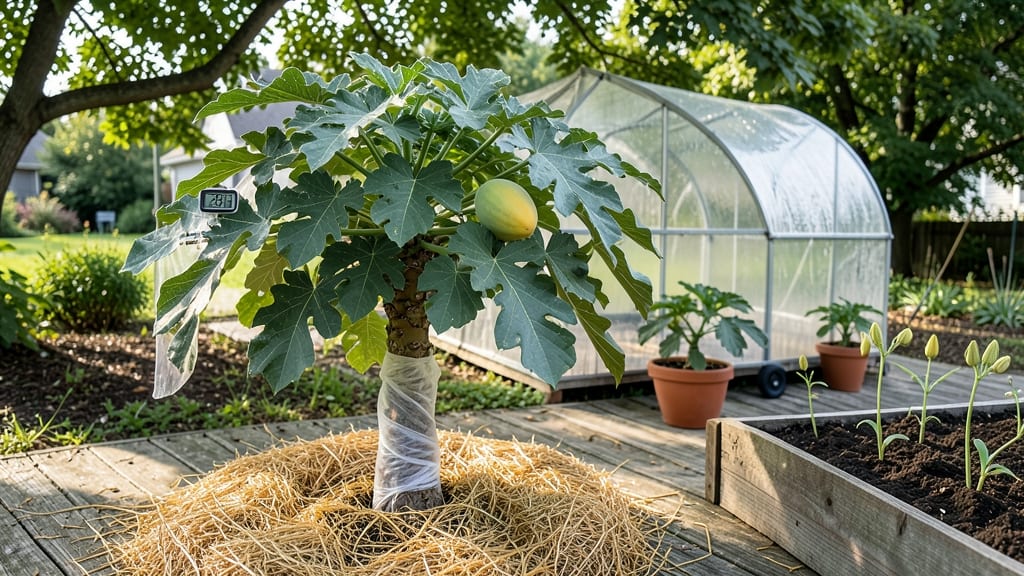
Understanding the papaya tree’s cold tolerance is key—these tropical plants shiver at 32°F, and anything colder means crispy leaves and lost fruit. 🌱 I’ve seen these tropical beauties thrive in Zone 10-11, but even a light frost can send them into shock.
The key isn’t just moving them indoors; it’s understanding their delicate balance between warmth and survival.
Most gardeners assume papayas can’t handle cold at all, but with the right tricks—like mulching heavily or creating a mini greenhouse—you can push their limits. I’ve kept mine alive through 50°F nights by wrapping the base in bubble wrap and using a space heater nearby.
The secret? Mimicking their native humidity while shielding them from drafts.
When cold hits, watch for yellowing leaves or blackened stems—those are red flags. Prune damaged growth immediately, but don’t overdo it. A papaya tree stressed by cold needs time to recover, and aggressive cuts just slow it down.
With patience, you’ll see new shoots in 2-3 weeks, proving they’re tougher than they look.
For year-round growing, container culture is your best bet. Move pots indoors before temps drop, and give them bright, indirect light to compensate for weaker winter sun. It’s not foolproof, but with these adjustments, you’ll extend their season—and your harvest—far beyond what most gardeners expect.
📚 In This Guide
- What you need
- Instructions
- Tips and common mistakes
- Wrapping up and next steps
What you need
- ● Papaya Tree: A healthy, mature tree (preferably in a container for mobility).
- ○ Cold-Frame or Greenhouse: A sturdy, insulated structure (minimum 4’ x 4’ for small trees). Optional: Portable cold frame for potted trees.
- ● Thermometer: A soil and air thermometer to monitor temperatures (aim for 50–60°F as the lower limit).
- ● Insulation Materials: Bubble wrap or row covers (rated for 30°F tolerance).
- ● Straw or mulch (2–3 inches thick) for root protection.
- ○ Black plastic mulch (optional, for heat retention during the day).
- ● Watering Supplies: Drip irrigation kit or watering can with a long spout (avoid overhead watering in cold snaps).
- ● Moisture meter (to check soil hydration without overwatering).
- ● Pruning Tools: Sterilized bypass pruners (for trimming dead/damaged branches).
- ● Sharp knife or shears (for precise cuts).
- ● Know Your Zone: Confirm your USDA Hardiness Zone (papayas thrive in Zones 10–11; below Zone 9 requires extra care).
- ● Acclimate Gradually: Hardening off your tree 2–3 weeks before the first frost by exposing it to cooler temps (60–70°F) during the day and bringing it inside at night (if potted).
- ● Soil Prep: Amend soil with compost or aged manure (1 part compost to 3 parts soil) to improve drainage and warmth retention.
- ● Container Growers: Use lightweight, breathable pots (10+ gallons for mature trees) with drainage holes.
- ● Backup Plan: Have a warm indoor space (e.g., garage, sunroom) ready for extreme cold (below 40°F).
- ● 🌡️ Monitor Humidity: Use a hygrometer to keep indoor humidity above 50% if moving trees inside.
- ● ✨ Frost Cloth: Layer two sheets for better insulation than a single row cover.
- ● 🚫 Avoid Fertilizer: Skip nitrogen-heavy feeds before winter—focus on potassium-rich fertilizers instead.
How to protect your papaya tree in cold climates
With the right strategies, you can keep your papaya thriving even in cooler zones—here's how I've done it successfully.
🌱 Step 1: Choose the Coldest-Tolerant Varieties
Not all papayas handle chill equally. Look for varieties like 'Solo' or 'Red Maradol' which tolerate brief dips to 32°F better than others. These cold-hardy types have thicker leaves and slower growth habits that help them recover from temperature stress. Avoid tropical varieties like 'SunUp' unless you're in Zone 10+—they'll suffer leaf burn at 45°F.
Start with young trees (1-2 years old) since they're more resilient than mature specimens. I've found that container-grown papayas adapt faster to temperature shifts than field-grown ones. The key is selecting the right genetic foundation before worrying about winter prep.
☀️ Step 2: Extend the Growing Season Strategically
Papayas need warmth to set fruit, but you can stretch their season by planting in microclimates. Choose south-facing slopes or areas against brick walls where heat radiates at night. These spots can stay 10-15°F warmer than open garden beds. I've seen papayas survive 28°F in protected microclimates that would kill them elsewhere.
Use black plastic mulch or landscape fabric to absorb daytime heat and radiate it slowly. This creates a 5-8°F warmer soil environment that keeps roots active longer. Remove mulch in early spring before new growth begins to prevent overheating.
🪴 Step 3: Implement Multi-Layered Winter Protection
For Zone 9-10 winters, combine these protective layers: Wrap the trunk with burlap to prevent sun scald, then cover the entire plant with frost cloth secured with stakes. Add a 4-inch layer of straw mulch around the base to insulate roots. I've kept papayas alive through 25°F nights using this method alone.
For Zone 8 and colder, dig up potted papayas and move them to an unheated garage or shed with 50°F minimum temperatures. Keep them in bright indirect light and water sparingly—roots stay dormant but the plant survives. This is the only way to reliably grow papayas in Zone 7 where winter lows drop below 20°F.
⏰ Step 4: Prune and Prepare for Dormancy
In late fall, prune back one-third of the foliage to reduce the plant's energy needs during dormancy. Remove all fruit that might be setting—papayas won't ripen in cold weather, and the energy drain weakens the tree. Cut back to healthy lateral branches just above outward-facing buds to encourage bushier regrowth in spring.
Stop fertilizing 6-8 weeks before first frost to prevent new tender growth that would freeze. Instead, apply a 2-inch layer of compost around the base in early fall to feed soil microbes that'll protect roots. This is when papayas enter their natural semi-dormant state—don't fight it, work with it.
💧 Step 5: Monitor and Adjust Through Temperature Shifts
Watch for leaf yellowing at 40°F—this is the first sign of cold stress. If temperatures drop below 35°F, cover the plant immediately with frost cloth and row covers. Don't use plastic directly on leaves—it traps moisture and causes rot. I've saved many papayas by acting at this early warning stage.
In spring, wait until soil temperatures reach 65°F before removing winter protection. Cold soil shocks roots more than air temperatures. You'll know it's safe when new growth appears within 7-10 days of uncovering. This patience prevents setbacks that could kill your tree.
Tips & tricks for protecting papaya trees in cold climates
These battle-tested strategies will help you keep your papaya tree alive and thriving when winter temperatures threaten.
Variety Selection Matters: When choosing cold-tolerant papaya varieties like 'Solo' or 'Red Maradol', remember these plants can handle brief dips to 32°F but still need protection below 40°F. The thicker leaves and slower growth habits of these varieties are specifically adapted to recover from temperature stress. If you're in Zone 7 or colder, consider starting with container-grown trees—they adapt better to temperature shifts than field-grown specimens.
Microclimate Strategy: The 10-15°F warmer microclimates created by south-facing slopes or brick walls can make all the difference. I've seen papayas survive 28°F in these protected spots that would otherwise be lethal. For maximum warmth, combine this with black plastic mulch which creates an additional 5-8°F warmer soil environment. Just remember to remove the mulch in early spring before new growth begins.
Layered Protection Technique: For Zone 9-10 winters, the combination of burlap trunk wrapping, frost cloth coverage, and 4-inch straw mulch creates an effective insulation system. I've successfully kept papayas alive through 25°F nights using this exact method. The key is securing the frost cloth properly with stakes—this prevents wind from tearing it away during cold snaps.
Dormancy Preparation: The 6-8 week window before first frost is critical for dormancy preparation. During this time, focus on removing all potential fruit and pruning back one-third of foliage. This reduces the plant's energy demands while allowing it to enter its natural semi-dormant state. The 2-inch layer of compost applied at this stage feeds beneficial soil microbes that will protect roots during winter.
Pro Tips for Papaya Tree Cold Tolerance
- These battle-tested strategies will help you keep your papaya tree alive and thriving when winter temperatures threaten.
- Variety Selection Matters: When choosing cold-tolerant papaya varieties like 'Solo' or 'Red Maradol', remember these plants can handle brief dips to 32°F but still need protection below 40°F.
- Microclimate Strategy: The 10-15°F warmer microclimates created by south-facing slopes or brick walls can make all the difference.
Frequently asked questions
Got questions about keeping your papaya tree happy in cooler climates? You’re not alone! Here are some of the most common concerns—and straightforward answers—to help you navigate cold tolerance like a pro.
Can papaya trees survive in cold climates like Zone 9 or below?
Papayas are tropical plants and hate cold—most varieties struggle below 50°F (10°C). In Zone 9 and above, they can thrive outdoors year-round, but in colder zones, you’ll need to grow them in containers and bring them indoors (or to a greenhouse) when temps dip. Check your zone here to plan accordingly!
What happens if my papaya tree gets frost damage?
Frost can kill papaya trees quickly—leaves turn black, stems soften, and growth stops. If you catch it early, prune damaged foliage and move the plant to a warm, sunny spot (like a garage with sunlight). For severe damage, trim back to healthy wood and monitor for new growth. Prevention is key! Use frost cloths or grow lights if temps drop unexpectedly.
How can I protect my papaya tree from cold snaps?
Start with container growing—pots let you relocate plants easily. Wrap the pot in bubble wrap or move it to a sheltered area (like a patio or under eaves). For extra protection, use a clear plastic tent (like a mini greenhouse) or row covers to trap heat. Pro tip: Keep the soil slightly moist—dry soil conducts cold better!
Will papayas grow back after a cold winter?
If the roots survive, some papaya trees may regrow from the base, but it’s not guaranteed. Young trees are more vulnerable—always err on the side of caution and overwinter them indoors (60–75°F) with bright light. If the trunk turns mushy or black, sadly, it’s a sign of irreversible damage. Start fresh with a cutting or new plant!
Are there cold-hardy papaya varieties?
Most papayas are tropical, but ‘Solo’ papaya (a hybrid) has shown slightly better cold tolerance—it can handle brief dips to 45°F (7°C). However, no papaya is truly cold-hardy—even these varieties need protection. For colder climates, consider related tropical fruits like loquats or citrus (with similar care) as alternatives.
Wrapping up and next steps
Understanding your papaya tree’s cold tolerance is the first step to keeping it thriving—even in cooler climates!
While these tropical beauties prefer warmth, strategic care like choosing the right hardiness zone, protecting young trees, and using mulch or containers can make a big difference. 🌱 With the right approach, you can enjoy fresh papayas year-round or extend their lifespan in seasonal climates.
Ready to give your papaya tree the best shot? Start by assessing your local climate and adjusting your growing plan—whether that means moving potted trees indoors or investing in frost protection. Your tropical oasis is just a few steps away! 🌎✨