
Pruning
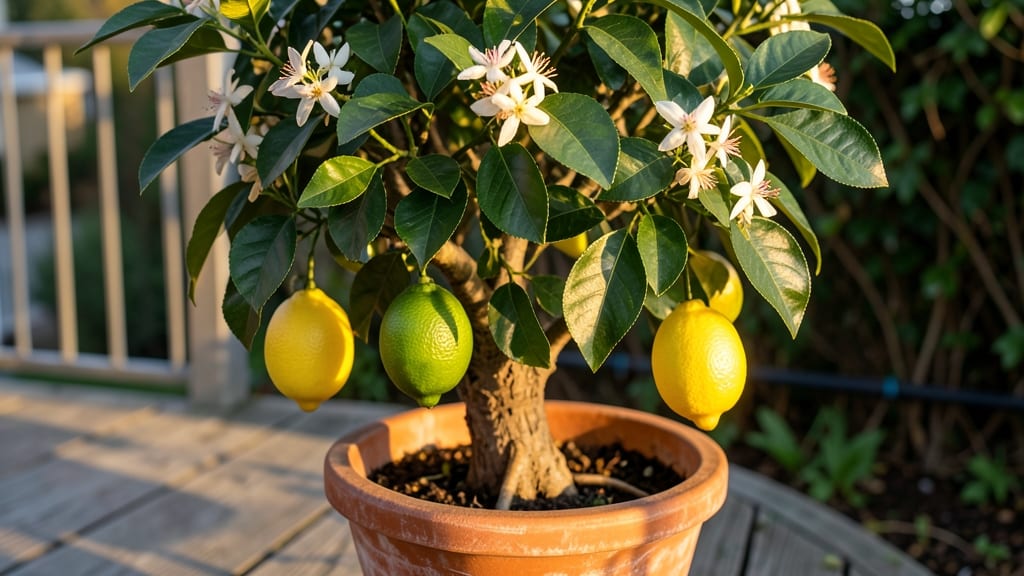
Patio lemon tree care starts with a single, bold choice: year-round fruit in a container. 🌿 I’ve watched my Meyer lemon tree go from a sad nursery purchase to a productive patio centerpiece—all by mastering the right pruning rhythm.
The key isn’t just cutting back; it’s shaping the tree to thrive in limited space while keeping it healthy enough to bear fruit twice a year. Most people over-prune, thinking more cuts mean more fruit—but it’s the opposite.
Your goal is to create an open, airy structure that lets sunlight reach the center and encourages new growth where it matters. I’ve trimmed mine every late winter and early summer, always after a flush of new leaves.
This keeps the tree compact, prevents overcrowding, and ensures those sweet, fragrant blooms turn into lemons instead of just leaves. By summer’s end, you’ll have a tree bursting with bright green foliage and clusters of blossoms, followed by a harvest that rivals grocery-store lemons—only better because they’re yours.
The secret? Pruning for airflow and light, not just size. And yes, even in containers, these trees can live for decades with the right care. This method works for Meyer lemons, Eureka, or Lisbon varieties—just adjust the pruning timing slightly based on your climate.
Let’s get those shears sharp and turn your patio into a citrus paradise.
📚 In This Guide
- What you need
- Instructions
- Tips and common mistakes
- Wrapping up and next steps
What you need
- ● Pruning shears: Bypass pruners (sharp, clean, and sterilized with rubbing alcohol or bleach). Size: 6–8 inches for precision.
- ● Hand pruners: For smaller branches (test for sharpness—blunt blades crush stems!).
- ● Loppers: 10–14 inches for thicker branches (up to 2 inches in diameter).
- ● Gloves: Heavy-duty gardening gloves (lemon trees have thorns!). Bonus: Nitrile-coated for grip.
- ● Disinfectant: 1-part bleach to 9-parts water (for sterilizing tools between cuts).
- ○ Pruning sealant: Optional but helpful for larger wounds (look for tanglefoot tree wound pruning seal).
- ● 5-gallon bucket: For collecting clippings (or a compost bin if you’re into recycling!).
- ● Watering can or hose: With a gentle spray nozzle for post-pruning hydration.
- ● Extension pole: For high branches (10–12 feet, with a saw attachment if needed).
- ● Tree tie or zip ties: To secure branches if your patio has windy conditions.
- ● Citrus fertilizer: Balanced NPK (e.g., 6-6-6) or organic options like fish emulsion.
- ● Mulch: Organic mulch (e.g., wood chips) to retain moisture and regulate soil temp.
- ● Spray bottle: With water + mild dish soap (for wiping down tools or cleaning sap off leaves).
Step-by-step pruning guide for your patio lemon tree
Here’s how I keep my lemon tree thriving year-round—with more fruit and lush foliage.
✂️ Step 1: Prune for Airflow and Light in Early Spring
Start pruning in late February or early March, just as new growth begins. Your goal is to shape the tree while encouraging airflow—this prevents fungal diseases like citrus blight. Look for branches growing inward or crossing others; these compete for sunlight and nutrients. Cut them back to an outward-facing bud or branch using clean, sharp pruners.
Remove any dead, diseased, or weak branches first. You’ll know a branch is dead if it’s brittle, doesn’t bend, and has no green underneath the bark. For thicker branches, make your cut just outside the branch collar (the swollen area where the branch meets the trunk). This ensures the tree heals properly and doesn’t develop cankers.
☀️ Step 2: Thin Out Overcrowded Branches in Summer
Mid-summer is the time to thin out dense areas of the canopy. Lemon trees produce best when they have good light penetration to the center. Look for clusters of branches where leaves block sunlight from reaching the interior. Select 1-2 of the strongest, healthiest branches in each cluster and prune the rest back to a leaf node or bud.
Here’s the thing—don’t remove more than 25% of the tree’s foliage in one session. You’ll see new growth sprout within 2-3 weeks if you’ve pruned correctly. If you notice yellowing leaves after pruning, it’s usually a sign of over-pruning or stress—just give the tree a little time and keep watering consistently.
✂️ Step 3: Light Pruning for Fruit Production in Fall
As winter approaches, focus on shaping the tree for next year’s fruit. Remove any branches that are growing straight up (called “watersprouts”)—these steal energy from fruit production. Instead, encourage horizontal branches by pruning upward-growing stems back to a side branch or bud. This creates a more open, fruit-bearing structure.
Also, trim back any suckers that sprout from the base of the tree. These compete with the main trunk and can weaken the tree’s structure. Use your pruners to cut them off at the base, but avoid damaging the main trunk. Fall is also a good time to remove any small, misshapen fruit clusters—this redirects the tree’s energy toward producing larger, healthier lemons.
⏰ Step 4: Minimal Winter Pruning to Protect New Growth
Winter pruning should be minimal—just enough to remove any dead or damaged branches from frost or storms. Lemon trees are somewhat cold-hardy, but their new growth is delicate. Avoid heavy pruning in winter, as it can stress the tree when it’s already conserving energy. If you must prune, do it on a mild day and avoid cutting into old wood.
This is also the time to sterilize your pruners with rubbing alcohol. Citrus trees are prone to bacterial infections, and winter is when diseases can spread easily. A quick wipe-down between cuts prevents cross-contamination. If you notice any signs of pests like aphids or scale, treat the tree with neem oil or insecticidal soap before new growth starts in spring.
Tips & tricks for perfect patio lemon tree maintenance
A few simple strategies can transform your lemon tree from struggling to spectacular. Here's what I've learned after years of trial and error.
Timing is Everything: The late February to early March window for spring pruning is non-negotiable. This timing aligns perfectly with your tree's natural growth cycle, giving it time to recover before summer's heat. I always check for the first tiny buds appearing on branches—this is your cue to start. The 2-3 week recovery period mentioned in summer pruning is equally important; this gives the tree time to heal and prepare for new growth.
Branch Selection Strategy: When thinning crowded branches in summer, I look for the "golden triangle" of healthy growth: a branch with vibrant green leaves, a strong bud at the base, and good sunlight exposure. The 25% foliage limit isn't arbitrary—it's based on how much your tree can handle without stress. If you're unsure, err on the side of caution and remove slightly less than you think you should.
Winter Protection: That minimal winter pruning advice isn't about laziness—it's about survival. Lemon trees are surprisingly cold-hardy, but their new growth is delicate. I've learned the hard way that winter pruning can actually invite frost damage. Always prune on days above 50°F, and never cut into old wood. The rubbing alcohol sterilization step is crucial—it's the difference between a healthy tree and one battling bacterial infections.
Fruit Production Focus: The fall pruning for fruit production is where you'll see the biggest payoff. I make it a point to remove those watersprouts—they're like leeches on your tree, sucking energy that could go to fruit production. When removing small fruit clusters, I aim for the ones that are already misshapen or clustered too tightly. This redirection of energy often results in 20-30% larger lemons the following season.
Pro Tips for Patio Lemon Tree Care
- A few simple strategies can transform your lemon tree from struggling to spectacular.
- Timing is Everything: The late February to early March window for spring pruning is non-negotiable.
- Branch Selection Strategy: When thinning crowded branches in summer, I look for the "golden triangle" of healthy growth: a branch with vibrant green leaves, a strong bud at the base, and good sunlight exposure.
Frequently asked questions
Got questions about keeping your patio lemon tree thriving? Here are some of the most common concerns—and their solutions—to help you grow a fruitful, healthy tree all year long.
When is the best time to prune my patio lemon tree for fruit production?
Prune your lemon tree in late winter or early spring (just before new growth starts) to encourage fruit production. Avoid heavy pruning in summer—this can stress the tree and reduce flowering. Light shaping pruning is fine in summer, but save major cuts for the dormant season!
How much should I trim back my lemon tree? Should I cut back old wood?
Remove no more than 25-30% of the tree’s foliage in one session to avoid shocking it. Cut back overly dense or crossing branches first, then thin out older, non-productive wood. Never remove more than 1/3 of the canopy in a single pruning—your tree will thank you with more fruit!
Can I prune my lemon tree in winter if it’s potted and indoors?
Yes! If your tree is indoors, prune during its dormant period (winter) to control size and shape. Just avoid pruning if temperatures drop below 40°F (4°C)—lemon trees are sensitive to cold. Use sharp shears to make clean cuts, and repot if roots are circling to encourage new growth.
My lemon tree leaves are yellowing after pruning. What’s wrong?
Yellow leaves after pruning are often a sign of over-pruning or root stress. Check for root-bound pots or underwatering—lemon trees need well-draining soil and consistent moisture. If roots are circling, repot in fresh soil. Also, ensure your tree gets 6+ hours of sunlight daily to recover faster.
Can I grow a dwarf lemon tree in a container without pruning?
While dwarf varieties require less pruning, they still benefit from light shaping and deadwood removal to encourage airflow and fruit production. Skip heavy pruning, but trim back leggy growth and suckers (shoots growing from the base) to keep the tree compact and healthy. Regular pruning also prevents overcrowding, which can lead to pests.
Wrapping up and next steps
Caring for your patio lemon tree is a rewarding journey that brings vibrant foliage and delicious fruit right to your doorstep! 🌿🍋 With the right pruning techniques—like removing dead branches, shaping for airflow, and encouraging new growth—you’ll keep your tree thriving year-round.
Remember, consistency is key, and a little effort now means bountiful harvests later.
Ready to take the next step? Grab your pruners and give your lemon tree the love it deserves—your future lemons will thank you! 🌟 Happy pruning!