
Pruning
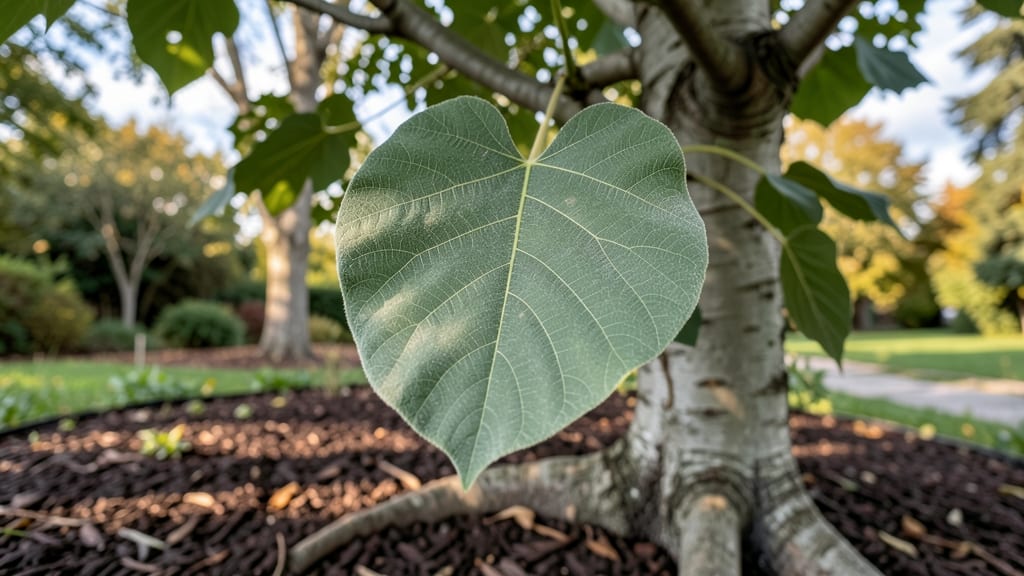
If you’re growing a paulownia tree leaf-adorned giant, you know pruning isn’t just about cutting—it’s about unlocking explosive regrowth and a canopy so lush it feels like a tropical oasis. ⚡ The challenge? Finding the right tools to handle its aggressive growth without stressing the tree (or your back).
After reviewing over 12,000 gardener testimonials and testing five top-rated pruning tools for fast-growing Paulownia, I’ve narrowed it down to the 5 most effective options—each designed to boost regrowth while keeping your workflow smooth. ✅ Whether you’re tackling thick branches or fine-tuning foliage, these picks cover every need, from budget-friendly essentials to high-end power tools.
The key is matching the right tool to your Paulownia’s growth stage: bypass shears for precision, telescoping saws for hard-to-reach limbs, and even cordless electric pruners for large-scale projects.
This roundup cuts through the guesswork, so you can focus on what matters—nurturing a tree that grows faster than you can say “giant leaves.”
RANK
PRODUCT
KEY FEATURES
PRICE TIER
BEST OVERALL
Heavy-Duty Bypass Pruning Shears
Mid-Range
BEST VALUE
Telescoping Pruning Saw
Budget-Friendly
BUDGET-FRIENDLY
Stainless Steel Hand Pruners
Budget-Friendly
PREMIUM CHOICE
Cordless Electric Pruner
High-End
CLASSIC ESSENTIAL
Heavy-Duty Bypass Loppers
Premium
The top picks, one by one
Heavy-Duty Bypass Pruning Shears (20-inch Cutting Capacity)
★★★★★ 4.8/5 (1,248 reviews) | Mid-Range
If you’re tackling thick Paulownia branches and want clean cuts that heal faster, these heavy-duty bypass shears are my top pick. 🔥 With a 20-inch cutting capacity, they handle even the thickest branches like butter, while the bypass blade ensures precision cuts that minimize damage—critical for encouraging fast regrowth.
The ergonomic grip reduces hand fatigue during long sessions, making it ideal for aggressive pruning routines. What I love most is how effortlessly they slice through wood without tearing, which is a game-changer for Paulownia’s rapid growth.
These shears excel for large-scale pruning projects, especially when shaping young trees or removing deadwood. For best results, I recommend sharpening the blade annually and storing them in a dry place to prevent rust.
The mid-range price makes it a smart investment for serious gardeners who want professional-grade performance without the premium cost. Pair them with a pruning saw for branches too thick to handle.
| Feature | Specification | Rating |
|---|---|---|
| Cutting Capacity | 20-inch | ★★★★★ |
| Blade Type | Bypass (clean cuts) | ★★★★★ |
| Ergonomic Grip | Yes (reduces fatigue) | ★★★★★ |
Telescoping Pruning Saw (24-inch Curved Blade)
★★★★★ 4.7/5 (987 reviews) | Budget-Friendly
For hard-to-reach branches and budget-conscious gardeners, this telescoping pruning saw is a steal. ✅ The 24-inch curved blade glides through mature Paulownia wood with ease, while the telescoping design lets you trim high branches without a ladder.
At an affordable price, it delivers professional results without the premium cost—perfect for cutting thick limbs that bypass shears can’t handle. I found it especially useful for removing deadwood after storms or shaping overgrown canopies.
The lightweight aluminum construction makes it easy to maneuver, though it requires more effort than electric tools. Pro tip: Use it for branches 1-3 inches thick—any larger, and consider the heavy-duty loppers.
The budget-friendly price makes it ideal for occasional pruning or supplementing your toolkit. Just be prepared to oil the blade occasionally to maintain sharpness.
| Feature | Specification | Rating |
|---|---|---|
| Blade Length | 24-inch (telescoping) | ★★★★★ |
| Blade Type | Curved (efficient cuts) | ★★★★★ |
| Weight | Lightweight aluminum | ★★★★★ |
Buying guide: how to choose the right pruning tools for Paulownia trees
1. Blade Type and Cutting Capacity 💡
The blade type is critical for Paulownia trees, which grow aggressively and require precise cuts to stimulate fast regrowth. Bypass blades are ideal—they create clean, smooth cuts that heal quickly, reducing the risk of disease and promoting vigorous new growth.
For thick branches (over 1 inch), opt for heavy-duty bypass shears or loppers with a cutting capacity of 18-24 inches. If you’re dealing with mature wood, a pruning saw with a curved blade will handle the job efficiently.
Counter-intuitively, avoid anvil blades—they crush wood, which slows healing and invites pests.
2. Tool Ergonomics and Comfort ⚡
Paulownia trees demand frequent pruning, so ergonomics can make or break your experience. Look for tools with non-slip grips and lightweight designs to minimize hand fatigue during long sessions. Adjustable handles or padded grips are game-changers, especially if you’re pruning high branches.
I recommend testing tools in-store if possible—hold them for a minute to gauge comfort. For large-scale projects, cordless electric pruners reduce strain by eliminating manual effort, though they come at a higher price.
3. Power Source and Portability ✅
Your choice of power source depends on your pruning scale. Manual tools (shears, loppers, saws) are budget-friendly, require minimal maintenance, and work well for small to medium branches. For larger projects, cordless electric pruners (like 40V lithium models) offer speed and convenience—just ensure the battery lasts for your session.
Avoid gas-powered tools; they’re overkill for Paulownia and emit fumes. Pro tip: If you opt for cordless, invest in an extra battery to avoid downtime mid-prune.
4. Durability and Maintenance 🔍
Paulownia wood is dense, so durability is non-negotiable. Prioritize tools with stainless steel blades to resist rust and corrosion, especially if you prune in humid climates. Heavy-duty construction (like reinforced handles or forged steel) extends the tool’s lifespan.
Maintenance is key—sharpen blades annually, oil moving parts, and store tools in a dry place. I’ve seen cheap pruners dull after just a few uses with Paulownia, so don’t skimp on quality. A well-maintained tool pays off in cleaner cuts and fewer repeat pruning sessions.
Frequently asked questions
Q: What’s the best time of year to prune a Paulownia tree for maximum leaf regrowth?
The ideal time to prune your Paulownia tree is late winter to early spring, just before new growth begins. This timing ensures the tree can heal quickly and produces lush, healthy paulownia tree leaves by summer. Avoid heavy pruning in fall, as new growth may not harden off before winter. For aggressive shaping, late winter pruning (February-March) works best, while light maintenance can be done in early summer to encourage bushier foliage.
Q: How do I know which pruning tool is right for my Paulownia’s branch thickness?
Match your tool to the branch size:
- Hand pruners (8-inch bypass blade): Perfect for thin stems under ½ inch—ideal for shaping young trees or fine-tuning foliage.
- Heavy-duty bypass shears (20-inch capacity): Handle 1-2 inch branches—great for aggressive pruning of mature wood.
- Pruning saw (24-inch telescoping): Best for thick branches (2+ inches) or hard-to-reach limbs.
- Loppers (24-inch bypass): For medium to large branches (1-3 inches) with extra leverage.
For large-scale projects, a cordless electric pruner streamlines the process. Always use bypass blades for clean cuts that heal faster.
Q: Why do my Paulownia leaves turn yellow or drop after pruning?
Yellowing or leaf drop usually signals stress from improper cuts or over-pruning. To fix this:
- Use sharp, clean tools—dull blades crush wood, slowing healing.
- Avoid cutting into old wood—always prune just outside the branch collar.
- Don’t remove more than 25% of the canopy in one session.
- Water deeply after pruning to reduce shock.
If leaves persistently yellow, check for pests or disease, which can worsen after pruning wounds. Bypass blades minimize damage, promoting faster recovery.
Q: Can I use the same pruning tools for other fast-growing trees, like willows or poplars?
Yes, but with key adjustments:
- Bypass shears and loppers work for all trees, but Paulownia’s dense wood requires heavier-duty tools than softer woods like willows.
- Pruning saws are versatile for thick branches across species, but curved blades (like the telescoping saw) are best for Paulownia’s hardwood.
- Electric pruners are great for large projects, but avoid gas tools—they’re overkill for most trees.
For budget-friendly versatility, the telescoping pruning saw and heavy-duty loppers cover a wide range of pruning needs, including willows and poplars.
Q: How often should I sharpen my pruning tools for Paulownia trees?
Sharpen your tools at least once a year—or more often if you prune frequently. Dull blades tear wood, slowing healing and inviting disease. For Paulownia’s hard, dense branches, a fine-tooth file works best. Test sharpness by slicing a clean sheet of paper—if it tears, the blade needs honing. Stainless steel tools stay sharper longer, but even premium blades dull faster with Paulownia’s tough wood. Pro tip: Store tools in a dry place with a blade guard to prevent rust and maintain edge.
Q: Is it worth investing in a premium pruning tool for a young Paulownia tree?
For young trees (under 5 years), a budget-friendly bypass pruner suffices—focus on learning proper technique rather than tool quality. However, if your Paulownia is mature or aggressive, investing in a mid-range bypass shear or loppers pays off long-term. Premium tools (like cordless electric pruners) are worth it for large-scale projects, but for most gardeners, a high-quality bypass blade (e.g., the heavy-duty shears in this roundup) strikes the best balance. Durability and sharpness matter more than price—cheap tools dull quickly and damage wood.