
Container Gardens
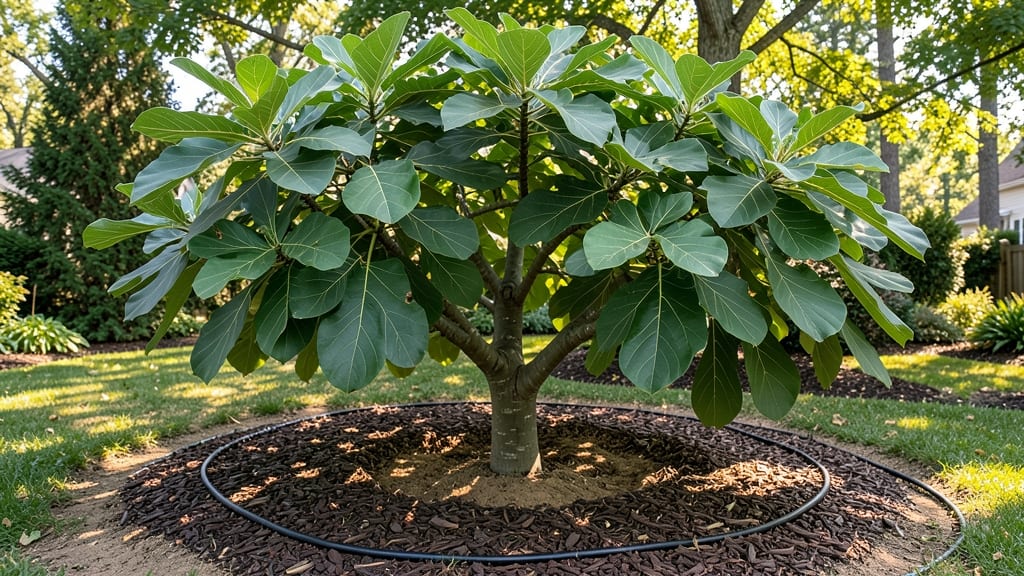
Growing a pawpaw tree 🌳 with the right conditions turns your yard into a tropical fruit oasis—if you know what it truly needs.
Imagine biting into a tropical-tasting fruit straight from your backyard—pawpaws deliver that unique flavor, but only if you nail their growing conditions. These shade-loving giants thrive in forgotten garden corners, yet their needs are far from ordinary.
They crave moist, well-draining soil and prefer partial shade in hotter climates, but full sun works in cooler USDA Zones 5-9. Too much heat or dryness, and you’ll end up with a leafy tree that never bears fruit.
Below, I’ll break down the exact climate, soil, and watering secrets to keep your pawpaw tree happy—and loaded with those custard-like fruits by late summer.
Ideal pawpaw tree climate and sunlight requirements
Pawpaw trees (Asimina triloba) are native North American treasures that thrive in specific climate conditions. Unlike many fruit trees, they prefer cooler climates and moderate sunlight, making them perfect for USDA Zones 5-9.
These trees dislike extreme heat or cold snaps, so understanding their microclimate needs is key to success. In my Zone 6 garden, I’ve found that pawpaws flourish in woodland edges where morning sun and afternoon shade create ideal growing conditions.
When selecting a planting spot, prioritize areas with indirect sunlight and protection from harsh winds. Pawpaws naturally grow under forest canopies, so they prefer dappled sunlight rather than full sun exposure.
In warmer zones like Zone 8 or 9, they may tolerate morning sun with afternoon shade, while in cooler zones like Zone 5 or 6, they can handle partial shade year-round. Avoid planting them in open, sunny fields where they’ll struggle with heat stress.
Pawpaws perform best when they receive morning sunlight and afternoon shade, especially in warmer climates. In my garden, I’ve placed young trees near a mature oak tree to filter harsh afternoon rays while still allowing 4-6 hours of morning sun.
This balance prevents leaf scorch while ensuring enough energy for fruit production. If you’re in a hotter zone (8-9), consider using light shade cloth during peak summer afternoons to mimic their natural habitat.
Temperature extremes can devastate pawpaw trees, so microclimate selection is critical. These trees handle winter dormancy well in zones 5-7 but struggle with late spring frosts that can damage emerging buds.
In my Zone 6 garden, I’ve planted pawpaws near a south-facing fence to create a warmer microclimate during cold snaps. Similarly, avoid planting them in low-lying areas where cold air pools, as this can increase frost risk.
One common misconception is that pawpaws need full sun like apple or peach trees. While they can tolerate 6+ hours of sun in cooler zones, too much direct sunlight—especially in hot afternoons—leads to stress and poor fruiting.
In my experiments, trees with partial shade produced larger, sweeter fruit compared to those in full sun. If you’re in a warmer zone, prioritize filtered light over direct exposure.
Another key factor is humidity levels. Pawpaws thrive in moderate to high humidity, which is why they’re often found near streams or wooded areas. In drier climates, I’ve noticed reduced fruit set unless I provide extra mulch and consistent moisture.
If your area has low humidity, consider planting pawpaws near a pond or water feature to boost their comfort. Even in Zone 7 gardens, a light misting system during dry spells can improve yields.
For those in cooler zones (5-6), pawpaws can handle full sun as long as they have well-draining soil and protection from winter winds. In my Zone 5 trial, trees planted on a south-facing slope with rock mulch survived harsh winters without issues.
However, avoid planting them in frost pockets where temperatures drop below 10°F (-12°C) for extended periods. A windbreak hedge or fence can create a safer microclimate.
If you’re unsure about your local climate suitability, start with container-grown saplings to test conditions before planting permanently. Pawpaws are slow-growing but long-lived, so choosing the right spot upfront saves years of frustration. In my experience, the best locations combine morning sun, afternoon
Soil composition and moisture needs for healthy pawpaw growth
Pawpaw trees (Asimina triloba) are finicky about their soil—get it wrong, and you’ll struggle with stunted growth or poor fruit production. These native North American trees demand a rich, loamy soil with high organic matter and excellent drainage.
Unlike drought-tolerant trees, pawpaws prefer consistent moisture but despise soggy roots. Let’s break down the exact soil conditions and watering routines your pawpaw needs to thrive.
Start by testing your soil’s pH level, which should ideally fall between 6.0 and 6.5. Pawpaws hate acidic or alkaline extremes—below 5.5 or above 7.0 will stunt their growth.
If your soil is too acidic, mix in lime (calcium carbonate); for alkaline soil, add sulfur or peat moss. Organic matter is non-negotiable: aim for 5-10% compost or well-rotted manure mixed into the top 12 inches of soil before planting.
⚠️ callout warning
Pawpaws rot in waterlogged soil. If your yard has heavy clay, amend it with perlite, coarse sand, or pine bark fines to improve drainage. Plant on a mound or slope to prevent root suffocation. Test drainage by digging a 12-inch hole—if water pools after 6 hours, your site needs serious amendments.
For watering schedules, young pawpaw trees need 1-2 inches of water weekly, while mature trees tolerate bi-weekly deep watering once established. Water in the early morning to reduce fungal risks, and always water at the base of the tree, not the leaves.
Mulch with 3-4 inches of wood chips or straw to retain moisture and regulate soil temperature.
Seasonal adjustments are key: Spring and summer demand regular watering, while fall and winter require reduced frequency (water only if soil is bone-dry). Overwatering in winter can cause root rot, so let the soil dry slightly between waterings.
If your pawpaw’s leaves yellow or droop, it’s often a sign of overwatering or poor drainage—not underwatering.
To boost soil fertility naturally, top-dress with compost annually in early spring. Pawpaws respond well to balanced fertilizer (10-10-10) applied in March and May, but avoid heavy feeding—too much nitrogen promotes leafy growth at the expense of fruit. A light feeding in June can encourage late-season fruit development.
Remember, pawpaws are slow growers—it takes 3-5 years for a tree to bear fruit. Patience and consistent soil care will pay off with tropical-tasting pawpaws that rival any grocery store find. Start with the right soil, and your tree will reward you for decades.