
Pruning
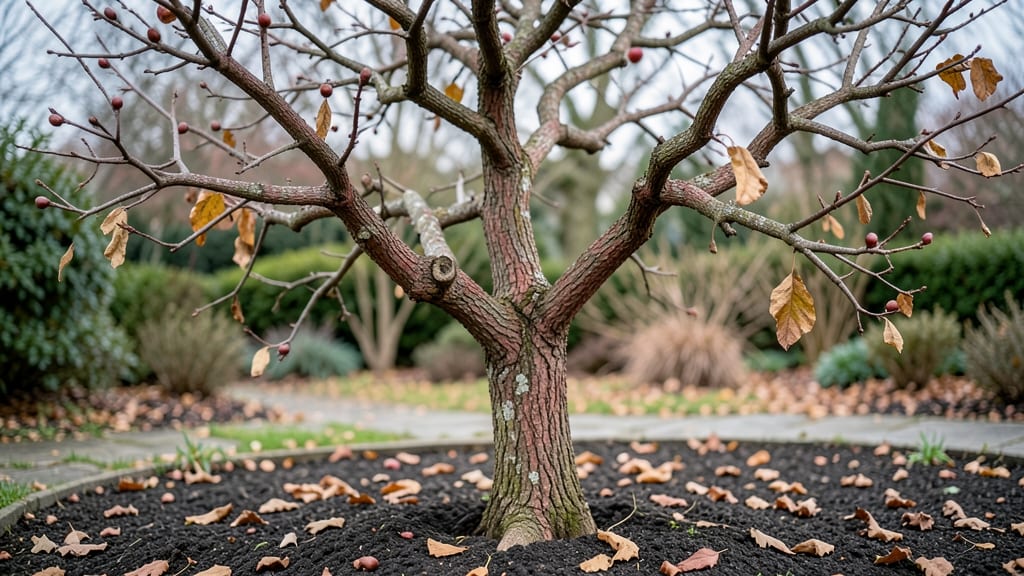
To care for a pomegranate tree in winter, protect it from cold damage by wrapping the trunk, pruning dead branches, and adding thick mulch around the base. Reduce watering and skip fertilizing during dormancy.
Winter care is all about helping your pomegranate tree survive the cold months so it can bounce back strong in spring. 🌱 The key is balancing protection against the elements with letting the tree rest—overwatering or fertilizing can stress it when it's already conserving energy.
I've seen firsthand how a well-mulched base can raise soil temperatures by 10°F or more, which makes a huge difference in frost-prone areas. Pruning now also removes weak branches that could break under snow or ice, while wrapping the trunk prevents cracking from temperature swings.
Timing matters too—wait until late winter when the tree is still dormant but before new growth starts. This gives you the best chance to clean up without disturbing the plant's natural cycle.
For extra protection in harsh climates, consider covering young trees with frost cloth, especially if you're in USDA Zone 7 or colder. The goal is to mimic the tree's natural winter habits while giving it a fighting chance against extreme cold.
💡 In This Article
- How Cold Temperatures Affect Pomegranate Tree Health
- Step-by-Step Winter Pruning for Pomegranate Trees
How cold temperatures affect pomegranate tree health
The pomegranate tree's survival in winter hinges on its ability to enter dormancy—a natural state triggered by shortening daylight and dropping temperatures. When nighttime temps fall below 25°F, the tree's metabolic processes slow dramatically, conserving energy in its roots and woody stems.
However, this dormancy isn't foolproof: sudden temperature swings between day and night can cause trunk cracks, especially in younger trees with thinner bark. These cracks occur because water expands as it freezes, creating pressure that splits the wood—similar to how a frozen water pipe bursts.
Roots are particularly vulnerable because they lack the protective bark of above-ground stems. In USDA Zones 7-8, where pomegranates thrive, soil temperatures below 32°F can damage fine root hairs responsible for water absorption.
This is why mulching with 4-6 inches of organic material (like straw or wood chips) acts like a thermal blanket—it moderates soil temps by 10-15°F, preventing freeze-thaw cycles that disrupt root function. The mulch also blocks light, discouraging weed growth that competes for moisture during the tree's dormant phase.
Branches face their own winter challenges. Frost can kill tender new growth, but mature branches are more resilient—though they can still suffer from sunscald when winter sun warms the bark during the day, followed by freezing nights. This creates dead patches that look like sunburnt skin.
To prevent this, I've found that wrapping trunks with burlap or tree wrap (not plastic) creates a microclimate that stabilizes temperatures. The wrap also shields against rodent gnawing, which becomes more common in winter when natural food sources dwindle.
Watch for these visual cues of winter damage: dark brown or blackened leaves on branches (indicating frost damage), peeling bark (a sign of trunk cracks), or wilting branches that snap easily (root damage).
In severe cases, you might see bleeding sap at branch junctions—a clear sign the tree is struggling to transport water. These symptoms often appear in late winter as temperatures begin to rise, so don't mistake them for spring regrowth. The good news?
Pomegranates are remarkably resilient—they can recover from 50-60% branch loss if the root system remains healthy.
Hardiness zones play a critical role in winter care. While pomegranates are native to Zones 7-11, they can survive brief dips to 10°F with proper protection.
In Zone 6 or colder, you'll need to take extra steps: plant trees against south-facing walls, use heat lamps for young specimens, or consider container-growing with winter indoor protection.
The key is matching your care routine to your local climate—what works in Southern California (where pomegranates grow wild) differs from New England, where even mature trees need winter wraps and thick mulch.
Here's what's actually happening at the cellular level: Cold stress triggers the production of antifreeze proteins in the tree's sap, which prevent ice crystals from forming in vital tissues. However, this protection has limits.
When temperatures drop too quickly or stay consistently cold for weeks, these proteins become overwhelmed, leading to cell damage. That's why gradual temperature changes (like those created by mulch) give the tree time to adjust its internal defenses.
Think of it like how humans shiver to generate heat—it's a survival mechanism with energy costs.