
Trees
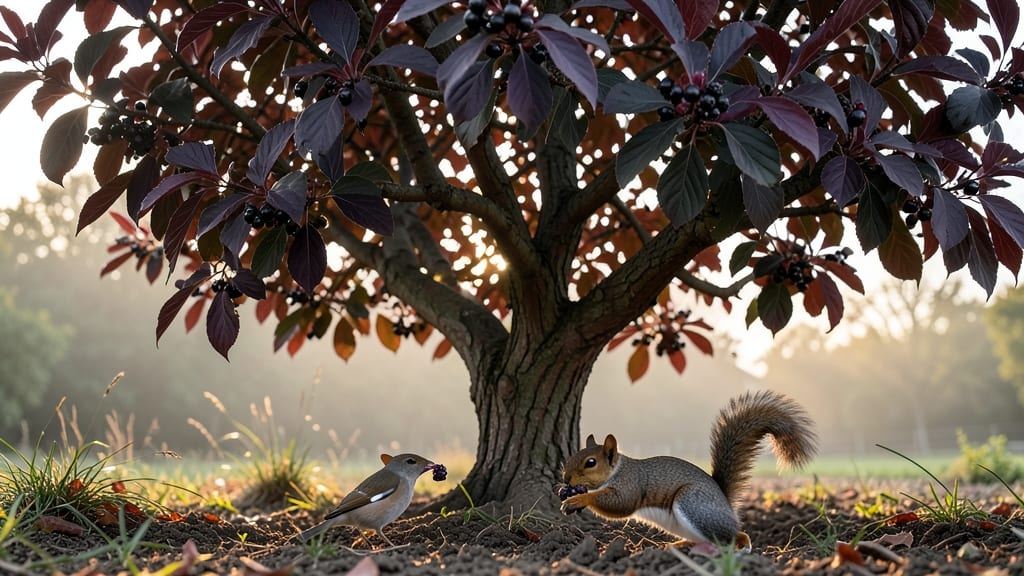
Transform your garden into a vibrant purple paradise with these 10 stunning tree varieties. Their rich foliage adds year-round visual impact, from spring blooms to autumn hues, and thrives in diverse climates.
Royal Purple Smokebush for Textured Drama
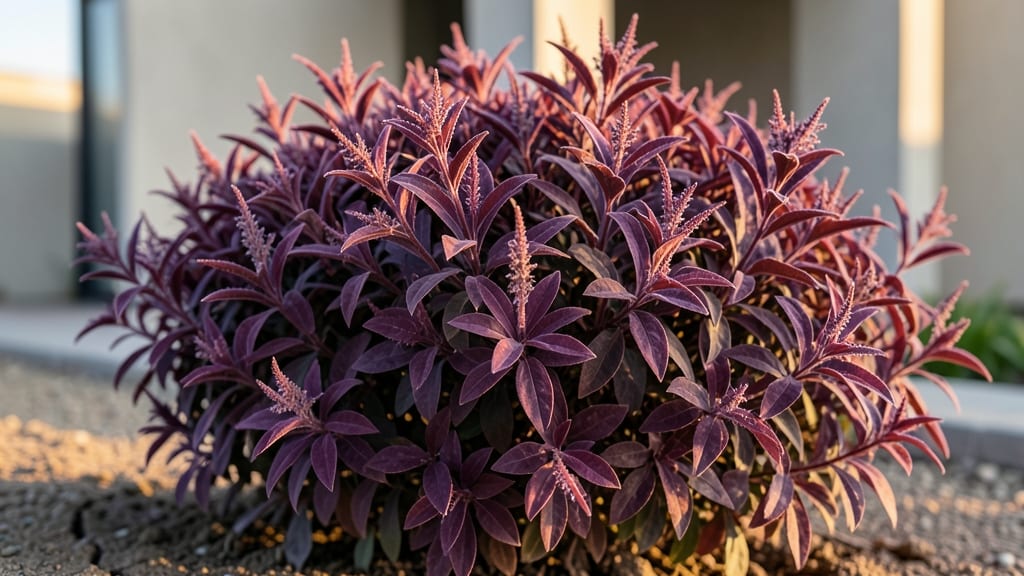
Want a drought-tolerant shrub that turns heads with its velvety purple foliage? The Royal Purple Smokebush (Cotinus coggygria 'Royal Purple') delivers drama with minimal fuss. This hardy plant thrives in full sun and tolerates poor soil, making it perfect for modern landscapes where low-maintenance meets bold style.
Its deep purple leaves remain vibrant year-round, while fragrant summer blooms attract pollinators like butterflies and bees. Prune lightly in late winter to shape its rounded form or let it grow naturally to 6-8 feet tall. The exfoliating bark adds texture, and its silver-gray undersides catch the light beautifully.
Urban gardeners and pollinator enthusiasts will love this shrub—it’s tough enough for city conditions but elegant enough for contemporary designs. Plant it as a standalone specimen or pair it with silver foliage plants for a striking contrast. 🌿
Japanese Maple Purple Emperor
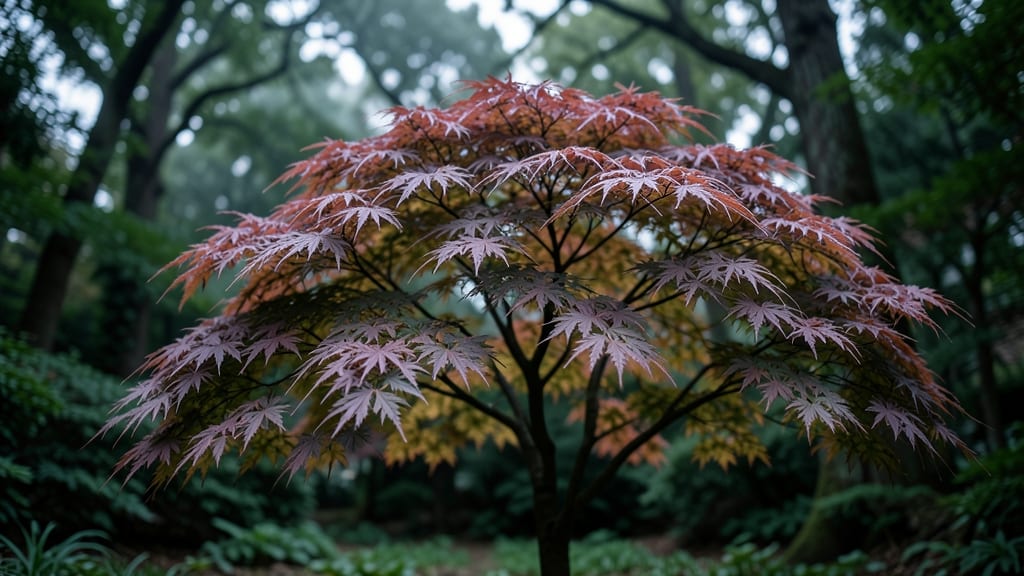
Looking for a tree that brings delicate beauty to shady corners while delivering a fiery autumn show? The Japanese Maple Purple Emperor transforms your garden with its lace-like foliage that blushes purple in fall, creating a stunning contrast against dark green leaves.
This compact tree thrives in partial to full shade, making it perfect for understory planting or urban courtyards. Its slow-growing nature and small size (15-20 feet at maturity) make it ideal for bonsai enthusiasts—simply prune to maintain its graceful form. The fire-engine red-purple fall color lasts weeks longer than most maples, giving you a dramatic seasonal display.
Perfect for gardeners seeking low-maintenance elegance with high visual impact, this tree also pairs beautifully with hostas or ferns in woodland gardens. Its refined presence elevates any space with minimal effort. 🌟
Weeping Purple Willow
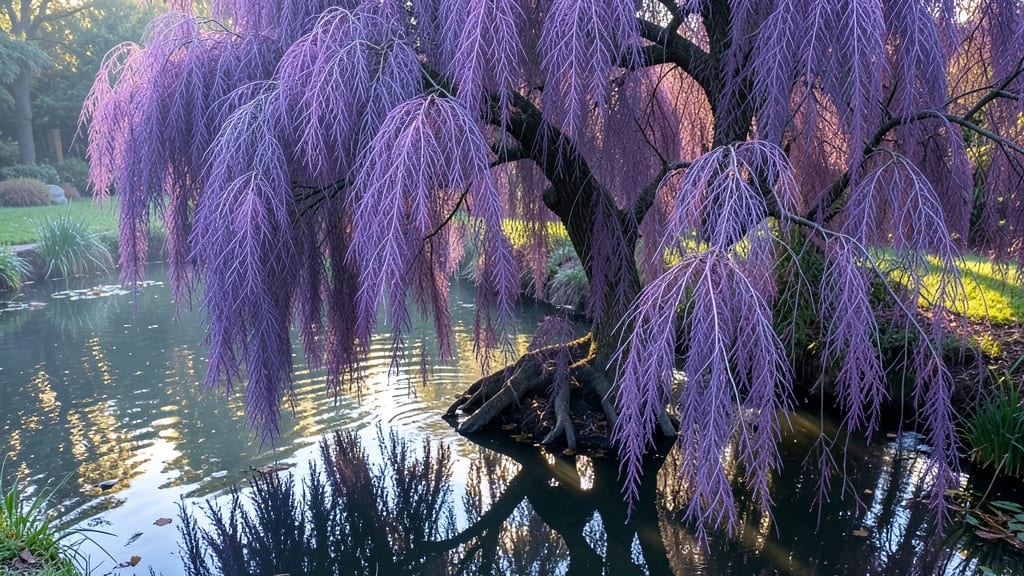
Turn your water garden into a living painting with the Weeping Purple Willow, a dramatic tree that drapes cascading purple foliage like a natural waterfall. Unlike traditional willows, this variety thrives in wet soil conditions and creates a serene focal point over ponds, streams, or even small fountains.
Plant it near the water’s edge for maximum effect—its graceful weeping habit can reach 10-15 feet wide, making it perfect for privacy screens or softening harsh landscape lines. The purple foliage contrasts beautifully with green water and complements gold, white, or blue flowers in nearby borders.
Ideal for gardeners who love low-maintenance yet high-impact plants, this willow thrives in full sun to partial shade and tolerates occasional flooding. It’s a dream for creating tranquil, magical spaces. ✨
Purple Leaf Plum Tree
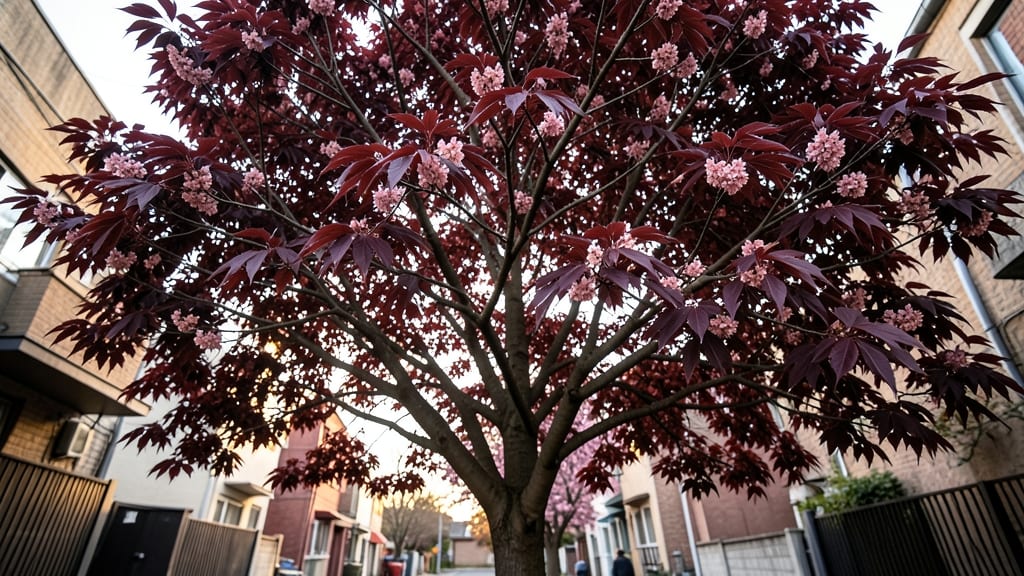
Bring urban gardens to life with the Purple Leaf Plum Tree, a showstopper that starts with fragrant spring blooms and delivers deep purple foliage that lasts all summer. Unlike other purple trees, this one thrives in tight spaces, making it perfect for city sidewalks, small yards, and courtyard planters.
This disease-resistant tree handles partial shade and urban pollution better than many ornamental varieties, while its early spring flowers attract bees and butterflies. Prune lightly after blooming to maintain its compact shape—ideal for 20-foot height in most climates. The foliage's rich color intensifies in full sun, creating a dramatic contrast against green lawns or brick walls.
Urban gardeners and wildlife enthusiasts will love how this tree delivers season-long interest with minimal fuss. Plant it near patios or walkways to enjoy its fragrance and vibrant hues year-round. 💚
Amur Maple with Purple Foliage
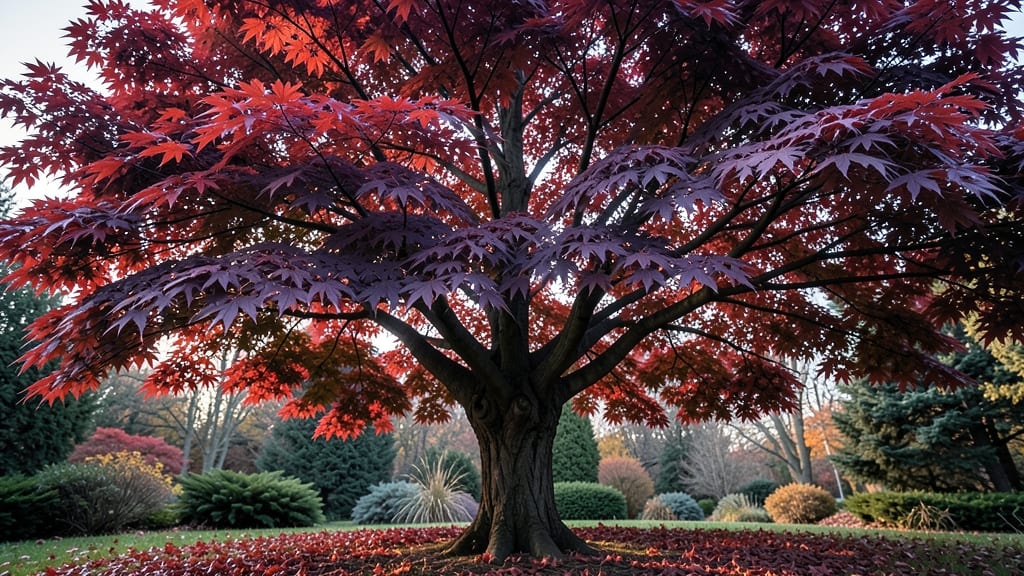
If you live in USDA zones 3-8 and want a tree that makes a bold statement without fuss, the Amur Maple delivers with its deep purple foliage that blazes into fiery reds by autumn. This cold-hardy beauty thrives where other purple trees might struggle, making it the perfect anchor for northern gardens.
Native to eastern Asia, this small to medium-sized tree (20-30 feet tall) handles full sun to partial shade and tolerates a wide range of soils, including clay. Its vibrant purple leaves emerge in spring, mature to a rich burgundy, and transform into brilliant reds before dropping—creating a seasonal color show that rivals any ornamental tree.
Ideal for gardeners in cooler climates, the Amur Maple’s low-maintenance nature and disease resistance make it a standout choice for both urban and rural landscapes. Plant it as a specimen tree to draw the eye or group several for a dramatic purple foliage display. 🌟
Purple Smoke Tree
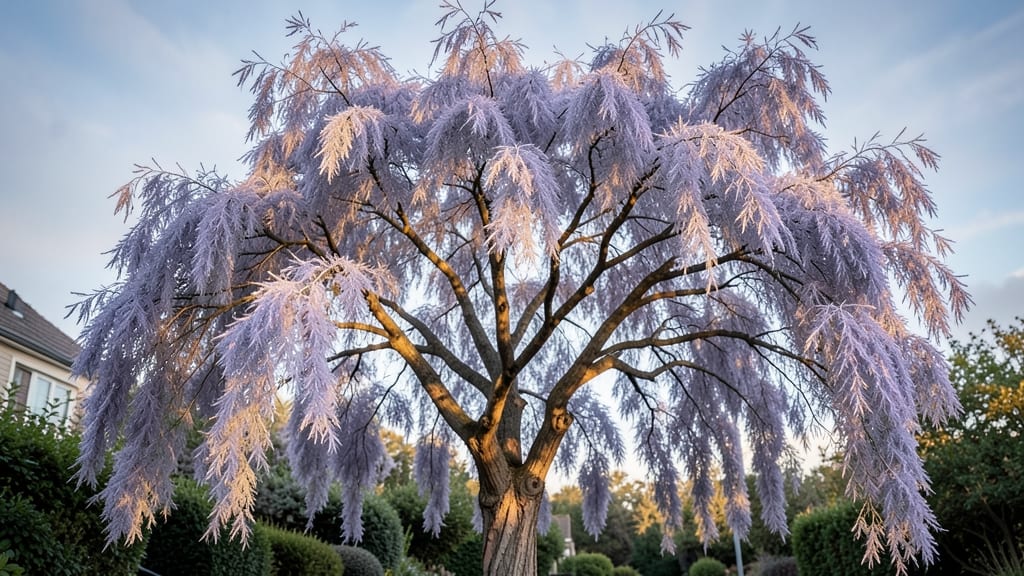
Want a tree that feels like a work of modern art? The Purple Smoke Tree (Cotinus obovatus) delivers with its silvery-purple foliage that shimmers even in moonlight, plus exfoliating bark that adds textural depth to any landscape.
This low-maintenance beauty thrives in full sun to partial shade and tolerates a wide range of soils, making it perfect for contemporary gardens or urban courtyards. Its year-round interest comes from the peeling bark in winter and the soft, smoky foliage that glows under streetlights—ideal for creating a dramatic focal point with minimal upkeep.
Urban gardeners and minimalist landscapers will love how it pairs with sleek hardscapes and modern architecture. Plant it as a standalone specimen or group several for a soft, purple haze effect. ✨
Crape Myrtle Purple Petticoat
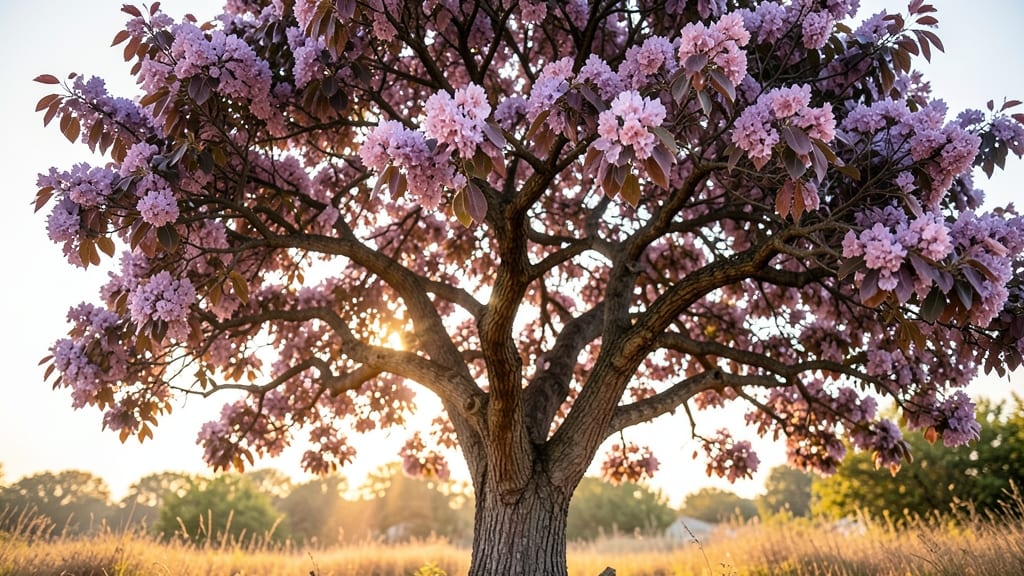
If your garden struggles with intense summer heat but still craves color, the Crape Myrtle Purple Petticoat delivers year-round drama. This heat-tolerant beauty thrives in USDA zones 6-9, making it ideal for southern landscapes where other trees wilt.
Its lavender-purple foliage pairs perfectly with summer-long blooms in shades of soft pink and lavender, creating a magnet for pollinators like butterflies and bees. Prune lightly after flowering to maintain shape and encourage more blooms—this tree rewards minimal effort with maximum impact.
Perfect for gardeners who want low-maintenance color without sacrificing beauty, this crape myrtle thrives in full sun and well-drained soil. 🌻
Purple Beech Tree
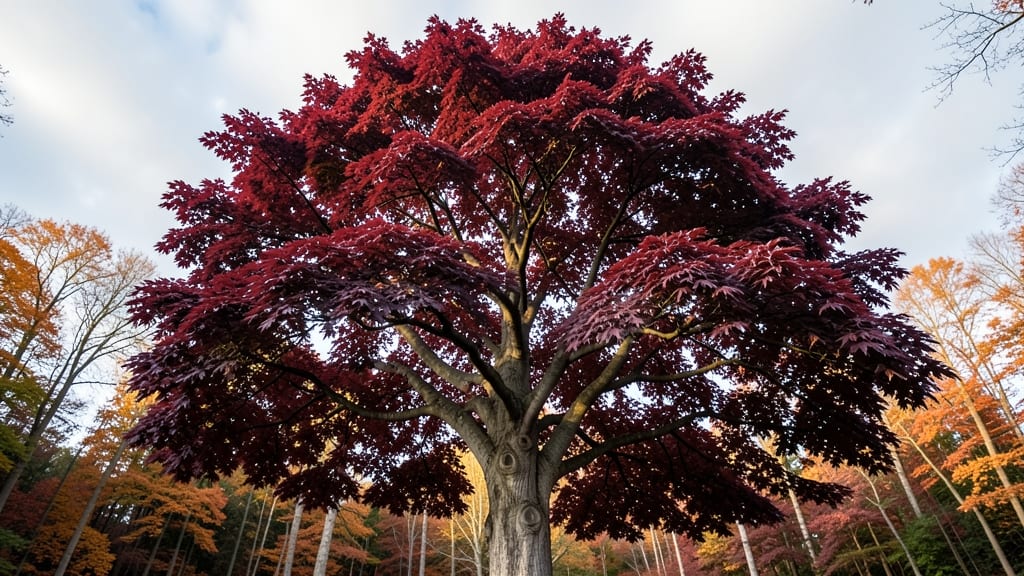
Looking for a timeless European classic that adds grandeur to your garden? The purple beech tree (Fagus sylvatica 'Purpurea') delivers deep purple foliage that intensifies into autumn, creating a dramatic focal point that rivals any ornamental tree.
This slow-growing but long-lived tree thrives in partial shade to full sun and prefers well-drained, slightly acidic soil—ideal for woodland gardens or formal landscapes. Its smooth, silvery bark and distinctive branching habit make it a standout specimen, while its year-round color ensures your garden stays vibrant even in winter. Prune lightly in late winter to maintain its elegant shape.
Perfect for gardeners seeking old-world charm and seasonal color, this tree excels in USDA zones 4-7 and pairs beautifully with hostas, ferns, and other shade-loving perennials. 🌟
Lavender Mist Spirea
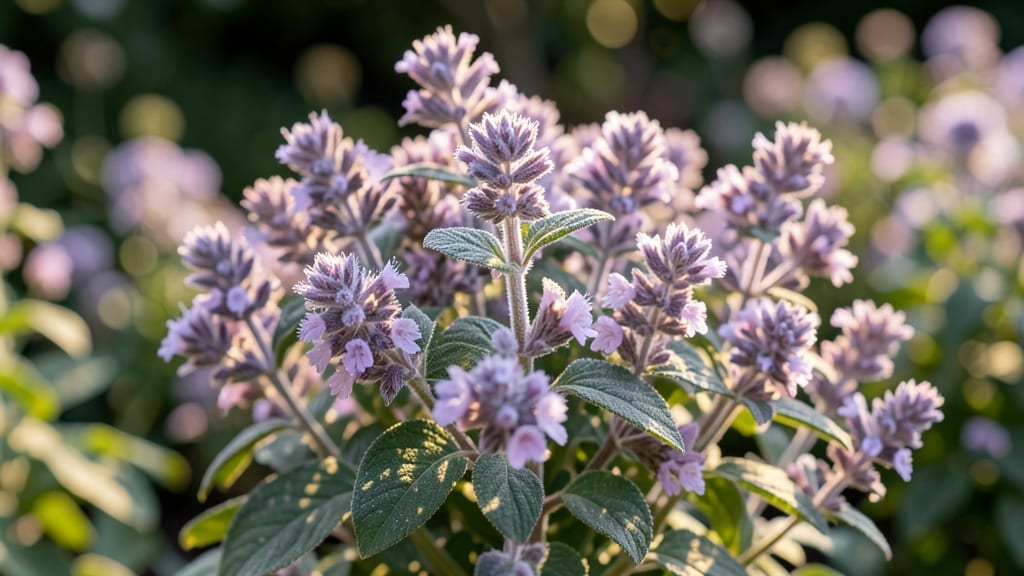
If you're dreaming of a purple garden but lack space for large trees, Lavender Mist Spirea is your secret weapon. This compact shrub delivers soft lavender-purple foliage and delicate flowers that bloom repeatedly from spring through fall, making it a standout for small spaces.
Thriving in full sun to partial shade, it adapts to most soil types and stays under 3 feet tall—perfect for containers or as a border. Prune lightly after flowering to maintain its neat shape, and watch pollinators flock to its clusters of tiny blooms. The foliage even takes on a subtle bronze tint in cooler weather, adding seasonal interest.
Ideal for urban balconies, cottage gardens, or as a low-maintenance hedge, this shrub brings year-round color with minimal effort. 🌷
Black Lace Elderberry

Want a tree that doubles as a wildlife magnet and a culinary bonus? The Black Lace Elderberry delivers with its deep purple-black foliage and clusters of edible berries that birds adore. This deciduous shrub or small tree thrives in USDA zones 3-8, making it versatile for northern and southern gardens alike.
The dark, almost black leaves create striking contrast in any landscape, while its fragrant white flowers in spring attract pollinators. In late summer, the dark purple berries ripen into a favorite snack for birds, squirrels, and even humans (when cooked). Plant it near a fence or along property edges to create a natural wildlife corridor while adding year-round structure to your garden.
Perfect for permaculture enthusiasts and eco-conscious gardeners, this low-maintenance plant requires minimal care once established. Its fast growth and adaptability make it ideal for hedges, privacy screens, or as a focal point in rustic landscapes. 🌱