
Pruning
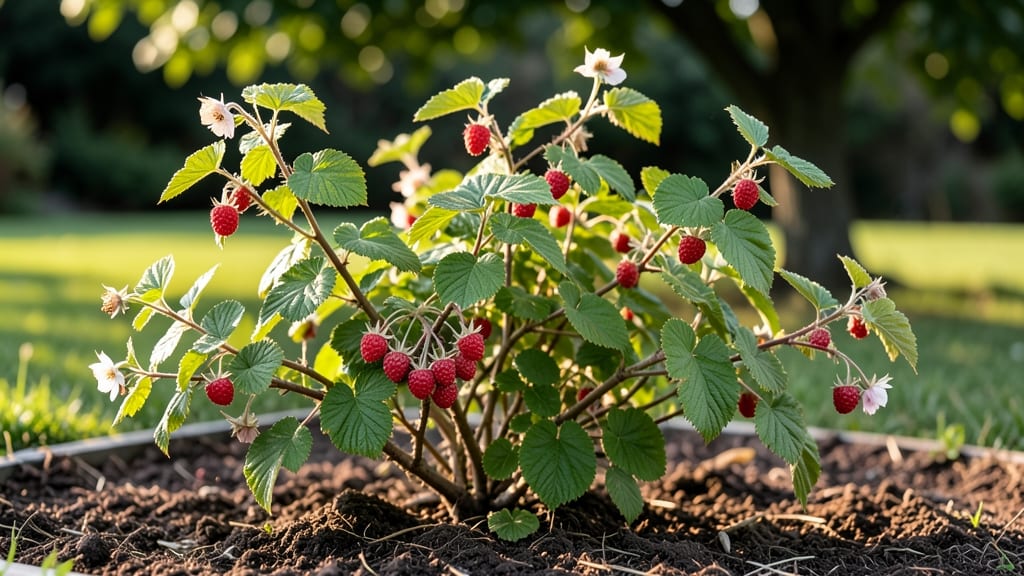
Your raspberry tree care routine starts with one simple truth: pruning at the right time determines whether you get a handful of berries or a bucketful. 🌱 I’ve watched my own raspberries go from scraggly messes to productive powerhouses after mastering this—no fancy tools or degrees required, just timing and a sharp pair of shears.
The secret lies in two pruning windows: winter (when canes are dormant) and summer (right after harvest). Winter pruning removes old canes at the ground level—those are the ones that fruited last year—while summer pruning cuts back new growth to encourage bushier, fruitier canes next season.
Most gardeners skip summer pruning, which is why their bushes never produce like they should.
By following this schedule, you’ll see thicker canes, more berries, and easier maintenance—plus, your plants will stay healthier year after year. The berries themselves get sweeter too, because the plant focuses energy on fruit instead of floppy growth.
Think of it as giving your raspberries a haircut and a spa day in one.
This works for both summer-bearing and fall-bearing varieties, whether you’re growing in containers or full sun. The key is consistency—skip a year, and you’ll lose that productive structure. Let’s get those canes in shape for next season’s harvest!
📚 In This Guide
- What you need
- Instructions
- Tips and common mistakes
- Wrapping up and next steps
What you need
- ● Pruning shears: Bypass pruners (sharp, sterilized) for clean cuts—1 pair (or 2 if pruning large bushes).
- ○ Loppers: For thicker stems (½–1 inch diameter)—1 pair (optional but helpful for mature trees).
- ● Gloves: Heavy-duty, cut-resistant (thorns are no joke!)—1 pair.
- ● Disinfectant: 70% isopropyl alcohol or bleach solution (1:9 bleach:water) to sterilize tools between cuts.
- ● Trash bags: Heavy-duty, 2–3 gallons capacity for pruned debris.
- ● Watering can/hose: 5-gallon capacity (or drip irrigation setup for large areas).
- ● Mulch: Organic (straw, wood chips) or inorganic (gravel)—2–3 inches depth.
- ● Fertilizer: Balanced (10-10-10) or raspberry-specific: ½ cup per plant (spring/fall).
- ● Organic options: Composted manure or worm castings (1–2 lbs per plant).
- ● Pruning saw: For stubborn, thick roots or large branches.
- ● Knee pads: Because raspberry bushes love to sprawl! 😅
- ● Plant support: Trellis or stakes (for floricane varieties) to improve airflow.
- ● Soil tester kit: To check pH (ideal: 5.5–6.5) before fertilizing.
- ● Bird netting: If wildlife loves your berries more than you do!
Step-by-Step guide to year-round raspberry tree health
Here’s how I keep raspberry trees thriving—through pruning cycles, seasonal shifts, and proactive care.
🌱 Step 1: Identify Variety and Pruning Group
Raspberries fall into two pruning groups: floricane (summer-bearing) and primocane (fall-bearing). Summer-bearing types produce fruit on second-year canes, while fall-bearing varieties fruit on both first- and second-year growth. I always check the plant tag first—mixing groups leads to confused canes and lost harvests.
Look for thick, woody canes (second-year) and thin, green primocanes (first-year). Summer-bearing varieties need aggressive winter pruning, while fall-bearing types require summer thinning. If unsure, I start by removing all dead or diseased canes first—this clears confusion and prevents disease spread.
✂️ Step 2: Winter Pruning for Summer-Bearing Varieties
After the first hard frost but before new growth starts, I prune summer-bearing raspberries. Cut all old canes (those that bore fruit last year) down to the ground—these are hollow and won’t produce again. Leave the thin, green primocanes (this year’s growth) untouched. I keep 4-6 of the healthiest canes total to avoid overcrowding.
Use clean, sharp pruners and make cuts at a 45-degree angle just above a bud. Sterilize tools with rubbing alcohol between cuts to prevent bacterial canker. If your tree has more than 20 canes, thin aggressively—too many compete for nutrients and reduce fruit quality.
☀️ Step 3: Summer Maintenance for Fall-Bearing Types
Fall-bearing raspberries need summer attention. In mid-summer, I remove weak, spindly canes and any that crossed or rubbed together. These often develop cankers. I also tie new canes to the trellis at 12-inch intervals to encourage upright growth and prevent flopping.
Watch for berries forming on primocanes—these are a sign of fall-bearing types. If you see fruit on first-year growth, you’re on the right track. Thin clusters to 4-6 berries per stem to increase size. Overcrowded fruit stays small and tart.
💧 Step 4: Seasonal Care Beyond Pruning
Raspberries need 1-1.5 inches of water weekly, especially during fruit set. I water at the base, not overhead, to prevent mildew. Mulch with 3-4 inches of organic matter (like wood chips) to retain moisture and suppress weeds. Avoid piling mulch against the trunk—this invites rot.
Fertilize in early spring with a balanced 10-10-10 formula. Too much nitrogen leads to leafy growth at the expense of fruit. I also monitor for spider mites (tiny yellow specks on leaves) and Japanese beetles—both love raspberries. A strong spray of water usually knocks off beetles, while neem oil handles mites.
⏰ Step 5: Year-End Protection and Planning
In late fall, I apply a 2-inch layer of straw mulch around the base to insulate roots in cold climates. For container-grown raspberries, move pots to a sheltered spot or wrap the container in burlap. Prune any remaining dead growth and clean up fallen leaves—these harbor diseases.
Take notes on fruit yield, cane health, and pest issues each year. Adjust pruning next winter based on what worked (or didn’t). I’ve found that fall-bearing varieties often need less aggressive pruning than summer types—listen to your tree’s signals.
Tips & tricks for perfect raspberry tree health
These pruning secrets will help you avoid common mistakes and maximize your harvest year after year.
Variety Identification: I can't stress enough how critical this first step is—mixing summer-bearing and fall-bearing raspberries leads to confused canes and lost fruit. If you're unsure, check for fruit on first-year canes (primocanes) in fall-bearing varieties. Summer-bearing types only fruit on second-year canes (floricanes). This distinction changes everything about your pruning approach.
Timing is Everything: For Step 2's winter pruning, wait until after the first hard frost but before new growth appears. This timing window is narrow—usually 2-3 weeks. I've learned this the hard way: pruning too early leaves canes vulnerable to frost damage, while waiting too long risks new growth being damaged by cold. Watch your local frost dates and plan accordingly.
Cane Selection Strategy: When selecting which canes to keep in Step 2, prioritize those with the thickest diameter and most vigorous growth. Thin canes often produce smaller fruit. I keep exactly 4-6 of the healthiest canes total—this might seem counterintuitive, but overcrowding leads to smaller berries and increased disease risk. The goal is quality over quantity.
Seasonal Care Adjustments: In Step 4, your watering needs change dramatically during fruit set. I increase to 1.5 inches weekly during this period, then reduce to 1 inch once berries are fully formed. The key is monitoring soil moisture—stick your finger 2 inches deep; if it's dry, water. Also, that 3-4 inch mulch layer isn't just decorative—it's essential for moisture retention and weed suppression, especially in hot summers.
Pro Tips for Raspberry Tree Care
- These pruning secrets will help you avoid common mistakes and maximize your harvest year after year.
- Variety Identification: I can't stress enough how critical this first step is—mixing summer-bearing and fall-bearing raspberries leads to confused canes and lost fruit.
- Timing is Everything: For Step 2's winter pruning, wait until after the first hard frost but before new growth appears.
Frequently asked questions
Got questions about keeping your raspberry tree thriving? Here are answers to the most common queries—so you can enjoy bountiful harvests without the guesswork!
When is the best time to prune raspberry trees?
Prune floricanes (last year’s canes that produce fruit) in late winter or early spring (before buds swell) to avoid damaging new growth. Summer-bearing varieties benefit from removing dead or weak canes anytime, while fall-bearing types may need light pruning in late summer to shape the plant. Always use clean, sharp tools to prevent disease.
How do I protect my raspberry tree in winter?
Raspberry trees are hardy, but young plants or harsh winters may need help. Mulch heavily (3–4 inches) with straw or wood chips to insulate roots. In Zone 5 or colder, wrap canes loosely with burlap or use frost blankets. Avoid over-mulching—keep it 2–3 inches from the trunk to prevent rot. Prune damaged canes in early spring.
Why are my raspberries small or misshapen?
Small or oddly shaped berries often signal poor pollination, overcrowding, or nutrient issues. Ensure your tree gets 6+ hours of sun and space it 3–5 feet apart from others. Thin fruit clusters (leave 5–7 berries per cane) to improve size. Check for aphids or spider mites—spray with neem oil if pests are present. A balanced 10-10-10 fertilizer in spring can also help.
Can I grow raspberries in containers? What’s the best setup?
Yes! Use a large container (at least 18–24 inches deep and wide) with drainage holes. Choose dwarf or summer-bearing varieties like ‘Heritage’ or ‘Boyne.’ Fill with well-draining potting mix (add compost for nutrients) and place in full sun. Water daily in summer—containers dry out faster! Repot every 2–3 years to refresh soil.
How do I revive a raspberry tree that’s not fruiting?
If your tree has no fruit, it might be too young (wait 2–3 years), over-pruned, or stressed. First, check for canes thicker than a pencil—these are primed to fruit. If none exist, reduce pruning and fertilize with high-phosphorus food (like 5-10-10) in early spring. Transplant shock or root-bound containers can also stall growth—repot or amend soil if needed.
Wrapping up and next steps
Caring for your raspberry tree is a rewarding journey that yields delicious fruit and lush growth—and you’ve got all the pruning secrets to make it thrive! 🌱 From seasonal trimming to pest control, these steps ensure your tree stays healthy year-round.
Now that you’re equipped with the know-how, roll up your sleeves and give your raspberry tree the love it deserves!
Ready to take the next step? Start by scheduling your first pruning session this spring—your future harvest will thank you! 🍓✨