
Pruning
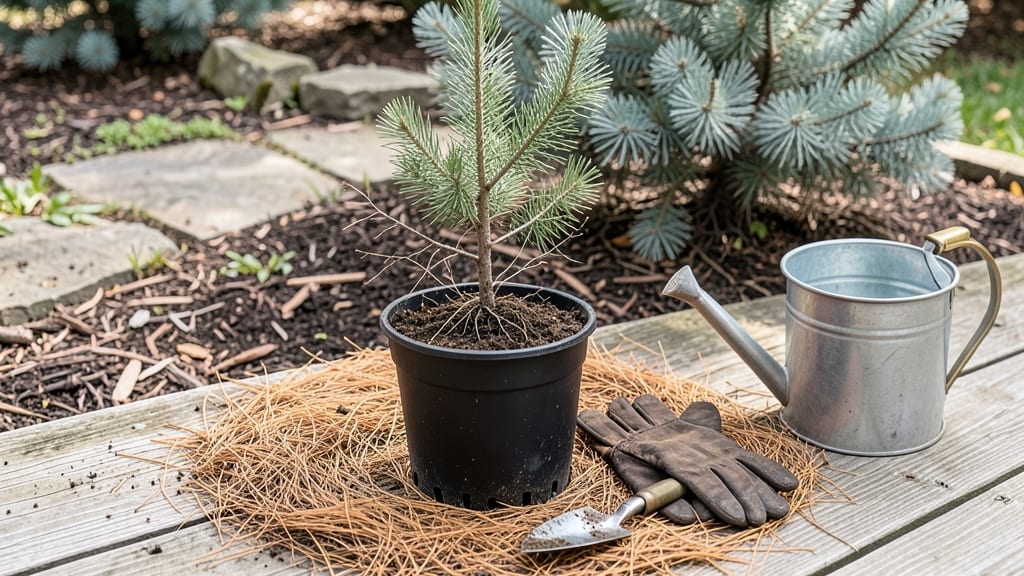
Growing a spruce tree seedling from scratch means decades of evergreen beauty—if you nail the first year. 🌲 I’ve learned the hard way that these cold-hardy trees demand patience, especially in their early stages, but the payoff is worth it: a sturdy, fragrant tree that thrives through winter storms and summer heat.
The secret starts with the right soil mix—well-draining, slightly acidic, and rich in organic matter—and a spot with full sun to partial shade. Too much shade stunts growth, while too much direct sun can scorch young needles.
Water deeply once a week (more in dry spells), keeping the soil moist but never soggy. Overwatering is the #1 killer of seedlings.
By year three, you’ll see strong, upright branches with vibrant green needles. Prune only to shape or remove dead growth—never cut more than 25% of the foliage at once.
Mulch around the base to protect roots from temperature swings, and watch as your seedling grows into a 10-foot-tall shade provider in just a decade.
Works for Colorado blue spruce, Norway spruce, or white spruce—just adjust spacing based on mature size. Even in harsh climates, these varieties stay resilient with proper care. Let’s get those seedlings thriving!
📚 In This Guide
- What you need
- Instructions
- Tips and common mistakes
- Wrapping up and next steps
What you need
- ● Spruce tree seedling: 1–3 seedlings (choose cold-hardy varieties like Picea glauca or Picea pungens for resilience).
- ○ Growing containers (optional for indoor start): 1–2 nursery pots (5–7 inches in diameter) with drainage holes.
- ● Potting mix: 1 bag (1–2 cubic feet) of well-draining, acidic soil blend (pH 4.5–6.0). Mix in perlite or sand (10–20%) for aeration.
- ● Fertilizer: Slow-release granular fertilizer (10–10–10 or 14–14–14 ratio) or organic options like composted pine needles.
- ● Watering can or hose: With a gentle spray nozzle for moisture control.
- ● Mulch: 2–3 inches of organic mulch (pine straw, bark chips, or shredded leaves) to retain moisture and regulate soil temp.
- ● Pruning shears: Sharp, sterilized shears (for trimming dead branches or shaping as needed).
- ● Garden gloves: 1 pair (to protect hands from sap and soil).
- ○ Stakes & twine (optional): For young seedlings in windy areas.
- ● Sunlight: Full sun (6+ hours/day) for outdoor planting; bright indirect light for indoor seedlings.
- ● Hardiness zone: Match your seedling to USDA zones 2–7 (most spruces thrive in cold climates).
- ● Water source: Consistent access to water (spruce seedlings hate soggy roots but need steady moisture).
- ● Protection (early stages): Windbreaks or shade cloth if planting in exposed areas.
- ● 💡 Test your soil—spruces hate alkaline soil. Adjust pH if needed with sulfur or peat moss.
- ● 🔥 Avoid overwatering—let the top 1–2 inches of soil dry between waterings.
- ● 🌡️ Acclimate seedlings gradually to outdoor temps if starting indoors (harden off over 1–2 weeks).
Step-by-Step instructions for growing spruce tree seedlings
Here's how to nurture your spruce seedlings into sturdy, cold-hardy trees ready for outdoor planting.
🌱 Step 1: Collect and Prepare Seeds for Planting
Spruce seeds need cold stratification to break dormancy. Collect fresh cones from mature trees in fall, then extract seeds by drying cones in a warm, dry place for a few weeks. Once seeds are free, mix them with slightly damp sand or peat moss in a sealed container. Place this mix in the refrigerator for 3-4 months to simulate winter conditions.
After stratification, plant seeds in a shallow tray filled with well-draining potting mix. Press each seed lightly into the soil, about ¼ inch deep. Spruce seeds are tiny, so I use a toothpick to handle them carefully. Cover the tray with plastic wrap to maintain humidity until germination begins.
💧 Step 2: Provide Ideal Germination Conditions
Keep the tray in a location with consistent temperatures between 65-75°F and bright, indirect light. Spruce seedlings need moisture but hate soggy soil, so water gently from below by placing the tray on a saucer of water for 10-15 minutes daily. You'll know it's right when the soil surface looks damp but not wet.
Germination can take 4-8 weeks, so patience is key. Once seedlings emerge, remove the plastic wrap immediately to prevent fungal growth. Thin seedlings to 2 inches apart when they reach 1 inch tall—this prevents overcrowding and encourages stronger root development.
☀️ Step 3: Transition Seedlings to Outdoor Conditions
After 6-8 weeks of indoor growth, when seedlings show 3-4 needle clusters, it's time to harden them off. Place the tray outside in a sheltered spot for 2-3 hours daily, gradually increasing exposure over 2 weeks. Choose a location with partial shade to avoid sudden sun stress.
During this time, water only when the top inch of soil feels dry. Spruce seedlings are drought-tolerant once established, but young roots need consistent moisture. You'll notice stronger growth when seedlings develop a deeper green color and more compact form.
🪴 Step 4: Plant Outdoors in Permanent Location
Transplant seedlings outdoors after the last frost date, when soil temperatures reach 50°F. Dig a hole twice as wide as the root ball but only as deep as the container. Gently remove the seedling, loosen the roots if they're circling, and place it in the hole so the top of the root ball sits level with the surrounding soil.
Backfill with native soil and water deeply to settle it around the roots. Mulch with 2-3 inches of organic mulch to retain moisture and protect roots from temperature swings. Space seedlings 6-8 feet apart to allow for mature growth without competition.
⏰ Step 5: Maintain Year-Round Care for Cold-Hardy Growth
Spruce seedlings thrive with full sun to partial shade and well-draining soil. Water deeply once weekly during the first growing season, then reduce to every 2-3 weeks once established. Overwatering is the biggest mistake—spruces hate wet feet and will develop root rot.
Fertilize lightly in early spring with a balanced, slow-release fertilizer to support new growth. Prune only to remove dead or damaged branches in late winter. With proper care, your seedlings will develop into cold-hardy trees capable of withstanding winter temperatures down to -30°F.
Tips & tricks for growing sturdy spruce seedlings
These simple strategies will help you avoid common pitfalls and give your spruce seedlings the best start possible.
Cold Stratification Tip: Don't rush the 3-4 month cold stratification period in Step 1—this is absolutely critical for breaking seed dormancy. I've seen seeds fail to germinate when people try to cut this time short. Place your sealed container on the refrigerator's crisper drawer shelf where temperatures stay most consistent around 35-40°F. This mimics natural winter conditions perfectly.
Seedling Handling Secret: When planting those tiny seeds in Step 1, I recommend using a fine-tip paintbrush instead of just a toothpick. The brush gives you more control to place each seed exactly where you want it without accidentally burying them too deep. This precision makes all the difference when you're dealing with seeds smaller than a grain of rice!
Germination Environment: In Step 2, pay close attention to that 10-15 minute daily watering method. I've found that using a spray bottle with a fine mist setting works even better than the saucer method—it gives you more control over moisture levels. Keep the tray elevated on a rack to prevent any potential waterlogging at the bottom. The soil should feel like a well-wrung sponge: damp but not soggy.
Hardening Off Strategy: When you begin the 2-3 hour daily outdoor exposure in Step 3, start with just 1 hour on the first day. Gradually increase by 30 minutes each subsequent day. I've seen seedlings get sunburned when moved outside too quickly—watch for any yellowing needles as an early warning sign. A sheer curtain provides excellent protection if you need to shield them from intense afternoon sun.
Pro Tips for Spruce Tree Seedling
- These simple strategies will help you avoid common pitfalls and give your spruce seedlings the best start possible.
- Cold Stratification Tip: Don't rush the 3-4 month cold stratification period in Step 1—this is absolutely critical for breaking seed dormancy.
- Seedling Handling Secret: When planting those tiny seeds in Step 1, I recommend using a fine-tip paintbrush instead of just a toothpick.
Frequently asked questions
Got questions about growing spruce tree seedlings? You’re not alone! Here are some of the most common concerns—plus quick, actionable answers to help you succeed.
When is the best time to plant a spruce tree seedling?
Plant spruce seedlings in early spring or fall (4-6 weeks before the first frost) for optimal root establishment. Avoid planting in extreme heat or drought, as young seedlings struggle to adapt. If planting in containers, do it in late winter to give them a head start before transplanting outdoors.
How cold-hardy are spruce tree seedlings, and how do I protect them in winter?
Most spruce seedlings (like Colorado Blue Spruce or Black Hills Spruce) tolerate zones 3-6, surviving temps as low as -30°F (-34°C). To shield young trees, mulch the base with 3-4 inches of organic mulch (like pine straw or wood chips) and wrap the trunk with burlap if winds are harsh. Avoid heavy snow buildup on branches—gently shake it off.
How often should I water a spruce tree seedling?
Water deeply 2-3 times per week during the first growing season, ensuring the soil stays consistently moist (not soggy). Once established (after 2 years), reduce watering to once a week unless drought strikes. Morning watering is best—it minimizes evaporation and fungal risks. Pro tip: Use a soaker hose to avoid wetting foliage.
What if my spruce seedling’s needles turn brown? Is it dying?
Brown needles often signal overwatering, underwatering, or pest stress. Check the soil—if it’s dry 1-2 inches down, water thoroughly. If soggy, improve drainage. Spruce beetles or spider mites can also cause browning. Inspect the undersides of needles and treat with neem oil if pests are present. Don’t panic! Healthy new growth usually follows.
Can I grow a spruce tree from seed instead of buying a seedling?
While possible, growing spruces from seed is time-consuming and less reliable than seedlings. Seeds need stratification (cold treatment) for 30-90 days before germination, and saplings grow very slowly (5+ years to maturity). For faster, guaranteed results, buy a 1-2 year old seedling from a reputable nursery—it’s worth the investment!
Do spruce seedlings need pruning in their first year?
No pruning is needed in the first year! Focus on staking if the seedling topples in wind. Wait until late winter (before buds swell) to prune only dead, diseased, or crossing branches. Use clean, sharp shears and make cuts just above a healthy bud. Pro tip: Avoid heavy pruning—spruces grow best with minimal interference.
Wrapping up and next steps
Growing a spruce tree seedling is a rewarding journey that brings beauty and resilience to your landscape—especially when you choose cold-hardy varieties like Colorado Blue Spruce or Norway Spruce. 🌲 With the right soil, sunlight, and care, your seedling will thrive for years, offering year-round greenery and shade.
Ready to watch it grow? Start by planting your seedling in well-draining soil, then monitor its progress with patience and love!
💡 Pro tip: Keep an eye out for pests or nutrient deficiencies, and adjust your care routine as needed. Happy gardening!