
Container Gardens
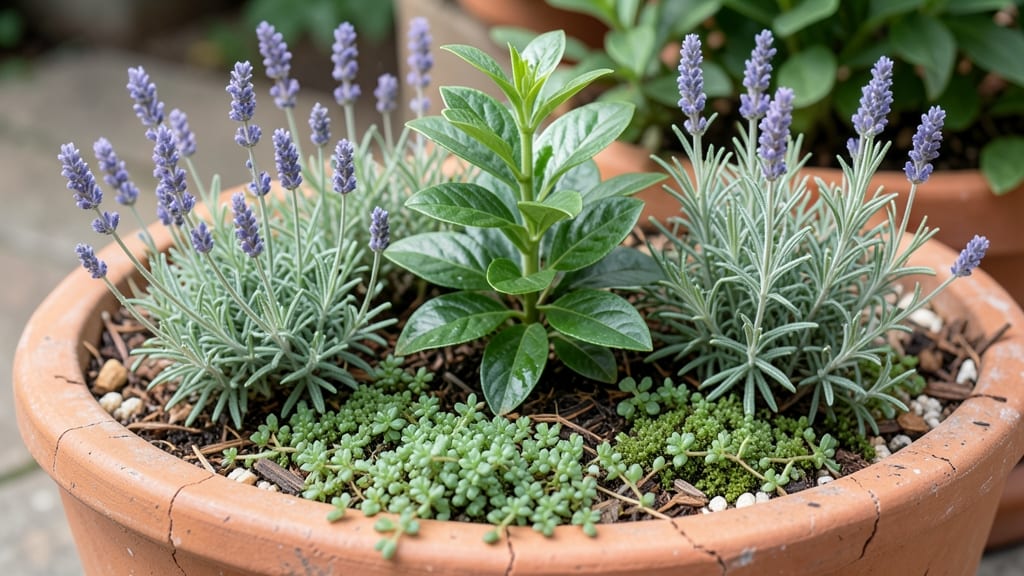
Growing tea tree (Melaleuca alternifolia) in containers is perfect for small gardens or urban spaces. These 10 expert tips ensure healthy growth, potent oil production, and year-round cultivation—even with limited room.
Best Container Size for Tea Tree Roots
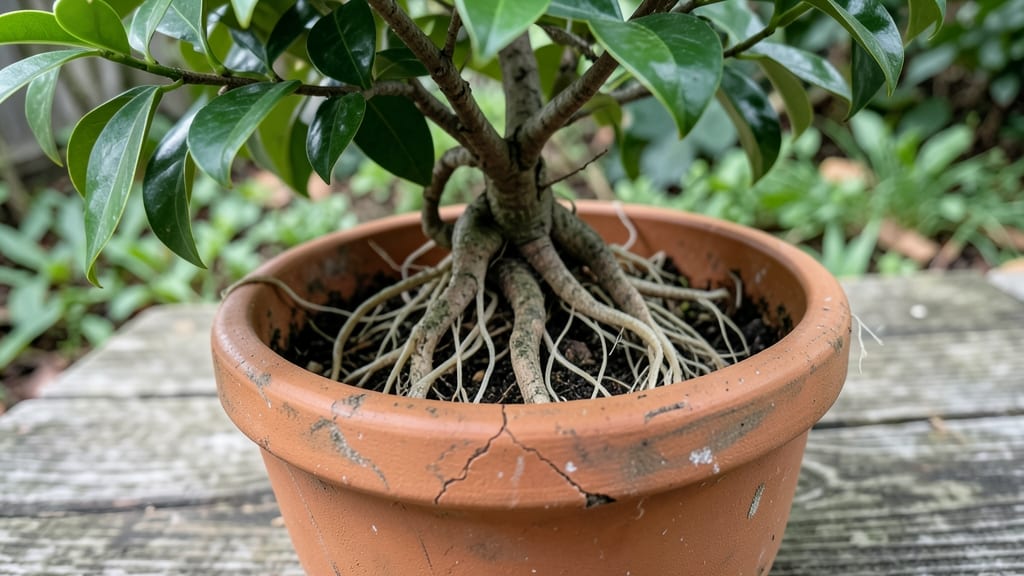
Tea trees may be small in stature, but their roots crave space to thrive—and root binding is the silent killer of container-grown oil production. When roots circle tightly in a pot, growth slows dramatically, and the very oil you’re growing them for becomes diluted. The solution? Start with the right container size from day one.
Aim for a pot that’s at least 12 inches wide and deep for mature tea trees, allowing roots to spread freely without competition. For young plants, a 5-6 inch pot gives them room to grow for 1-2 years before upgrading. Terracotta pots are ideal—they wick away excess moisture and prevent the compacted soil that triggers fungal issues. If you’re growing multiple tea trees, space them at least 18 inches apart in larger containers to avoid overcrowding.
Urban gardeners and small-space growers benefit most from this approach, as it maximizes oil yield without sacrificing precious square footage. With the right pot, your tea tree won’t just survive—it’ll flourish. 🌿
Well-Draining Soil Mix for Tea Tree
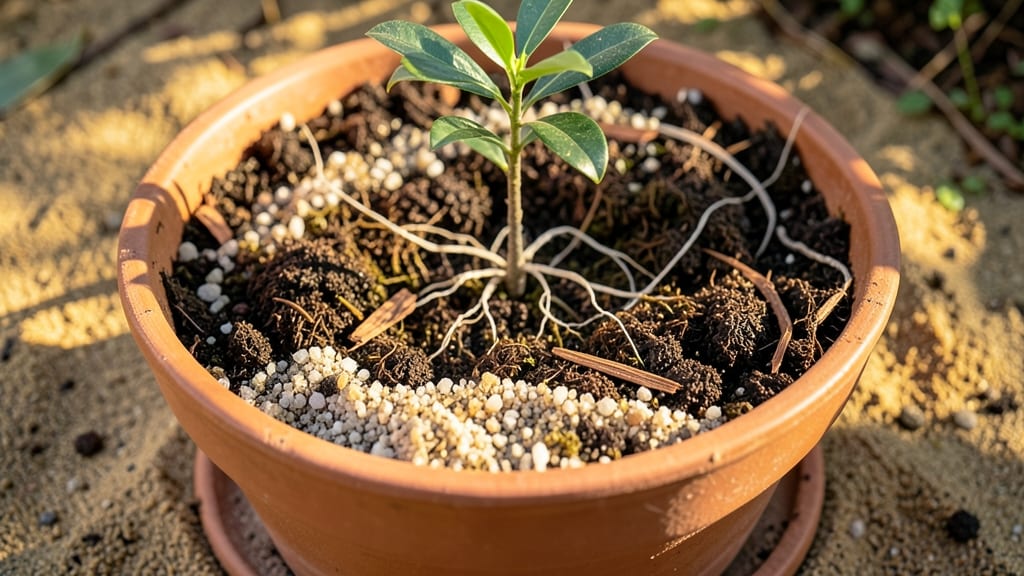
Your tea tree’s health starts with soil that mimics its native Australian habitat—not your typical garden mix. A sandy, acidic blend (pH 5.0–6.5) prevents fungal diseases by keeping roots aerated and mimicking the loose, well-drained soils where tea trees thrive in the wild.
Mix 50% sand (coarse horticultural sand), 30% peat moss or coconut coir (for acidity), and 20% perlite or orchid bark to create a light, gritty texture that drains excess water. Avoid garden soil or compost-heavy mixes, which compact and trap moisture—leading to root rot and stunted growth. Test your mix’s pH with a soil kit and adjust with sulfur if needed.
This soil strategy is a game-changer for urban gardeners or small-space growers, as it reduces fungal risks while keeping roots happy in containers. Your tea tree will reward you with stronger growth and higher-quality oil. 💚
Sunlight Requirements for Container Tea Trees
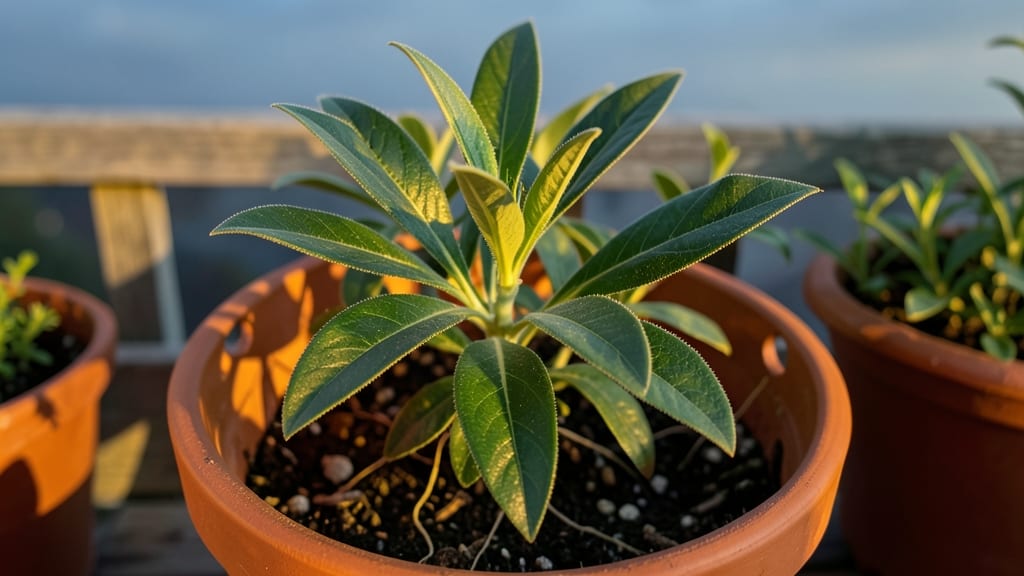
If your container tea tree isn’t thriving, it might be getting too much—or too little—sun. Melaleuca alternifolia needs 6 to 8 hours of direct sunlight daily to produce its signature antimicrobial oils, but the timing matters just as much as the duration.
Morning sun (6 a.m.–12 p.m.) is ideal for building oil potency, while afternoon shade (after 2 p.m.) protects tender leaves from leaf scorch in hot climates. Urban balconies or south-facing windows work well, but avoid placing pots in full afternoon sun in regions with temperatures above 90°F.
This balance is especially important for small-space growers—balancing oil production with plant health ensures your tea tree stays lush and productive year-round. 🌻
Watering Schedule for Healthy Tea Trees
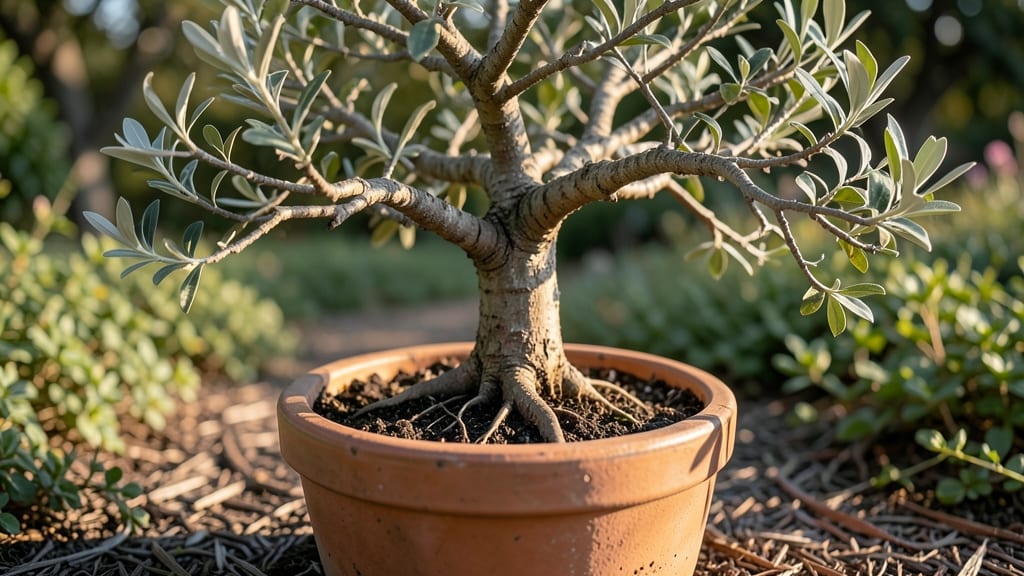
Tea trees are famously drought-resistant once mature, but their container-bound roots need a smarter watering strategy to avoid the silent killer: root rot. Unlike their in-ground counterparts, potted tea trees can’t escape soggy soil, making moisture control your top priority for small-space success.
Water your tea tree only when the top 2-3 inches of soil feel completely dry to the touch—typically every 7-10 days in summer and every 2-3 weeks in winter. Containers dry out faster, so check soil moisture daily during heatwaves. Always use pots with drainage holes and empty saucers after watering to prevent stagnant water. Overwatering is the #1 mistake in container tea tree care, so when in doubt, wait one more day.
This schedule works best for urban gardeners and balcony growers who lack deep soil. Once your tea tree matures (after 2-3 years), it’ll thrive with less frequent watering—just don’t let it dry out completely. 💡
Fertilizing Tea Trees for Maximum Oil
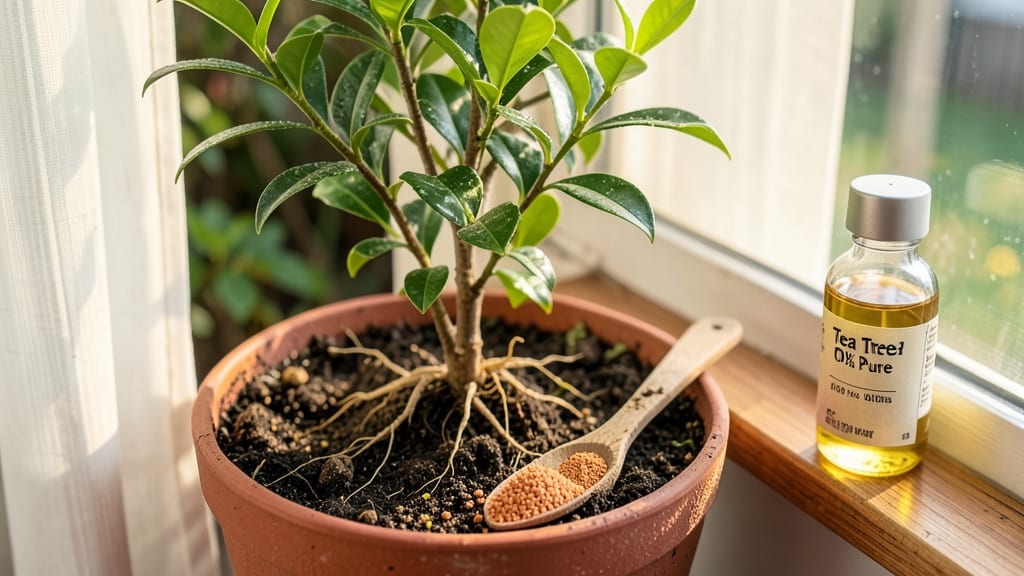
Want to grow a tea tree that produces the most potent essential oil? The secret lies in feeding it the right nutrients—specifically, a low-nitrogen, high-phosphorus fertilizer like a 5-10-10 blend. This ratio mimics the plant’s natural needs, directing energy toward oil production rather than leafy growth.
Apply a balanced fertilizer (such as 5-10-10) twice a year—once in early spring and again after flowering—to stimulate root and oil development. For organic gardeners, fish emulsion is an excellent alternative, providing slow-release nutrients that support long-term health without burning roots. Avoid high-nitrogen fertilizers, which encourage lush foliage at the expense of oil potency.
This approach is ideal for small-space growers aiming for medicinal-grade oil—whether you're harvesting leaves for DIY remedies or selling your crop. With the right fertilizer, your container-grown tea tree will thrive and reward you with potent, high-quality oil. 🌿
Pruning Techniques for Bushier Tea Trees
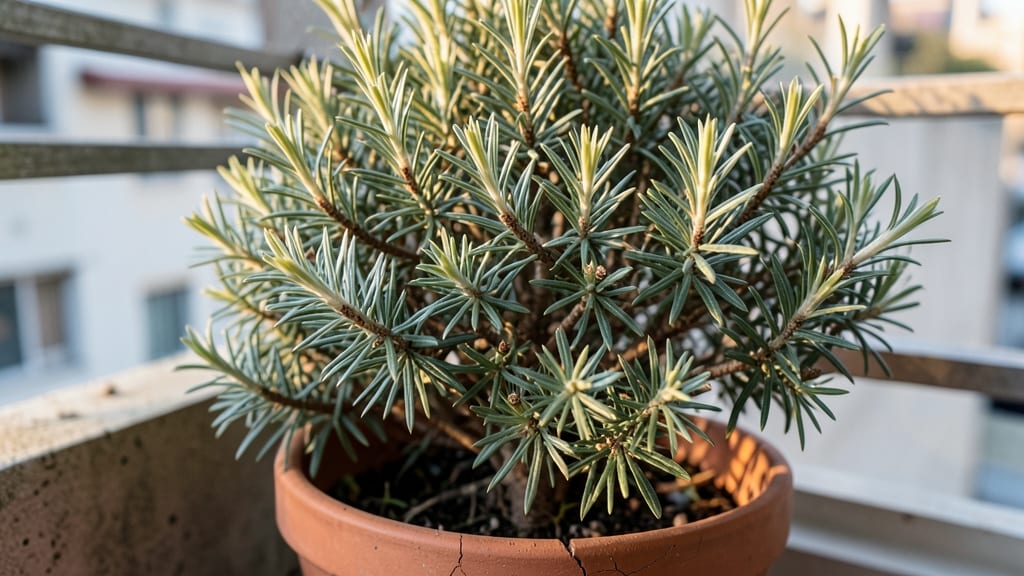
Struggling to fit a tea tree into your small-space garden? The secret to a fuller, bushier plant lies in strategic pruning—without sacrificing its prized oil yield. Unlike heavy pruning that can reduce potency, light shaping after flowering triggers denser foliage while keeping the plant compact.
Use sharp pruning shears to trim back 1/3 of the new growth right after flowering, focusing on the outer edges to encourage inward growth. Avoid cutting into old wood, as this can weaken the plant and reduce oil production. For container-grown tea trees, this technique also helps maintain balance in tight spaces, preventing top-heavy growth that can tip over pots.
Perfect for urban gardeners or those with limited outdoor areas, this method ensures your tea tree stays lush, productive, and easy to manage—without the risk of over-pruning. 🌱
Pest Control for Container-Grown Tea Trees
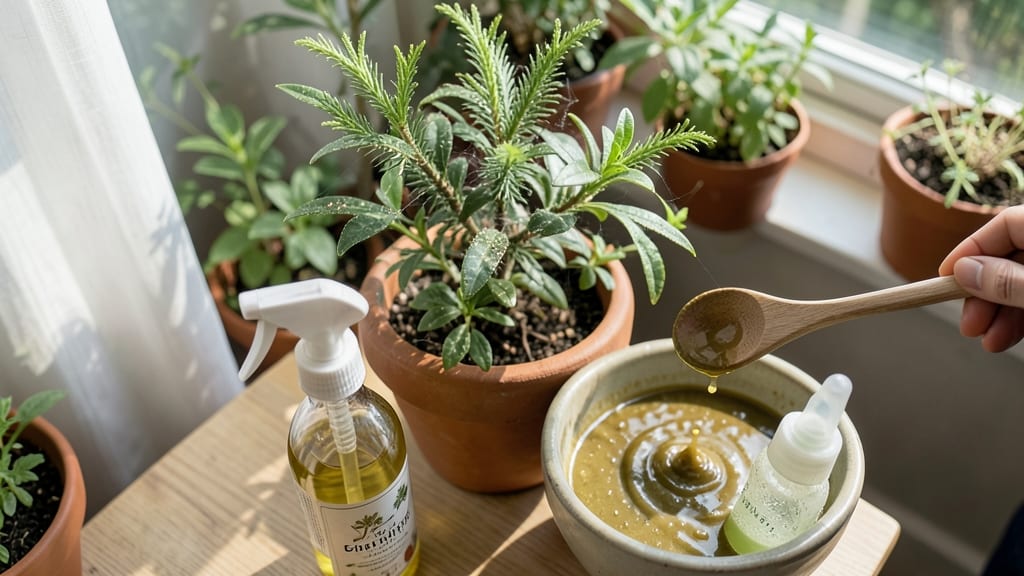
Container-grown tea trees are magnets for pests like aphids and spider mites, but you can protect them without harsh chemicals. The key is using neem oil and insecticidal soap—both are gentle on your plants and the environment while effectively targeting common invaders.
Apply neem oil (1-2 teaspoons per quart of water) every 7-10 days as a preventative spray, especially on the undersides of leaves where pests hide. For existing infestations, mix insecticidal soap with water and spray directly on pests—reapply every 4-5 days until they disappear. Both solutions are safe for beneficial insects like ladybugs, making them ideal for organic gardeners.
This approach is perfect for urban gardeners or anyone growing tea trees in small spaces where chemical pesticides aren’t practical. With consistent care, your container-grown tea tree will stay pest-free and thriving. 🌿
Winter Care for Potted Tea Trees
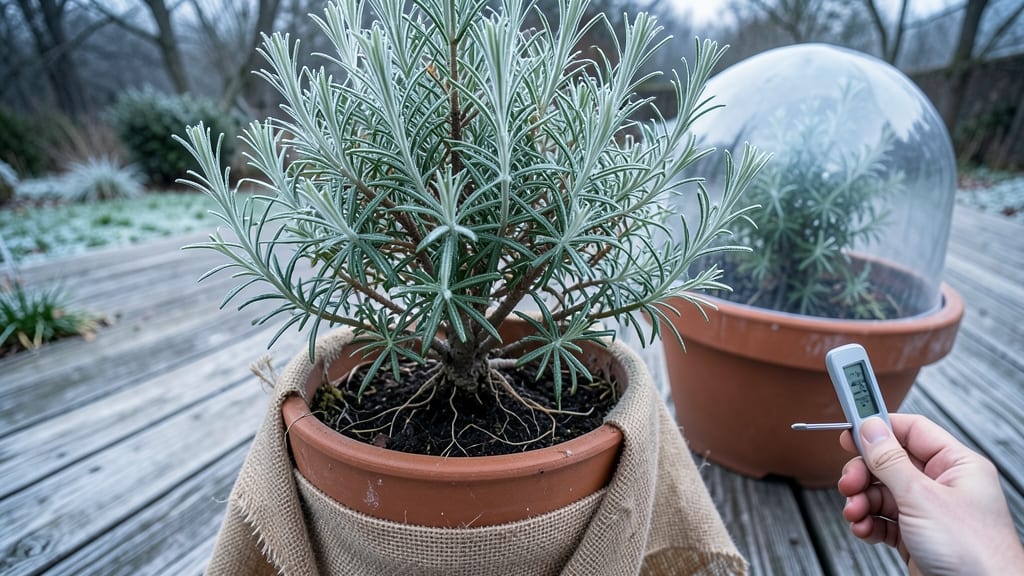
Cold snaps don’t have to mean the end of your potted tea tree’s growing season—with the right winter care, you can keep it thriving even when temperatures drop. The key is balancing protection from frost with avoiding indoor conditions that stress delicate roots, like dry heat from vents.
Start by moving containers to a sunny windowsill or under a frost cloth before temperatures hit freezing. If you’re in a harsh winter zone, wrap the pot in bubble wrap or burlap to insulate roots while still allowing airflow. Avoid placing your tea tree near heat vents or fireplaces, as fluctuating temperatures and dry air can cause leaf drop and stunted growth.
This approach works especially well for urban gardeners or those with limited outdoor space—your tea tree stays safe, healthy, and ready to bounce back when spring arrives. 💚
Harvesting Tea Tree Leaves for Oil
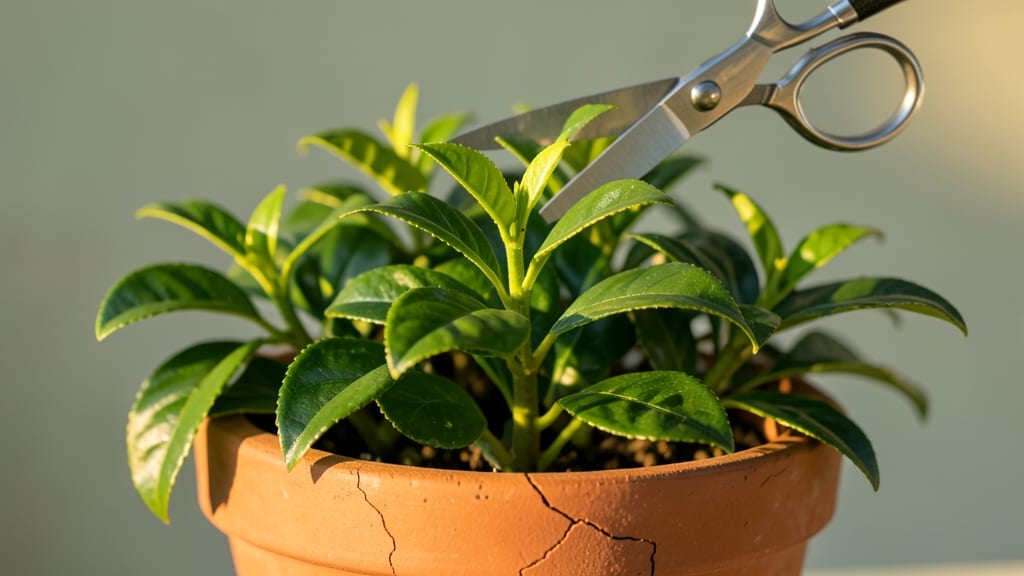
Ready to turn your container-grown tea tree into a source of potent essential oil? The secret lies in timing—harvesting young leaves before flowering unlocks the highest oil concentration, making your homemade remedy far more effective.
Use clean, sharp scissors to snip the youngest leaves (the top 2-3 inches of new growth) in the morning after dew has evaporated. Spread them on a drying rack or hang bundles upside down in a dark, well-ventilated space for 1-2 weeks. Proper drying preserves the medicinal properties and prevents mold, which can ruin your harvest.
This method is ideal for home herbalists and urban gardeners who want to maximize their small-space investment. Just imagine harvesting your own oil-rich leaves year after year! 🌿
Tea Tree Companion Plants for Containers

Small-space gardeners, take