
Pests and Diseases
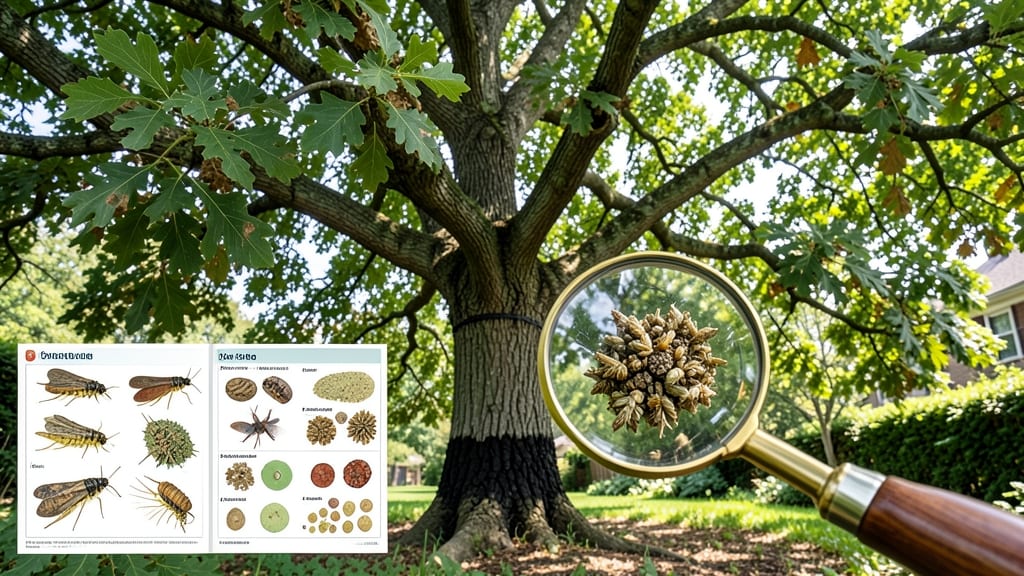
Tree pests and diseases can turn a thriving shade tree into a sad skeleton in just a few seasons—if you don’t catch them early. 🌳 I’ve watched my own oak lose branches to borers and my maple develop unsightly cankers, but now I know the signs to look for and what to do before it’s too late.
The key is acting fast: some problems like bark beetles or fungal canker spread faster than you can say "fall cleanup," but with the right knowledge, you can save even mature trees.
Most damage starts small—yellowing leaves, sawdust-like frass at the base, or strange growths on bark. Bark beetles leave tiny holes and D-shaped exit tunnels, while scale insects create sticky residue called honeydew. Fungal diseases often show up as discolored patches or oozing cankers.
The good news? Many issues respond well to early treatment—organic sprays, pruning infected branches, or even just improving tree health through proper watering and mulching. I’ve saved trees with nothing more than a sharp pruner and some horticultural oil.
By the end of this guide, you’ll know exactly what’s attacking your trees, how to confirm it, and what treatments actually work—from DIY fixes to when to call in an arborist.
You’ll spot the first signs of trouble before they become irreversible, and your trees will stay strong for years to come. The secret isn’t complicated: it’s paying attention and acting before the pests or disease take over.
Whether you’re dealing with a sudden infestation or just want to prevent future problems, this approach works for any tree in your yard. The sooner you start, the easier it is to keep your trees healthy—and your property looking its best. Let’s get those trees back in fighting shape.
Why it happens
Tree pests and diseases don’t strike at random—they’re often the result of specific environmental, biological, or human-induced factors. Understanding these root causes is the first step in prevention and treatment. Let’s break down why your trees might be under siege.
🌡️ Climate and Weather Stress
Extreme weather—like droughts, heatwaves, or heavy rainfall—weakens trees, making them prime targets for pests and pathogens. Drought reduces a tree’s ability to produce defensive compounds, while prolonged wet conditions create ideal breeding grounds for fungi and bacteria. For example:
- Drought-stressed oaks are more susceptible to Bark Beetles, which exploit weakened vascular systems.
- Fungal diseases like Phytophthora thrive in waterlogged soil, attacking roots and causing root rot.
Pro tip: 💡 Mulch properly and water deeply during dry spells to maintain soil moisture without over-saturating roots.
🐛 Biological Vulnerabilities
Trees with compromised immune systems—often due to age, poor genetics, or prior damage—are easy prey. Invasive species (like the Emerald Ash Borer) and native pests (such as Gypsy Moths) exploit trees that can’t fight back. Key factors include:
- Lack of biodiversity: Monoculture plantings (e.g., rows of identical ash trees) create pest superhighways.
- Poor tree health: Nutrient deficiencies (e.g., iron chlorosis) or physical wounds (from storms or pruning cuts) invite infections.
Pro tip: 🌱 Plant native, pest-resistant species and avoid over-pruning—wounds take 2–3 years to heal!
👨🌾 Human Activity and Landscape Practices
Even well-intentioned actions can backfire. Improper pruning, soil compaction from foot traffic, or chemical overuse (like excessive herbicides) disrupt a tree’s natural defenses. For instance:
| Action | Resulting Risk |
|---|---|
| Topping trees (cutting main branches) | Encourages Fungal infections (e.g., Hypoxylon) and weak regrowth. |
| Using contaminated wood chips for mulch | Spreads Dutch Elm Disease via infected bark beetles. |
| Over-fertilizing with nitrogen | Attracts Sap-sucking insects like Aphids or Scale. |
Pro tip: ✨ Always sterilize pruning tools with 70% isopropyl alcohol to prevent cross-contamination.
🌍 Urbanization and Habitat Fragmentation
As cities expand, trees lose their natural allies—like predatory insects that keep pests in check. Habitat loss also forces pests into new territories. For example:
- Japanese Beetles thrive in urban areas with abundant roses and grapes, outcompeting native pollinators.
- Invasive vines (e.g., Kudzu) smother trees, creating entry points for Borer larvae.
Pro tip: 🎯 Support native plant buffers around trees to restore ecological balance and deter pests.
Fixing Tree Troubles Step-by-Step
When pests or diseases attack your trees, quick action can mean the difference between a full recovery and permanent damage. Below, we’ve mapped out practical solutions tailored to common causes—from insect infestations to fungal infections—along with prevention tips to keep your trees thriving.
Think of this as your tree’s emergency first aid kit!
🐛 Infestation Alert: Battling Bugs and Borers
If you spot sawdust-like frass, holes in bark, or wilted leaves, pests like emerald ash borers, bark beetles, or aphids might be the culprits. Here’s how to evict them:
- 🔥 Remove Infested Branches: Prune and burn or bag heavily damaged branches to stop the spread. Focus on areas with D-shaped exit holes (a dead giveaway for borers).
- 🍳 Apply Targeted Pesticides:
- For soft-bodied pests (aphids, scale): Spray with neem oil or insecticidal soap (reapply every 7–10 days).
- For borers/beetles: Use systemic insecticides (like imidacloprid) before the pest’s active season (spring/early summer). Follow label instructions precisely.
- 👨🍳 Encourage Natural Predators: Ladybugs, lacewings, and parasitic wasps love munching on pests. Plant native flowers (like dill or yarrow) nearby to attract them.
- ⏰ Monitor and Repeat: Check trees weekly during peak pest seasons. If damage persists, consult a certified arborist for professional treatment.
💡 Pro Tip: Water-stressed trees are pest magnets. Deep-water your trees 1–2 times per week during dry spells to boost their resilience.
🍄 Fungal Foes: Stopping Rot and Spots
Yellowing leaves, black spots, or oozing cankers? Fungal diseases like anthracnose, powdery mildew, or root rot could be to blame. Act fast with these fixes:
- 🔪 Prune for Airflow: Thin out dense foliage to improve circulation and reduce humidity (fungi thrive in damp conditions). Remove infected leaves/branches and sterilize pruners with rubbing alcohol.
- 🌡️ Fungicide Treatments:
- For leaf spots/mildew: Use a copper-based fungicide or baking soda spray (1 tsp baking soda + 1 quart water + a drop of soap). Spray undersides of leaves where spores hide.
- For cankers/root rot: Apply systemic fungicides (like propiconazole) to the soil or wound sites. Severe cases may need professional soil treatment.
- 🎯 Adjust Care Routines:
- Water at the base (avoid wetting leaves) and early in the day so foliage dries quickly.
- Avoid over-fertilizing with nitrogen, which encourages lush, fungus-loving growth.
✨ Pro Tip: Mulch properly! Keep mulch 2–4 inches deep and 6 inches away from the trunk to prevent moisture buildup that fuels fungi.
🌱 Nutrient Deficiencies: Reviving Weak Trees
If your tree’s leaves are yellowing, stunted, or falling prematurely, it might be starving for essential nutrients. Here’s how to feed it right:
| Symptom | Likely Cause | Solution |
|---|---|---|
| Yellow lower leaves (green veins) | Nitrogen deficiency | Apply a balanced fertilizer (e.g., 10-10-10) in early spring. Use compost or manure for organic options. |
| Yellow between veins (chlorosis) | Iron/manganese deficiency (common in alkaline soil) | Use an iron chelate or sulfur-based fertilizer to acidify the soil. Water deeply after applying. |
| Purple/red leaves | Phosphorus deficiency | Add bone meal or a phosphorus-rich fertilizer (like 5-10-5) in fall or early spring. |
| Small, dark leaves | Potassium deficiency | Apply wood ash or a potassium sulfate fertilizer. Focus on root zones. |
💡 Pro Tip: Test your soil first! A $20 soil test kit from your local extension office will reveal exact nutrient needs—saving you money and guesswork.
Remember: Prevention is the best cure. Regularly inspect your trees for early signs of stress, prune properly, and maintain healthy soil. When in doubt, a local arborist can provide a customized treatment plan. Your trees will thank you with decades of lush, pest-free growth!
Frequently asked questions
How can I tell if my tree has pests versus disease?
Look for these clues: Pests often leave visible signs like holes in bark, sawdust-like frass (borer droppings), or sticky honeydew (from scale insects). Diseases usually show as discolored patches, oozing cankers, or mushrooms at the base. Check leaf undersides for fungal spores too.
Is it safe to use chemical treatments on my trees?
Chemicals can work but should be a last resort. For soft-bodied pests, try neem oil or insecticidal soap first. For borers/beetles, systemic insecticides like imidacloprid may be needed—but always follow label instructions precisely. Test a small area first to avoid harming beneficial insects or nearby plants.
Can I save a tree with severe borer damage?
It depends on how much damage exists. If only a few branches are affected, prune them out and treat the wounds with pruning paint. For heavy infestations (like emerald ash borer), the tree may already be beyond saving. Call an arborist to assess structural integrity—some trees can be stabilized even if dead, but they won’t recover.
What’s the best time of year to treat tree diseases?
Early spring (before buds open) and fall (after leaf drop) are ideal. Fungicides work best when applied preventively—spray before rain or extreme heat. For anthracnose or powdery mildew, treat at leaf emergence and again 4–6 weeks later. Always water trees deeply before application for better absorption.
How do I know when to call a professional arborist?
Consult an expert if you see large areas of deadwood, oozing cankers, or persistent infestations despite treatments. Also call if the tree is near structures (falling risk) or if you’re unsure about dutch elm disease or sudden oak death. Arborists can perform soil injections or cable bracing for severe cases—DIY fixes often fail on these.