
Pests and Diseases
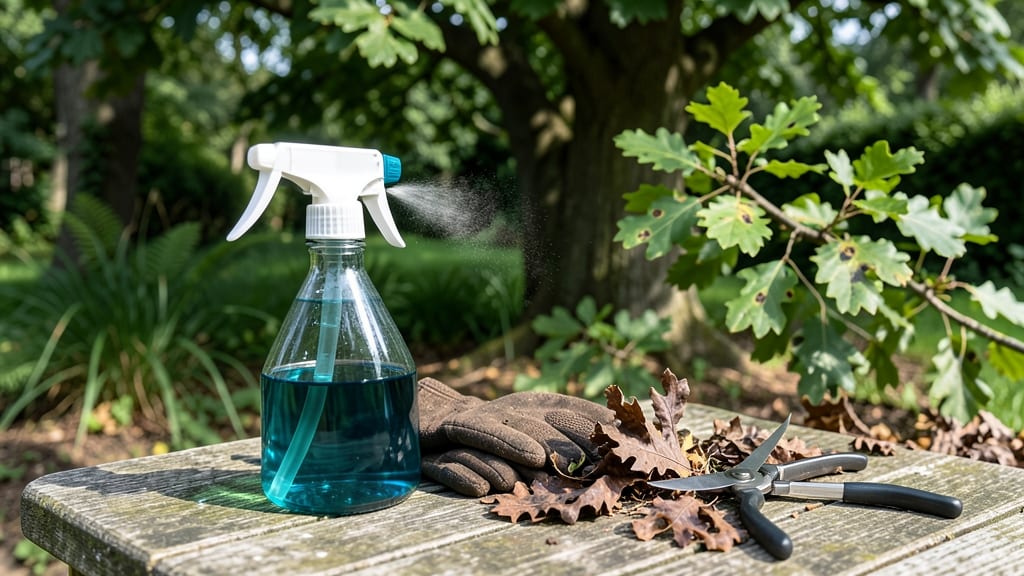
Black spots on tree leaves treatment doesn’t have to mean the end of your favorite shade tree. 🌿 I’ve battled fungal blight in my oak and maple trees, and these natural sprays—plus a few key habits—can turn those ugly spots into a thing of the past. The key is acting fast, before the fungus spreads and weakens the whole tree. Most black spots start as tiny specks that grow into dark, often greasy-looking patches, sometimes with yellow halos. Wet springs and crowded branches make trees especially vulnerable, but the good news is that organic treatments like neem oil or baking soda sprays can stop it in its tracks. I’ve seen dramatic improvements within just a few weeks of consistent care. You’ll restore your tree’s health by pruning infected branches, improving airflow, and applying the right spray at the right time. The leaves will start looking vibrant again, and your tree will bounce back stronger than ever. Let’s get those spots under control for good. First, identify whether your tree has anthracnose (small, sunken spots) or leaf spot (larger, raised blemishes). Both respond to the same treatments, but knowing the difference helps you monitor progress. The real game-changer? A 3-4 week spray schedule with neem oil or copper fungicide, paired with pruning to remove up to 25% of infected foliage before it spreads. Prevention is where the magic happens. After treating, focus on improving air circulation—thin out dense branches—and water at the base (not overhead) to keep leaves dry. Mulch around the tree to stabilize soil moisture, and consider a fall cleanup to remove fallen leaves where fungal spores hide. Your tree will thank you with lush, spot-free foliage by next season.
Why it happens
Black spots on tree leaves aren’t just an eyesore—they’re a red flag that something’s disrupting your tree’s health. Understanding the why behind these blemishes is the first step to stopping them in their tracks.
Let’s break down the most common culprits, from microscopic invaders to environmental stressors, so you can identify the problem and act fast.
Fungi are the #1 cause of black spots on leaves, thriving in damp, humid conditions. These microscopic organisms release spores that land on leaves, germinate, and create dark, often circular or irregular patches. Here’s how they work:
- Anthracnose: A fungal disease that thrives in wet weather, causing sunken, dark spots with yellow halos. It often targets young leaves and fruit trees like apples, cherries, and maples.
- Alternaria Leaf Spot: Recognizable by its concentric rings of black and brown spots, this fungus loves hot, humid climates and attacks a wide range of trees, including oaks, elms, and fruit trees.
- Septoria Leaf Spot: Common in shade trees like sycamores and maples, this fungus creates small, black spots with gray centers. It spreads rapidly in wet conditions, often appearing in late spring or summer.
💡 Pro Tip: Fungal spores spread via wind, rain, and even garden tools. Prune infected branches before spores disperse (early morning or dry weather) and sterilize tools with rubbing alcohol to prevent cross-contamination.
Unlike fungi, bacteria cause black spots that are often greasy to the touch and may ooze a slimy substance. These infections spread quickly, especially in warm, rainy weather. Common bacterial culprits include:
- Xanthomonas: Targets trees like sycamores and oaks, creating small, water-soaked spots that turn black and crusty. It thrives in wounds or damaged leaves.
- Pseudomonas: Causes dark, irregular spots with yellow margins, often seen on fruit trees and ornamentals like azaleas. It can also lead to leaf blight if untreated.
🌡️ Key Difference: Bacterial spots often have a water-soaked appearance before turning black, while fungal spots start dry and crusty. If you see oozing or a foul smell, bacteria are likely the culprit.
Not all black spots are caused by pathogens—sometimes, your tree’s environment is the real villain. Here’s how external factors contribute:
| Cause | How It Happens | Tell-Tale Signs |
|---|---|---|
| Poor Air Circulation | Tightly packed branches or overcrowded trees trap moisture, creating the perfect breeding ground for fungi and bacteria. | Spots appear on lower leaves first; new growth is sparse. |
| Overwatering or Poor Drainage | Soggy soil weakens roots, making trees susceptible to infections. Fungi like Phytophthora thrive in waterlogged conditions. | Black spots paired with yellowing leaves or wilting branches. |
| Nutrient Deficiencies | Lack of magnesium or nitrogen can cause interveinal chlorosis (yellowing between veins) followed by blackened, dead tissue. | Spots appear on older leaves first; tree growth slows. |
| Physical Damage | Hail, strong winds, or even lawnmower hits create entry points for pathogens. Scrapes and tears expose the tree to infections. | Spots form near wounds; leaves may have irregular tears. |
✨ Quick Fix: Improve airflow by thinning dense branches, mulch properly (2–4 inches away from the trunk), and water deeply but infrequently to avoid soggy soil.
Some pests don’t directly cause black spots, but their feeding habits weaken leaves, making them prime targets for fungal or bacterial infections. Watch for:
- Japanese Beetles: Skewer leaves with their mouthparts, creating holes that invite fungal growth. Look for chewed leaves paired with black frass (droppings).
- Aphids or Scale Insects: Their sticky honeydew residue fosters sooty mold, a black fungal growth that coats leaves and blocks sunlight.
- Spider Mites: Tiny yellow or brown spots (from feeding) can turn necrotic (black) if the tree is already stressed.
🎯 Prevention Tip: Blast pests off leaves with a strong spray of water (early morning) or use insecticidal soap. Keep trees healthy to deter pests—stressed trees attract more critters!
Quick Fixes for Leaf Spots
Now that you know the culprits behind those unsightly black spots on your tree leaves, let’s tackle them head-on with practical, effective solutions. Each cause demands a slightly different approach, but the good news?
Most fixes are natural, budget-friendly, and easy to implement. Below, we’ve mapped out targeted treatments for common causes—plus prevention tips to keep your trees thriving long-term.
Fungi love damp, warm conditions, so the key is disrupting their lifecycle while improving airflow and drying conditions.
🔥 Step-by-Step Treatment
- Prune Infected Leaves & Branches
- Use sterilized pruners (wipe with rubbing alcohol between cuts) to remove all spotted or yellowing leaves.
- Dispose of them in the trash (not compost)—fungi can survive in yard waste.
- Pro Tip: 💡 Thin out dense foliage to reduce humidity trapped inside the canopy.
- Apply a Natural Fungicide Spray Mix one of these DIY sprays and apply early morning or late evening (when UV exposure is lowest): - Baking Soda Spray (Best for powdery mildew): - 1 tsp baking soda + 1 tbsp vegetable oil + 1 tsp mild soap (like Castile) per quart of water. - Spray until leaves are damp (undersides too!). - Neem Oil Solution (Kills fungal spores): - 1 tbsp neem oil + 1 tsp soap + 1 quart water.
Shake well before use. - Copper Fungicide (For severe cases like anthracnose): - Use a store-bought copper-based spray (follow label instructions).
- Improve Air Circulation
- Trim back overgrown branches or nearby plants that block airflow.
- Avoid watering overhead—use a soaker hose or drip irrigation instead.
- Prevent Recurrence
- Water in the morning so leaves dry by evening.
- Mulch around the base (but keep it 2–3 inches away from the trunk) to regulate soil moisture.
- ✨ Bonus: Plant fungus-resistant varieties if replanting (ask at local nurseries for recommendations).
Pests weaken leaves, making them susceptible to fungal infections. Starve them out and disrupt their life cycle.
🍳 DIY Pest Control Methods
- Blast Off Pests with Water
- Use a strong hose spray (or a pressure nozzle) to knock off aphids and spider mites from leaves.
- Repeat every 3–5 days until pests disappear.
- Introduce Beneficial Insects
- Ladybugs and lacewings devour aphids. Buy them online or attract them with neem oil sprays (which repel pests but not these predators).
- 🌡️ Pro Tip: Plant dill, fennel, or marigolds nearby to lure natural pest controllers.
- Apply Insecticidal Soap or Horticultural Oil
- Insecticidal soap (1 tsp per quart of water) works on soft-bodied pests like aphids.
- Horticultural oil (like neem oil) smothers spider mites and scale insects. Spray evenly on both sides of leaves.
- Remove Heavy Infestations
- For scale insects, scrape them off with a plastic scraper (metal can damage bark).
- Wipe the area with a soapy cloth to remove eggs.
- Prevent Future Infestations
- Inspect new plants before bringing them home.
- Avoid over-fertilizing (soft, new growth attracts pests).
- Encourage biodiversity—healthy trees with diverse ecosystems resist pests better.
When leaves are already weakened, they’re easy targets for spots. Revitalize your tree’s health with these steps.
💧 Hydration & Soil Care
- Deep Watering
- Water slowly and deeply (1–2 inches per week) rather than shallowly. Use a moisture meter to check soil levels.
- 🔥 Pro Tip: Water at the base, not the leaves, to prevent fungal splashback.
- Mulch Properly
- Apply 2–4 inches of organic mulch (wood chips, straw) around the tree (keep it 6 inches from the trunk).
- Mulch retains moisture and regulates soil temperature.
- Fertilize Gently
- Use a balanced, slow-release fertilizer (like 10-10-10) in early spring.
- ⚠️ Warning: Avoid chemical fertilizers—they can burn leaves and stress the tree.
- Shade & Wind Protection
- If your tree is in a hot, sunny spot, provide partial shade with a lightweight shade cloth during peak heat.
- Windbreaks (like tall shrubs or fences) prevent leaf desiccation.
- Avoid Chemical Overload
- If you suspect herbicide drift or pesticide burn, flush the soil with water and apply compost tea to detoxify.
To keep your trees spot-free, adopt these habits:
- Inspect leaves weekly (early detection = easier fixes).
- Clean up fallen leaves (fungi hibernate in them).
- Avoid overhead irrigation (use drip systems).
- Space trees properly (3–5 feet apart for airflow).
- Strengthen immunity with compost tea (every 4–6 weeks in growing season).
Final Thought: Most leaf spot issues are manageable with consistency. Start with the cause-specific fix, then layer in preventive care—your trees will thank you with lush, healthy foliage in no time! 🌳💚
Frequently asked questions
Why do black spots appear suddenly on my tree leaves?
Black spots often appear suddenly due to fungal spores landing on leaves during wet weather. Fungi like anthracnose or alternaria thrive in damp conditions, germinating within 24-48 hours of landing. If your tree has poor airflow or overcrowded branches, spores spread even faster. Check for recent rain or overhead watering—these create perfect breeding grounds.
Can I use household items like vinegar to treat black spots?
While vinegar can help in a pinch, it's not the best choice for treating fungal black spots. A 1:1 vinegar-water mix (3% acetic acid) may kill some spores, but it can also harm the tree if used too concentrated. Better options: baking soda spray (1 tsp baking soda + 1 tbsp oil + 1 tsp soap per quart of water) or neem oil solution (1 tbsp neem + 1 tsp soap per quart).
How often should I spray my tree with fungicide?
For active infections, spray every 7-10 days for 4-6 weeks to break the fungal cycle. Once spots disappear, switch to a monthly preventive spray during wet seasons. Always apply early morning or late evening when UV exposure is lowest. Remember: consistency matters more than frequency—missed applications let spores regrow.
Will pruning infected branches help stop the spread?
Yes! Pruning removes the infection source and improves airflow. Cut out all spotted leaves and branches (up to 25% of infected foliage), then sterilize your tools with rubbing alcohol. Dispose of pruned material in the trash (not compost)—fungal spores can survive in yard waste. Thin dense branches to let sunlight and air circulate better.
When should I call a professional arborist?
Consult an arborist if: 50%+ of leaves are infected, the tree is young or valuable, or spots appear despite 3 weeks of treatment. Also seek help if you see oozing (bacterial infection), sudden wilting, or blackened bark. Professionals can diagnose less common issues like Phytophthora root rot or recommend systemic fungicides when needed.