
Pests and Diseases
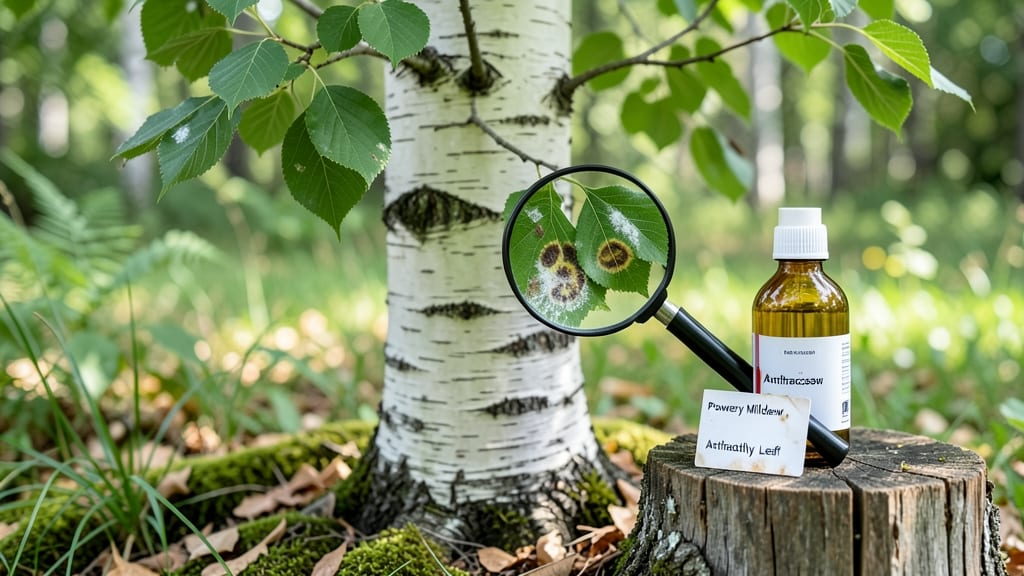
That chalky white dust on your tree leaves—those white spots on the leaves—isn’t just unsightly—it’s powdery mildew, and baking soda can stop it in its tracks. 🌿 I’ve battled this stubborn fungus on my apple trees, and the right spray mix clears it up faster than store-bought fungicides.
The key is acting early before it spreads to every leaf.
First, confirm it’s powdery mildew by checking for the telltale powdery residue on leaf undersides and stems. Unlike nutrient deficiencies, this fungus thrives in shady, humid conditions and leaves a fuzzy white coating that wipes off with your finger.
If you see yellowing or curled leaves, prune those areas immediately to improve airflow.
Mix 1 tablespoon of baking soda, 1 tablespoon of horticultural oil, and a drop of dish soap in a gallon of water. Spray the undersides of leaves thoroughly every 7–10 days until new growth appears.
Within two weeks, you’ll see fresh green leaves pushing through, and the white spots will vanish—no chemicals needed.
Prevent future outbreaks by spacing plants properly, watering at the base (not overhead), and choosing resistant tree varieties. This simple spray works for roses, grapes, and even houseplants—just adjust the mix for delicate foliage. Your trees will thank you with lush, disease-free leaves all season.
Root Causes Of Leaf Spots
White spots on leaves aren’t just an eyesore—they’re often a sign of stress or infection. Understanding the why behind these spots helps you tackle the problem effectively. Below are the most common culprits, broken down with clear explanations and actionable insights.
Fungi are the #1 cause of white spots on leaves, thriving in damp, shaded conditions. The two most notorious offenders are:
- Powdery Mildew This fuzzy, white fungal growth appears on the upper leaf surfaces, often in circular or patchy spots.
It spreads via wind and spores, weakening the tree by blocking sunlight and clogging pores. - Why it happens: Fungi like Erysiphe and Podosphaera thrive in high humidity (70%+), poor air circulation, and warm temperatures (60–85°F).
Overhead watering or dense foliage creates the perfect breeding ground. - Actionable fix: Space plants for airflow, water at the base (not leaves), and apply baking soda spray (1 tsp baking soda + 1 quart water + a drop of dish soap) every 7–10 days.
- Leaf Spot Fungi (e.g., Cercospora, Septoria) These cause small, white or tan spots with dark borders, often with yellow halos.
They thrive in wet conditions and can lead to premature leaf drop. - Why it happens: Spores splash onto leaves from soil, tools, or rain. Prolonged leaf wetness (10+ hours) accelerates spread. - Actionable fix: Prune infected leaves immediately (sterilize tools with 70% alcohol), avoid late-season nitrogen fertilizer (promotes lush, susceptible growth), and use copper fungicide for severe cases.
Some insects don’t just chew leaves—they leave behind white, waxy residue or chewed patterns that mimic disease.
- Whiteflies These tiny, winged pests excrete sticky honeydew, which attracts sooty mold (a black fungus that looks like dirt). Their feeding weakens leaves, causing yellowing and white speckling. - Why it happens: They love warm climates (75–90°F) and thrive on the undersides of leaves.
Overwatering or soft new growth attracts them. - Actionable fix: Blast leaves with water to dislodge adults, use yellow sticky traps, or spray with neem oil (1 tbsp per quart of water).
- Scale Insects These immobile pests secrete a white, waxy shield that protects them while they suck plant sap.
Infested leaves develop yellow spots and sticky residue. - Why it happens: They target stressed trees (drought, poor soil) and spread via contaminated tools or wind. - Actionable fix: Scrape off clusters with a stiff brush, apply horticultural oil in dormant season, or use systemic insecticides for severe infestations.
Not all white spots are biological. Environmental factors can cause harmless (but annoying) discoloration:
- Chlorosis (Nutrient Deficiency) White or pale spots often signal iron, magnesium, or zinc deficiency, common in alkaline soils (pH >7.0).
Young leaves are usually the first to show symptoms. - Why it happens: Poor soil drainage, over-fertilization with lime, or compacted roots restrict nutrient uptake. - Actionable fix: Test soil pH (aim for 6.0–7.0 for most trees).
Apply chelated iron (for iron deficiency) or Epsom salt (1 tbsp/gallon water for magnesium) every 2–4 weeks.
- Sun Scorch Sudden white or brown patches on sun-exposed leaves (especially in spring) are often sunburn.
Young, tender leaves lack protective pigments. - Why it happens: Rapid temperature swings (e.g., cold nights + hot days) or transplant shock stress leaves. - Actionable fix: Acclimate trees gradually to sunlight (a process called hardening off), mulch to regulate soil temp, and water deeply during heatwaves.
- Chemical Burn White, crispy spots can appear after over-application of herbicides, fungicides, or even well-meaning but misused baking soda sprays.
- Actionable fix: Always follow label rates, apply sprays on calm days, and avoid treating when leaves are wet.
Sometimes, the cure becomes the problem. Overuse of fungicides, insecticides, or even homemade remedies can cause white spots.
- Salt Burn from Fertilizer Excessive salt-based fertilizers (like synthetic granules) leave white crusty deposits on leaves and soil.
- Actionable fix: Flush soil with water, use organic fertilizers (compost, worm castings), and test soil salinity.
💡 Pro Tip: Before treating, rub a spot between your fingers—if it leaves a powdery residue, it’s likely mildew. If it’s sticky, check for pests. For crispy white patches, inspect for sunburn or chemical damage.
Fixing White Spots on Foliage
White spots on your tree leaves? Don’t panic—most issues are treatable with the right approach! The solution depends on the root cause, whether it’s fungal infections, pest damage, or environmental stress.
Below, we’ve mapped out practical fixes for each scenario, along with prevention tips to keep your trees thriving. Let’s get your leaves back to their vibrant best!
If the white spots look like dust, powder, or greasy patches, fungi are likely the culprit. These thrive in humid conditions and can spread quickly if ignored.
🔥 Step 1: Prune Infected Areas
- 🌿 Trim away heavily affected leaves, branches, or twigs using sterilized pruners (wipe with rubbing alcohol between cuts).
- 🗑️ Dispose of infected debris in the trash (not compost)—fungi can survive and reinfect.
🍳 Step 2: Apply Fungicide Sprays
For powdery mildew, a baking soda spray is a natural, budget-friendly solution:
- Mix 1 tsp baking soda + 1 tbsp vegetable oil + 1 tsp dish soap in 1 quart of water.
- Spray both sides of leaves in the early morning or evening (avoid direct sunlight to prevent leaf burn).
- Reapply every 7–10 days until symptoms disappear.
For rust or leaf spot, consider:
- Neem oil spray (1 tbsp neem oil + 1 tsp dish soap in 1 quart of water).
- Commercial fungicides (like copper-based sprays) for severe cases.
👨🍳 Step 3: Improve Airflow & Light
- 🌬️ Thin out dense foliage to allow sunlight and air to circulate.
- 🌞 Space trees properly (follow spacing guidelines for your species).
- 💦 Water at the base (avoid overhead watering, which spreads spores).
💡 Prevention Tips - 🌡️ Monitor humidity—fungi love moisture.
Use a dehumidifier in greenhouses or water early in the day. - ✨ Choose resistant varieties—some tree species (like lilacs or serviceberries) are less prone to mildew. - 🍂 Clean up fallen leaves in autumn to remove overwintering fungi.
If the white spots are tiny webs, sticky residue, or insect eggs, pests are likely sucking sap or laying eggs.
🔪 Step 1: Blast Off Pests
- 💦 Spray with water—a strong hose blast can knock off spider mites and aphids.
- 🍳 Use insecticidal soap (1 tbsp mild soap + 1 quart water) for light infestations.
- 🌿 Introduce beneficial insects—ladybugs, lacewings, and parasitic wasps eat pests naturally.
🏆 Step 2: Apply Systemic Treatments
For heavy infestations:
- 🌱 Neem oil (disrupts insect life cycles).
- 💊 Horticultural oil (smothers eggs and adults).
- 🌿 Systemic insecticides (like imidacloprid) for severe cases—follow label instructions.
🎯 Prevention Tips
- 🌿 Inspect new plants before bringing them home.
- 🌡️ Avoid over-fertilizing—soft new growth attracts pests.
- 🍂 Remove weeds near trees (they harbor pest populations).
White spots from sun exposure, salt spray, or fertilizer burn are often physical damage, not a disease.
🌿 Step 1: Adjust Care Routine
- ☀️ Provide afternoon shade for sun-sensitive trees (like maples or birches).
- 💦 Water deeply during dry spells to prevent stress.
- 🧼 Rinse leaves with water if mineral deposits (from hard water or salt spray) are present.
🧼 Step 2: Amend Soil & Avoid Over-Treatment
- 🌱 Test soil pH—extreme alkalinity (high pH) can cause white crusting.
- 🍂 Avoid over-salting lawns near trees (salt damage is common in winter).
- 💊 Use slow-release fertilizers to prevent chemical burn.
✨ Prevention Tips
- 🌡️ Mulch properly (2–4 inches) to retain moisture and regulate soil temp.
- 🌿 Choose drought-tolerant species if your climate is dry.
- 🍂 Clean tools after pruning to avoid spreading stress-related pathogens.
| Cause | Immediate Fix | Prevention |
|---|---|---|
| Powdery Mildew | Baking soda spray + prune infected areas | Improve airflow, avoid overhead watering |
| Rust/Leaf Spot | Neem oil or copper fungicide | Remove debris, plant resistant species |
| Spider Mites/Aphids | Insecticidal soap or water blast | Introduce predator insects, reduce fertilizer |
| Sun Scorch | Provide shade, deep watering | Mulch, choose shade-tolerant trees |
| Mineral Burn | Rinse leaves, amend soil pH | Use rainwater, test soil regularly |
Final Thought: Most white spot issues are manageable with early action! Start with identification (is it fungal, pest-related, or environmental?), then treat the root cause. With a little care, your trees will bounce back—and stay healthy for years to come. 🌳💚
Frequently asked questions
Why do white spots appear on leaves but not always spread to the whole tree?
White spots often start as isolated infections because fungi and pests need specific conditions to spread. Humidity, poor airflow, or weak branches create perfect breeding grounds in certain areas first. For example, powdery mildew thrives on shaded lower leaves, while sun scorch appears only on exposed foliage. The key is catching it early—once spores spread, the whole tree becomes vulnerable.
Can I use the same baking soda spray on all my plants, or does it vary by species?
While baking soda spray works for most plants, some are more sensitive. Use it on roses, grapes, and fruit trees safely, but dilute it further (½ tsp per quart) for delicate plants like ferns or orchids. Always test a small leaf area first—some tropical plants may develop brown spots from the alkalinity. For citrus trees, skip baking soda entirely as it can cause leaf burn.
How do I tell if white spots are from pests vs. disease?
Check the texture and location: fungal spots (like powdery mildew) feel powdery and appear on leaf surfaces, while pest-related spots often have sticky residue or tiny webs underneath. Rub a spot between your fingers—if it leaves a greasy film, it's likely honeydew from sap-sucking insects. Look for tiny moving dots (mites) or waxy bumps (scale) to confirm pests. Disease spots usually have fuzzy edges or yellow halos.
Will pruning infected leaves help if the problem is already widespread?
Pruning helps, but only as part of a larger treatment plan. For severe cases, remove 20-30% of infected foliage to improve airflow, but don't overdo it—healthy leaves need energy too. Combine pruning with fungicides (like neem oil) and adjust watering habits. The key is breaking the infection cycle: remove the food source (infected leaves) while preventing new spores from settling.
Can white spots on leaves harm my tree's fruit or flowers?
Severe infections weaken trees, reducing fruit quality and yield. Powdery mildew on apple trees, for example, causes misshapen fruit and bitter flavors. Pest damage (like scale) diverts nutrients from flowers, leading to fewer blooms. Treat white spots immediately—healthy foliage means better harvests. For fruit trees, apply preventive sprays before flowering season to protect both leaves and fruit.