
Pruning
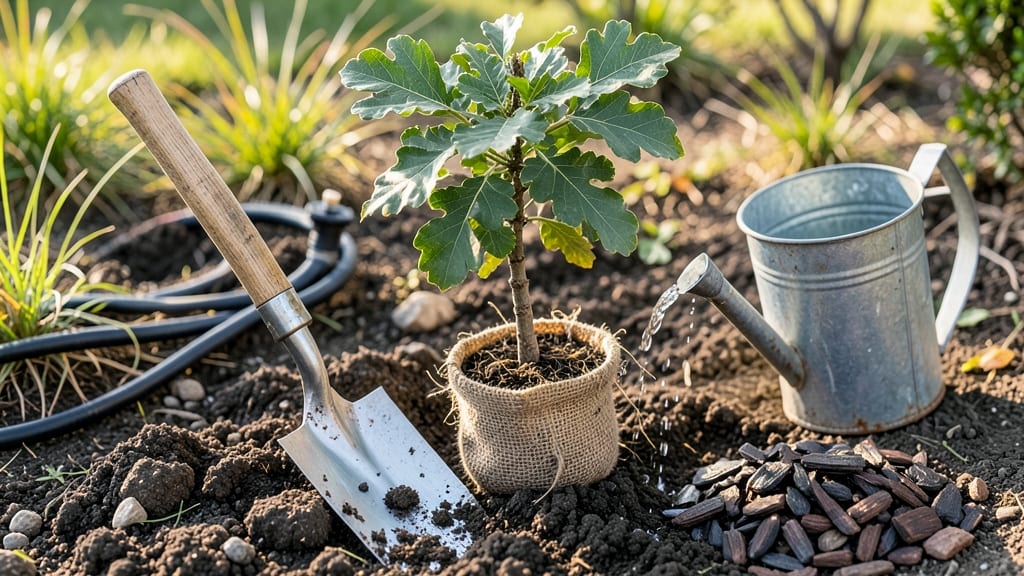
Planting trees in Sonoma County means choosing the right species for our unique climate—where coastal fog meets inland heat. 🌳 I’ve learned the hard way that some trees thrive here while others struggle, especially with our dry summers and occasional wildfire risk.
The key is picking native varieties like coast live oak or valley oak, which handle our soil and weather like pros.
Timing matters too—plant in winter or early spring when rains soften the ground and temperatures stay mild. Dig a hole twice as wide as the root ball but no deeper, then mix in compost to give your tree a nutrient boost from day one.
Sonoma’s soil can be rocky, so loosen it well before planting to help roots spread easily.
Watering is where most people go wrong. New trees need deep watering twice a week for the first year, but avoid soggy soil—our clay-heavy ground drains poorly.
Mulch heavily (3-4 inches) to lock in moisture and keep roots cool. By summer, a well-planted tree will look lush and established, not stressed.
For extra help, check out local resources like the Sonoma County Ag + Open Space District or native plant nurseries in Santa Rosa. They offer workshops on fire-resistant landscaping and drought-tolerant species—perfect for our region. With the right prep, your tree will grow strong for decades.
📚 In This Guide
- What you need
- Instructions
- Tips and common mistakes
- Wrapping up and next steps
What you need
- ● Tree sapling: Choose a native species (e.g., California Sycamore, Oak, or Madrone) from a local nursery. Size depends on preference, but 5-gallon or 15-gallon containers are ideal for Sonoma’s soil.
- ● Shovel or trowel: A flat-edged shovel (for digging) and a hand trowel (for precision) are must-haves.
- ● Watering can or hose: A 5-gallon watering can (for young trees) or a soaker hose (for deeper hydration).
- ● Mulch: 3–4 inches of organic mulch (wood chips or straw) to retain moisture and regulate soil temperature.
- ○ Stakes & ties (optional but recommended): 2–3 wooden stakes (2–3 ft tall) and soft tree ties to support young trees in windy areas.
- ● Gloves & knee pads: Protect your hands (gardening gloves) and knees (knee pads) for comfort.
- ● Pruners: Bypass pruners for clean cuts (avoid anvil pruners—they crush stems).
- ● Soil amendments: Compost or mycorrhizal fungi to boost root health in Sonoma’s clay-heavy soils.
- ● Tree guard: A plastic or metal tree collar to protect young trunks from rodents.
- ● Drip irrigation kit: For automated watering in dry seasons.
- ● Post-hole digger: If staking is needed for deeper support.
- ● Pest deterrents: Neem oil or beneficial nematodes to prevent early infestations.
Step-by-Step instructions for planting trees in Sonoma County
Sonoma’s microclimates demand smart planting—here’s how to give your trees the best start.
🪴 Step 1: Choose the Right Tree and Planting Spot
Sonoma County’s varied zones mean native oaks, manzanitas, or drought-tolerant fruit trees thrive best. Match your tree to the spot: coastal areas need wind-resistant species, while inland sites benefit from deep-rooted varieties. Dig a hole twice as wide as the root ball but no deeper—this prevents soil compaction around roots.
Test drainage by digging a 12-inch deep test hole. If water pools after 30 minutes, amend with 6 inches of compost to improve drainage. Avoid planting under power lines or near foundations unless using certified arborist-approved species. I always check the USDA Plant Hardiness Zone 9b-10a map for Sonoma to confirm suitability.
🌱 Step 2: Prepare the Hole and Plant Carefully
Loosen the root ball gently if pot-bound, then place the tree in the hole so the top of the root ball sits 1-2 inches above ground level. Backfill with the native soil you removed (mixed with 1 part compost to 3 parts soil) to prevent nutrient shock. Water deeply to settle the soil around roots—you’ll see the ground firm up as you fill.
Stake only if needed (young trees in windy areas), using two stakes at 45-degree angles and a soft tree tie. Over-tightening strangles growth. Mulch with 3 inches of wood chips in a 3-foot diameter circle, keeping mulch 6 inches away from the trunk to prevent rot. This mimics Sonoma’s natural leaf litter and retains moisture during dry spells.
☀️ Step 3: Water Deeply and Monitor for First 3 Months
Water twice weekly for the first month, then taper to once weekly (more in summer heat). New trees need 10-15 gallons per watering—soak until water drains 6 inches deep. Check soil moisture by pushing a 6-inch screwdriver into the ground; if it resists, water again. Overwatering in Sonoma’s clay soils suffocates roots.
Watch for leaf scorch (brown edges) or wilting—signs of stress. Coastal fog may delay growth, but inland areas need shade protection until roots establish. I prune only to remove dead branches in the first year; let the tree focus on root growth. Fertilize only if leaves show nutrient deficiency (use balanced 10-10-10 at half-strength).
⏰ Step 4: Adjust Care for Sonoma’s Seasonal Shifts
Winter (Dec-Feb): Reduce watering to once every 2 weeks unless heavy rains occur. Coastal areas get 40+ inches annually—let nature water for you. Mulch helps insulate roots from temperature swings. Spring (Mar-May): Resume regular watering as buds form. Summer (Jun-Aug): Increase water to twice weekly and provide afternoon shade if planting in exposed sites.
Fall (Sep-Nov): Gradually reduce watering to prepare for dormancy. This seasonal rhythm mirrors Sonoma’s Mediterranean climate. By year two, most trees need only monthly deep watering unless in extreme heat. I always mark planting dates on my calendar—it’s the best way to track progress and adjust care.
Tips & tricks for thriving trees in Sonoma County
Sonoma’s unique climate rewards careful planning—here’s how to avoid common pitfalls and give your trees their best shot.
Soil Test First: Before digging that 12-inch deep test hole in Step 1, grab a handful of your native soil and squeeze it. If it forms a tight ball that won’t crumble, your clay-heavy soil needs extra compost (up to 12 inches) to improve drainage. I’ve seen trees fail in Sonoma’s heavy soils because homeowners skipped this test—don’t make that mistake! The 30-minute water pooling check is your early warning system for potential root rot.
Root Ball Placement: That 1-2 inch elevation above ground level in Step 2 isn’t just arbitrary—it prevents water from pooling around the trunk, which causes rot. For container-grown trees, gently tease the roots outward if they’re circling the root ball. I use my fingers to loosen them just enough to encourage outward growth. This simple step makes a huge difference in how quickly roots establish.
Mulch Like a Pro: The 3-inch layer of wood chips in Step 2 should look like a donut—3 feet wide but with a 6-inch bare trunk in the center. Many people over-mulch, creating a "mulch volcano" that suffocates the trunk. Use a rake to create that clean center space. Also, refresh your mulch annually in spring—it breaks down faster than you think in Sonoma’s warm climate.
Seasonal Watering Hack: Mark your calendar for the first day of summer (June 1) and fall (September 1)—these are your cues to adjust watering. Inland areas need that twice-weekly watering during summer heat, but coastal fog can make once weekly sufficient. I keep a rain gauge near my trees to track exactly how much nature provides, so I don’t overwater during our wet winters.
Pro Tips for Tree Planting Sonoma County Ca
- Sonoma’s unique climate rewards careful planning—here’s how to avoid common pitfalls and give your trees their best shot.
- Soil Test First: Before digging that 12-inch deep test hole in Step 1, grab a handful of your native soil and squeeze it.
- Root Ball Placement: That 1-2 inch elevation above ground level in Step 2 isn’t just arbitrary—it prevents water from pooling around the trunk, which causes rot.
Frequently asked questions
Got questions about planting trees in Sonoma County? You’re in the right place! Here are answers to the most common queries to help you get started with confidence.
What’s the best time of year to plant trees in Sonoma County?
Sonoma’s mild, Mediterranean climate means you can plant trees year-round, but fall (October–November) and early spring (February–March) are ideal. These seasons offer cooler temps, reduced water stress, and ample rainfall to help roots establish. Avoid extreme heat (summer) or frost (winter).
How much water does a newly planted tree need in Sonoma’s dry climate?
Newly planted trees need deep, infrequent watering—about 10–15 gallons per week for the first year. Water slowly at the base (not the leaves) to encourage deep root growth. In Sonoma’s dry summers, mulch heavily (3–4 inches) to retain moisture. Reduce watering gradually after the first year as roots mature.
Can I plant trees on a slope or hillside in Sonoma County?
Yes! Slopes are great for erosion control, but choose native or drought-resistant species like coast live oak, California sycamore, or manzanita. Plant on the downhill side of a mound to prevent erosion, and use erosion-control fabric or straw mulch. Avoid heavy clay soils—amend with compost or sand if needed.
Will planting trees attract pests like termites or rodents in Sonoma?
Healthy trees are less attractive to pests! Choose disease-resistant species (e.g., valley oak or toyon) and maintain good drainage to deter termites. Rodents may nibble young bark—wrap trunks with tree guards or mesh until established. Regular pruning also reduces hiding spots.
Are there local Sonoma County programs or rebates for tree planting?
Check out Sonoma Water’s Tree Rebate Program for native trees, or CalFire’s Urban and Community Forestry Program for grants. Local nurseries like Sonoma Tree Company often offer discounts on drought-tolerant species. Always verify eligibility—funding changes yearly!
Wrapping up and next steps
Planting trees in Sonoma County, CA isn’t just about beautifying your landscape—it’s a powerful way to support local ecosystems, improve air quality, and combat climate change. 🌱 With the right species, timing, and care, your efforts can thrive year-round, even in our unique Mediterranean climate.
Whether you’re a seasoned gardener or just starting, every tree makes a difference!
Ready to take action? Start small—plant one native tree today, share your progress with the community, or even volunteer with local conservation groups. Your green thumb could inspire others to join the movement! 🌿