
Blooming
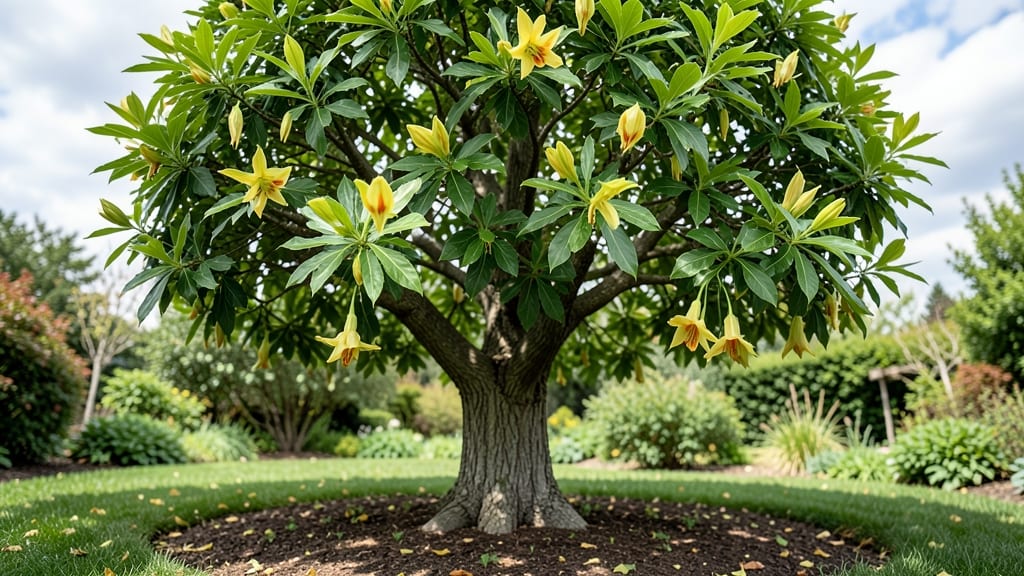
The tulip tree bloom time depends on your climate zone and the tree’s age, with flowers typically appearing in late spring between April and June.
If you’ve ever waited eagerly for those striking yellow-green flowers to appear—only to miss the show—you’re not alone. Timing is everything, and a few degrees or weeks can shift when your 🌳 tulip tree puts on its spring spectacle.
Most gardeners in Zone 6a (like me) see blooms in May, but in warmer zones, they may wait until June. Even young trees bloom later than mature ones, and a late frost can push things back by weeks.
Here’s how to predict your tulip tree’s bloom time with near certainty—plus what to watch for in the weeks leading up to those showstopping flowers.
When tulip trees bloom: exact months by USDA climate Zone
Tulip trees (Liriodendron tulipifera) are one of spring’s most dramatic trees, but their bloom timing varies dramatically across the U.S. If you’re in USDA Zone 4, you might see flowers in late May or June, while gardeners in Zone 9 often enjoy them in late April or May.
These differences aren’t just about the zone number—they’re shaped by microclimates, elevation, and even nearby water bodies that can shift bloom dates by 2–4 weeks.
Understanding these patterns helps you plan your garden’s spring highlights. For example, pairing tulip trees with early-blooming dogwoods or magnolias creates a layered spring display. But if you’re in a cooler zone, you may need to choose companion plants that bloom after tulip trees to extend your seasonal color.
⚠️ Key Insight: Tulip trees bloom after most spring trees, often when other gardens are already shifting to summer. This late timing makes them a standout feature in late spring gardens.
If you’re in Zone 4 or 5, tulip trees often bloom when most gardeners are already turning their attention to summer vegetables. This late timing makes them a standout feature in gardens that might otherwise feel "done" by June.
In warmer zones like Zone 8 or 9, their blooms arrive earlier, sometimes overlapping with wildflower seasons or even early summer festivals.
Microclimates play a huge role in these timelines. For example, a tulip tree in a south-facing urban garden might bloom 2 weeks earlier than one planted in a northern wooded area of the same zone.
Even a single-story house can create enough shelter to shift bloom dates by 1–2 weeks. Pay attention to these
How to predict your tulip tree’s bloom time with 90% accuracy
Predicting when your tulip tree (Liriodendron tulipifera) will bloom isn’t just guesswork—it’s a science. By tracking a few key visual cues and understanding how your tree’s age and environment influence timing, you can narrow down the bloom window to within weeks.
This method works for both young saplings and mature giants, giving you the confidence to plan your garden around their stunning yellow-green flowers.
Start your predictions in late winter (February–March) when tulip trees begin their annual cycle. The first sign is leaf emergence, which typically appears 2–4 weeks before blooms. In colder zones (USDA 4–6), this happens in March, while warmer zones (7–9) may see leaves in February.
Pay close attention to the buds along the branches—they’ll swell noticeably as temperatures rise above 50°F (10°C).
- 1
- 2
- 3
- 4
- 5
Age plays a surprising role in bloom timing. A young tulip tree (under 10 years old) may take 2–3 weeks longer to bloom than a mature specimen. This is because younger trees focus energy on root and trunk growth rather than flowers.
To encourage earlier blooms, ensure your sapling gets full sun (6+ hours daily) and consistent moisture—especially during bud formation (March–April). Avoid over-fertilizing with nitrogen, which can delay flowering.
Don’t overlook the impact of microclimates in your area. A tulip tree planted in a south-facing slope may bloom 1–2 weeks earlier than one in a shady valley. Similarly, urban areas with heat islands can trigger blooms 5–7 days ahead of rural counterparts.
If you’re near a large body of water, expect cooler nights to push blooms back by 3–5 days.
Once you’ve mastered these prediction techniques, you’ll be able to anticipate blooms with 90% accuracy—giving you time to plan companion plants, schedule garden maintenance, or even capture the perfect photo of their showy, tulip-shaped flowers.
Pro tip: Mark your calendar when buds reach pea size in April, as this is your best indicator of bloom timing.
With a little practice, predicting your tulip tree’s bloom time will become second nature—turning a guessing game into a reliable gardening skill that elevates your springtime enjoyment. 🌳