
Blooming
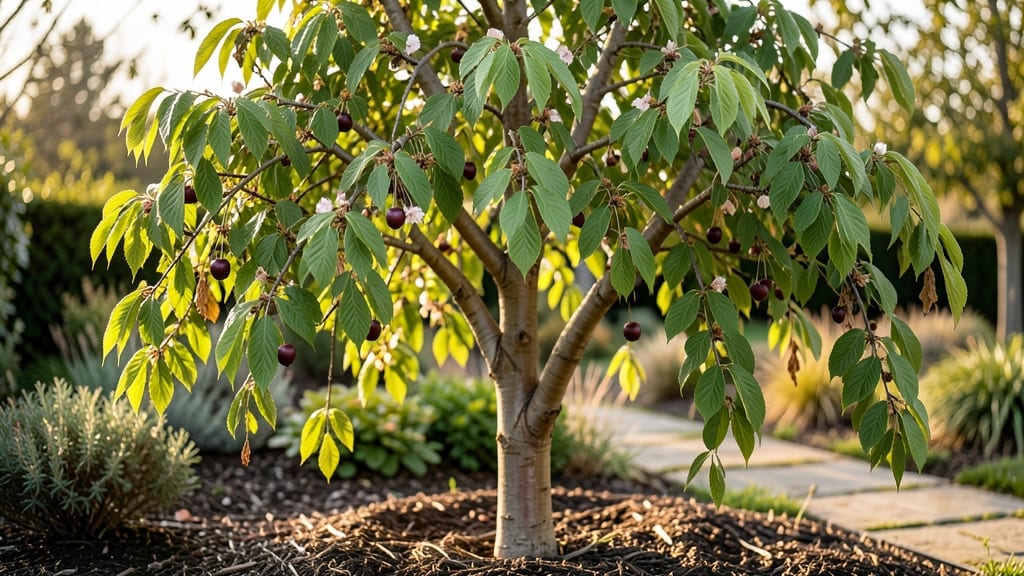
Your weeping cherry tree’s pink blooms may fade by June, but the real work begins then. ✨ After the showy spring display, proper care keeps those graceful branches lush and ready to bloom again next year—if you time pruning, feeding, and pest checks just right.
First, wait 4-6 weeks after blooming to prune—this gives the tree time to set next year’s flower buds. Focus on removing dead wood, crossing branches, and thinning to improve airflow, which also cuts down on fungal issues.
A light application of balanced fertilizer (10-10-10) in early summer fuels new growth without overstimulating late-season shoots.
Pests like lacewings or scale can sneak in when the tree’s energy shifts from flowers to foliage. Inspect leaves weekly and treat early with horticultural oil if you spot sticky residue (aphid honeydew) or tiny webs.
Mulch around the base to retain moisture and block weeds, but keep it 2-3 inches deep—too much smothers the roots.
By late summer, your tree should be sending out fresh green leaves and setting buds for next spring. Water deeply once a week if rainfall is light, and avoid heavy pruning after August—it disrupts the tree’s winter dormancy.
With this routine, your weeping cherry becomes a year-round star, not just a spring spectacle.
📚 In This Guide
- What you need
- Instructions
- Tips and common mistakes
- Wrapping up and next steps
What you need
- ● Weeping cherry tree (Prunus serrulata 'Kanzan' or similar): A healthy 3–5-year-old sapling (6–8 ft tall) for best results. Note: Nursery-grown trees are ideal for minimizing transplant shock.
- ● High-quality potting soil: 10–15 gallons of well-draining organic soil mix (e.g., 60% topsoil, 20% compost, 20% perlite/sand).
- ● Slow-release fertilizer: 1 lb of balanced 10-10-10 or acid-loving plant fertilizer (e.g., for azaleas/camellias).
- ● Mulch: 3–4 cubic feet of wood chips or bark (avoid dyed mulch—it’s toxic!).
- ○ Tree supports (optional but recommended): 1–2 tree stakes (5–6 ft tall, 1-inch diameter)
- ● 1 roll of tree tie straps (3/8-inch width, 10–15 ft length)
- ● Pruning tools: 1 pair of bypass pruners (sharp, for clean cuts)
- ● 1 loppers (for thicker branches, 20-inch reach)
- ● 1 pruning saw (if branches exceed 2 inches in diameter)
- ● Garden gloves: Heavy-duty, cut-resistant (e.g., Mechanix or Felco).
- ● Watering can or hose: With a gentle spray nozzle (avoid high pressure).
- ● Measuring tape: 25-foot retractable for spacing checks.
- ● Wheelbarrow: 3-cubic-foot capacity for soil/mulch transport.
- ● ✅ Location: Full sun (6+ hours/day) and well-draining soil (pH 5.0–6.5). Test soil pH with a kit if unsure!
- ● ✅ Timing: Plant in early spring (March–April) or fall (October–November) to avoid extreme heat/cold.
- ● 💡 Post-bloom care: Prune right after flowering (May–June) to shape the tree and encourage lush foliage.
- ● 🌡️ Climate note: Weeping cherries thrive in USDA Zones 5–8. In hotter zones, provide afternoon shade to protect leaves.
How to care for a weeping cherry tree after its spring bloom
Here’s the gentle, seasonal routine that keeps your weeping cherry thriving beyond its stunning spring display.
🌿 Step 1: Prune Lightly to Encourage New Growth
Wait until after the last frost and after all blooms have fallen before pruning. Focus on removing only dead, crossing, or diseased branches—never cut more than 25% of the tree’s canopy at once. Weeping cherries bloom on old wood, so aggressive pruning reduces next year’s flowers.
Use clean, sharp pruners to make cuts just outside the branch collar (the swollen area where the branch meets the trunk). Avoid leaving stubs, which invite decay. I always step back after pruning to check the tree’s natural shape—it should still look graceful, not hacked.
☀️ Step 2: Provide Deep Watering and Mulch
Water deeply once a week during dry spells, aiming for 1-1.5 inches of water per session. Weeping cherries have shallow roots, so let the top 2-3 inches of soil dry out between waterings—this prevents root rot while keeping the tree hydrated. A soaker hose works best to deliver water slowly to the roots.
Spread a 2-3 inch layer of organic mulch (like shredded bark or wood chips) around the base, keeping it 3 inches away from the trunk. This conserves moisture, regulates soil temperature, and suppresses weeds. Refresh the mulch annually in early spring to maintain its protective layer.
🌱 Step 3: Fertilize for Strong Summer Growth
Apply a balanced, slow-release fertilizer (like 10-10-10) in early spring, just as new leaves emerge. Follow the package instructions for dosage—over-fertilizing stresses the tree and can lead to weak blooms next year. I scatter the granules evenly under the canopy and water them in thoroughly.
Weeping cherries don’t need heavy feeding, but a light application in late summer (around mid-August) with a low-nitrogen fertilizer (like 5-10-10) encourages root development for winter hardiness. Avoid fertilizing after September 1st, as new growth won’t harden off before cold weather.
✂️ Step 4: Monitor for Pests and Diseases
Inspect the tree regularly for signs of cherry leaf spot (dark spots with yellow halos) or borers (sawdust-like frass near branches). Treat leaf spot early with a fungicide if it appears, but prevention is key—remove fallen leaves in autumn to reduce spores. For borers, wrap the trunk with sticky tree tape in early spring to catch emerging adults.
Weeping cherries are generally low-maintenance, but Japanese beetles can defoliate them quickly. If you spot them, handpick beetles into soapy water or use neem oil as a preventive spray. A healthy tree with strong growth is less susceptible to pests—so keep up with watering and pruning.
🪴 Step 5: Prepare for Winter Dormancy
Stop fertilizing by late summer to allow the tree to harden off naturally. In late autumn, apply a 4-6 inch layer of mulch around the base to insulate roots from freezing temperatures. Weeping cherries are hardy, but young trees benefit from wrapping the trunk with tree guard to protect against rodent damage.
Prune any remaining dead branches in late winter (just before buds swell), but avoid heavy pruning—this stresses the tree when it’s already vulnerable. A light cleanup keeps the tree’s shape intact and sets it up for another spectacular spring bloom.
Tips & tricks for perfect weeping cherry tree care after blooming
Between us, these little details make all the difference for your weeping cherry's long-term health and beauty.
Pruning Precision: When you're ready for Step 1, grab a pair of pruning shears and make your cuts at a 45-degree angle just outside the branch collar. This angled cut helps water run off rather than pool where the branch used to be. I've seen too many trees develop rot simply because cuts were made straight across or left with ugly stubs. The 25% canopy limit is strict for a reason—this tree blooms on old wood, so every cut affects next year's pink spectacle.
Watering Wisdom: That 1-1.5 inch weekly measurement might seem like a lot, but remember—weeping cherries have shallow roots that spread wide. I use a rain gauge to measure my watering sessions, and you should too. The top 2-3 inches drying between waterings is crucial: let your finger test the soil moisture before watering again. In extreme heat, you might need to water twice weekly, but always check first. A soaker hose placed at the tree's drip line (not the trunk) delivers water exactly where those roots need it most.
Seasonal Fertilizer Strategy: The mid-August low-nitrogen application is your secret weapon for winter prep. I've found that using a fertilizer with slightly more phosphorus (like 5-15-10) helps strengthen roots even more for cold weather. And here's what nobody tells you—if you miss the September 1st cutoff, don't panic. Just reduce your fertilizer by half and apply it in very early spring instead. The tree will forgive the slight delay, but don't make this a habit.
Pest Prevention: For Japanese beetles, I've had the most success with a combination of neem oil in early summer and handpicking in the afternoon when they're sluggish. The sticky tree tape works wonders for borers, but change it every 4-6 weeks—old tape loses its stickiness. And that autumn leaf cleanup? It's not just about aesthetics—those fallen leaves harbor fungal spores that can overwinter and attack your tree next spring. I rake up every last leaf within a 10-foot radius of my weeping cherry.
Pro Tips for Weeping Cherry Tree After Blooming
- Between us, these little details make all the difference for your weeping cherry's long-term health and beauty.
- Pruning Precision: When you're ready for Step 1, grab a pair of pruning shears and make your cuts at a 45-degree angle just outside the branch collar.
- Watering Wisdom: That 1-1.5 inch weekly measurement might seem like a lot, but remember—weeping cherries have shallow roots that spread wide.
Frequently asked questions
Got questions about caring for your weeping cherry tree after its stunning spring blooms? Here are answers to the most common concerns—so you can keep your tree thriving all season long!
Why does my weeping cherry tree drop leaves after blooming?
This is totally normal! After their spectacular Prunus blooms fade, weeping cherries (like Prunus subhirtella) enter a post-flowering rest phase and may shed some leaves. Think of it as a reset—your tree is conserving energy for new growth. If heavy defoliation happens later in the year, check for pests or drought stress.
How long does it take for a weeping cherry tree to bloom again?
Patience is key! Weeping cherries typically bloom 4–6 years after planting, though established trees may flower annually in spring. Cold winter dormancy (below 30°F) triggers blooms—so if your tree isn’t flowering, ensure it gets proper chilling hours. Pro tip: Avoid heavy pruning in late summer/fall to preserve next year’s buds!
Can I prune my weeping cherry tree after blooming?
Yes, but time it right! Prune right after flowering (late spring) to shape the tree without sacrificing next year’s blossoms. Avoid heavy cuts—focus on removing dead wood or crossing branches. Never prune in fall or winter, as this can stimulate weak growth vulnerable to frost damage.
What’s the best shade alternative if my weeping cherry tree isn’t thriving?
If your weeping cherry struggles with pests, disease, or slow growth, consider these shade-friendly bloomers:
- Japanese Maple (Acer palmatum) – Delicate foliage and fall color.
- Korean Dogwood (Cornus kousa) – Disease-resistant with pink spring blooms.
- Serviceberry (Amelanchier) – Edible berries + white flowers.
My weeping cherry tree has blackened branches—what’s wrong?
Blackened branches could signal canker disease (fungal) or bacterial leaf spot. Prune affected areas with sterilized tools and remove fallen leaves. Improve airflow by thinning dense foliage, and avoid overhead watering. For severe cases, consult a local arborist—early action prevents spread!
Bonus Tip:
Want to extend your weeping cherry’s blooms? Plant it near a late-frost zone or use whitewash paint on young trunks to reflect sunlight and protect bark from sun scald. A little TLC goes a long way!
Wrapping up and next steps
The weeping cherry tree after blooming is a breathtaking testament to nature’s grace—offering ethereal pink cascades and lush shade long after spring’s fleeting blooms. Whether you’re drawn to its romantic allure or practical benefits, this tree transforms any garden into a serene sanctuary.
Ready to bring this beauty into your outdoor space? Start by researching local nurseries or sketching your ideal planting spot—your future shade garden awaits! 🌸✨