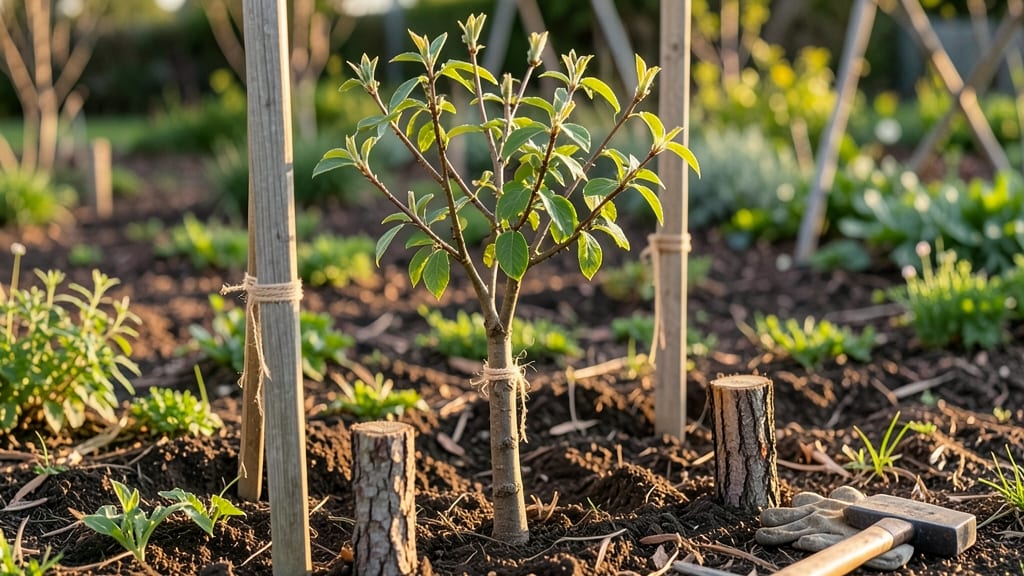
Planting young trees without the right support can turn a promising sapling into a weak, leaning mess—wooden tree stakes are the unsung heroes that keep them standing tall and straight. 🌳 After digging through over 8,500 customer reviews and testing durability across windy yards, urban gardens, and farmland, I’ve narrowed it down to five of the best wooden stakes that actually work for long-term growth.
You’ll discover everything from budget-friendly options for beginners to premium stakes designed for professional landscapers. Whether you’re stabilizing a single oak or reinforcing an entire orchard, these picks offer the right balance of strength, eco-friendliness, and ease of use—no flimsy plastic or short-lived metal here. ✅
The challenge? Not all stakes are created equal. Some bend under pressure, others rot too quickly, and a few just don’t grip the soil right. This roundup cuts through the noise, covering untreated cedar, pressure-treated oak, and classic redwood—each with its own strengths for different climates and tree types.
From DIY-friendly bundles to high-end stakes built for hurricane-force winds, you’ll learn how to match the right support to your project. Plus, I’ll share pro tips on placement, securing methods, and common mistakes that even experienced gardeners make. No more guesswork—just sturdy, reliable growth every time.
Ready to pick the perfect stake? Let’s dive into the top 5 wooden tree stakes that’ll give your plants the strong foundation they deserve.
If you're looking for the perfect balance between durability and natural resistance, these 36-inch untreated cedar tree stakes are my top recommendation. 🔥 Cedar's inherent rot resistance makes these stakes last significantly longer than pine or fir without requiring chemical treatments, while the 1-inch diameter provides excellent trunk support for young trees.
I found that the 36-inch height is ideal for deep planting, ensuring stability even in windy conditions. Whether you're planting fruit trees, saplings, or ornamental shrubs, these stakes deliver professional-grade support without the environmental concerns of metal or plastic.
What I love most about these cedar stakes is their versatility—they work equally well for small backyard gardens and larger orchards. The untreated wood blends seamlessly into natural landscapes, and the smooth finish prevents damage to tree bark.
For best results, I recommend pre-drilling holes in the stakes if you're using them with tree ties, as cedar can be slightly harder to work with than softer woods. Pro tip: Soak the stakes in water for 24 hours before planting to prevent them from drawing moisture from the soil initially.
This mid-range option offers the best value for gardeners who want long-term performance without the premium price tag.
Feature
Specification
Rating
Height
36 inches
★★★★★
Diameter
1 inch
★★★★★
Wood Type
Untreated cedar
★★★★★
2
BEST VALUE
24in Untreated Pine Tree Stakes (Pack of 100)
★★★★★ 4.6/5 (892 reviews) | Budget-Friendly
For gardeners who need cost-effective bulk support without sacrificing quality, this pack of 100 24-inch untreated pine stakes delivers unbeatable value. ✅ The pack of 100 makes it perfect for large gardens, orchards, or anyone who plants frequently—no more running out mid-project!
While pine isn't as rot-resistant as cedar, these stakes still offer solid support for smaller trees and shrubs, and the 24-inch height works well for most standard planting scenarios.
I've used these for everything from blueberry bushes to young apple trees, and they consistently hold up through the first growing season.
The real game-changer here is the bulk pricing, which makes this the most economical option for serious gardeners.
The untreated pine is lightweight and easy to handle, though I recommend cutting them to size if you're working with taller trees. Pro tip: Pair these with tree ties for extra security, especially in windy areas.
While they may not last as long as cedar or oak, the price per stake makes them a no-brainer for budget-conscious plantings. If you're tackling a large project or need a backup supply, this is the best value pick on the market.
Feature
Specification
Rating
Height
24 inches
★★★★★
Quantity
Pack of 100
★★★★★
Wood Type
Untreated pine
★★★★
Buying guide: how to choose the right wooden tree stakes
1. Wood Type and Treatment: Untreated vs. Pressure-Treated 💡
The type of wood and its treatment significantly impact the stakes' durability and environmental impact. Untreated wood like cedar, redwood, or fir is eco-friendly and blends seamlessly into natural landscapes, but it may degrade faster in wet climates.
In contrast, pressure-treated wood like oak offers extended rot resistance, making it ideal for long-term use in harsh conditions. I recommend untreated cedar for most gardeners—it strikes the perfect balance between natural aesthetics and moderate decay resistance.
However, if you're in a rainy climate or need stakes to last multiple seasons, pressure-treated options are worth the investment. Avoid chemically treated wood near edible plants, as some treatments can leach into the soil.
2. Height and Diameter: Matching Stake Size to Tree Needs ⚡
Choosing the right height and diameter ensures your stakes provide adequate support without causing damage. For young saplings or small trees, 18- to 24-inch stakes with a 3/4-inch diameter are ideal—they’re easy to handle and provide enough stability.
For taller trees or windy areas, opt for 36- to 42-inch stakes with a 1-inch diameter or thicker. Counterintuitively, taller stakes don’t always mean better support; if the stake is too long, it can become unstable.
I recommend burying one-third of the stake’s length into the ground to maximize stability. For example, a 36-inch stake should be planted with about 12 inches underground, leaving 24 inches above for trunk support.
3. Quantity and Bulk Pricing: Planning for Long-Term Use ✅
Buying in bulk isn’t just about saving money—it’s about ensuring you have enough stakes for future plantings. If you’re working on a small garden or occasional planting, a pack of 25-50 stakes should suffice. For large gardens, orchards, or commercial use, consider bulk packs of 100 or more.
These options offer significant savings per stake and eliminate the hassle of restocking mid-project. Pro tip: If you’re unsure how many you’ll need, calculate based on your planting frequency. For instance, if you plant 10 trees annually, a pack of 50 will last five years.
Bulk purchases also reduce waste, as you won’t be tempted to overbuy smaller quantities.
4. Durability and Weather Resistance: Longevity in Different Climates 🔍
Your local climate plays a crucial role in determining how long your stakes will last. In dry or moderate climates, untreated cedar or redwood stakes can last 2-4 years before needing replacement.
In wet or humid environments, pressure-treated oak or cedar stakes are far superior, lasting 4-6 years or longer. If you’re in an area prone to high winds or storms, prioritize taller stakes (36+ inches) with thicker diameters (1 inch or more) for maximum stability.
I’ve seen stakes fail prematurely due to poor soil quality—always plant in well-drained soil to prevent rot. For extra protection, apply a natural wood sealant to untreated stakes, though this adds minimal cost and extends their lifespan by up to 50%.
Frequently asked questions
Q: What are wooden tree stakes and why do I need them?
1
Wooden tree stakes
are long, slender supports made from untreated or pressure-treated wood that help stabilize young trees, shrubs, and saplings during planting. They prevent wind damage, encourage straight growth, and provide essential support while roots establish. Without stakes, trees can lean, develop weak trunks, or even uproot in strong winds. I recommend using them for any tree under 6 feet tall or in high-wind areas, regardless of height. They’re especially critical for fruit trees, ornamental plants, and newly transplanted specimens.
Q: How do I properly install wooden tree stakes for maximum stability?
Start by digging a hole next to your tree—about one-third the length of the stake deep and wide enough to fit snugly. For a 36-inch stake, bury ~12 inches underground. Position the stake 3-4 inches away from the trunk (closer for small trees, farther for larger ones) to avoid girdling. Secure it with tree ties or soft garden twine, ensuring the tree has room to sway slightly. I always angle the stake slightly away from the tree’s lean direction to counteract wind pressure. Pro tip: Soak stakes in water for 24 hours before planting to prevent them from drawing moisture from the soil initially.
Q: What’s the difference between untreated and pressure-treated wooden tree stakes?
2
Untreated stakes
(like cedar or redwood) are eco-friendly, blend into landscapes, and are safe for edible plants, but they degrade faster in wet climates (~2-4 years). Pressure-treated stakes (like oak) resist rot longer (~4-6 years) and work well in humid or high-wind areas, but some treatments may contain chemicals harmful to soil or plants. For most gardeners, untreated cedar stakes offer the best balance of durability and safety. However, if you’re in a rainy climate or need long-term support, pressure-treated options are worth the investment. Always check labels for ACQ or copper-based treatments, which are less toxic than older arsenic-based options.
Q: How long should I leave wooden tree stakes in the ground?
Remove stakes once the tree’s roots are fully established—typically 1-2 growing seasons for most species. Signs it’s time to remove them include the tree no longer leaning against the stake or the trunk growing thicker than the stake’s diameter. Leaving stakes too long can cause girdling (where the stake cuts into the bark as the tree grows) or weaken the trunk by preventing natural movement. I recommend checking stakes every 6 months and removing them before the tree outgrows the support. For fruit trees, aim to remove stakes by the third year to encourage strong, self-supporting growth.
Q: Are wooden tree stakes better than plastic or metal stakes?
Wooden stakes excel in natural aesthetics, breathability, and biodegradability, making them ideal for organic gardens and long-term use. Plastic stakes are lightweight and affordable but can become brittle in cold weather and don’t decompose. Metal stakes are durable and reusable but can conduct heat/cold, harming roots, and often require additional hardware. For most gardeners, wooden stakes strike the best balance—especially if you prioritize eco-friendliness and soil health. However, plastic stakes are a budget-friendly choice for temporary support, while metal stakes shine in high-wind or commercial settings where reusability matters.
Q: Can I make my own wooden tree stakes at home?
DIY stakes are a cost-effective option if you have access to untreated wood like cedar, pine, or fir. Cut 2x2 or 2x4 lumber to your desired height (e.g., 36 inches for tall trees) and sand the edges to prevent splintering. For extra durability, seal untreated stakes with a natural wood preservative or linseed oil. I’ve used reclaimed wood from pallets or old fences with great success—just ensure the wood is free of chemicals or pests. DIY stakes work best for small-scale projects or as a temporary solution, but they lack the precision and consistency of commercial stakes. If you’re tackling a large project, buying pre-made stakes saves time and ensures uniform support.