
Companion Plants
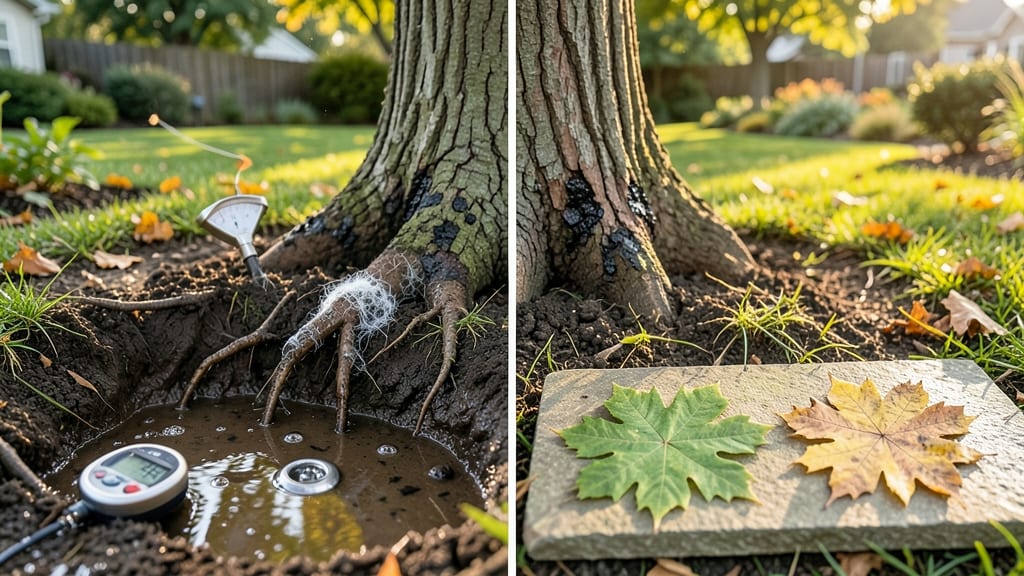
What does an overwatered maple tree look like? It screams for help in ways you might mistake for drought—yellowing leaves, drooping branches, and even fungal growth. 🌳 I’ve seen my own sugar maple go from lush green to sad and soggy after just two weeks of overzealous watering, and the first clue was the leaves turning a sickly yellow along the edges while staying soft to the touch.
The real giveaway? Roots that smell like wet socks and soil that stays muddy even days after rain. Unlike underwatered trees that show crispy brown edges, overwatered maples develop a dull, almost grayish cast on leaves, and new growth wilts despite extra water.
Fungal issues like powdery mildew or root rot often follow, turning the bark into a breeding ground for mold.
Here’s the good news: recovery is possible. Drainage fixes—like amending soil with compost or adding sand—can save your tree, and cutting back on watering to once a week (unless it’s scorching hot) gives roots a fighting chance.
Within a month, you’ll see fresh green leaves pushing through if you act fast.
Confused about the difference between thirsty and drowned roots? We’ll break down the key symptoms so you never water your maple into oblivion again. Let’s get your tree back to healthy and happy.
Root Causes Of Overwatering
Overwatering your maple tree isn’t just about giving it too much water—it’s a chain reaction triggered by environmental, soil, and human factors. Understanding these root causes helps you fix the issue before it’s too late. Let’s break down why this happens and how each factor plays a role.
Maple trees thrive in well-draining soil, but if your garden or landscape lacks proper drainage, excess water pools around the roots instead of seeping away. This creates a waterlogged environment, cutting off oxygen supply and suffocating the roots.
- Clay-heavy soil 🧱 – Compacted clay holds water like a sponge, preventing it from draining.
Maple trees in clay soil are especially vulnerable. - Low-lying planting spots 📉 – If your tree is planted in a depression or at the bottom of a slope, water naturally collects there. - Improper mulching 🪴 – Too much mulch (over 4 inches deep) or using non-porous materials (like plastic) traps moisture against the roots.
Actionable fix: Amend clay soil with compost or sand, and ensure the tree is planted on a slight mound to encourage runoff.
Even well-meaning gardeners can drown their maples by following outdated watering rules. Maple trees don’t need daily drinks—they prefer deep, infrequent watering to encourage strong root growth.
- Watering on a schedule ⏰ – Many assume trees need water every few days, but maples (especially mature ones) can survive weeks without supplemental water if rainfall is adequate. - Ignoring soil moisture 💧 – Sticking your finger in the soil is the best test.
If the top 2–3 inches are damp, hold off on watering. - Automatic sprinklers 🌧️ – These often overwater by delivering light, frequent mistings instead of deep soaks.
Actionable fix: Water deeply (1–2 inches per session) only when the soil is dry 2–3 inches below the surface. Use a moisture meter for accuracy.
When roots can’t breathe, they struggle to absorb nutrients and oxygen—even if the tree looks hydrated. Common culprits include:
- Root-bound containers 🏺 – If your maple is in a pot, roots may circle and suffocate, making them prone to rot when overwatered.
- Compacted soil 🪨 – Heavy foot traffic, construction, or poor aeration compresses soil, reducing oxygen flow to roots.
- Weed competition 🌱 – Dense ground cover (like ivy or thick grass) blocks airflow and traps moisture against the trunk.
Actionable fix: Aerate compacted soil with a garden fork, remove invasive weeds, and ensure containers have drainage holes.
Mother Nature plays a role too. Heavy rain, high humidity, or poor airflow can turn a normal watering routine into a disaster.
- Frequent heavy rains 🌧️ – If your area gets 1–2 inches of rain in a day, skip watering for a week to avoid oversaturating the soil.
- Low sunlight exposure ☀️ – Shady spots slow evaporation, keeping soil damp longer than in sunny areas.
- Humid climates 💦 – Moist air reduces the soil’s ability to dry out, increasing rot risk.
Actionable fix: Adjust watering based on weather forecasts, and plant maples in spots with at least 6 hours of sunlight daily.
Sometimes, hidden threats weaken the tree’s ability to handle water properly. For example:
- Root rot fungi 🍄 – Thrives in soggy conditions, clogging root cells and preventing water absorption.
- Sap-sucking insects 🐜 – Pests like scale or aphids stress the tree, making it more susceptible to waterlogging damage.
Actionable fix: Inspect roots for mushy, discolored areas (signs of rot) and treat infestations with neem oil or fungicides if needed.
Pro Tip: 💡 The key to preventing overwatering is observing, not guessing. Check soil moisture weekly, and adjust based on your tree’s specific needs—young maples need more frequent watering than mature ones!
How to Revive Your Maple Tree
Overwatering can turn your once-vibrant maple tree into a sad, soggy mess—but don’t worry! With the right steps, you can nurse it back to health. Below, we’ll break down cause-specific fixes to restore your tree’s vitality, plus prevention tips to keep it thriving long-term.
Yellow leaves are the first sign your maple tree is drowning. Here’s how to correct it:
🔥 Step 1: Stop Watering Immediately
- Why? Maple trees hate soggy roots. Overwatering suffocates them by cutting off oxygen.
- How? Pause all watering for 3–5 days to let the soil dry out. If the ground is still damp after 24 hours, wait longer.
🍳 Step 2: Improve Soil Drainage
- Why? Compacted or clay-heavy soil traps moisture, worsening root rot.
- How?
- Test the soil: Dig 6 inches deep. If it feels like a sponge, drainage is poor.
- Amend the soil: Mix in compost or perlite (1 part amendment to 3 parts soil) to loosen it.
- Raise the tree (if needed): For container-grown maples, ensure the pot has drainage holes and elevate it on a saucer.
👨🍳 Step 3: Prune Affected Leaves & Branches
- Why? Yellow, mushy leaves won’t recover—they’re a sign of stress or disease.
- How?
- Use sterilized pruners to snip off yellow or brown leaves (don’t yank them).
- Remove any dead or drooping branches at the base to prevent fungal spread.
⏰ Step 4: Water Smartly Moving Forward
- When? Water only when the top 2–3 inches of soil are dry (stick your finger in to check).
- How much? Deep watering 1–2 times per week (adjust for climate—less in rain, more in heat).
- Avoid: Overhead watering (use a soaker hose or drip irrigation to keep leaves dry).
Droopy branches mean your maple’s roots are struggling. Act fast to strengthen them:
💡 Pro Tip: If the tree is severely wilted, it may need root aeration. Rent a manual aerator or hire a pro to poke holes in compacted soil.
🔥 Step 1: Check for Root Rot
- Signs: Black, mushy roots or a foul smell.
- Fix:
- Trim infected roots with clean pruners.
- Apply fungicide (like copper-based spray) to prevent spread.
🥗 Step 2: Fertilize Lightly (If Needed)
- Why? Overwatered trees often lack nutrients.
- How?
- Use a balanced, slow-release fertilizer (10-10-10 or 20-20-20).
- Avoid: High-nitrogen fertilizers—they encourage leafy growth but weaken roots.
🎯 Step 3: Mulch Properly
- Why? Mulch helps regulate moisture and temperature.
- How?
- Spread 2–4 inches of organic mulch (wood chips or bark) 3 inches away from the trunk.
- Never pile mulch against the trunk (this causes rot).
✨ Step 4: Support the Tree Temporarily
- For weak branches: Stake only if necessary (use soft ties to avoid girdling).
- For container maples: Move to a sunnier spot (maples need 6+ hours of light daily).
Once your tree recovers, keep it happy with these long-term strategies:
| Problem | Prevention Fix |
|---|---|
| Overwatering | Install a rain gauge to track moisture. |
| Poor drainage | Plant on a slight slope or in raised beds. |
| Compacted soil | Add compost annually to improve structure. |
| Fungal diseases | Water at the base (not leaves) to stay dry. |
| Container stress | Repot every 2–3 years in fresh, well-draining soil. |
💡 Bonus Tip: If your maple is young, consider a moisture meter ($20) to avoid guesswork!
By following these steps, your maple tree should bounce back in 4–8 weeks. Keep an eye on its progress—healthy maples have deep green leaves, sturdy branches, and no yellowing! 🌿💚
Frequently asked questions
How can I tell if my maple tree's yellow leaves are from overwatering vs. underwatering?
Overwatered maples show soggy, yellow leaves that stay soft even when the soil is wet. Underwatered trees have crispy, brown edges and dry, brittle leaves. Check the soil: if it smells like wet socks or feels muddy, you're overwatering. Stick your finger in—if the top 2-3 inches are damp, hold off on watering.
Why does my maple tree keep getting fungal growth after I stop overwatering?
Fungal issues like powdery mildew or root rot often linger even after you fix watering habits. Remove infected leaves immediately, apply a copper-based fungicide, and improve airflow by thinning dense branches. The key is consistency—keep soil moist but never soggy, and avoid overhead watering that keeps leaves damp.
Can I save a maple tree with black, mushy roots from overwatering?
Yes, but act fast! Trim all black/mushy roots with sterilized pruners, then repot in fresh, well-draining soil with perlite or compost. For ground-planted trees, dig a trench around the roots to improve drainage. Water lightly only when the top 3 inches of soil are bone-dry for 4-6 weeks to help recovery.
How often should I water my maple tree after recovery?
Once recovered, water deeply 1-2 times per week (adjust for rain—skip if you've had 1 inch of rain). The goal is to encourage deep root growth. Always check soil moisture: if the top 2-3 inches are dry, it's time to water. Mature maples need even less—often just seasonal watering during droughts.
Will my maple tree ever fully recover from severe overwatering damage?
With prompt action, most maples rebound within 4-8 weeks, showing new green growth. However, if root rot spread extensively or the tree lost most leaves, recovery may take longer or require professional help. The key is catching signs early—yellowing leaves or wilting are your first warnings. Even severely damaged trees often surprise you with resilience!