
Planting
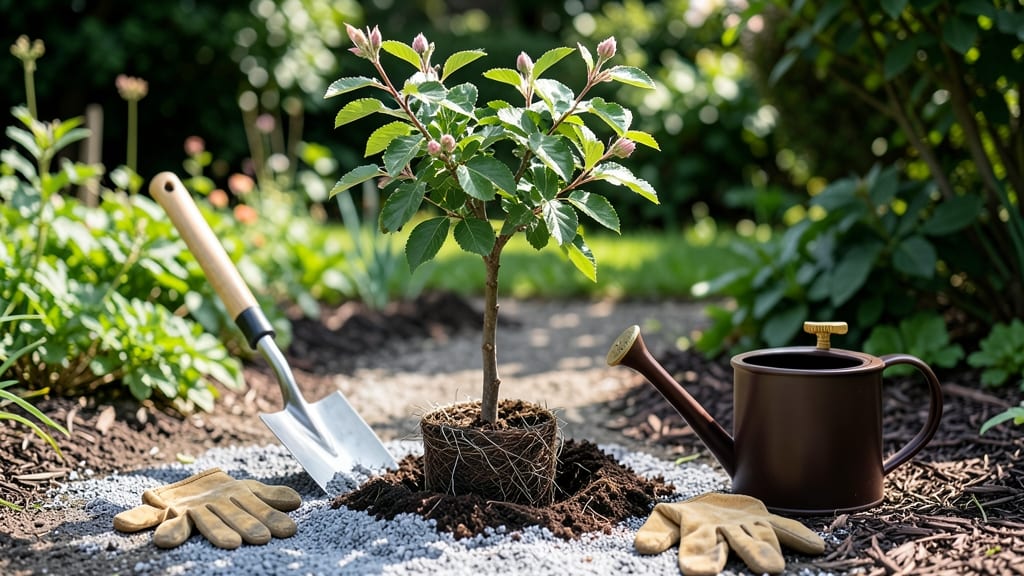
You can plant a tree with ashes in acidic or nutrient-deficient soil, but only by mixing 1-2 inches of wood ash into the topsoil 6-12 inches away from the trunk. Always test soil pH first to avoid over-alkalizing clay-heavy or sandy soils.
Wood ash works best in acidic soils (pH below 6.5) where trees struggle to access nutrients. The alkaline ash raises pH levels, unlocking phosphorus and potassium that acidic soils bind too tightly.
However, sandy soils drain ash nutrients quickly, while clay soils can trap excess salts, harming roots. 🌱 I recommend using ash only for newly planted trees in fall or early spring, when soil microbes can process the minerals before summer heat accelerates evaporation.
For best results, pair ash with compost or manure to balance nutrients and improve soil structure. Fruit trees like apple or peach benefit most, as they thrive in slightly alkaline conditions.
Always avoid direct contact with roots—ash can burn tender new growth. Test soil again in 6 months to monitor pH changes and adjust future applications.
💡 In This Article
- How Wood Ash Affects Tree Growth and Soil Chemistry
- Step-by-Step Guide to Planting Trees With Wood Ash Amendments
How wood ash affects tree growth and soil chemistry
Wood ash raises soil pH by neutralizing acidic conditions through its alkaline properties, primarily from calcium carbonate and potassium oxide. When mixed into soil, these compounds react with hydrogen ions (H+), effectively reducing acidity.
For example, a 1-inch layer of ash can raise soil pH by 0.5-1.0 units in acidic soils (pH <6.5), making nutrients like phosphorus and nitrogen more available to tree roots.
This chemical reaction is especially beneficial for trees planted in peat-based or sandy soils, where natural acidity often locks out essential minerals.
The nutrient boost comes from ash's mineral composition: 5-10% potassium, 20-30% calcium, and trace amounts of phosphorus, magnesium, and iron. These elements support root development and foliage growth, but the effects vary by soil type.
In clay soils, ash's particles bind tightly, creating a slow-release nutrient reservoir, while sandy soils drain nutrients quickly, requiring more frequent applications. The key is balance—too much ash can create a salt buildup that dehydrates roots, especially in drought-prone areas.
Boron toxicity is a hidden risk when using ash. While trees need boron for cell wall formation, wood ash contains 50-100 ppm boron, which can become toxic if overapplied. Symptoms include yellowing leaves and stunted growth, particularly in sensitive species like fruit trees.
To mitigate this, always use ash sparingly and pair it with organic matter like compost, which dilutes boron concentrations while improving soil structure. A 1:4 ash-to-soil ratio is a safe starting point for most trees.
Seasonal timing matters for ash effectiveness. Applying ash in early spring or fall allows soil microbes to process nutrients before summer heat accelerates evaporation. Avoid using ash in winter, when cold soils slow microbial activity, or immediately after planting, as the sudden pH shift can stress young roots.
For container-grown trees, mix ash into the potting soil 2-3 weeks before transplanting to let the soil stabilize.
Visual clues help gauge ash's impact. Healthy foliage with vibrant green leaves indicates proper pH balance, while purple-tinged leaves signal phosphorus deficiency (common in acidic soils) or brown leaf edges suggest salt buildup. Test soil pH 6 months after application—ideal levels for most trees range between 6.0-7.0.
For example, blueberry bushes, which prefer acidic soil (pH 4.5-5.5), should never receive ash, while oak or hickory trees thrive in slightly alkaline conditions (pH 6.5-7.5).
Consider this real-world scenario: A young apple tree planted in clay soil with a pH of 5.8 showed stunted growth until 1 inch of wood ash was mixed into the topsoil.
Within 3 months, leaf color improved, and new shoots appeared—proof that ash can transform nutrient-deficient soil when applied correctly. The secret lies in monitoring and moderation.
Remember, ash is a tool, not a cure-all. Use it strategically to boost soil health without disrupting the delicate ecosystem beneath your tree's roots. 🌿