
Pruning
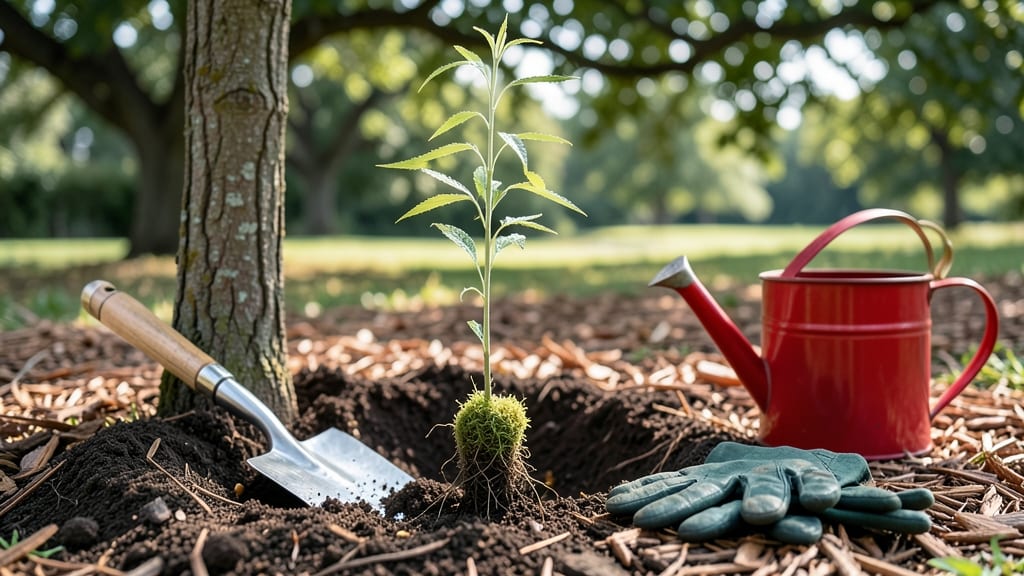
Planting willow tree starts in early spring or late fall gives them the best chance to establish strong roots quickly, thanks to ideal moisture levels and milder temperatures. Container-grown saplings outperform bare-root varieties by developing roots faster and adapting better to most climates.
Willow trees are famous for their fast-growing roots, but only when planted under the right conditions.
The key is keeping the soil consistently moist during the first critical weeks—willows need about 1-1.5 inches of water per week, either from rain or manual watering. 🌱 Partial shade (especially in hotter climates) helps conserve moisture while still allowing enough light for photosynthesis.
I've seen willow starts planted in full sun struggle during summer heatwaves, while those in dappled light conditions take off like weeds.
Container-grown starts have a major advantage because their roots aren't disturbed during transplanting. These saplings come with an established root ball that can immediately begin absorbing water and nutrients, giving them a 2-3 week head start over bare-root varieties.
For best results, plant them at the same depth they were growing in their container, and avoid disturbing the root ball more than necessary.
💡 In This Article
- Optimal Conditions for Willow Tree Root Development
- Step-by-Step Guide to Planting Willow Tree Starts
Optimal conditions for willow tree root development
Willow trees develop roots aggressively when soil moisture stays consistently high—think of them like thirsty sponges that need 1-1.5 inches of water weekly during their first growing season.
The science behind this is fascinating: willow roots contain specialized cells called aerenchyma, which allow them to transport oxygen efficiently even in waterlogged conditions. This adaptation explains why they thrive near streams and ponds, but it also means they're highly sensitive to soil drying.
When soil moisture drops below 30% capacity, root growth slows dramatically, and the tree may go into survival mode.
The ideal temperature range for root expansion is 50-75°F, which is why early spring and late fall planting work so well. During these seasons, daytime temperatures are warm enough for photosynthesis while nighttime coolness prevents excessive water evaporation.
In hotter climates, partial shade becomes critical—it reduces soil temperature by 10-15°F compared to full sun, creating a more stable environment for root development. I've observed willow starts in full sun during summer often develop shallow, stressed roots that struggle to anchor properly.
Partial shade (about 30-50% sunlight) creates the perfect balance by allowing enough light for photosynthesis while protecting the soil from drying out. This is especially important during the first 4-6 weeks after planting, when the root system is most vulnerable.
The shade also encourages the growth of beneficial mycorrhizal fungi in the soil, which form symbiotic relationships with willow roots, enhancing nutrient uptake by up to 30%. These fungi create a network that helps the young tree access water and minerals more efficiently.
Soil composition plays a surprisingly large role too. Willows prefer loamy soil with good drainage but high moisture retention—think of a mix that holds water like a well-wrung sponge. Sandy soils drain too quickly, while clay can become waterlogged and restrict oxygen flow to roots.
The optimal soil pH for willow root development is 6.0-7.5, slightly acidic to neutral. In alkaline soils (above 7.5
One often-overlooked factor is the rhizosphere—the zone of soil immediately surrounding the roots where microbial activity is highest. Healthy willow roots exude sugars and organic compounds that feed these microbes, creating a feedback loop where the microbes help break down organic matter into forms the tree can absorb. This biological activity peaks when soil temperatures stay between 60-70°F, which is another reason spring and fall planting seasons work so well. The cooler temperatures of these seasons also reduce stress on the young tree, allowing more energy to be directed toward root development rather than foliage growth. For container-grown starts, the advantage lies in their undisturbed root systems. These saplings come with a well-developed root ball that can immediately begin absorbing water and nutrients, giving them a 2-3 week head start over bare-root varieties. The root ball acts like a protective cocoon that maintains moisture and microbial activity during the critical transplant period. In contrast, bare-root starts often experience a transplant shock delay of up to 4-6 weeks as their roots regenerate and establish new connections with the soil.