
Container Gardens
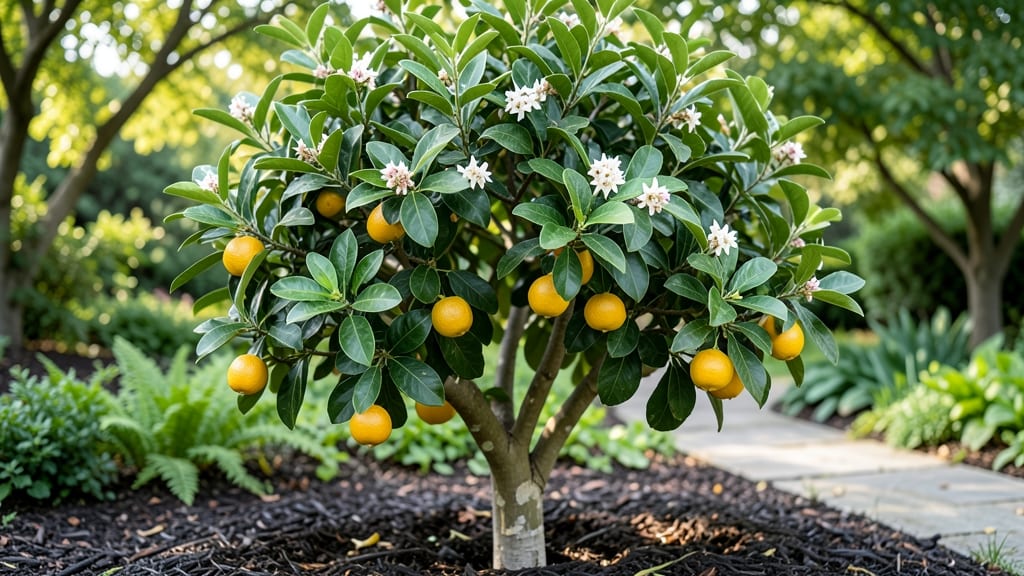
Yuzu trees grow best in USDA Hardiness Zones 8 through 11, where warm winters and well-drained soil create ideal conditions. For colder climates, container growing with winter protection is essential.
Yuzu trees are tropical citrus relatives that struggle with frost—even light freezes can damage their delicate leaves and fruit. 🌿 The optimal USDA zones 8-11 provide the 60-80°F average temperatures they need year-round, along with high humidity levels that prevent stress.
Coastal areas often work better than inland regions because the moderating ocean breezes protect against sudden temperature swings. If you're outside these zones, container growing lets you bring your tree indoors during winter, though you'll need to simulate its natural dormancy period with reduced watering and cooler indoor temperatures.
For container success, choose pots at least 18 inches wide with drainage holes to prevent root rot—a common issue when yuzu trees sit in soggy soil. 💫 The key is mimicking their native subtropical environment: bright indirect light, consistent moisture (but never soggy), and occasional pruning to maintain shape.
Many growers swear by moving containers outdoors in spring once nighttime temperatures stay above 50°F, then bringing them back before the first frost hits.
💡 In This Article
- USDA Zones for Yuzu Trees: Climate and Temperature Requirements
- Container Growing Yuzu Trees: Best Practices for Cold Zones
USDA zones for yuzu trees: climate and temperature requirements
Yuzu trees, native to Japan's subtropical regions, are sensitive to cold because their evergreen leaves and fruit can't tolerate temperatures below 28°F. This threshold explains why USDA Zones 8-11—with average winter lows between 10-40°F—are ideal.
The science lies in their lack of cold acclimation: unlike temperate citrus like oranges, yuzu trees don't enter true dormancy and remain metabolically active year-round, making them vulnerable to frost damage that can kill leaves and fruit within hours.
Humidity plays a crucial role too—yuzu trees thrive in areas with 50-70% relative humidity, which coastal climates naturally provide. The ocean breeze moderates temperature swings that inland areas experience, preventing the rapid freezing that can occur overnight.
For example, San Diego (Zone 10) with its mild coastal winters creates perfect conditions, while inland Phoenix (also Zone 10) might see more extreme temperature fluctuations that stress yuzu trees. 🌊 In zones 8-9, the key is planting in sheltered microclimates where frost pockets don't form, like south-facing walls or near heat-retaining structures.
What most growers miss is the importance of chilling hours—yuzu trees actually prefer 0-200 hours below 45°F annually, far less than most citrus. Too much cold exposure can trigger leaf drop or stunted growth, while too little (like in Zone 11's warm winters) may prevent proper fruit set.
The sweet spot is the 60-80°F range they experience naturally in their native habitat, where they receive consistent warmth without extreme heat stress that can scorch leaves above 95°F.
Soil composition matters just as much as climate—yuzu trees demand well-drained, slightly acidic soil (pH 5.5-6.5) to prevent root rot. Their native Japanese soils are often sandy loams with excellent drainage, which is why container growing works so well in colder zones: you can precisely control soil mix and drainage.
The root system is shallow but extensive, so compacted or waterlogged soil becomes deadly within weeks. 🌱 This is why many successful yuzu growers in Zone 7 use raised beds with a mix of 60% sandy loam, 30% perlite, and 10% compost to replicate their natural growing conditions.
One often-overlooked factor is wind exposure—yuzu trees can suffer from windburn when winds exceed 10 mph, causing leaf desiccation. This is why coastal areas with their steady breezes can be both beneficial (temperature moderation) and harmful (wind exposure).
The solution? Planting in slightly sheltered locations where you get the ocean's humidity benefits without the direct wind blast. In container growing, this means positioning pots where they receive airflow but aren't directly in wind tunnels.
The most critical temperature to monitor is 32°F—any exposure below this for more than 2-3 hours will damage leaves, while fruit may drop if temperatures fall below 40°F for extended periods. This explains why even Zone 9 growers in Florida's panhandle sometimes lose fruit to unexpected cold snaps.
The good news? Yuzu trees are remarkably resilient once established—they'll often regrow leaves after frost damage, though fruit production may take 1-2 years to recover fully. 💛