
Pruning
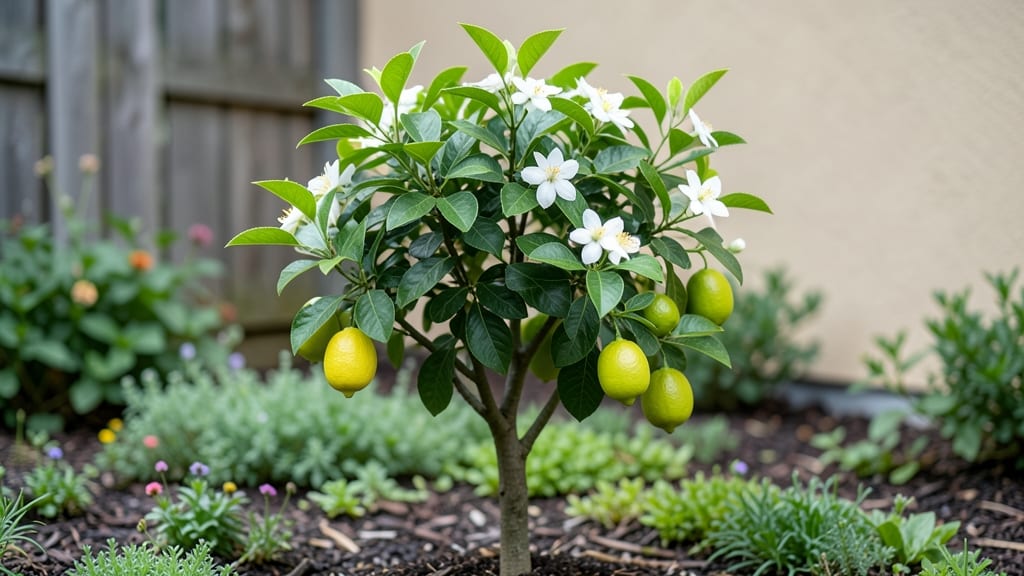
Growing a miniature lemon tree indoors requires bright, indirect sunlight for 6-8 hours daily and regular pruning to maintain compact growth, using sharp shears to trim new shoots after flowering. Keep soil slightly moist and fertilize monthly during spring and summer for best results.
Indoor lemon trees thrive when you mimic their natural Mediterranean environment, where sunlight is abundant but not scorching. 🌿 The right light exposure isn't just about quantity—it's about quality.
South-facing windows provide the ideal balance, but if your space lacks natural light, a grow light on a timer can save your tree from leggy growth.
I've seen many beginners overwater their trees because they confuse thirsty soil with thirsty leaves, so always check moisture by sticking your finger an inch into the soil before watering.
When it comes to pruning, timing matters just as much as technique. Trimming right after flowering encourages bushier growth, while cutting back too late can delay next year's blooms.
For compact shapes, focus on removing the longest branches first and shaping gradually—think of it like sculpting a living work of art. Sterilizing your shears between cuts prevents disease spread, and never remove more than a third of the foliage at once to avoid shocking the tree.
💡 In This Article
- Optimal Light Requirements for Indoor Lemon Trees
- Pruning Techniques for Dwarf Lemon Tree Shapes
Optimal light requirements for indoor lemon trees
Light is the lifeline of your miniature lemon tree—it powers photosynthesis, where chlorophyll converts sunlight into energy for growth.
Without adequate light, the tree's leaves turn pale yellow (chlorosis) and growth slows dramatically. 🌞 Lemon trees need 6-8 hours of bright, indirect sunlight daily, similar to their natural Mediterranean habitat where they bask under dappled light.
Direct midday sun can scorch leaves, causing crispy brown edges, while too little light leads to leggy, weak stems that struggle to support fruit.
South-facing windows are ideal because they provide the most consistent light exposure, especially between 10 AM and 4 PM. If your space only has north-facing windows, supplement with a full-spectrum LED grow light placed 6-12 inches above the tree for 12-14 hours daily.
I’ve seen trees under fluorescent lights grow, but they often develop elongated stems and sparse leaves—this happens because these bulbs emit less red and blue light, which are critical for plant development. For reference, a standard 10,000-lux grow light mimics natural sunlight intensity.
The quality of light matters just as much as quantity. Lemon trees thrive under 50,000-60,000 lux (a measure of light intensity), which is roughly the brightness of a sunny day.
You can test your setup by holding a light meter near the tree—if readings drop below 30,000 lux, supplement with artificial light. Rotate the tree quarter-turns weekly to ensure even growth; otherwise, it’ll lean toward the light source, creating an uneven shape.
This rotation also prevents "light burn" on one side while keeping the other in shadow.
Watch for these three key signs of light deficiency in your tree:
- Yellowing leaves: Chlorosis (loss of chlorophyll) appears first on older leaves, indicating insufficient light for photosynthesis.
- Leggy growth: Stems stretch excessively toward light sources, with sparse foliage between nodes.
- Slow or no fruiting: Lemon trees need strong light to produce flowers and fruit—weak light often results in bud drop.
Even with optimal light, avoid placing your tree near drafts or heating vents. Temperature fluctuations stress the plant, causing leaves to drop prematurely. 🌡️ Maintain a consistent 65-75°F range during the day and 55-65°F at night to keep the tree healthy.
If you notice new leaves curling or developing brown tips, it’s often a sign of light stress combined with inconsistent humidity—misting leaves lightly or using a pebble tray can help mitigate this.
Pro tip: Place your tree near a window during winter months when daylight hours shrink. A sheer curtain can diffuse harsh afternoon sun, while a reflective surface (like a white wall or aluminum foil behind the pot) can bounce extra light onto the tree.
This simple trick can boost light exposure by up to 20%, making a noticeable difference in growth and fruiting.