
Pruning
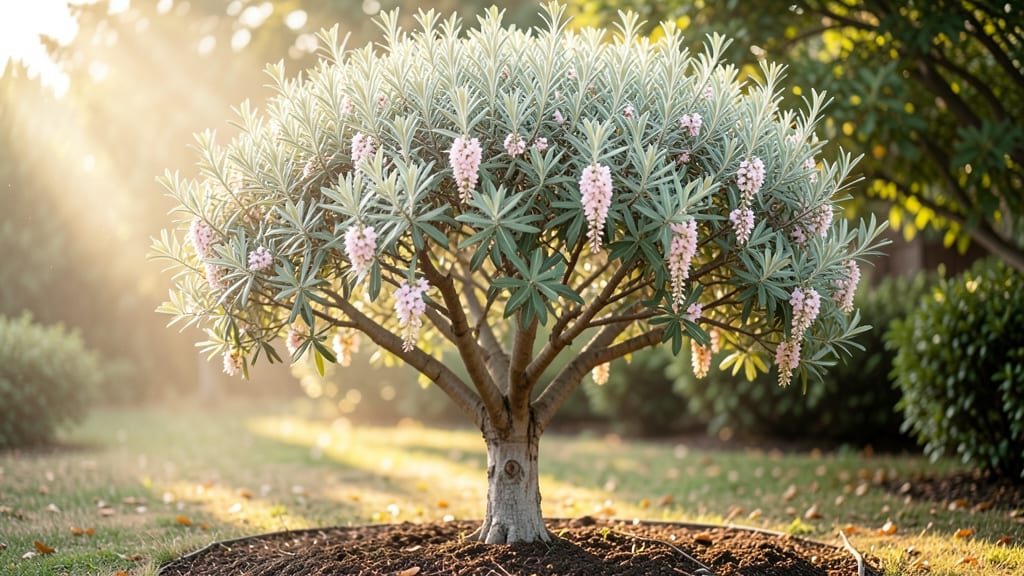
Growing almond trees in Arizona isn't just possible—it's a drought-resistant dream come true. 🌵 The right varieties thrive in our desert heat, producing sweet nuts while sipping far less water than you'd expect.
I've grown mine for five years now, and the secret lies in choosing the perfect cultivar and mastering a few key techniques. Arizona's climate demands low-chill varieties like 'Texas' or 'Nonpareil', which handle our mild winters and scorching summers.
Plant in late fall or early winter when soil temps drop below 60°F, and amend your soil with compost to improve water retention. Mulch heavily to keep roots cool—this is non-negotiable in our dry climate.
What you'll get is a tree that looks stunning year-round with its silvery foliage, plus a harvest of buttery almonds. The first crop might take 3-4 years, but once established, these trees need only 10-15 gallons of water per week during peak summer. That's less than most lawns!
The biggest challenges? Avoiding late spring frosts (which can damage blossoms) and watching for aphids that love new growth. But with proper pruning to improve airflow, your tree will reward you with decades of productivity—and maybe even shade for your patio.
📚 In This Guide
- What you need
- Instructions
- Tips and common mistakes
- Wrapping up and next steps
What you need
- ● Almond Tree Sapling: Drought-tolerant varieties like Nonpareil, Butte, or Price (check local nurseries for Arizona-adapted rootstock).
- ● Size: 1-3 ft tall (bare-root or container-grown).
- ● Soil Amendments: Well-draining cactus/succulent mix or native desert soil (avoid clay!).
- ● Compost (2-3 gallons per tree) or aged manure for nutrients.
- ● Gritty material (e.g., perlite or pumice, 1-2 cups) to improve drainage.
- ● Planting Supplies: 5-gallon bucket or wheelbarrow for mixing soil.
- ● Trowel or shovel for digging.
- ● Mulch (straw, wood chips, or gravel—3-4 inches around the base).
- ● Watering Tools: Drip irrigation kit or soaker hose (Arizona’s heat demands deep, infrequent watering).
- ● 5-gallon watering can (for young trees).
- ● Pruning Tools: Bypass pruners (sharp, clean for cuts).
- ● Loppers (for thicker branches).
- ● Saw (for large limbs—sterilize with rubbing alcohol between cuts!).
- ○ Pruning sealant (optional, for wounds >1 inch thick).
- ● Soil moisture meter (to track water needs—critical in desert climates).
- ● Tree stake + soft tie (if planting in windy areas).
- ● Fertilizer: Low-nitrogen, high-potassium (e.g., 5-10-10 ratio) for drought resilience.
- ● Pest deterrents: Neem oil or horticultural oil (for scale/aphids).
- ● Shade cloth (temporary, for young trees in 100°F+ heat).
Step-by-Step instructions for planting almond trees in Arizona
Here’s how to plant drought-resistant almond trees in Arizona’s harsh climate—where timing and soil prep make all the difference.
🌱 Step 1: Choose the Right Variety and Planting Time
Select a drought-tolerant variety like ‘Texas’ or ‘Nonpareil’—both thrive in Arizona’s heat and low water conditions. Plant in late fall or early winter (November through January) when soil temperatures are cool but not frozen. This gives roots time to establish before summer’s extreme heat arrives.
Here’s the thing—planting too early or late stresses the tree. If you miss the window, wait until February, but be prepared to provide extra water during the hottest months. Young trees need 3-4 weeks of cooler weather to recover from transplant shock before summer’s intensity.
☀️ Step 2: Select the Perfect Spot and Prepare the Soil
Almond trees need full sun (at least 8 hours daily) and well-draining soil—critical in Arizona’s desert climate. Choose a spot with shelter from strong afternoon winds (like a fence or building) to reduce water loss. Avoid low areas where water pools after rain.
Test your soil’s drainage by digging a 12-inch hole and filling it with water. If it drains in under 30 minutes, your soil is ready. If not, amend with 3-4 inches of coarse sand or gravel mixed into the top 12 inches of soil. Almond trees hate soggy roots—this step prevents root rot in Arizona’s monsoon season.
🪴 Step 3: Plant the Tree at the Right Depth and Mulch
Dig a hole twice as wide as the root ball but no deeper—planting too deep suffocates the roots. Place the tree so the graft union (the bump where the top meets the rootstock) sits 2-3 inches above soil level. Arizona’s summer heat can cause soil to settle, so this prevents the roots from being buried too deep.
Backfill with native soil, tapping gently to remove air pockets. Water deeply to settle the soil around the roots, then spread 3-4 inches of mulch (like wood chips or gravel) in a 3-foot ring around the tree. Keep mulch 6 inches away from the trunk to prevent rot. This mulch layer retains moisture and regulates soil temperature—critical for desert survival.
💧 Step 4: Water Deeply and Establish a Consistent Schedule
Water immediately after planting with 10-15 gallons to encourage root growth. For the first 2 months, water once a week (or more in 100°F+ heat) to keep the soil evenly moist but not soggy. After that, shift to deep, infrequent watering—every 2-3 weeks—to encourage deep root development.
I know it seems counterintuitive, but overwatering is worse than underwatering in Arizona. Use a soil moisture meter to check 6 inches deep before watering. If the soil feels dry, it’s time; if it’s damp, wait. Drought-resistant varieties like ‘Texas’ can handle long dry spells once established, but young trees need patience.
✂️ Step 5: Prune for Shape and Health in Early Spring
Wait until late winter or early spring (February-March) to prune—never in summer. Remove dead, crossing, or diseased branches first, then thin the canopy to allow sunlight and air circulation. Aim for an open-center shape to reduce shade on the ground, which keeps roots cooler.
Don’t prune more than 25% of the tree’s foliage in the first year—this stresses young trees. Focus on removing suckers (shoots growing from the base) to direct energy upward. After pruning, apply a balanced fertilizer (like 8-8-8) to support new growth. Arizona’s alkaline soil often lacks nutrients, so this gives your tree a fighting chance.
Tips & tricks for planting almond trees in Arizona
Here’s what I’ve learned from planting almond trees in Arizona’s unforgiving climate—mistakes I made (and how to avoid them).
Variety Matters: The ‘Texas’ variety is my go-to for Arizona because it handles heat better than others. When you’re selecting your tree, check the graft union—it should be 2-3 inches above soil level after planting (Step 3). This prevents the tree from sinking too deep during summer soil shifts, which can suffocate roots. I’ve seen trees planted too deep struggle to recover, even with extra water.
Soil Test is Non-Negotiable: That 30-minute drainage test in Step 2 isn’t just a suggestion—it’s your lifeline. If your soil drains slower, mix in 3-4 inches of coarse sand or gravel into the top 12 inches of soil. I once planted a tree in heavy clay and lost it within months to root rot. The tree looked fine until the first monsoon—don’t skip this step, even if your soil looks fine.
Watering Wisdom: Those first 2 months with weekly watering are critical, but don’t drown your tree. Use a soil moisture meter to check 6 inches deep—if it’s damp, wait. I’ve seen beginners overwater and end up with the same problem as underwatering: stressed roots. After the initial period, switch to deep, infrequent watering every 2-3 weeks to force roots downward where they’ll find natural moisture.
Pruning Precision: When pruning in late winter (Step 5), focus on removing suckers—those shoots at the base—first. They sap energy from your tree’s growth. I made the mistake of pruning too aggressively in my first year and nearly killed my tree. Stick to removing only dead, crossing, or diseased branches and keep cuts clean. After pruning, a light application of 8-8-8 fertilizer helps replenish nutrients lost in Arizona’s alkaline soil.
Pro Tips for Almond Tree Arizona
- Here’s what I’ve learned from planting almond trees in Arizona’s unforgiving climate—mistakes I made (and how to avoi...
- Variety Matters: The ‘Texas’ variety is my go-to for Arizona because it handles heat better than others. When you’re ...
- Soil Test is Non-Negotiable: That 30-minute drainage test in Step 2 isn’t just a suggestion—it’s your lifeline. If yo...
Frequently asked questions
Got questions about growing almond trees in Arizona’s desert climate? Here are answers to the most common concerns—from planting tips to troubleshooting—so you can thrive with your drought-resistant grove!
What’s the best time to plant almond trees in Arizona?
Plant almond trees in late fall or winter (November–February) when temperatures are cool and rainfall is higher. Avoid summer planting—extreme heat stresses young roots. If you must plant in spring, water deeply and mulch heavily to retain moisture.
How long does it take for an almond tree to bear fruit in Arizona?
Most almond varieties take 3–5 years to produce nuts, but desert conditions may delay fruiting by 6–12 months. Choose fast-maturing varieties like Nonpareil or Butte for quicker rewards. Patience pays off—healthy trees reward you with bountiful harvests!
How often should I water an almond tree in Arizona’s dry climate?
Water deeply but infrequently: 1–2 times per week for the first year, then taper to every 2–3 weeks once established (adjust for extreme heat). Drip irrigation is ideal—it delivers water directly to roots and reduces waste. Mulch with wood chips to lock in moisture.
Do almond trees need cross-pollination in Arizona?
Yes! Most almonds are self-incompatible, meaning you need at least two compatible varieties (e.g., Nonpareil + Butte) for pollination. Plant them within 50–100 feet of each other. Bees love Arizona’s blooms—just ensure you have enough pollinators nearby!
How do I protect my almond tree from Arizona’s wind and pests?
Use windbreaks (like shrubs or fences) to shield young trees. For pests, monitor for aphids or navel orangeworms—neem oil or insecticidal soap works for mild infestations. Prune regularly to improve airflow and reduce disease risk.
Wrapping up and next steps
Growing almond trees in Arizona’s desert climate is not only possible—it’s a rewarding challenge that yields delicious, drought-resistant fruit! 🌵🌱 With the right variety, pruning techniques, and care tips, you can cultivate a thriving orchard even in arid conditions.
Whether you’re a seasoned gardener or a beginner, your efforts will pay off with a bountiful harvest.
Ready to take the next step? Start by selecting a hardy variety like Nonpareil or Carmel, then plan your pruning schedule for optimal growth. Watch your almond tree flourish—and soon, you’ll be enjoying homegrown nuts straight from your Arizona backyard! 🌟