
Diseases
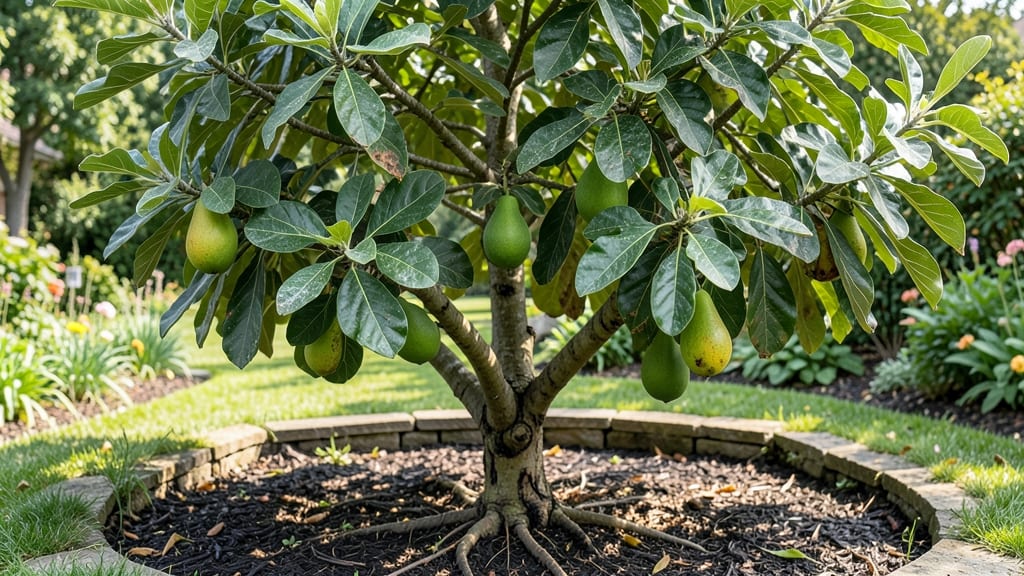
If you’ve spotted brown edges on your avocado tree’s leaves, check out avocado tree diseases pictures to compare symptoms—this is often the first sign of trouble, but early action can save your tree.
Don’t panic, but don’t ignore it either. 🌿 This is often the first sign of a disease that could spread if you wait too long.
The key to saving your tree is catching problems early, and knowing what to look for (even without pictures) can mean the difference between a healthy harvest and losing your tree entirely.
Common culprits include fungal infections like root rot, which starts with yellowing leaves and a foul smell at the base, or anthracnose, which shows up as sunken, dark spots on fruit and leaves.
Bacterial diseases like phytophthora can cause sudden wilting, while nutrient deficiencies (like potassium or magnesium) mimic disease symptoms but need different fixes. The good news? Most of these issues respond well to quick action—pruning infected branches, adjusting watering habits, or applying organic fungicides.
You’ll spot the difference in just a few days if you act fast: healthy new growth replacing the damaged leaves, firmer fruit without spots, and a tree that looks like it’s breathing easier.
The secret is checking your tree weekly for changes—especially after rain or when temperatures shift. A little prevention now saves hours of frustration later.
This works for both container-grown and in-ground avocado trees, and the same principles apply whether you’re in a warm coastal climate or a frost-free zone. Start with the basics: water at the base (not the leaves), mulch to keep roots cool, and avoid overhead irrigation.
Your tree’s health depends on it.
Root Causes Of Avocado Tree Ailments
Avocado trees, like all plants, are vulnerable to diseases—but understanding the why behind them helps you prevent or treat them effectively. These issues rarely appear out of nowhere; they’re usually triggered by a mix of environmental stress, pathogens, or poor growing conditions.
Below, we break down the most common culprits behind avocado tree diseases, explained in clear, actionable terms.
Fungi thrive in warm, humid conditions and are the #1 cause of avocado tree diseases. Unlike bacteria or viruses, fungi spread via spores—tiny, invisible particles that float in the air or hitchhike on tools, water, or even wind. Once they land on a susceptible tree, they exploit weak spots like:
- Wet foliage: Avocados hate soggy leaves. Fungi like Colletotrichum (anthracnose) and Phytophthora (root rot) latch onto moisture, creating the perfect breeding ground. Pro tip: 🌡️ Aim for 10-15 minutes of overhead watering in the morning to let leaves dry quickly.
- Poor air circulation: Dense canopies trap humidity, giving fungi like Cercospora (leaf spot) a foothold. Action step: Prune to open the canopy and space trees 15-20 feet apart.
- Wounded bark: Cuts from pruning or pests create entry points for Botryosphaeria (dieback disease). Fix: Sterilize pruners with 70% isopropyl alcohol and seal cuts with pruning sealant.
🔍 Watch for: Yellowing leaves, dark spots with fuzzy edges, or oozing cankers—classic fungal red flags.
Bacteria are harder to spot than fungi because they don’t produce visible spores—they hitch rides on contaminated tools, water, or even insects. Once inside the tree, they clog vascular tissue (xylem), disrupting nutrient flow. The most aggressive offenders include:
- Xanthomonas campestris (bacterial spot): Spreads via rain splashing or infected nursery stock. It targets young leaves, causing water-soaked, greasy spots that turn brown.
- Pseudomonas syringae (bacterial canker): Thrives in cool, wet springs and infects through pruning wounds, creating sunken, oozing lesions.
💡 Prevention tip: Use a 10% bleach solution (1 part bleach to 9 parts water) to sterilize pruners between cuts. Avoid overhead irrigation during rainy seasons to limit splashing.
Avocado trees are tropical but not tropical-jungle tough. Push them too far outside their comfort zone, and diseases move in like vultures. Key stressors include:
| Stressor | How It Weakens the Tree | Diseases It Invites |
|---|---|---|
| 🌧️ Overwatering | Drowns roots, suffocating beneficial microbes and inviting Phytophthora (root rot). | Root rot, fungal leaf spots |
| ☀️ Extreme Heat + Drought | Weakens cell walls, making trees vulnerable to Cercospora and Botryosphaeria. | Leaf scorch, dieback |
| ❄️ Frost or Cold Drafts | Damages bark, letting Pseudomonas bacteria sneak in. | Bacterial canker, frost crack |
| 🍄 Poor Soil Drainage | Traps moisture, creating anaerobic zones where Phytophthora thrives. | Root rot, stem cankers |
✨ Solution: Test soil pH (avocados prefer 6.0–7.0) and amend with compost or perlite to improve drainage. Mulch with wood chips (3–4 inches deep) to regulate soil temperature.
Pests like avocado lace bugs, scale insects, or thrips don’t just sap nutrients—they create wounds that pathogens exploit. For example:
- Lace bugs pierce leaves, leaving silver stippling that weakens photosynthesis. This stress opens doors for Colletotrichum.
- Scale insects secrete honeydew, a sticky film that fosters sooty mold (a fungal hitchhiker).
- Root-knot nematodes burrow into roots, making trees 3x more susceptible to Phytophthora.
🔥 Action plan: Monitor undersides of leaves weekly for pests. Use neem oil or horticultural oil as a preventative spray in early spring.
📌 Key takeaway: Most avocado diseases are opportunistic. By controlling moisture, improving airflow, and keeping pests at bay, you starve pathogens before they start.
Quick Fixes for Common Avocado Tree Ailments
Avocado trees are resilient, but when diseases strike, swift action can mean the difference between a thriving orchard and a sad, wilted loss. Below, we’ve mapped out practical solutions for the most common avocado tree diseases—complete with prevention tips to keep your tree healthy long-term.
Think of this as your emergency repair kit for leaf spots, fungal infections, and pest invasions.
Cause: Overwatering, poor soil drainage, or fungal invasion (Phytophthora). Fix:
- 🔥 Stop Watering Immediately
- Let the soil dry out completely before watering again. Stick your finger 3 inches deep—if it’s damp, wait.
- 👨🍳 Improve Drainage Fast
- Dig a 6-inch trench around the base of the tree to redirect water away from roots.
- Mix sand or perlite into the top 12 inches of soil to aerate it.
- 💊 Apply Fungicide
- Use a copper-based fungicide (like Copper Sulfate) or phosphite-based treatments (e.g., Phostrol).
- Follow label instructions—reapply every 2–4 weeks until symptoms fade.
💡 Prevention Tip:
- Plant in well-draining soil (avoid clay-heavy areas).
- Water deeply but infrequently—avocados hate "wet feet."
Cause: Fungal spores (Colletotrichum gloeosporioides) thriving in humid, wet conditions. Fix:
- 🔪 Prune Infected Leaves & Fruit
- Remove all infected leaves, fruit, and twigs—burn or trash them (don’t compost!).
- Sterilize pruners with rubbing alcohol between cuts.
- 🌡️ Boost Airflow
- Thin out dense foliage to reduce humidity around the tree.
- Space trees 12–15 feet apart if replanting.
- 🛡️ Spray Fungicide Proactively
- Use neem oil (organic) or chlorothalonil (synthetic) before rain.
- Reapply every 7–10 days during wet seasons.
💡 Prevention Tip:
- Water in the morning so leaves dry quickly.
- Avoid overhead irrigation—use drip systems instead.
Cause: Waterlogged soil leading to root and trunk rot (Phytophthora cinnamomi). Fix:
- ⏰ Emergency Drainage Work
- Dig a moat around the base (6 inches deep) to divert water.
- If soil is heavily compacted, consider raising the tree bed with gravel.
- 🌱 Root Treatment
- Soak roots in a 1:10 hydrogen peroxide solution (3% strength) for 10 minutes to kill fungi.
- Replant in sterilized soil (bake soil in an oven at 200°F for 30 mins to kill pathogens).
- 🛡️ Chemical Barrier
- Apply phosphite fungicide (e.g., Aliette) to the soil around the trunk.
- Repeat monthly until the tree stabilizes.
💡 Prevention Tip:
- Test soil drainage before planting—avocados hate soggy roots.
- Mulch lightly (2–3 inches) to prevent soil splashing onto the trunk.
Cause: Tiny pests sucking sap, causing silvering leaves and stunted growth. Fix:
- 🚿 Blast Them Off
- Spray the tree with strong water pressure (hose on "jet" setting) to knock off pests.
- 🌿 Introduce Beneficial Insects
- Release lacewings or ladybugs (buy online or from garden centers).
- Neem oil spray (1 tsp per gallon of water) disrupts their life cycle.
- 🛡️ Sticky Traps
- Hang yellow sticky traps near the tree to monitor and reduce populations.
💡 Prevention Tip:
- Inspect new plants before bringing them home—quarantine for 2 weeks.
- Encourage natural predators by planting marigolds or basil nearby.
To prevent future outbreaks, follow this quick maintenance guide:
- ✅ Prune regularly to improve airflow.
- ✅ Sterilize tools between cuts (bleach or alcohol).
- ✅ Rotate fungicides to avoid resistance.
- ✅ Monitor soil moisture—avocados prefer dry feet.
- ✅ Test soil pH (ideal: 6.0–7.0).
Final Thought: Most avocado diseases are manageable with early action. Spot the problem fast, act decisively, and keep your tree’s environment optimal—your avocado will reward you with years of lush, healthy growth (and delicious fruit!). 🥑💚
Frequently asked questions
How can I tell if those brown spots on my avocado leaves are disease or just normal aging?
Check the edges: disease spots often have dark borders or fuzzy growth, while aging leaves turn uniformly brown without irregular edges. Also, infected leaves may appear greasy or slimy—a sign of bacterial issues. Compare with trusted avocado tree diseases pictures to confirm.
Can I save my avocado tree if the trunk shows dark, oozing cankers?
Yes, but act fast! Clean the canker with a sterilized knife, then apply copper fungicide or pruning sealant. For severe cases, consult an arborist about phosphite treatments (like Aliette). If the trunk is completely girdled, the tree may be beyond saving.
Why do my avocado leaves look yellow even though I'm watering regularly?
Yellowing leaves often signal overwatering or nutrient deficiency. Check soil moisture—avocados prefer dry feet. If the soil smells sour or feels soggy, you're likely drowning the roots. Test soil pH (ideal: 6.0-7.0) and amend with compost if needed.
How often should I spray fungicide on my avocado tree?
For prevention, spray every 4-6 weeks during rainy seasons. If treating an active infection, follow product instructions—typically every 7-14 days until symptoms disappear. Rotate between copper-based and phosphite fungicides to prevent resistance.
Are there any organic ways to treat avocado tree diseases?
Try neem oil spray (1 tsp per gallon of water), baking soda solution (1 tbsp baking soda + 1 tsp oil per gallon), or compost tea for fungal issues. For bacterial problems, hydrogen peroxide (3%) (1:10 dilution) can help as a foliar spray.