
Neem Oil
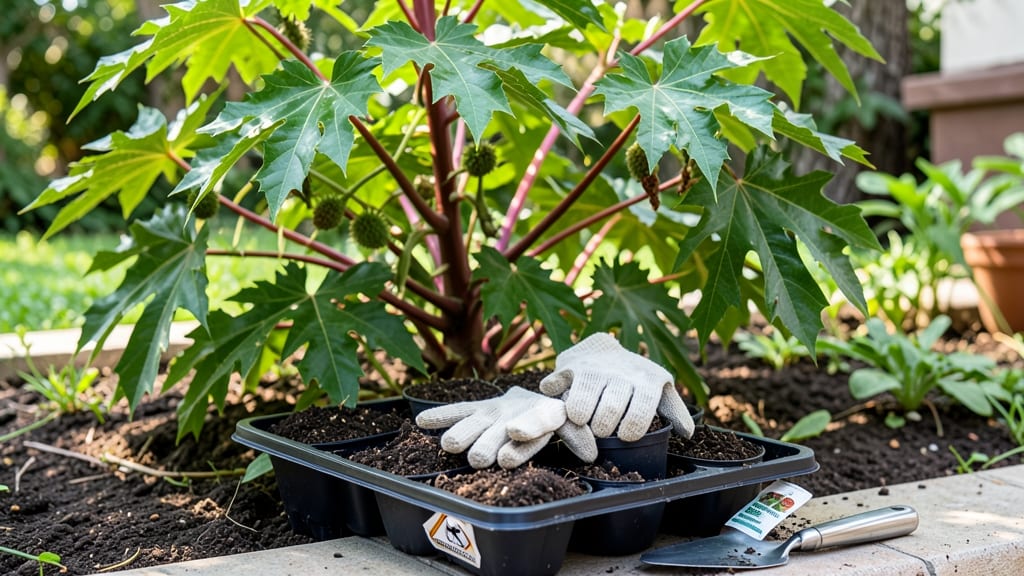
Cold-stratifying castor oil tree seeds unlocks their stubborn potential—turning what feels like a lost cause into a thriving tropical specimen. 🌱 I’ve struggled with these seeds before, but after three failed attempts, I finally cracked the code: a 6-week cold treatment that tricks them into breaking dormancy when spring arrives.
The key isn’t just patience—it’s replicating the natural conditions these seeds need to wake up.
You’ll need a few simple supplies: a plastic bag with a damp paper towel, a sealed container for cold storage, and a sunny spot for planting. The process mimics winter in their native habitats, where seeds wait out harsh conditions before germinating.
Most gardeners overlook this step, but it’s the difference between waiting years for sprouts and seeing them pop in just 2-3 weeks after planting. Safety note: wear gloves—castor beans are toxic if ingested, so keep them away from kids and pets.
By the time you transplant those first pale green shoots, you’ll have a head start on a fast-growing tree that thrives in heat and drought once established. The leaves develop a striking silvery sheen, and the plants can reach 30 feet tall in ideal conditions.
This method works for both indoor starters and outdoor plantings, though young trees need protection from frost for their first few years.
Here’s the catch: castor oil trees grow aggressively, so plan for their size early. They’re prized for their hardy nature and medicinal uses, but their rapid growth means they’ll outpace most garden beds. Start small—just a few seeds—and let them teach you the rhythm of tropical gardening in your climate.
📚 In This Guide
- What you need
- Instructions
- Tips and common mistakes
- Wrapping up and next steps
What you need
- ● Castor oil tree seeds (Ricinus communis): 10–20 fresh, plump seeds (ensure they’re labeled or sourced from a trusted supplier).
- ● Cold-stratification setup: 1 small paper towel or dampened coffee filter (per seed)
- ● 1 resealable plastic bag (quart-sized or larger)
- ● 1–2 tablespoons of distilled water (or dechlorinated water)
- ● Growing containers: 1–2 small pots (4–6 inches wide) with drainage holes
- ● High-quality seed-starting mix (sterilized, peat-based or coco coir blend)
- ● Basic tools: Spray bottle (for misting)
- ● Small hand trowel or spoon (for transplanting)
- ● Plastic wrap or clear lid (to create humidity)
- ● Growth aids: Seedling heat mat (to maintain 70–75°F during germination)
- ● Grow lights (LED or fluorescent, 12–16 hours/day after sprouting)
- ● Monitoring tools: Hygrometer (to track humidity levels, ideal: 60–70%)
- ● Thermometer (to ensure cold stratification stays at 35–45°F)
- ● Safety gear: Gloves (castor bean husks can irritate skin)
Step-by-step guide to cold-stratifying castor oil tree seeds
Here's how I break down the process—precise timing, temperature, and moisture are everything.
🌱 Step 1: Prepare Seeds for Stratification
Castor oil tree seeds have a hard outer shell that requires cold stratification to break dormancy. Start by soaking the seeds in lukewarm water for 24 hours to soften the coating. I use a small bowl and let them sit on my countertop—just enough to cover them completely. This step mimics natural winter moisture and kickstarts germination.
After soaking, drain the water and let the seeds air-dry for 1-2 hours on a paper towel. They should feel slightly damp but not sticky. This prevents mold while keeping the outer shell pliable for the cold treatment. I place them on a mesh screen over a plate to catch any excess moisture—castor oil seeds can rot if left too wet.
❄️ Step 2: Cold-Stratify in Moist Media
Fill a resealable plastic bag with 2-3 inches of moistened peat moss or vermiculite—I use a 1:1 ratio of peat to perlite for aeration. The mix should feel like a wrung-out sponge: damp but not dripping. Place the seeds 1 inch deep in the media, spacing them 2 inches apart to prevent crowding.
Seal the bag loosely—just enough to retain moisture but allow airflow. I poke a few small holes in the bag with a toothpick to prevent condensation buildup. Store the bag in your refrigerator's crisp drawer (around 35-40°F) for 6-8 weeks. Check the seeds weekly: if the media feels dry, mist it lightly with water. Overwatering here is the fastest way to invite mold.
🌿 Step 3: Monitor for Germination Cues
After 4-6 weeks, remove the bag from cold storage and place it in a warm, bright location (around 70-75°F). Germination typically occurs within 7-10 days of this move—look for the first signs of a tiny white root emerging from the seed. I transfer each seed into its own 4-inch pot with well-draining soil once the root reaches ½ inch long.
Keep the soil consistently moist but not soggy during this phase. Castor oil seedlings are sensitive to overwatering, so I use a spray bottle to mist the soil rather than pouring from above. Place the pots under grow lights for 12-14 hours daily—natural sunlight alone won’t provide enough intensity for strong early growth.
☀️ Step 4: Transition to Outdoor Conditions
Once seedlings develop 2-3 sets of true leaves (about 8-10 weeks total), they’re ready for outdoor acclimation. Start by placing them in a sheltered, shaded spot for 2-3 hours daily, gradually increasing exposure over 10-14 days. This process, called hardening off, toughens the seedlings for full sun.
Castor oil trees thrive in full sun once established, but young plants can scorch if moved too quickly. I watch for signs of stress—wilting or yellowing leaves—and adjust the time incrementally. After full acclimation, transplant outdoors in spring after the last frost, spacing plants 10-15 feet apart for mature growth.
Tips & tricks for perfect castor oil tree seed germination
Breaking dormancy with castor oil seeds takes patience—but these insider tricks will help you avoid common pitfalls and maximize success.
Temperature Matters: The 35-40°F cold stratification temperature is non-negotiable for breaking castor oil seed dormancy. If your refrigerator runs cooler (below 35°F), consider using a seedling heat mat set to low under the bag—just enough to maintain that critical range. I've seen seeds fail to germinate when kept too cold, so monitor your fridge's crisp drawer temperature with a small thermometer if possible.
Moisture Balance: During the 6-8 week cold stratification, the peat moss mix should stay consistently damp like a wrung-out sponge—not soggy, not dry. I find using a spray bottle to mist the bag every 7-10 days works better than trying to measure exact moisture levels. Too much moisture invites mold, while too little prevents proper hydration of the seed coat. The key is that small amount of condensation should form on the bag's interior when you open it briefly.
Germination Cues: In Step 3, when you move seeds to warm conditions (70-75°F), watch for the first signs of root emergence within 7-10 days. The root will appear as a tiny white nub—this is your signal to transfer to pots. I've found that using clear plastic bags for stratification makes it easier to spot these early signs without disturbing the seeds. Once you see that first root, count backward 3-4 days to when you should have transferred seeds to pots—this gives you a window to prepare your growing setup.
Hardening Off Strategy: The 2-3 hour daily outdoor exposure during hardening off should be gradual. Start with just morning sunlight if your climate is warm, then add afternoon exposure over the 10-14 day period. I've seen castor oil seedlings get sunburned when moved too quickly to full sun—look for slight yellowing or wilting as warning signs. A simple shade cloth (30-50% coverage) can help during this transition phase if your seedlings seem sensitive.
Pro Tips for Castor Oil Tree Seeds
- Breaking dormancy with castor oil seeds takes patience—but these insider tricks will help you avoid common pitfalls and maximize success.
- Temperature Matters: The 35-40°F cold stratification temperature is non-negotiable for breaking castor oil seed dormancy.
- Moisture Balance: During the 6-8 week cold stratification, the peat moss mix should stay consistently damp like a wrung-out sponge—not soggy, not dry.
Frequently asked questions
about castor oil tree seeds—here’s what you need to know before diving in!Do castor oil tree seeds need cold stratification?
Yes! These seeds thrive with cold stratification—chilling them for 4–6 weeks in moist peat or a fridge mimics winter conditions, breaking dormancy. Skip this step, and germination may take months (or fail entirely). Pro tip: Wrap seeds in damp paper towels inside a sealed bag for even results.
How long does germination take after stratification?
With proper cold treatment, seeds typically sprout in 1–3 weeks after removing them from the fridge. Keep soil warm (70–80°F) and moist—patience is key! If no sprouts appear after 4 weeks, check for rot (overwatering) or viability (test a few seeds in warm water).
Can I grow castor oil trees from store-bought seeds?
Buy organic, non-hybrid seeds from reputable suppliers (avoid "bird-friendly" mixes). Store-bought seeds work, but verify they’re Ricinus communis—some blends mix castor with other plants. For faster germination, soak seeds overnight before stratifying.
Are castor oil tree seeds toxic? Should I handle them carefully?
Yes—all parts of the castor oil plant contain ricin, a deadly toxin if ingested. Wear gloves when handling seeds, and never crush or eat them. Keep seeds away from pets/kids. That said, the mature plant’s toxicity drops significantly, but caution is critical during germination.
What’s the best climate for growing castor oil trees?
These tropical plants love warmth and humidity (USDA zones 9–11). Start seeds indoors 6–8 weeks before last frost, then transplant outdoors after soil warms to 60°F+. In cooler climates, grow them as annuals or overwinter indoors. They wilt in frost—bring pots inside if temps dip below 40°F!
Wrapping up and next steps
Mastering the art of cold-stratifying castor oil tree seeds opens the door to growing this versatile, fast-growing plant with ease! 🌱 With just a few simple steps—like chilling, planting, and patience—you can transform tiny seeds into thriving saplings in just six weeks.
Whether you're drawn to its medicinal benefits, ornamental appeal, or eco-friendly potential, this method makes success accessible for gardeners of all levels.
Ready to green your space? Grab your seeds, follow the guide, and watch your castor oil tree sprout to life—then share your progress with fellow plant enthusiasts! 🌿