
Diseases
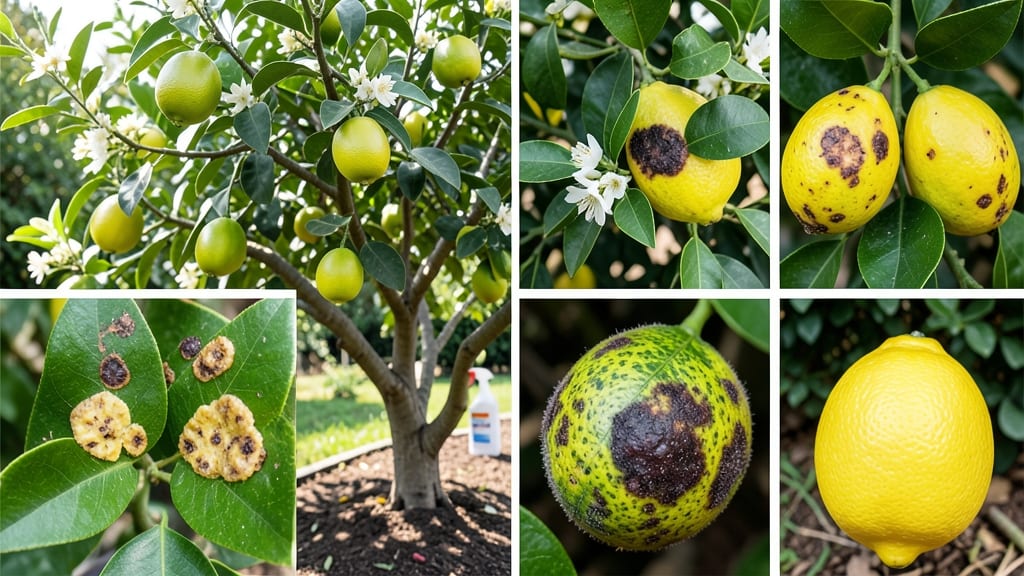
Spotting citrus tree diseases early with the right pictures saves your grove—before yellow leaves turn into a full-blown crisis. 🌿 This guide pairs 12 common fungal blights with clear visual cues so you can diagnose problems fast, whether it's the black spots of melanose or the cottony mold of citrus greasy spot.
The key is knowing what healthy citrus looks like—glossy leaves, vibrant fruit—so you notice when something shifts. Each disease has signature marks: scaly bark that cracks, stems with black streaks, or fruit covered in unsightly lesions.
I’ll show you exactly what to watch for, plus how to stop the spread before it ruins your harvest.
You’ll learn to recognize early warning signs—like tiny brown specks on new growth—that most gardeners miss until it’s too late. With these visual guides, you’ll treat issues before they become expensive problems, keeping your trees productive and disease-free for years.
Perfect for home growers and commercial orchards alike, this guide cuts through the confusion so you can act fast. Let’s get your citrus trees back to thriving—starting with the right diagnosis.
Underlying Causes Of Citrus Illnesses
Citrus trees are resilient, but their health can quickly decline when faced with the right mix of pathogens, environmental stress, and poor care. Understanding why these diseases take hold is the first step to prevention.
Below, we break down the key factors that turn a thriving citrus tree into a battleground for fungal blights, bacterial infections, and pests.
Citrus trees rely on balanced conditions to stay strong, and when these are disrupted, their natural resistance plummets. Here’s how environmental factors create openings for disease:
- Extreme Temperature Swings: Sudden drops below 32°F (0°C) or prolonged heatwaves above 95°F (35°C) damage leaves and bark, making them easier targets for Penicillium (green mold) or Phytophthora root rot. Cold stress disrupts cell membranes, while heat stress dehydrates tissues, both inviting fungal spores to latch on.
- Poor Drainage & Waterlogging: Citrus roots need oxygen, and soggy soil suffocates them. Phytophthora and Fusarium thrive in waterlogged conditions, rotting roots and blocking nutrient uptake. Even "wet feet" from overwatering or compacted clay soil can trigger citrus blight symptoms.
- High Humidity & Rainfall: Fungal spores like those causing melanose or scab need moisture to germinate. Prolonged leaf wetness (over 9 hours) creates the perfect breeding ground. Coastal citrus growers often battle Alternaria leaf spot due to salty, humid air.
💡 Pro Tip: Mulch with wood chips (not fresh) to moderate soil temp and improve drainage. Space trees for airflow—crowding traps moisture and spores.
Diseases don’t just appear—they invade. Citrus trees have natural barriers, but these can be breached through:
- Physical Damage:
- Pruning wounds left open heal slowly, inviting Nectria canker or Botryosphaeria dieback. Always sterilize tools with 70% isopropyl alcohol or bleach.
- Hail, wind, or animal scratches create entry points for Xanthomonas (citrus bacterial spot).
- Insect Vectors:
- Scale insects and aphids excrete honeydew, a sugary film that promotes sooty mold (a black fungal growth).
- Citrus leafminers tunnel into leaves, weakening them and making them susceptible to Alternaria.
- Contaminated Tools/Soil:
- Reusing pruners or grafting tools can spread Citrus Canker (Xanthomonas axonopodis) from one tree to another.
- Infected nursery stock or composted leaves harboring Phytophthora spores can introduce root rot before symptoms appear.
⚠️ Warning: Citrus Canker is highly contagious—once established, it’s nearly impossible to eradicate. Quarantine new trees for 30 days before planting.
A citrus tree’s immune system runs on balanced nutrition. Deficiencies or excesses create weaknesses:
| Deficiency/Excess | Disease Risk | Symptoms to Watch For |
|---|---|---|
| Low Nitrogen (N) | Melanose, Scab | Yellowing lower leaves, stunted growth, thin bark prone to cracking. |
| High Phosphorus (P) | Root Rot (Phytophthora) | Dark, gummy roots; excessive foliage with few fruits. |
| Zinc or Magnesium Deficiency | Alternaria Leaf Spot | Interveinal chlorosis (yellowing between veins), small leaves. |
| Excess Iron (Fe) | Bacterial Leaf Scorch | Brown, crispy leaf edges; iron toxicity blocks nutrient uptake. |
🔥 Action Step: Test soil pH (ideal: 6.0–7.0 for citrus). Adjust with elemental sulfur (to lower pH) or lime (to raise it). Avoid synthetic fertilizers—opt for slow-release organic options like citrus-specific blends.
Diseases don’t disappear—they linger. Leftovers from last season’s infections set the stage for new outbreaks:
- Infected Debris: Fallen leaves, mummified fruit, and pruned branches harbor Penicillium spores or Colletotrichum (anthracnose). These can survive 2+ years in soil.
- Wild Hosts: Weeds like bitter orange (Citrus aurantium) or juniper can host Phytophthora and reinfect citrus roots.
- Tool Contamination: Pruners, saws, and even wheelbarrows spread Citrus Greening (_HLB_) bacteria if not cleaned between trees.
🧹 Cleanup Checklist:
- 🔪 Remove all infected plant material (burn or bag it—do not compost).
- 🌱 Sterilize tools with 10% bleach solution (1 part bleach to 9 parts water).
- 🌿 Solarize soil in late summer: Cover with clear plastic for 4–6 weeks to kill pathogens.
How to Treat Citrus Tree Ailments
Now that you’ve identified the issue plaguing your citrus tree, it’s time to take action! Early intervention is key to saving your tree, so let’s tackle each problem with practical, step-by-step solutions.
Below, we’ve mapped out the best fixes for common citrus tree diseases, along with prevention tips to keep your tree thriving long-term.
Fungal diseases like citrus canker and melanose thrive in warm, humid conditions, but they’re not invincible. Here’s how to combat them:
🔥 Remove Infected Areas Immediately
- Use sterilized pruning shears to cut out infected leaves, branches, or bark.
- Trim at least 1 inch below the visible lesion to ensure the fungus doesn’t linger.
- Dispose of infected plant material in the trash (not compost)—do not leave it in your yard.
🍳 Apply Fungicidal Sprays
- Copper-based fungicides (like Copper Sulfate) are highly effective against fungal spores.
- Neem oil (a natural fungicide) can also help—mix 1 tsp per quart of water and spray thoroughly.
- Reapply every 2–4 weeks during wet or humid seasons for prevention.
🌡️ Improve Air Circulation & Drainage
- Thin out dense foliage to allow sunlight and airflow to reach the center of the tree.
- Avoid overhead watering—use drip irrigation or water at the base instead.
- Space trees properly (6–10 feet apart) to reduce humidity buildup.
💡 Pro Tip: If your tree is severely infected, consult a local extension service for stronger fungicides like Propiconazole or Myclobutanil.
Bacterial infections spread quickly, but copper sprays and sanitation are your best defenses.
👨🍳 Prune & Sterilize Tools
- Remove and destroy infected leaves and fruit immediately—do not compost.
- Wash hands and tools with rubbing alcohol or bleach solution (1 part bleach to 9 parts water) after pruning.
🥘 Use Copper Fungicides (Yes, Even for Bacteria!)
- Copper hydroxide or copper octanoate sprays work against bacterial spores.
- Apply every 7–14 days during wet conditions.
- Follow label instructions—overuse can harm the tree.
🌧️ Adjust Watering Practices
- Water in the early morning so foliage dries quickly.
- Avoid wetting leaves—direct soil watering reduces bacterial spread.
✨ Prevention Bonus: Plant resistant varieties like ‘Satsuma’ mandarins if bacterial spot is common in your area.
Viruses and nutrient deficiencies require different approaches—removal for viruses and soil amendments for deficiencies.
🔪 Remove Infected Trees (For Tristeza Virus)
- There is no cure for Citrus Tristeza Virus (CTV)—dig up and destroy infected trees to prevent spread.
- Replace with disease-resistant rootstock (like Carrizo citrange) if replanting.
📊 Boost Soil Health for Nutrient Deficiencies
- For zinc deficiency (little leaf disease):
- Apply zinc sulfate (follow package rates) to soil or as a foliar spray.
- Test soil pH—zinc is less available in alkaline soil (pH > 7.0).
- For iron chlorosis (yellow leaves):
- Use chelated iron (like Iron EDTA) and apply to wet soil.
- Mulch with compost to improve microbial activity.
🎯 Long-Term Fix: Regularly fertilize with citrus-specific blends (high in nitrogen, potassium, and micronutrients) to prevent deficiencies.
Even after treatment, proactive care is your best friend. Here’s how to prevent future outbreaks:
✅ Sanitize everything—tools, gloves, and containers—between uses. ✅ Monitor humidity—aim for below 70% around trees. ✅ Rotate fungicides to prevent resistance. ✅ Plant in well-draining soil—citrus hates soggy roots! ✅ Inspect new plants before bringing them home—quarantine for 2 weeks if possible.
Final Thought: Most citrus diseases are manageable with early action and proper care. Stay vigilant, and your tree will reward you with years of juicy, healthy fruit! 🍊🍋🍉
Frequently asked questions
How can I tell if my citrus tree's spots are from a disease or just natural discoloration?
Compare the spots to healthy leaves first. Disease spots often have raised edges or oozing lesions (like citrus canker), while natural discoloration is usually uniform and doesn't spread. Check for black streaks on stems or yellow halos around spots—these are red flags for fungal infections.
Are there any citrus diseases that can spread to my other fruit trees?
Yes! Citrus Greening (HLB) and Citrus Canker can affect closely related plants like rue or curry leaf, while Phytophthora root rot may spread to avocados or mangoes in wet conditions. Always quarantine new citrus trees for 30 days and sterilize tools between trees.
What’s the fastest way to confirm if my tree has a fungal disease?
Send a close-up photo (with a coin for scale) to your local Cooperative Extension Service—they’ll diagnose it for free. For DIY checks, use a hand lens (10x magnification) to spot fungal spores (tiny black dots) on lesions.
Can I still harvest fruit from a diseased citrus tree?
Only if the disease is contained to leaves/bark (like early melanose) and hasn’t reached the fruit. Remove all infected fruit immediately—even if it looks fine, spores can linger. For bacterial infections, never eat fruit from affected trees.
Why do some pictures of citrus diseases look different from what I see?
Disease symptoms vary by citrus variety, stage of infection, and environment. For example, Alternaria leaf spot may appear as tiny brown dots in dry climates but as large, greasy patches in humid areas. Always check multiple sources and note your tree’s specific conditions.