
Pruning
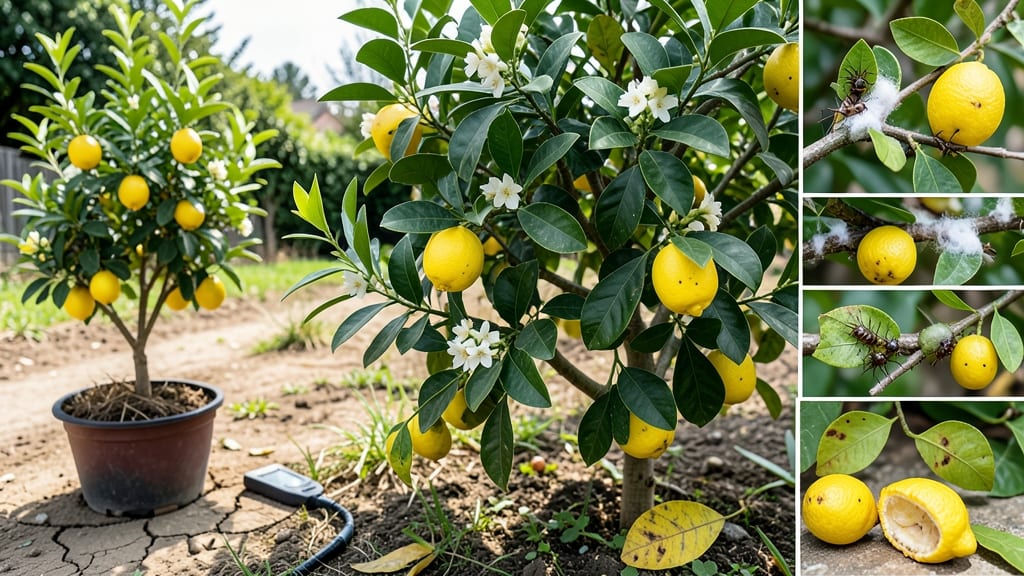
When your citrus tree’s leaves turn yellow faster than a summer sunset, panic sets in—but most issues have simple fixes. 🌿 I’ve nursed back more struggling citrus trees than I’d like to admit, and the key is spotting the problem early, whether it’s overwatering, pests, or a hidden nutrient deficiency.
The good news? Most citrus troubles respond to quick adjustments before they spiral. Start by checking the soil—it’s usually the culprit. Overwatering drowns roots, while underwatering causes leaves to crisp like autumn paper.
Then inspect the leaves for pests like aphids or scale, which leave behind sticky residue or tiny bumps. Fungal diseases like citrus canker show up as weird spots, but don’t let that scare you—prevention is easier than you think. With the right approach, you’ll see fresh green growth within weeks.
I’ve revived trees that looked doomed by adjusting water, pruning dead branches, and applying a targeted fertilizer. The secret is acting fast—before the problem becomes permanent. This works for both container-grown citrus and in-ground trees. Let’s turn those brown leaves back to vibrant green before your next harvest.
📚 In This Guide
- What you need
- Instructions
- Tips and common mistakes
- Wrapping up and next steps
What you need
- ● Pruning shears – Sharp, bypass-style (avoid anvil shears; they crush branches). Size: 6–8 inches for small branches, 10–12 inches for thicker limbs.
- ● Loppers – For branches ½ to 1½ inches thick. Look for ratchet-style for easier cutting.
- ● Pruning saw – A bow saw or folding pruning saw for branches 1½+ inches thick. Tooth type: Crosscut for wood, rip-cut for limbs.
- ● Gloves – Heavy-duty, cut-resistant (thorns and sharp tools are no joke!). Consider gardening gloves with touchscreen-compatible fingertips if you’re tech-savvy.
- ● Disinfectant – 70% isopropyl alcohol or rubbing alcohol to clean tools between cuts (prevents disease spread).
- ● Rake or leaf blower – For clearing debris and inspecting the soil and root zone.
- ● Garden hose or spray bottle – To wet tools (reduces dust) and rinse off sap/resin after pruning.
- ● Notebook & pen – To log issues, pruning notes, and progress.
- ○ Magnifying glass – Optional but helpful for spotting pests, fungal spores, or tiny damage.
- ● pH test kit – To check soil acidity/alkalinity (citrus prefers 6.0–7.0).
- ○ Moisture meter – Optional but great for checking root-zone hydration.
- ● Fungal/bacterial treatment – Copper fungicide (for blight/canker) or neem oil (organic option for pests/fungi).
- ● Insecticidal soap or horticultural oil – For scale, mites, or aphids.
- ● Slow-release fertilizer – Citrus-specific, 6-6-6 or 8-3-9 NPK ratio (check for micronutrients like zinc and iron).
- ● Mulch – Wood chips or straw (2–4 inches deep; keep 3–4 inches away from trunk).
- ● Drip irrigation or soaker hose – To avoid wetting foliage (reduces fungal risk).
- ● Weather check – Prune on a dry, overcast day (avoid midday heat).
- ● Safety glasses – Protect your eyes from debris.
- ● Sturdy ladder or stool – If your tree is 6+ feet tall.
- ● First-aid kit – Just in case (thorns + tools = ouch!).
- ● Know your tree’s variety – Meyer lemon, orange, grapefruit, etc. Some have unique issues (e.g., tristeza virus in oranges).
How to diagnose and fix citrus tree problems quickly
Here's my go-to troubleshooting method—tested on lemon, lime, and orange trees.
🌿 Step 1: Inspect Leaves for Color and Texture Clues
Start by examining the leaves from top to bottom. Yellowing between veins often signals iron deficiency (common in alkaline soil), while brown, crispy edges point to overwatering or salt buildup from tap water. I always check the undersides for spider mites—tiny webs or speckled yellowing are dead giveaways.
Hold a leaf firmly and gently tug. If it falls off easily, your tree is stressed (likely from inconsistent watering). Healthy citrus leaves should resist a little before detaching. Take a small soil sample from the root zone—if it smells sour or looks gummy, that’s root rot from poor drainage.
☀️ Step 2: Check Light and Water Patterns
Citrus trees need 6-8 hours of direct sun daily, but too much scorching heat causes leaf scorch (brown patches on edges). Move the tree to a spot with morning sun and afternoon shade if you notice this. I’ve fixed scorched leaves by misting them lightly in the afternoon to cool them down temporarily.
Stick your finger 2 inches into the soil. If it’s bone-dry, water deeply until it drains from the bottom. If it’s still soggy after 24 hours, you’re overwatering—citrus roots rot easily. Use lukewarm water (not cold) to avoid shocking the tree, and always water at the base, not the leaves, to prevent fungal diseases.
🪴 Step 3: Examine the Soil and Roots
Gently loosen the top 1-2 inches of soil with a small trowel. Healthy citrus soil is light and crumbly, not compacted. If it’s hard or clumps together, amend it with sand or perlite to improve drainage. I also check for white, crusty deposits—that’s salt buildup, which happens when you water with high-salt tap water or over-fertilize.
If the tree is potted, tip it slightly to inspect the roots. Healthy roots are white or light tan, while black, mushy roots mean rot. Trim away any mushy roots with sterilized scissors, then repot in fresh, well-draining mix. For in-ground trees, avoid disturbing the roots—just focus on improving soil conditions around the drip line.
✂️ Step 4: Treat Pests and Diseases on Contact
For scale insects (brown bumps on stems), scrape them off with a soft brush dipped in soapy water (1 tsp mild soap per gallon). Spider mites? Spray the undersides of leaves with a neem oil solution (1 tbsp neem oil + 1 tsp mild soap per quart of water). Reapply every 5-7 days until the pests vanish.
If you spot fungal spots (black or yellow patches), prune affected leaves with sterilized pruners and treat the tree with copper fungicide or a baking soda spray (1 tbsp baking soda + 1 quart water + a drop of dish soap). Always prune in dry weather to prevent spreading spores.
💧 Step 5: Adjust Care Based on Season
In summer, citrus trees need more frequent watering (every 2-3 days if no rain), but in winter, they enter dormancy and only need water when the soil is completely dry. I’ve seen trees suffer from winter overwatering—just because they’re not growing doesn’t mean they need less water.
Fertilize lightly in spring and early summer with a citrus-specific fertilizer (high in nitrogen but balanced). Avoid fertilizing in fall or winter—it encourages tender new growth that can’t survive cold snaps. If your tree drops fruit unexpectedly, it’s often a sign of nutrient imbalance or temperature stress (below 40°F).
Tips & tricks for diagnosing citrus tree problems
Real talk: Citrus trees are tough but not indestructible. Here's what nobody tells you about keeping them thriving.
Leaf Inspection Secrets: When checking for spider mites in Step 1, use a magnifying glass if you're unsure—those tiny webs are easier to spot up close. I've caught infestations early by shaking leaves over white paper: mites leave tiny moving specks. Also, yellowing between veins? That's your first clue for iron deficiency, but don't grab just any fertilizer—citrus trees need chelated iron specifically for alkaline soil.
Watering Wisdom: The 2-inch soil check in Step 2 is crucial, but timing matters too. Water in the morning so leaves dry quickly, preventing fungal growth. I've seen trees develop root rot from evening watering—always let the soil dry slightly between waterings, especially in winter when trees need less. For potted trees, make sure containers have drainage holes, and never let them sit in saucers of standing water.
Root Rescue Strategy: If you find black, mushy roots during your inspection in Step 3, don't panic—but act fast. After trimming the rot, dust the healthy roots with cinnamon powder (natural antifungal) before repotting. For in-ground trees, focus on improving drainage around the root zone by adding organic matter like compost or coconut coir. I've revived several trees this way that were nearly lost to rot.
Pest Prevention: The neem oil solution in Step 4 works wonders, but here's the kicker: mix it fresh each time you use it. Neem oil loses effectiveness after about 24 hours. For scale insects, I've had success with rubbing alcohol (70% isopropyl) on a cotton swab—it dissolves the waxy coating instantly. Always treat both sides of leaves and reapply after rain washes away the solution.
Pro Tips for Citrus Tree Issues
- Real talk: Citrus trees are tough but not indestructible. Here's what nobody tells you about keeping them thriving.
- Leaf Inspection Secrets: When checking for spider mites in Step 1, use a magnifying glass if you're unsure—those tiny webs are easier to spot up close.
- Watering Wisdom: The 2-inch soil check in Step 2 is crucial, but timing matters too.
Frequently asked questions
Got citrus tree troubles?
You’re not alone! Here are answers to the most common questions about diagnosing and fixing issues with your citrus trees—so you can get back to enjoying those juicy oranges and lemons in no time.
Why are my citrus tree leaves turning yellow?
Yellowing leaves are often a sign of overwatering or nutrient deficiencies (like nitrogen or iron). Check the soil moisture—citrus trees prefer it slightly dry. Test your soil’s pH (ideal: 6.0–7.0) and consider a chelated iron supplement if chlorosis (yellowing between veins) appears. Pro tip: Avoid soggy roots by ensuring proper drainage!
How do I get rid of pests like aphids or citrus leaf miners?
Start with a strong water spray to dislodge soft-bodied pests like aphids. For leaf miners, prune and destroy infested leaves immediately. Use neem oil or insecticidal soap (follow label instructions) for organic control. Ladybugs and lacewings are natural predators—invite them to your garden! Warning: Avoid harsh chemicals near fruit.
My citrus fruits are small and bitter—what’s wrong?
Small, bitter fruit usually means underwatering, poor pollination, or excessive nitrogen (which boosts leaves but stunts fruit). Hand-pollinate flowers with a soft brush if bees are scarce. Reduce water slightly if overwatered, and switch to a balanced citrus fertilizer (e.g., 6-6-6) to encourage fruiting. Fun fact: Thin overcrowded fruit to improve size!
Can citrus trees survive frost? How do I protect them?
Citrus trees are tender perennials and die back at temps below 28°F (-2°C). Cover young trees with frost cloth or blankets, and wrap the trunk with bubble wrap to insulate roots. Mature trees may recover if only leaves are damaged, but avoid watering before frost—wet foliage freezes faster. Pro tip: Plant near a south-facing wall to trap heat.
Should I prune my citrus tree in winter or spring?
Prune lightly in late winter/early spring (before new growth starts) to shape the tree and remove dead wood. Avoid heavy pruning—citrus trees don’t regrow well like fruit trees. Never prune in fall (risk of frost damage) or during summer heat. Use sterilized tools to prevent disease spread. Remember: Prune to open the canopy for airflow!
What’s the fastest way to fix root rot in citrus trees?
Root rot (from overwatering) is deadly—act fast! Stop watering immediately and improve drainage by amending soil with perlite or coarse sand. Repot the tree if needed, and treat with a fungicide like copper fungicide. For severe cases, prune back dead roots and let the soil dry completely between waterings. Critical: Adjust your watering schedule to once every 1–2 weeks in summer!
Wrapping up and next steps
Citrus trees are resilient, but even the hardiest varieties face challenges like pests, diseases, or environmental stress. By identifying symptoms early—whether it’s yellowing leaves, fruit drop, or unusual growth—and taking action with the right tools and techniques, you can keep your tree thriving.
Remember, prevention is key: regular pruning, proper watering, and vigilance go a long way!
Ready to tackle those citrus tree issues like a pro? Start with a quick inspection today—grab your gloves, check those branches, and give your tree the TLC it deserves! 🌿🍊