
Pruning
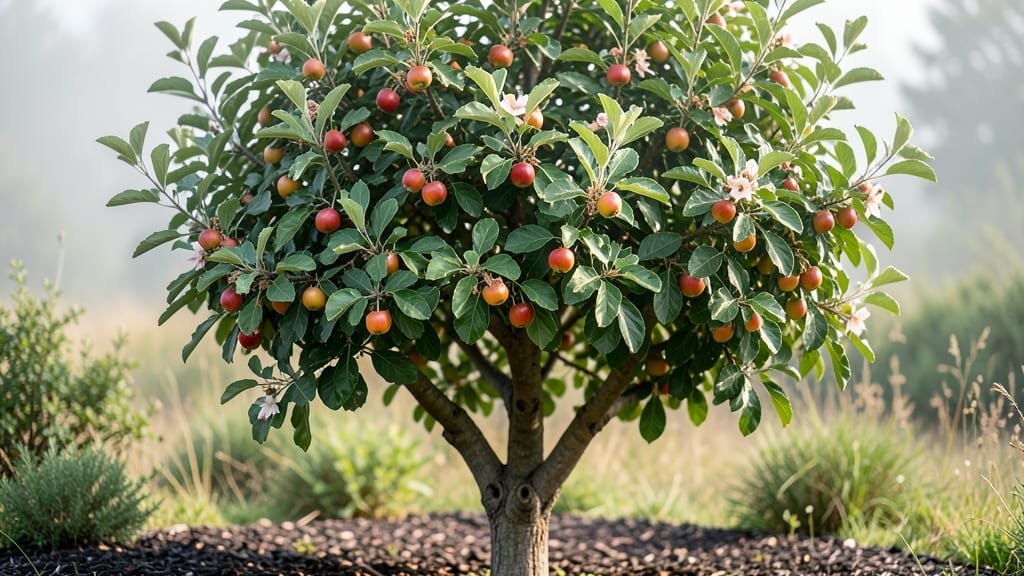
Summer pruning your crabapple tree isn't just about shaping—it’s about saving it from heat stress and pests. ✂️ I’ve learned the hard way that waiting until fall means dealing with weak growth and disease-prone branches by next spring.
The key is timing: prune in late June to early July when the tree has finished flowering but before the hottest stretch. You’ll need sharp bypass pruners, a ladder (for higher branches), and a bucket for clippings.
Focus on removing water sprouts—those skinny, vertical shoots that steal energy—and any crossing branches rubbing together. Thin the canopy by 20-25% to improve airflow, which cuts down on fungal issues during humid summer afternoons.
What you’ll end up with is a tree that looks neat and intentional, not overgrown and stressed. The right cuts now mean fewer pests, better fruit set next year, and a stronger structure for winter storms.
Plus, the blooms in spring will be even more dramatic because the tree isn’t fighting for energy. This works for standard crabapples, columnar varieties, and even dwarf types—just scale the tools to your tree’s size.
The goal is balance: shape it for beauty, but don’t overdo it, or you’ll trigger more regrowth you’ll have to prune again next year.
📚 In This Guide
- What you need
- Instructions
- Tips and common mistakes
- Wrapping up and next steps
What you need
- ● Pruning shears: Bypass pruners (for cuts up to ½ inch thick). Tip: Sharp blades prevent jagged cuts! 🔪
- ● Loppers: 1 pair (for branches ½–1½ inches thick). Look for bypass or anvil styles with long handles.
- ● Pruning saw: 1 handheld saw (for branches 1½+ inches thick). A curved blade works best for tight spaces.
- ● Disinfectant: 70% isopropyl alcohol or a pruning sealant (to prevent disease spread).
- ● Work gloves: Heavy-duty, cut-resistant gloves (to protect against thorns and rough bark).
- ● Ladder or step stool: Sturdy and tall enough to reach the tree’s canopy safely.
- ● Trash bags: 2–3 heavy-duty bags (for collecting pruned branches).
- ○ Marking twine or flags: Optional but helpful for tagging branches to remove.
- ● Pruning paint: For sealing cuts larger than ½ inch (reduces sap loss and disease risk).
- ● Extension pole: Attaches to loppers or shears for hard-to-reach branches.
- ● Safety glasses: Protects eyes from debris, especially when using a saw.
- ● Notebook & pen: To jot down notes on cuts or tree health observations.
Instructions for summer pruning your crabapple tree
Here's how to keep your crabapple looking its best all season long.
✂️ Step 1: Identify and Remove Dead or Diseased Branches
Start by scanning your tree for any branches that look completely dead—no leaves, brown and brittle, or oozing sap. These are your top priority. Grab your pruning shears and make a clean cut just outside the branch collar, the swollen area where the branch meets the trunk. This ensures the tree can heal properly.
Next, look for branches with signs of disease like fungal spots, cankers, or unusual discoloration. These need removal too, but cut back an extra 6 inches beyond the visible damage to prevent the disease from spreading. I always sterilize my shears with rubbing alcohol between cuts—this prevents cross-contamination.
✂️ Step 2: Thin Out Crowded Branches for Better Airflow
Crabapple trees naturally grow with dense branching, which can lead to fungal issues or weak fruit production. Focus on removing branches that cross or rub against each other—they’ll eventually create wounds where pests or diseases can enter. Make your cuts at the branch collar, and always cut back to a healthy bud or side branch.
Thin out about 20% of the tree’s branches in total, prioritizing those growing inward or downward. You’ll notice the tree’s structure opens up, letting sunlight and air reach the center. This isn’t just about looks—better airflow reduces humidity in the canopy, which cuts down on fungal problems like apple scab.
☀️ Step 3: Prune for Light Penetration and Fruit Production
Now, focus on branches that block sunlight from reaching the inner parts of the tree. Remove any that grow straight upward (called "water sprouts") or those that are too close together. Aim to keep the tree’s shape balanced, with sunlight able to reach all branches. A good rule of thumb: if you can’t see through the canopy from the ground, you need to thin more.
For fruit production, prune back some of the smaller branches on the outer edges to encourage larger, healthier fruit. Cut just above an outward-facing bud to promote new growth in the right direction. This step takes a little practice, but you’ll see bigger, more abundant fruit in the next growing season.
✂️ Step 4: Shape the Tree for Long-Term Health
Use this time to refine the tree’s natural shape. Step back and look at the overall silhouette—aim for a balanced, open structure. Remove any branches that grow at sharp angles (less than 45 degrees) from the trunk or main branches, as these are more likely to break in storms.
If your tree has any suckers (shoots growing from the base or roots), cut them off at the ground level. These compete with the main tree for nutrients and weaken its growth. Finish by smoothing out any rough edges with your pruning shears, but avoid over-pruning—you want to leave enough foliage for photosynthesis.
🌿 Step 5: Clean Up and Monitor for Recovery
After pruning, rake up all the debris and dispose of it in the trash—not the compost—since diseased branches can spread pathogens. Sterilize your tools again with rubbing alcohol to prevent any lingering contamination. Water the base of the tree deeply to help it recover from the pruning stress.
Keep an eye on the tree over the next few weeks. You should see new growth emerging from the buds you left behind. If you notice any unusual wilting, discoloration, or signs of stress, it might be a sign of over-pruning or disease. Adjust your approach for next time—crabapple trees are resilient, but they do best with gentle, strategic pruning.
Tips & tricks for perfect crabapple tree summer pruning
Summer pruning can transform your crabapple from a tangled mess into a healthy, fruit-bearing beauty. Here’s how to avoid common pitfalls and get the best results.
Timing is Everything: Prune during the late spring to early summer when the tree is actively growing but before the next flush of growth begins. This timing ensures new buds have time to form before winter. Avoid pruning during extreme heat or drought—stressed trees heal more slowly. I’ve seen trees pruned in summer heat develop sunburned wounds that take months to recover.
Tool Prep Matters: Your pruning shears and saw should be sharp and sterilized before you start. Dull tools crush branches instead of making clean cuts, which slows healing. I keep a small bottle of rubbing alcohol handy to wipe down tools between cuts, especially when dealing with diseased branches. A bypass pruner is best for branches up to ½ inch thick, while a pruning saw handles thicker branches—just make sure to cut just outside the branch collar for proper healing.
Visual Cues for Better Cuts: When pruning, look for the branch collar—the swollen area where the branch meets the trunk. This is your guide for making clean cuts that heal properly. For diseased branches, cut back an extra 6 inches beyond visible damage to prevent the disease from spreading. If you’re unsure about a cut, step back and visualize how it will affect the tree’s overall shape—you want sunlight to reach all parts of the canopy.
Monitoring for Recovery: After pruning, keep an eye on the tree for the next few weeks. New growth should emerge from the buds you left behind, and the tree should look healthier, not stressed. If you notice unusual wilting or discoloration, it might be a sign of over-pruning or disease. Crabapple trees are resilient, but they do best with gentle, strategic pruning—don’t remove more than 20% of the branches in one session.
Pro Tips for Crabapple Tree Summer
- Summer pruning can transform your crabapple from a tangled mess into a healthy, fruit-bearing beauty.
- Timing is Everything: Prune during the late spring to early summer when the tree is actively growing but before the next flush of growth begins.
- Tool Prep Matters: Your pruning shears and saw should be sharp and sterilized before you start.
Frequently asked questions
Got questions about keeping your crabapple tree thriving during summer pruning?
Here are answers to the most common ones—so you can prune with confidence and keep that tree looking its best!
When is the best time to prune a crabapple tree in summer?
Prune your crabapple tree in late summer (August–early September) to avoid stressing the tree during peak bloom or fruit production. This timing also reduces disease risk from summer fungal infections. Avoid heavy pruning in extreme heat—opt for lighter trims if temps soar above 90°F.
Will summer pruning hurt my crabapple tree’s flowers or fruit?
Minimal pruning in summer won’t drastically impact blooms or fruit, but avoid heavy cuts during spring bloom (March–May) or when fruit is forming (June–July). Focus on removing dead wood, crossing branches, or shaping—just keep it to <10% of the canopy at a time to prevent shock.
Can I prune a crabapple tree in summer if it’s diseased?
Yes! Summer is a great time to remove infected branches (like those with fire blight or powdery mildew). Sterilize your tools with rubbing alcohol between cuts, and dispose of diseased wood in the trash—not the compost. Prune in dry, breezy conditions to help wounds heal faster.
What if my crabapple tree isn’t blooming well after summer pruning?
Poor blooms could mean over-pruning, nutrient deficiency, or stress. Check your cuts: They should be clean (not torn) and angled away from the branch collar. If blooms are sparse, fertilize in early spring with a balanced 10-10-10 formula and ensure it gets 6+ hours of sunlight daily.
Are there alternatives to summer pruning for shaping my crabapple tree?
If summer pruning feels risky, try light shaping in winter (dormant season) or topiary-style trims in early spring before buds swell. For dramatic changes, split pruning into two sessions: a light trim in summer + a more aggressive one in late winter. Always prioritize health over aesthetics!
Wrapping up and next steps
Your crabapple tree summer pruning journey is now complete—you’ve mastered the art of shaping, revitalizing, and safeguarding your tree for years to come! 🌳✨ By focusing on timing, technique, and tool care, you’ve given your tree the best chance to thrive, bloom beautifully, and resist pests and diseases.
Whether you’re a seasoned gardener or just starting, every trim counts!
Now’s the perfect time to schedule your next steps.
Mark your calendar for late fall or early winter pruning (if needed) or simply enjoy your tree’s fresh growth this summer. Ready to dive deeper? Explore our seasonal pruning guides or share your progress with fellow gardeners—your green thumb is making a difference! 🌿💚