
Pruning
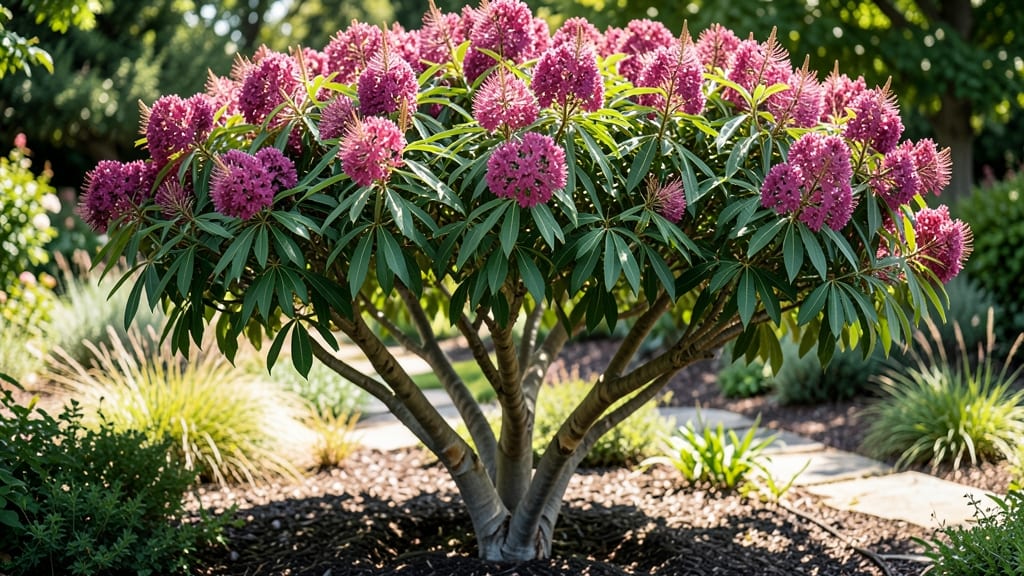
Growing crepe myrtle trees in California means drought-tolerant blooms that thrive in our sun-drenched summers and mild winters—no high-maintenance fuss required. 🌿 I’ve watched mine explode with color for years, even through dry spells, because they’re built for our climate’s challenges. The key?
Matching their natural resilience with smart planting and minimal watering once established. California’s Mediterranean climate means crepe myrtles need well-draining soil and full sun (at least 6 hours daily), but they hate soggy roots. Most varieties handle our occasional heatwaves like champions, though some—like ‘Natchez’ or ‘Tonto’—are extra drought-proof.
Prune in late winter to shape them and encourage fresh growth, but avoid heavy cuts that stress the tree. By summer, you’ll have vibrant clusters of blooms that last for weeks, attracting hummingbirds and butterflies. The bark peels dramatically in winter, adding texture even when flowers fade.
Just watch for aphids (spray with water if they appear) and avoid overwatering—this is a tree that rewards patience with minimal effort. Perfect for any California garden, from coastal gardens to inland yards. Here’s how to set yours up for success—no green thumb required.
📚 In This Guide
- What you need
- Instructions
- Tips and common mistakes
- Wrapping up and next steps
What you need
- ● Pruning shears or loppers: Choose bypass pruners (for small branches) or loppers (for thicker branches, ½"–1½" diameter). Sharpness is key! 🔪
- ● Hand pruners: For trimming tiny branches (⅛"–½" diameter). Opt for bypass-style to avoid crushing.
- ● Pruning saw: For branches over 1½" in diameter. A curved-tooth pruning saw works best.
- ● Ladder or step stool: A sturdy, extension ladder (16–24 ft, depending on tree height) or a garden stool for safety.
- ● Gloves: Heavy-duty gardening gloves to protect your hands from thorns and rough bark.
- ○ Disinfectant (optional but recommended): Rubbing alcohol (70%+) or bleach solution (1 part bleach to 9 parts water) to sterilize tools between cuts.
- ● Heavy-duty trash bags or bucket: For collecting pruned branches and debris.
- ○ Tree wound dressing (optional): Pruning sealant (like Tanglefoot Tree Wound Pruning Sealer) for larger cuts (1" or wider).
- ● Safety gear: Safety goggles and ear protection if using a chainsaw (for aggressive pruning).
- ● Pole pruner: For high branches (extendable up to 20 ft).
- ● Marking twine or spray paint: To tag branches for removal before cutting.
- ● Hose or bucket of water: To clean tools and rinse off sap.
- ● First-aid kit: Just in case of minor scratches or thorn pricks!
Step-by-step guide to planting crepe myrtle trees in California
Here's how to establish these drought-resistant beauties for long-term success in your sun-drenched landscape.
🌱 Step 1: Choose the Right Location and Timing
Crepe myrtles thrive in full sun with at least 6-8 hours of direct sunlight daily, making them perfect for California's bright climate. Select a spot with well-draining soil—these trees hate soggy roots. The best planting window is during California's cooler months (November-March), when temperatures stay mild and rainfall provides natural hydration.
I always check the microclimate first. Even in drought-tolerant areas, afternoon shade from nearby structures or trees can stress young plants. If your yard has afternoon sun exposure, this is ideal. Avoid low-lying spots where cold air settles, as crepe myrtles can suffer from winter dieback in frost pockets.
🪴 Step 2: Prepare the Planting Hole and Amend Soil
Dig a hole twice as wide as the root ball but no deeper—crepe myrtles establish best when planted at the same depth they grew in the nursery. Loosen the sides of the hole with your shovel to encourage root spread. California's native soils often compact easily, so I always add a 1-inch layer of compost mixed into the bottom of the hole to improve drainage and fertility.
Remove the tree from its container and gently tease apart any circling roots with your fingers. This prevents girdling as the tree matures. Place the root ball in the hole so the top sits 1-2 inches below grade—this helps prevent moisture loss from the stem. Fill the hole with native soil, tamping down lightly every 4-6 inches to eliminate air pockets.
☀️ Step 3: Water Thoroughly and Mulch Properly
After planting, water deeply until the soil is 6-8 inches moist—you'll know when the water drains from the bottom of the hole. California's dry climate means establishing roots need consistent moisture. I set up a drip irrigation line at the base for the first 30-45 days, watering 2-3 times per week until the tree shows new growth.
Apply 2-3 inches of mulch (wood chips or bark) around the base, keeping it 6 inches away from the trunk to prevent rot. This mulch ring helps retain soil moisture and regulates temperature. Avoid piling mulch against the trunk—this creates a moist environment that attracts pests and diseases. Check soil moisture weekly by sticking your finger 2 inches deep; water again when dry.
✂️ Step 4: Prune for Structure and Health
Crepe myrtles need minimal pruning when young, but I always remove any dead, damaged, or crossing branches right after planting. These trees naturally develop a multi-trunk form, so avoid heavy pruning that encourages a single leader. The best time for initial shaping is late winter (February), just before new growth begins.
Watch for sucker growth at the base—these compete with the main trunk for nutrients. Remove them immediately with clean pruners. Never prune more than 25% of the tree's canopy at once, as this stresses the plant. In California's dry heat, pruning wounds take longer to heal, so make cuts just outside the branch collar for faster recovery.
🌿 Step 5: Monitor and Maintain for Long-Term Success
Established crepe myrtles in California require very little water once mature, but young trees need consistent care. After the first year, reduce watering to once every 2-3 weeks during dry spells, focusing on deep soakings that penetrate 12+ inches into the soil. You'll know your tree is thriving when it drops its butterfly-shaped flowers in late summer and develops exfoliating bark by winter.
Fertilize lightly in early spring (March) with a balanced, slow-release fertilizer (10-10-10) to support new growth. Avoid high-nitrogen fertilizers—they promote leafy growth at the expense of flowers. California's mineral-rich soils often don't need supplementation, so I skip fertilization after the second year unless the tree shows signs of stress like yellowing leaves or stunted growth.
Tips & tricks for perfect crepe myrtle planting in California
These pro-level insights will help your drought-resistant beauty thrive in California's challenging climate.
Sunlight Strategy: While crepe myrtles need those 6-8 hours of direct sunlight daily, I've learned that morning sun with afternoon shade actually produces more vibrant blooms in hotter inland areas. If your yard has afternoon shade from nearby structures, position the tree to catch the morning rays first—this prevents heat stress while still maximizing photosynthesis. Trust me on this: the difference in flower production is noticeable after just one season.
Soil Prep Secret: California's native soils often contain clay that compacts easily, which can suffocate young roots. After digging your hole twice as wide as the root ball, I recommend adding a 1-inch layer of compost mixed with 1 part perlite to 3 parts native soil. This improves drainage while still providing nutrients—critical for the first 30-45 days when roots are establishing. The perlite helps prevent that dreaded "soggy bottom" that leads to root rot.
Watering Wisdom: That 6-8 inch moisture depth after planting is non-negotiable, but here's what nobody tells you: Use the "finger test" method consistently. Stick your finger 2 inches deep into the soil—if it feels dry, water again. In my experience, many homeowners overwater during the initial 30-45 day period, thinking more moisture is better. The key is consistent moisture, not saturation. You'll know you're doing it right when you see new growth appear after about 6 weeks.
Pruning Precision: When shaping your tree in late winter, focus on removing only dead, damaged, or crossing branches immediately after planting. I've made the mistake of being too aggressive with pruning—never cut more than 25% of the canopy at once, especially in California's dry heat. The tree's wounds take longer to heal in our climate, and excessive pruning stresses the plant. Make clean cuts just outside the branch collar for faster recovery and better structural integrity.
Pro Tips for Crepe Myrtle Tree California
- These pro-level insights will help your drought-resistant beauty thrive in California's challenging climate.
- Sunlight Strategy: While crepe myrtles need those 6-8 hours of direct sunlight daily, I've learned that morning sun with afternoon shade actually produces more vibrant blooms in hotter inland areas.
- Soil Prep Secret: California's native soils often contain clay that compacts easily, which can suffocate young roots.
Frequently asked questions
Got questions about growing crepe myrtles in California?
You’re not alone! Here are answers to the most common queries to help you cultivate thriving, drought-resistant trees in your sun-drenched garden.
Are crepe myrtles truly drought-tolerant in California?
Yes! Once established (after 1–2 years), crepe myrtles thrive with minimal water—ideal for California’s dry climate. Pro tip: Water deeply but infrequently (every 2–3 weeks) to encourage deep root growth.
When is the best time to plant a crepe myrtle in California?
Plant in early spring or fall (October–April) to avoid extreme heat or frost. Avoid summer planting—young trees struggle with transplant shock in California’s intense sun.
How do I prune a crepe myrtle to avoid "crepe murder" (over-pruning)?
Avoid cutting into old wood (trunk or large branches)—this kills the tree. Instead, prune in late winter to shape, removing only dead or crossing branches. Never "top" the tree!
What’s the best crepe myrtle variety for hot, inland California areas?
Opt for ‘Natchez’ (white flowers) or ‘Tonto’ (red blooms)—both handle heat and drought well. For coastal areas, try ‘Arapaho’ (purple flowers), which tolerates mild winters.
Are crepe myrtles prone to pests in California?
Generally pest-resistant, but watch for aphids or scale insects (rare). If spotted, spray with neem oil or hose off gently. Prevention tip: Healthy soil = fewer pests!
Can I grow crepe myrtles in containers in California?
Yes! Dwarf varieties like ‘Dynamite’ thrive in large pots (15+ gallons). Use well-draining soil and move containers to shade during peak summer heat.
Wrapping up and next steps
Incorporating a crepe myrtle tree into your California garden isn’t just about adding beauty—it’s about embracing resilience, low maintenance, and year-round charm. With its drought tolerance and stunning blooms, this tree thrives in the Golden State’s sun-drenched climate, making it a smart and stylish choice for any outdoor space. 🌿
Ready to transform your yard? Start by selecting the perfect variety for your region, gathering the right tools, and following the pruning tips shared here.
Whether you’re a seasoned gardener or a beginner, your crepe myrtle will reward you with vibrant color and effortless elegance. Roll up your sleeves and get pruning! 🌸